
The 10 Weirdest Things Humans Have Put in Orbit
In 1963 the US Air Force dumped 480 million copper needles into orbit on purpose, and clumps of them are still up there - sharing the sky with an empty spacesuit, a sports car, and somebody's tool bag.
Expert analysis, technical guides, and the latest developments in space domain awareness
In 1963 the US Air Force dumped 480 million copper needles into orbit on purpose, and clumps of them are still up there - sharing the sky with an empty spacesuit, a sports car, and somebody's tool bag.
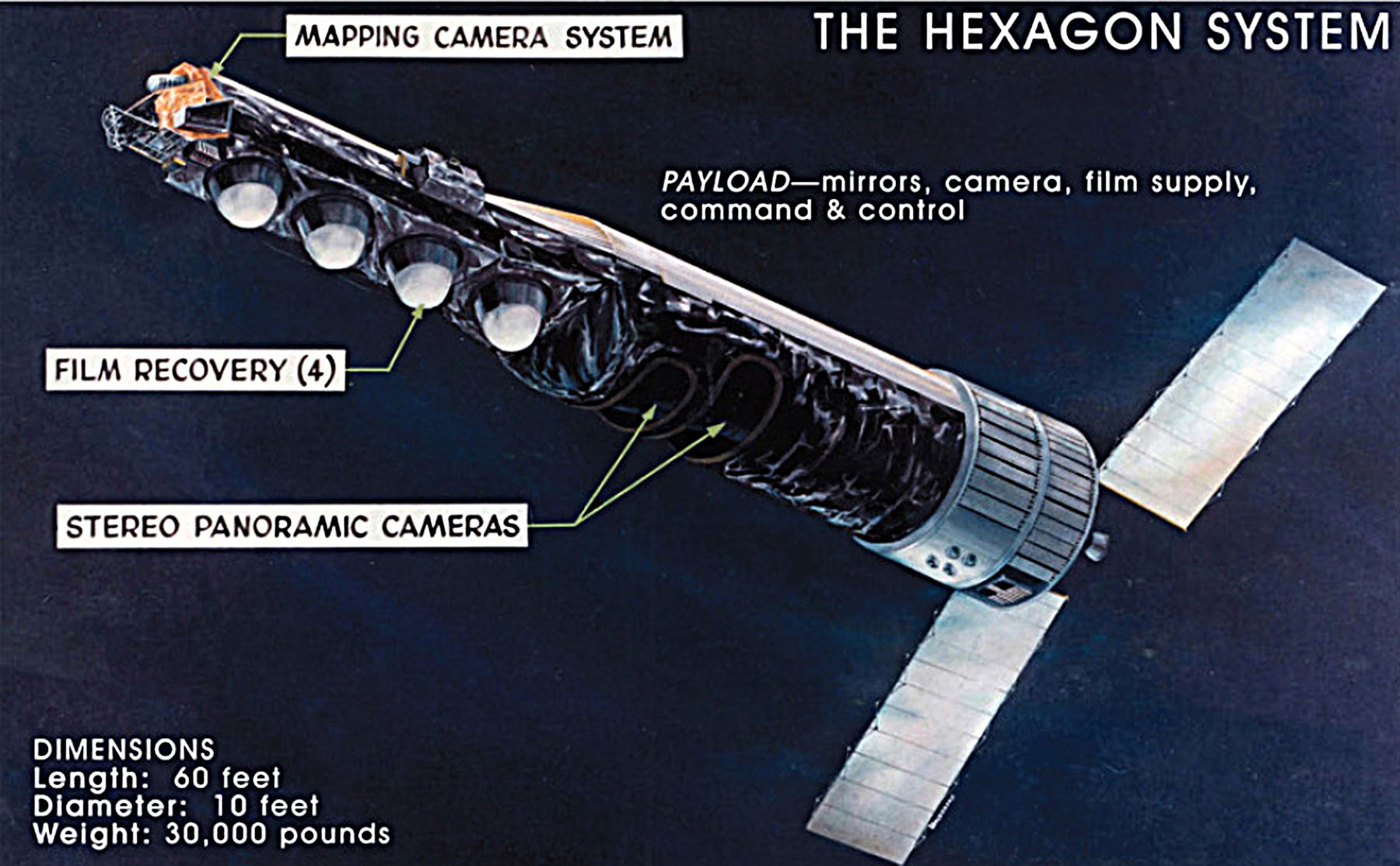
A camera the size of a school bus, a space station with a cannon, and astronauts trained to crawl through a hole in the heat shield. These are the spy satellites the government finally admitted exist.
SpaceX priced at $135, peaked at $225.64 four days later, and hit an all-time low of $110.85 in July. The prospectus explains most of it, and the unlock calendar that starts on August 6 explains the rest.
In 2024, a NASA satellite and a dead Russian spacecraft missed each other by less than 10 meters, and nobody knew how close it really was until weeks later. Neither one could move. Here are the ten nearest brushes with disaster in orbit, ranked.
In-depth technical analysis and comprehensive guides for space professionals
Iran calls Kowsar 1.5 a private-sector farming satellite. Its 3.45-meter camera, its sun-synchronous orbit, and the Russian rocket that carried it point somewhere else entirely.
Object 55056 rode a SpaceX rideshare into orbit carrying more than customer satellites. It carried the survival of Momentus, a company that had already lost its founder to a national security review, settled SEC fraud charges, and watched its first space tug die in orbit.
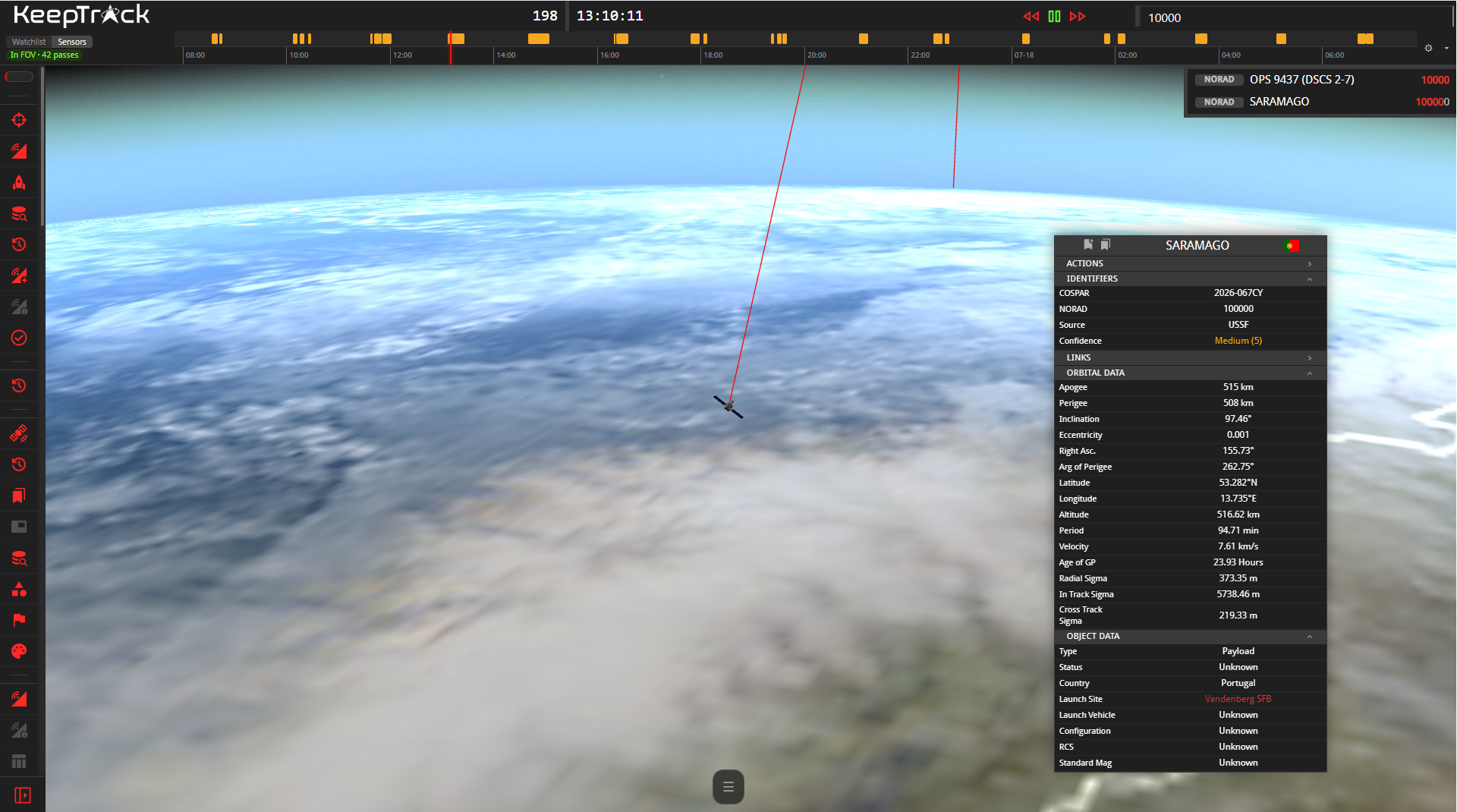
On July 11, 2026, a Portuguese satellite named after a Nobel laureate became the first object to carry catalog number 100000. It broke a five-digit numbering limit that had held since Sputnik, and exposed how unprepared decades of tracking software is for a sky this crowded.
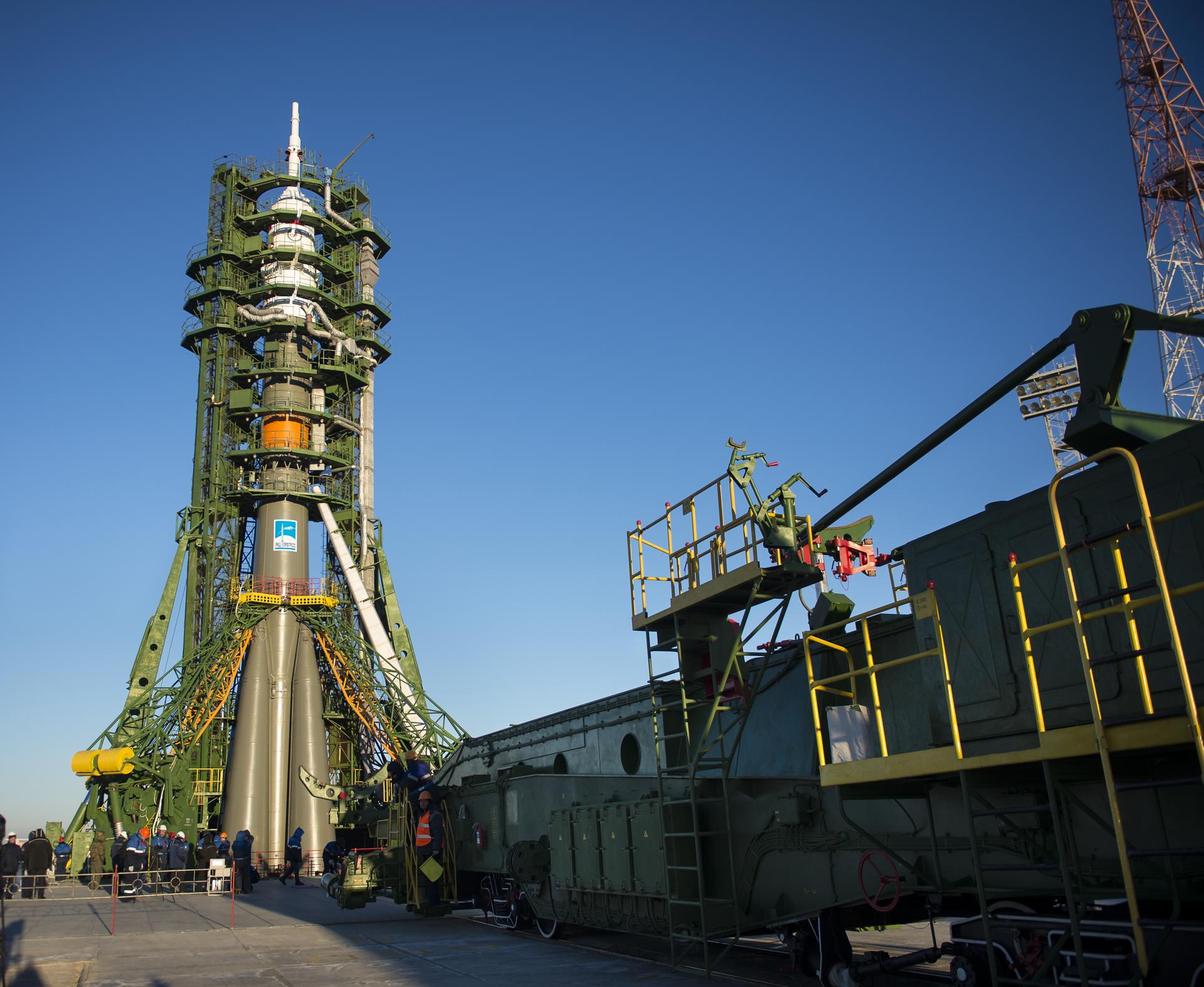
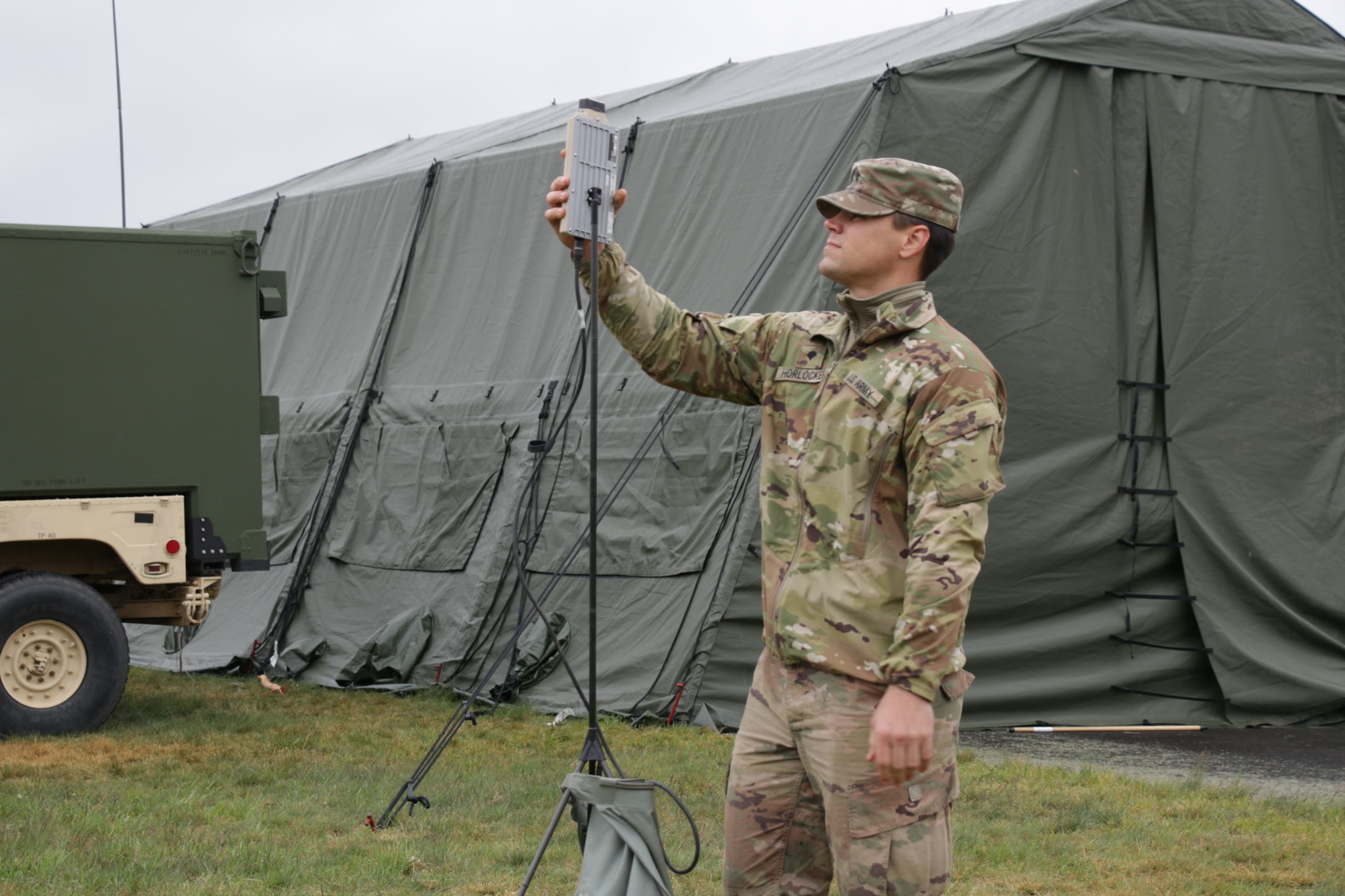
Russia's Volna Kupol Garant electronic warfare system was purpose-built to jam Starlink. It costs around $1.5 million per unit, covers just 20 square kilometers, and can only target one satellite at a time. Ukraine has been finding and destroying them within days of deployment.
Community resources, mission coverage, and satellite tracking developments
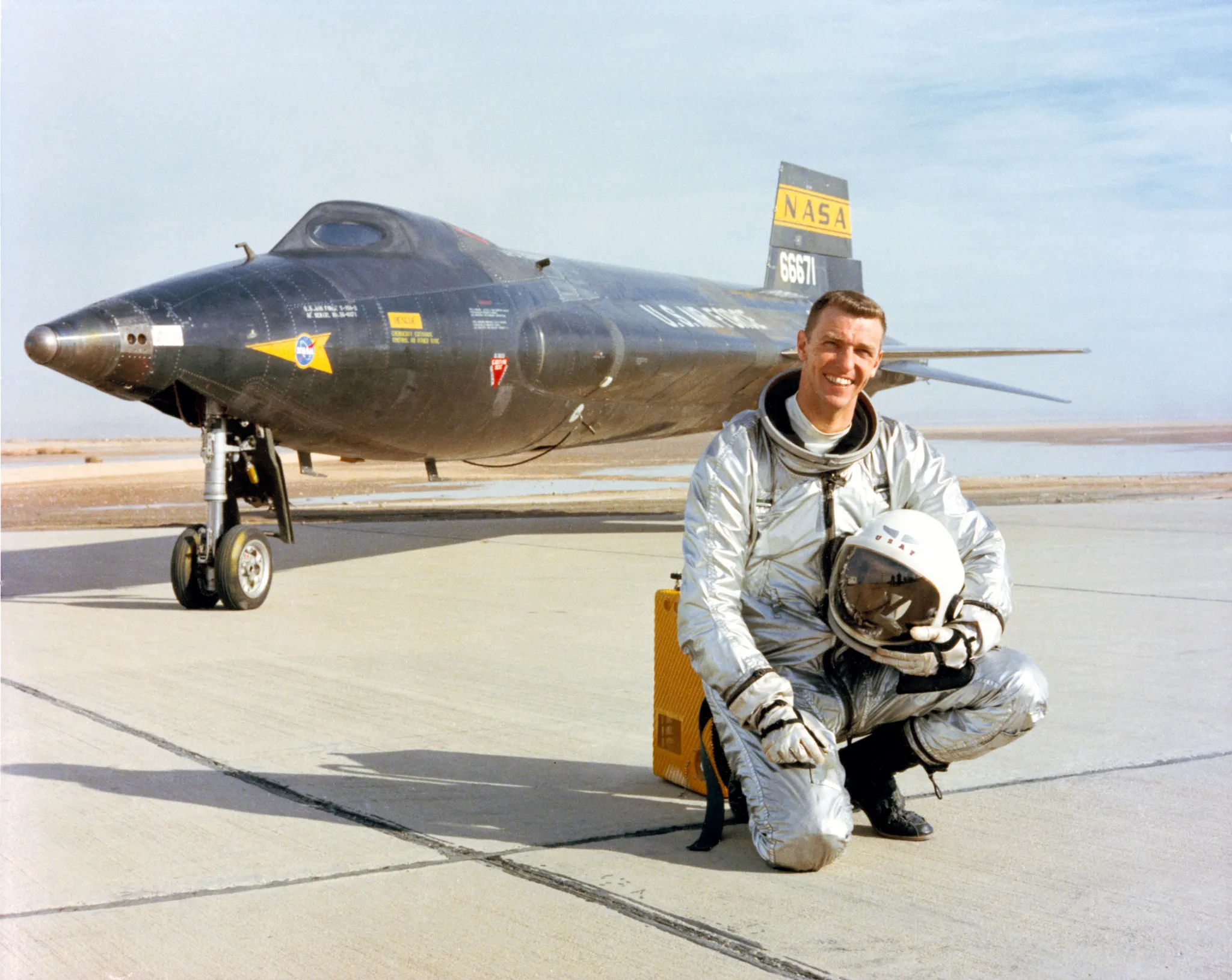
On 29 June 1965, a young Air Force test pilot rode a rocket-powered airplane to 280,600 feet above the California desert. He landed ten minutes later as the youngest person ever to earn astronaut wings.
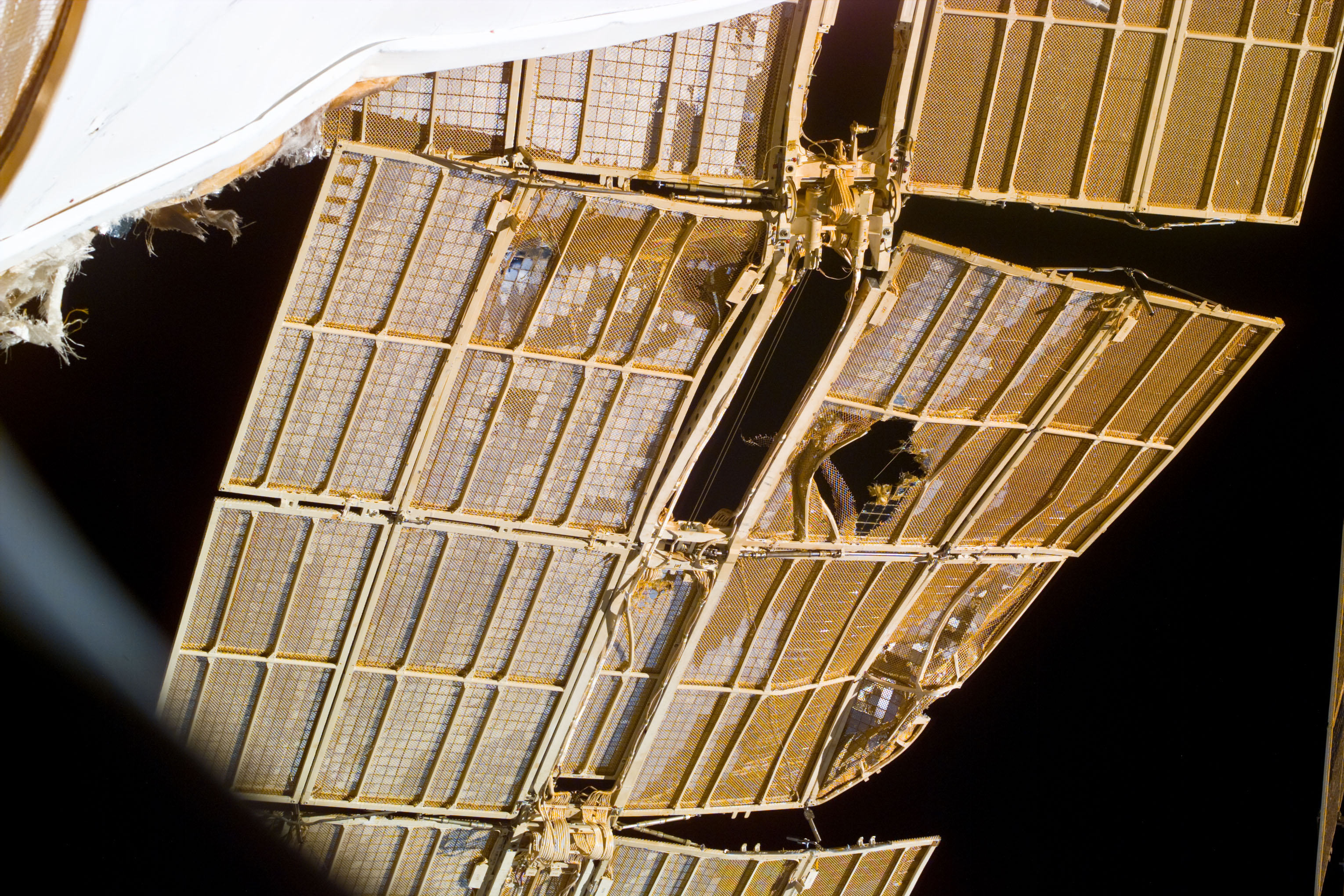
On 25 June 1997, a seven-ton cargo ship under hand control drifted into Mir's Spektr module, breached the hull, and left three crew members listening to their air hiss into space. It remains the worst collision in the history of human spaceflight.
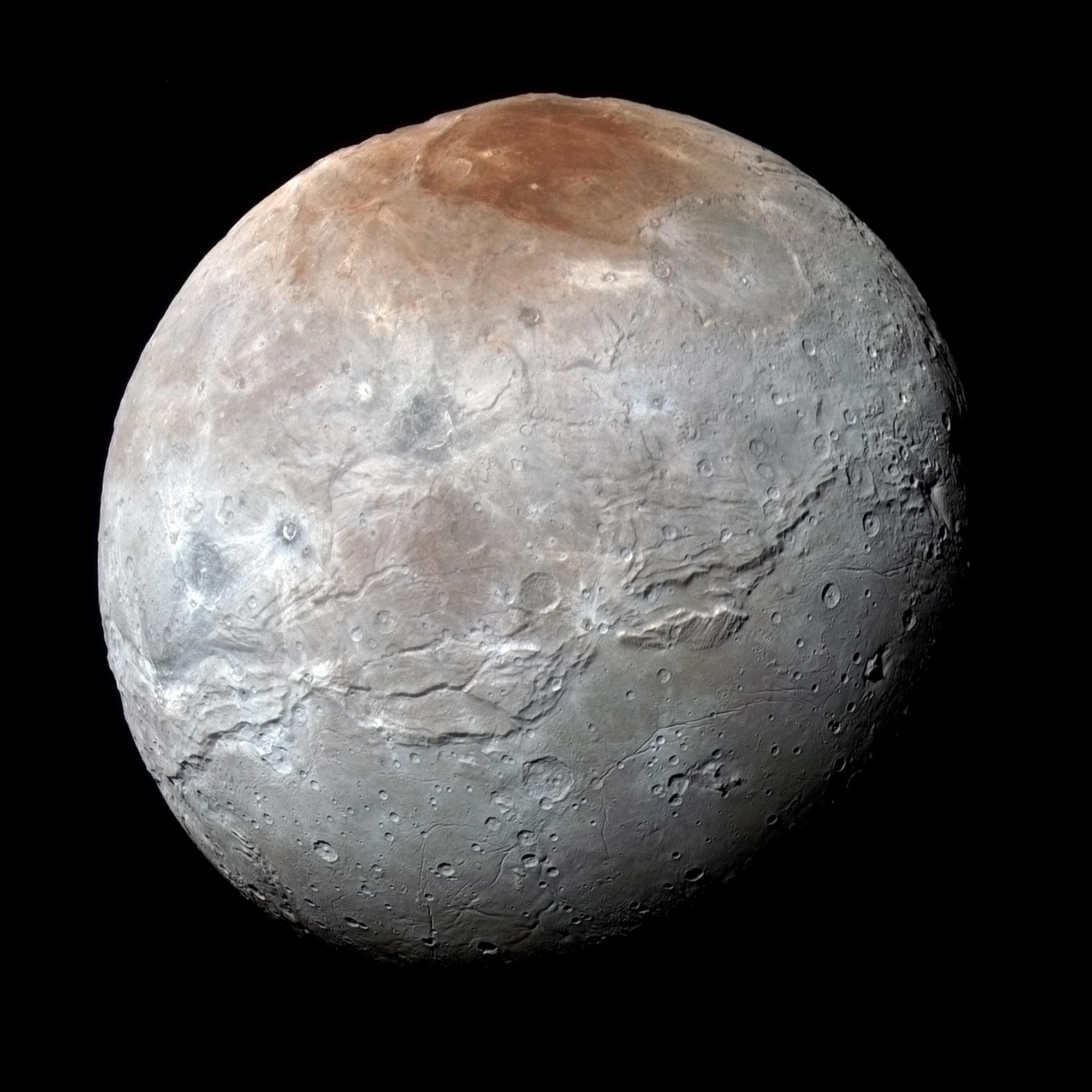
On 22 June 1978, an astronomer at the U.S. Naval Observatory looked at photographic plates that had been stamped 'image defective' and noticed a small bump on the side of Pluto. The bump was a moon, and finding it finally let astronomers weigh a planet that had fooled them for half a century.
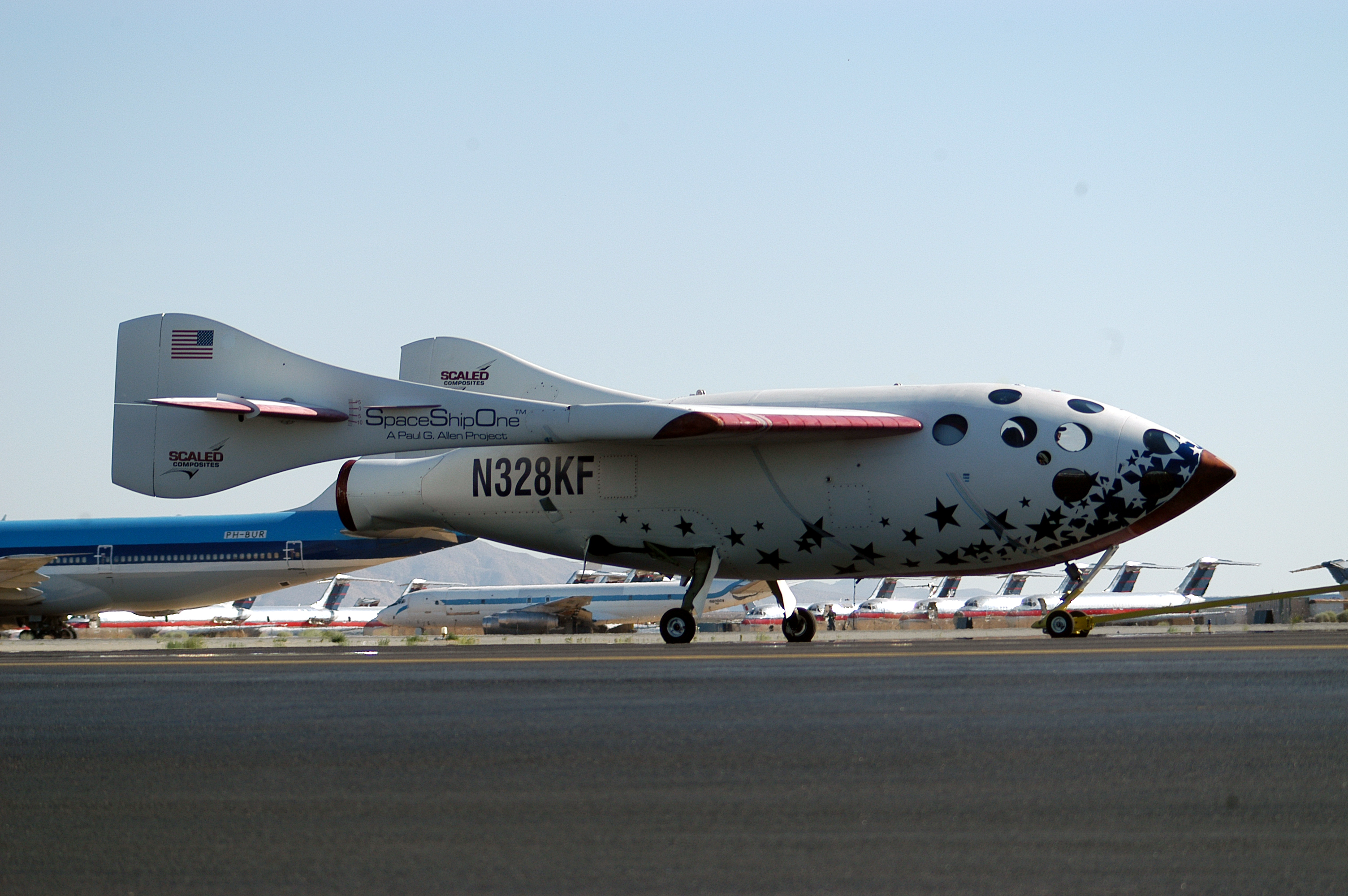
On 21 June 2004, a 63-year-old test pilot rode a homebuilt rocket plane to 100,124 meters above the Mojave Desert, clearing the edge of space by about the length of a city block. He came down the first private astronaut in history, holding a sign that read 'SpaceShipOne, GovernmentZero.'
Concise updates on launches, orbital events, and breaking space news
NASA's Juno spacecraft found Jupiter's moon Io running hotter inside than expected, with subsurface temperatures exceeding previous models during two recent flybys.
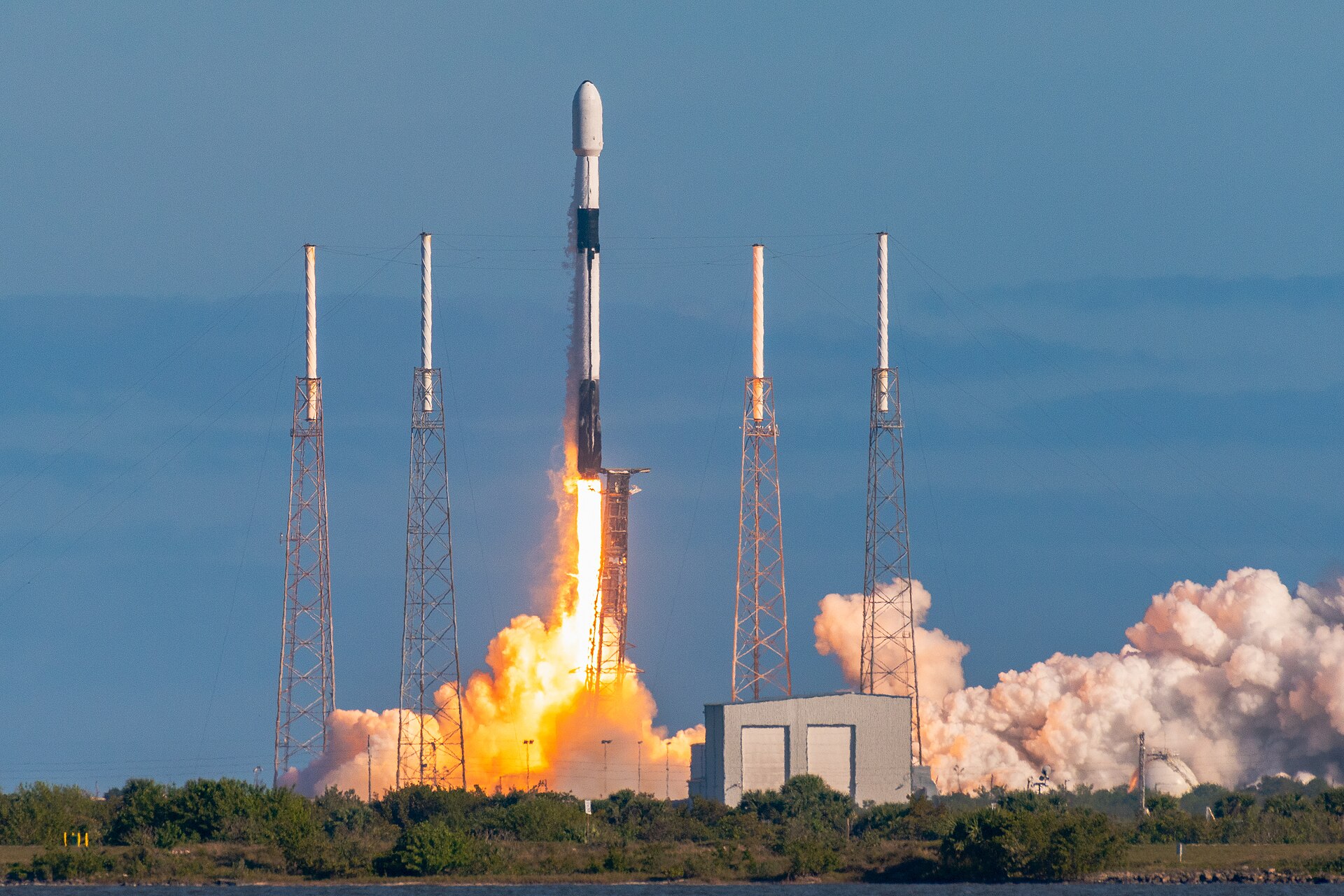
This week: Starship Flight 13 launched successfully, 6 orbital missions flew, and China's Shijian-31 satellite swept GEO.
Starship Flight 13 deployed first Starlink V3 satellites and nailed a soft splashdown, as SpaceX eyes a tower catch for Flight 14.
Starship Flight 13 successfully deployed functioning Starlink V3 satellites for the first time, with both stages executing controlled descents. The ship achieved its softest ocean splashdown yet.
SpaceX's Starship Flight 13 deployed first Starlink V3 satellites and achieved its softest splashdown yet from Starbase, Texas.
SpaceX's Starship Flight 13 successfully landed both stages July 24 and deployed the first operational Starlink V3 satellites, marking a major milestone for the vehicle's payload capability.
Dive deeper into space tracking with our comprehensive collection of tutorials, news, and technical deep-dives.