Latest Developments
SpaceX’s Starship Flight 13 delivered a landmark achievement on July 24, deploying operational next-generation Starlink V3 satellites for the first time while both stages executed clean landings, including what engineers called the “softest splashdown” yet for the upper stage in the Indian Ocean. The mission corrected issues from the previous flight and sets up an even bolder attempt: Elon Musk says SpaceX will try to catch Starship at the tower on Flight 14 if data review clears the way. With the constellation now standing at 12,620 launched, 10,881 in orbit, and 10,865 working, the successful V3 deployment marks a critical step toward next-gen satellite capacity. All eyes now turn to Starbase as SpaceX prepares for its most ambitious catch attempt since the booster-catching milestones of past flights.
Space Safety
The conjunction risk picture for Starlink currently shows one significant HIGH-risk event involving STARLINK-5262 and the MONOLITH payload, with a minimum approach distance of just 6 meters at time of closest approach on Jul 26, 2026 04:05 UTC and a collision probability approaching unity. Concurrent with this conjunction threat, four Starlink satellites are predicted to reenter Earth’s atmosphere between Jul 26-27, 2026, with decay windows ranging from 240 to 600 minutes, presenting a moderate but manageable operational timeline for conjunction avoidance assessment and potential maneuver planning.
| Risk | Starlink Sat | Other Object | Status | Min Range (km) | Rel Speed (km/s) | Max Prob | Time of Closest Approach |
|---|---|---|---|---|---|---|---|
| HIGH | STARLINK-5262 | MONOLITH | Operational | 0.006 | 5.794 | 1.0 | Jul 26, 04:05 UTC |
| HIGH | STARLINK-5262 | MONOLITH | Operational | 0.006 | 5.794 | 1.0 | Jul 26, 04:05 UTC |
| Satellite | NORAD ID | Predicted Decay | Window (min) | Inclination | Lat | Lon |
|---|---|---|---|---|---|---|
| STARLINK-1967 | 47568 | Jul 26, 14:52 UTC | 240 | 53° | 29.3° | 15.7° |
| STARLINK-2113 | 47392 | Jul 27, 05:20 UTC | 420 | 53° | 27.8° | 36.9° |
| STARLINK-1719 | 46331 | Jul 27, 20:42 UTC | 540 | 53° | 27.0° | 126.0° |
| STARLINK-1633 | 46171 | Jul 27, 22:17 UTC | 600 | 53° | 26.6° | 154.7° |
Detailed Coverage
Starship’s 13th Flight Nails Historic Firsts
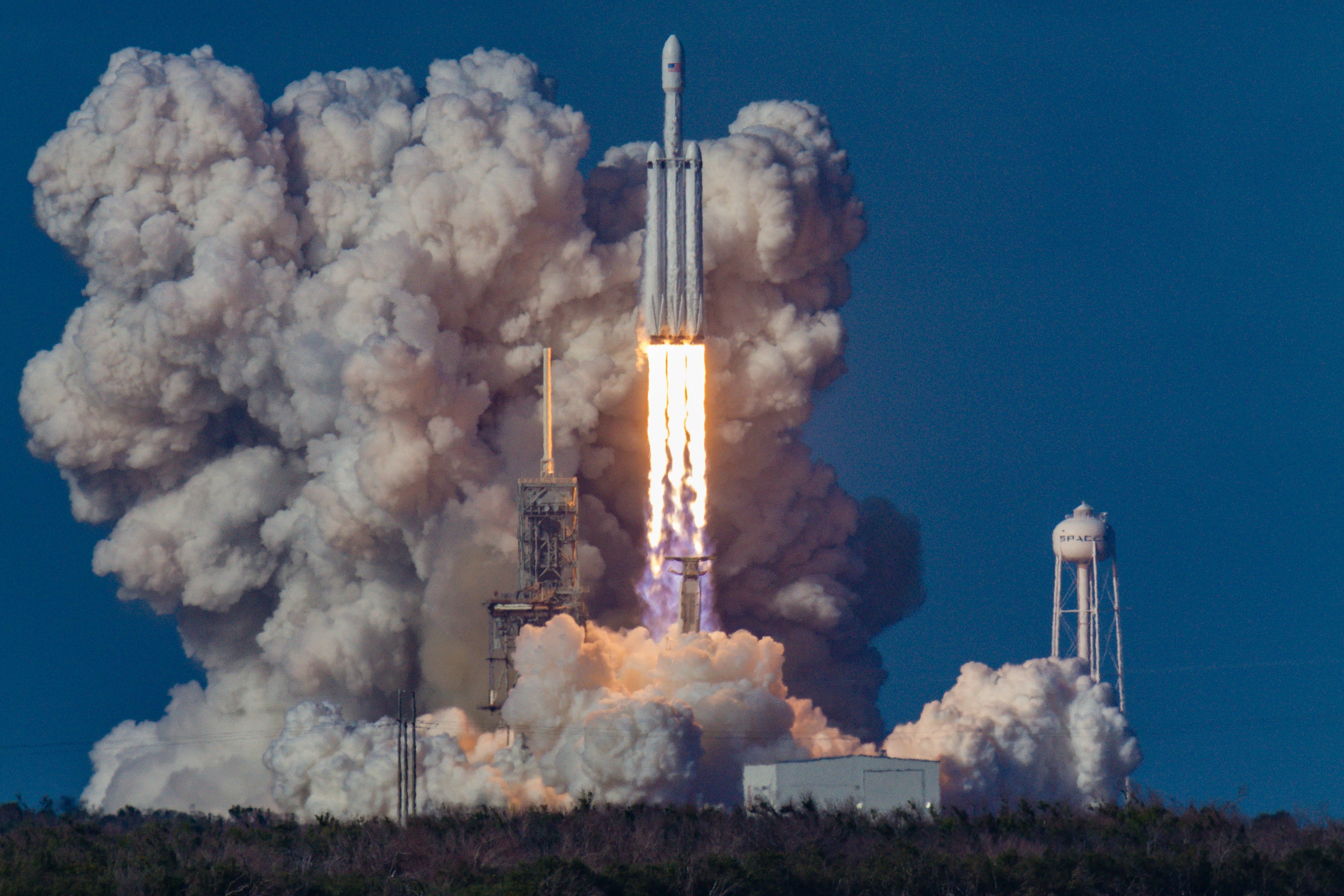
SpaceX’s Starship flew successfully Friday evening, lifting off from Starbase at 5:51 p.m. CT with all 33 Raptor engines firing on the Super Heavy booster, generating roughly 16 million pounds of thrust. The mission’s headline achievement was the first-ever deployment of functioning Starlink V3 satellites from Starship’s payload bay, a capability central to SpaceX’s plans for dramatically expanding network capacity. Both stages returned intact, with the upper stage completing what observers described as its softest ocean splashdown to date.
Read the full story: Space.com
Musk Sets Sights on Tower Catch for Flight 14
Hours after Flight 13’s splashdown, Elon Musk announced SpaceX intends to attempt catching Starship itself with the launch tower’s mechanical arms on the next flight, pending review of mission data for any anomalies. A successful catch of the upper stage would mirror the booster-catching feats already demonstrated with Super Heavy, marking a major leap toward full rapid reusability for the world’s most powerful rocket.
Read the full story: Teslarati
Flight 13 Fixes Prior Flight’s Snags
According to SpaceNews, SpaceX’s 13th suborbital test flight addressed problems identified during the previous Starship mission while successfully deploying working satellites for the first time. The correction of earlier issues, combined with the clean satellite deployment, signals SpaceX is closing in on operational reliability for Starship’s Starlink delivery role, a key prerequisite for scaling the V3 satellite rollout.
Read the full story: SpaceNews
“Mostly Successful” Test Puts on a Show for Texas Residents
Spaceflight Now characterized the flight as “mostly successful,” noting the spectacle the 407-foot rocket created for area residents and tourists as it climbed away from the Starbase pad. The methane-fueled Raptor engines performed as expected through ascent, with the mission’s satellite deployment and dual-stage recovery representing significant technical validation despite some lingering imperfections under review.
Read the full story: Spaceflight Now
Ars Technica: Next Flight Could Bring Tower Catch Milestone
Ars Technica reports SpaceX is now actively preparing for a tower catch attempt on the next Starship flight, following the “auspicious” end to Flight 13. The publication notes this would represent the most technically demanding recovery maneuver SpaceX has attempted with the vehicle, building on the confidence gained from Flight 13’s successful satellite deployment and clean splashdown.
Read the full story: Ars Technica
Lucky Number 13 Breaks the Pattern
Cosmic Log detailed how Flight 13 broke from recent troubles, with the two-stage rocket deploying operational next-gen Starlink satellites while addressing snags from the prior test. The mission’s success after a string of more turbulent flights underscores SpaceX’s iterative testing philosophy, using each launch to refine hardware and software ahead of eventual crewed and cargo missions to the Moon and Mars.
Read the full story: Cosmic Log
Constellation Status
There have been no changes to the Starlink constellation since the last check. The constellation continues to consist of 12,620 total launched satellites, with 10,881 currently in orbit, 10,865 in working condition, and 1,739 that have decayed.
- Total Launched: 12620
- Total On Orbit: 10881
- Total Working: 10865
Track Starlink satellites in real-time: Track Starlink
Wondering about the totals? See how many Starlink satellites are in orbit, updated daily.