

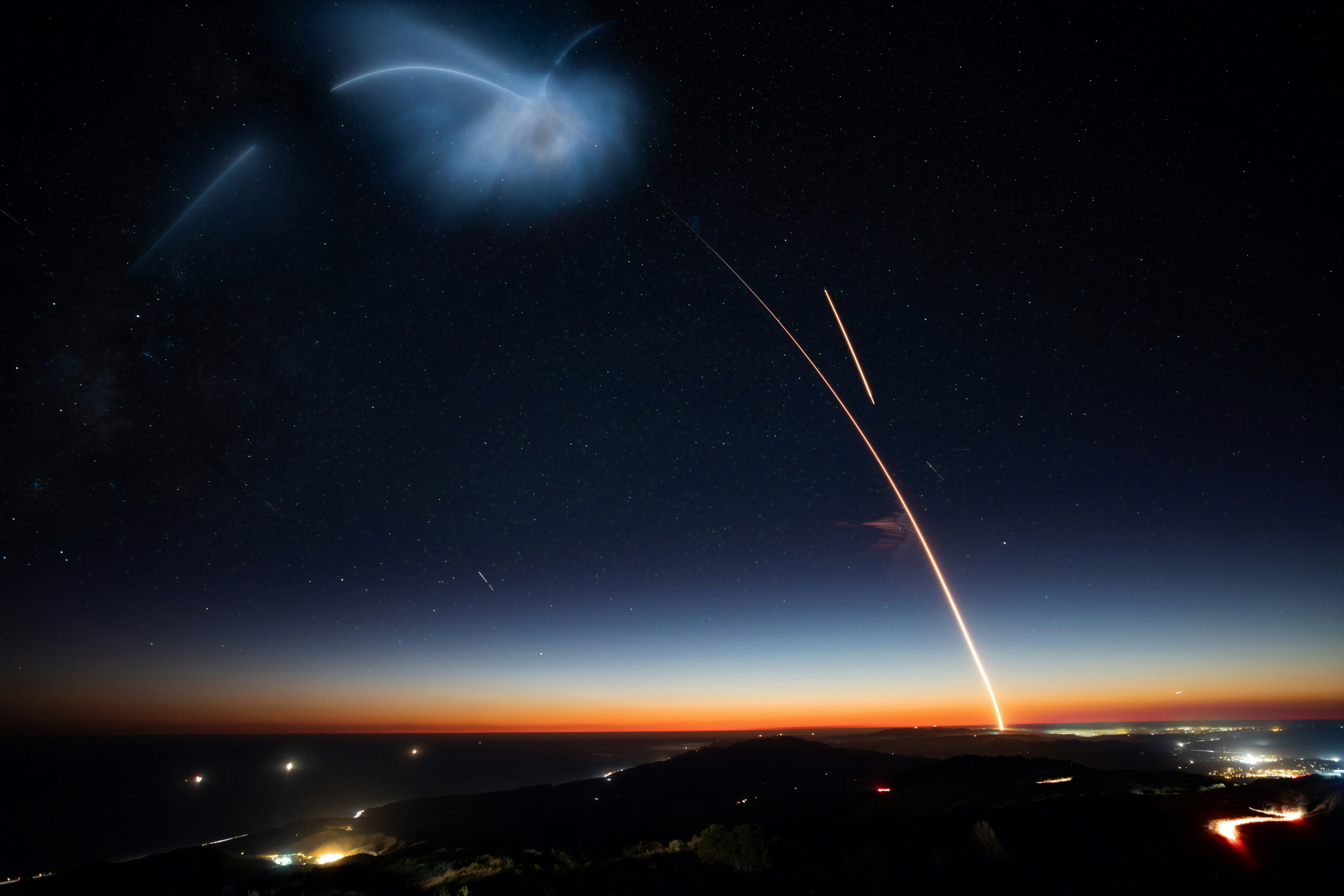
Starship Flight 12 Targets Mid-May Launch, X Report 2 May 2026
Starship Flight 12 status for May 2026: SpaceX targets mid-May with a revised trajectory, while Starlink 10-38 lofts 29 satellites from Cape Canaveral.


Launch Date
May 29, 1971
Launch Site
PLMSC
Launch Pad
LC132/1
Launch Vehicle
Kosmos 11K65M
NORAD ID
05254
International Designator
1971-050B
Decay Date
11/28/1979
Name
SL-8 R/B
Alternative Name
Kosmos-3M No. 30LM Stage 2
Type
Status
Owner
RVSN
Country
USSR
Constellation
N/A
Related Satellites
Major Events
N/A
Length
4.2
Diameter
2.4
Span
4.2
Dry Mass
1434
Launch Mass
1434
Shape
Cyl
Radar Cross Section
11.447
Visual Magnitude
Unknown
Color
Unknown
Material Composition
Unknown
Payload
S3M
Purpose
Unknown
Mission
Unknown
Manufacturer
OAZ
Life Expectancy
Unknown
Bus
S3
Configuration
Unknown
Motor
Unknown
Equipment
Unknown
Power System
Unknown
ADCS
Unknown
Transmitter Frequency
Unknown
Learn more about satellites and other related topics.
Starship Flight 12 status for May 2026: SpaceX targets mid-May with a revised trajectory, while Starlink 10-38 lofts 29 satellites from Cape Canaveral.
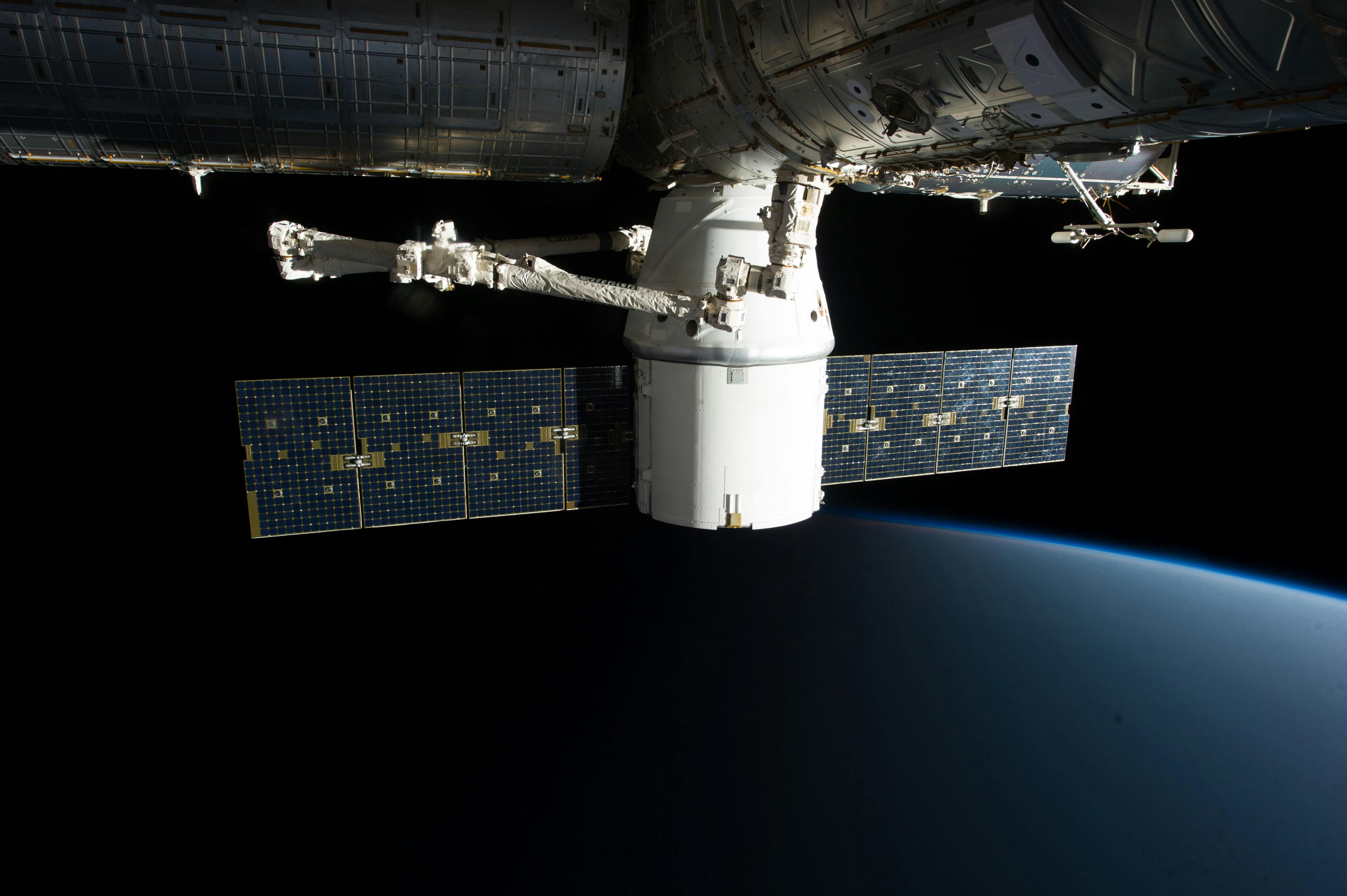
SpaceX successfully launched 26 Starlink satellites from California, preparing for upcoming crewed missions to the ISS.

Army launches space career field seeking 1,000 new specialists. HASC chair Rogers eyes $1.5T defense budget. Army and Marines share fire mission data via JADC2.

SpaceX gears up for a series of launches, including Starlink deployments, lunar missions, and updates on the Starship program.
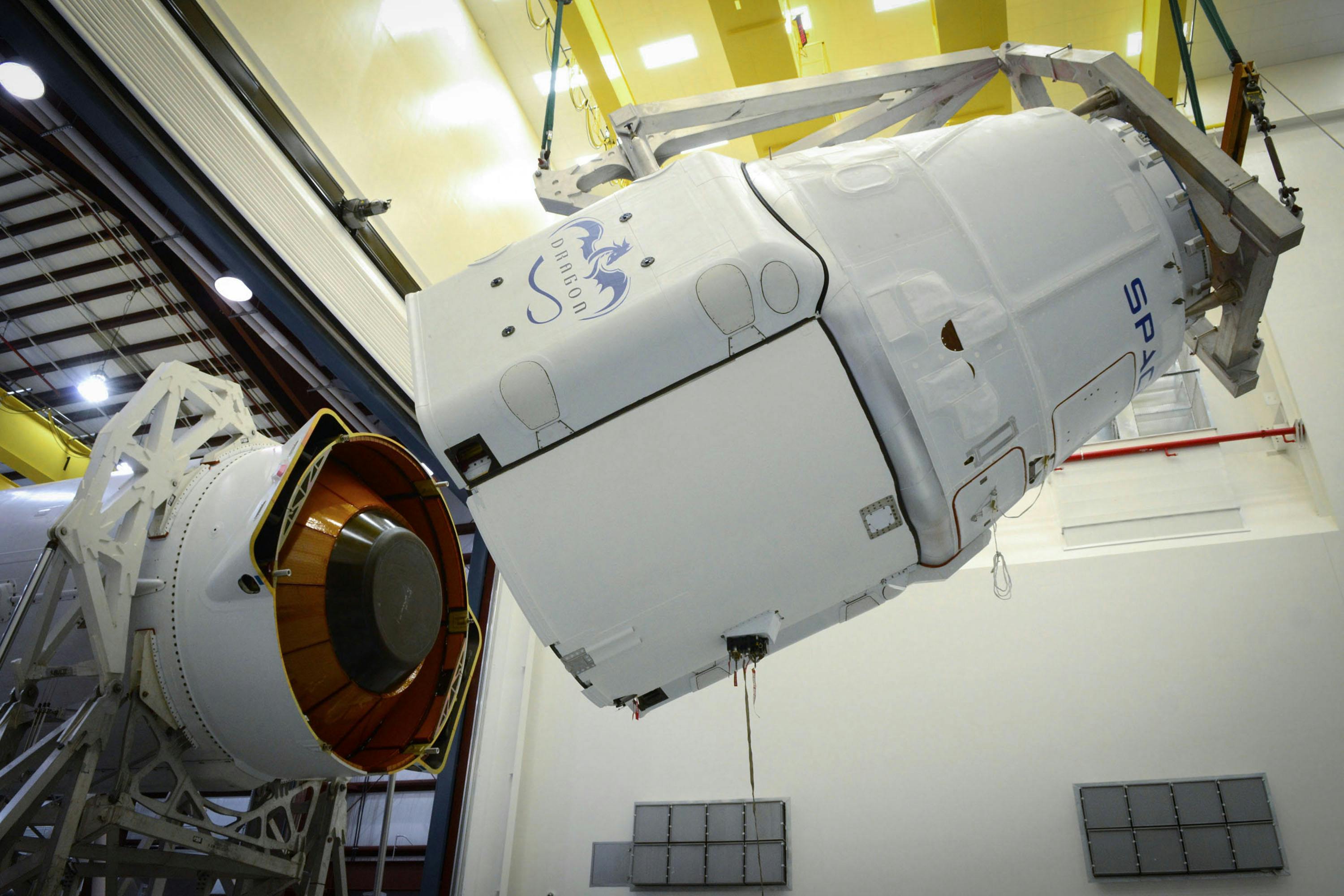
SpaceX successfully launched the Transporter-15 rideshare mission, deploying 140 payloads including significant international contributions. Meanwhile, the company progresses with Booster 19 stacking after the recent Booster 18 anomaly.
The U.S. Federal Communications Commission reaffirms its decision to deny SpaceX's Starlink unit $885.5 million in rural broadband subsidies, impacting the company's plans for expanding internet access.

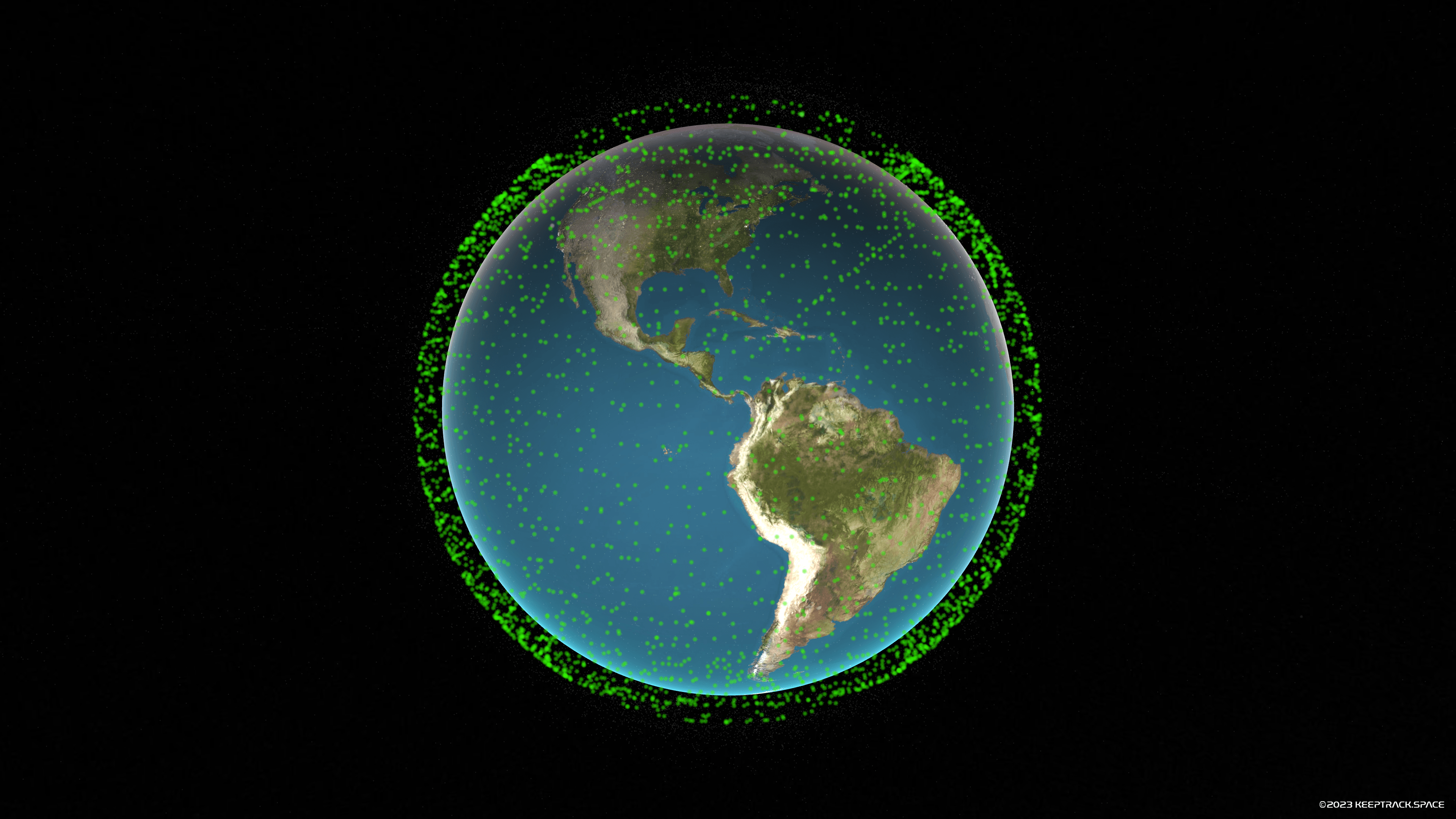
Current number of Starlink satellites in orbit April 2026: 10,168 working of 10,177 tracked, 11,724 launched. Fleet health tops 99.9%.
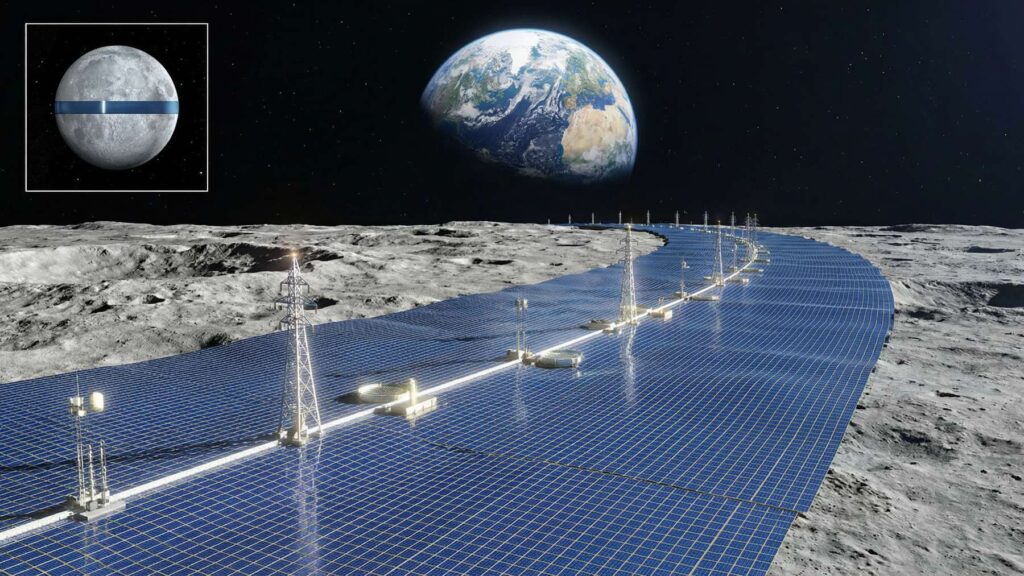
A 220-year-old Japanese construction company wants to build an 11,000-kilometer belt of solar cells around the lunar equator and beam the power back to Earth. The physics checks out. Everything else is another story.