


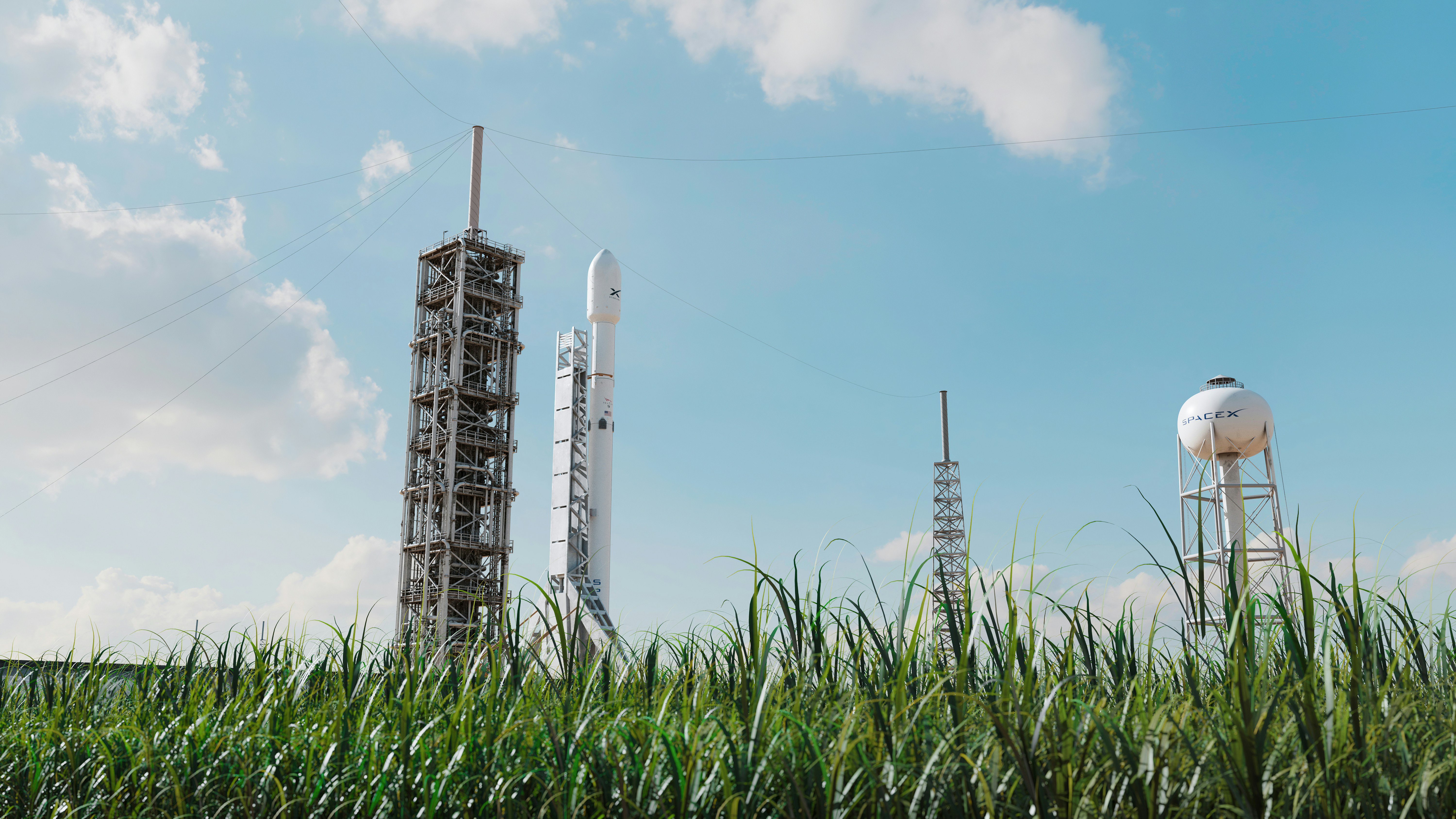
Starlink Mobile US Plan, Ship 40 Static Fire, X Report 27 Jun 2026
Starlink mobile service is planned for the US as SpaceX fires Ship 40's single Raptor in a prelaunch test, with 10,689 Starlink satellites working.


NORAD ID
58810
International Designator
2023-185T
Epoch
Sun, 19 Jul 2026 19:23:01 GMT
Apogee
Calculating...
Perigee
Calculating...
Inclination
97.52°
Right Ascension
267.80°
Eccentricity
Calculating...
Argument of Perigee
186.52°
Period
95.21 min
Mean Motion
15.12 rev/day
Latitude
Calculating...
Longitude
Calculating...
Altitude
Calculating...
Velocity
Calculating...
Name
NANOFF A
Alternative Name
NanoFF A
Type
Status
Owner
TUB
Country
Germany
Constellation
N/A
Related Satellites
Major Events
N/A
1 58810U 23185T 26200.80765931 .00001613 00000+0 96392-4 0 9993
2 58810 97.5246 267.7961 0009911 186.5236 173.5868 15.12472101137975
Source: Celestrak
Length
0.2
Diameter
0.1
Span
0.2
Dry Mass
2.7
Launch Mass
2.7
Shape
Box
Radar Cross Section
Unknown
Visual Magnitude
Unknown
Color
Unknown
Material Composition
Unknown
Payload
NanoFF 1
Purpose
Unknown
Mission
Unknown
Manufacturer
TUB
Life Expectancy
Unknown
Bus
Cubesat 2U
Configuration
CubeSat (2U)
Motor
Resistojet thrusters
Equipment
4 channel camera
Power System
Solar cells, batteries
ADCS
Unknown
Transmitter Frequency
Unknown
Learn more about satellites and other related topics.
Starlink mobile service is planned for the US as SpaceX fires Ship 40's single Raptor in a prelaunch test, with 10,689 Starlink satellites working.
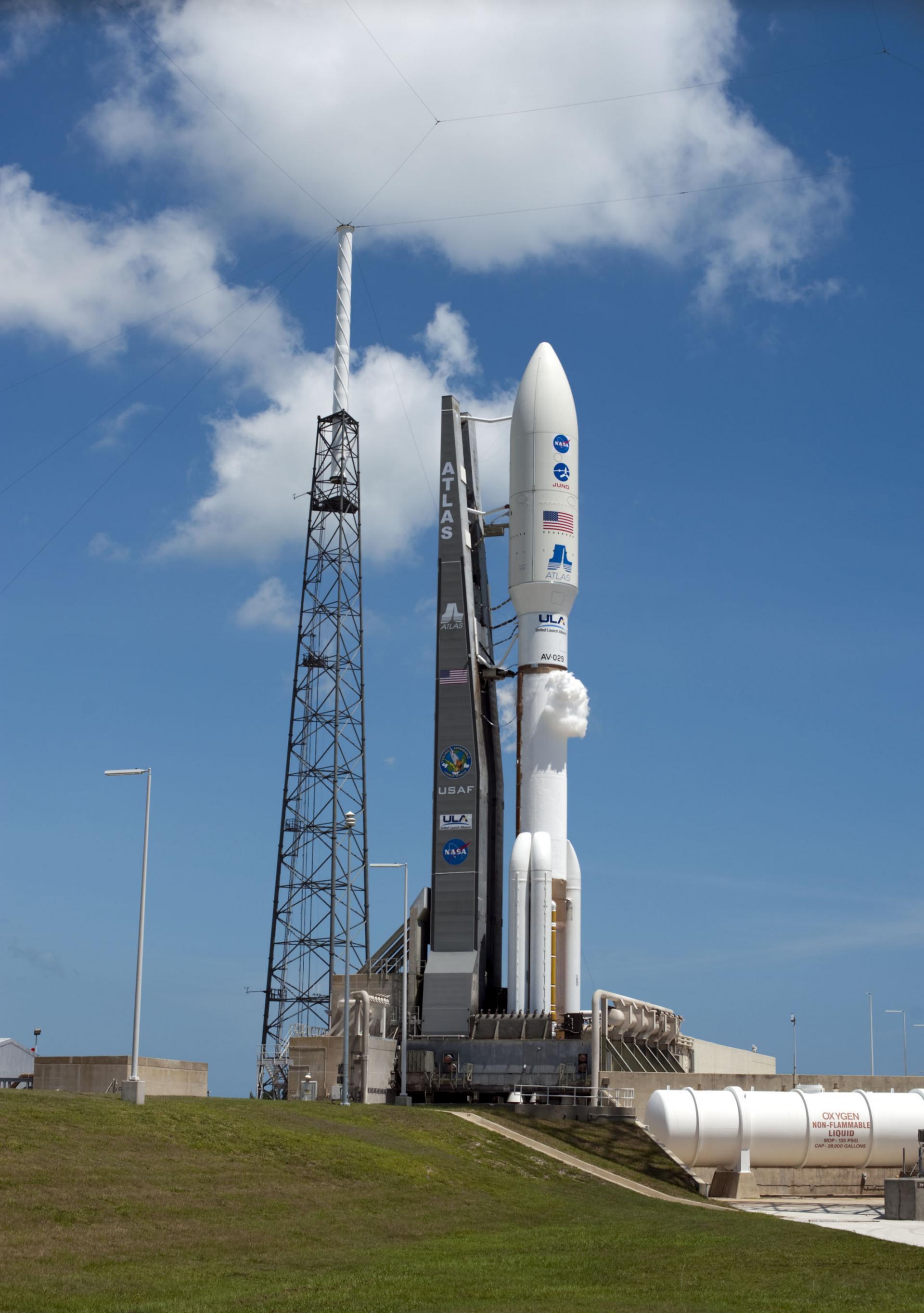
Today's briefing covers space-based missile defense, AI maritime surveillance, and new governmental shifts impacting the defense sector.
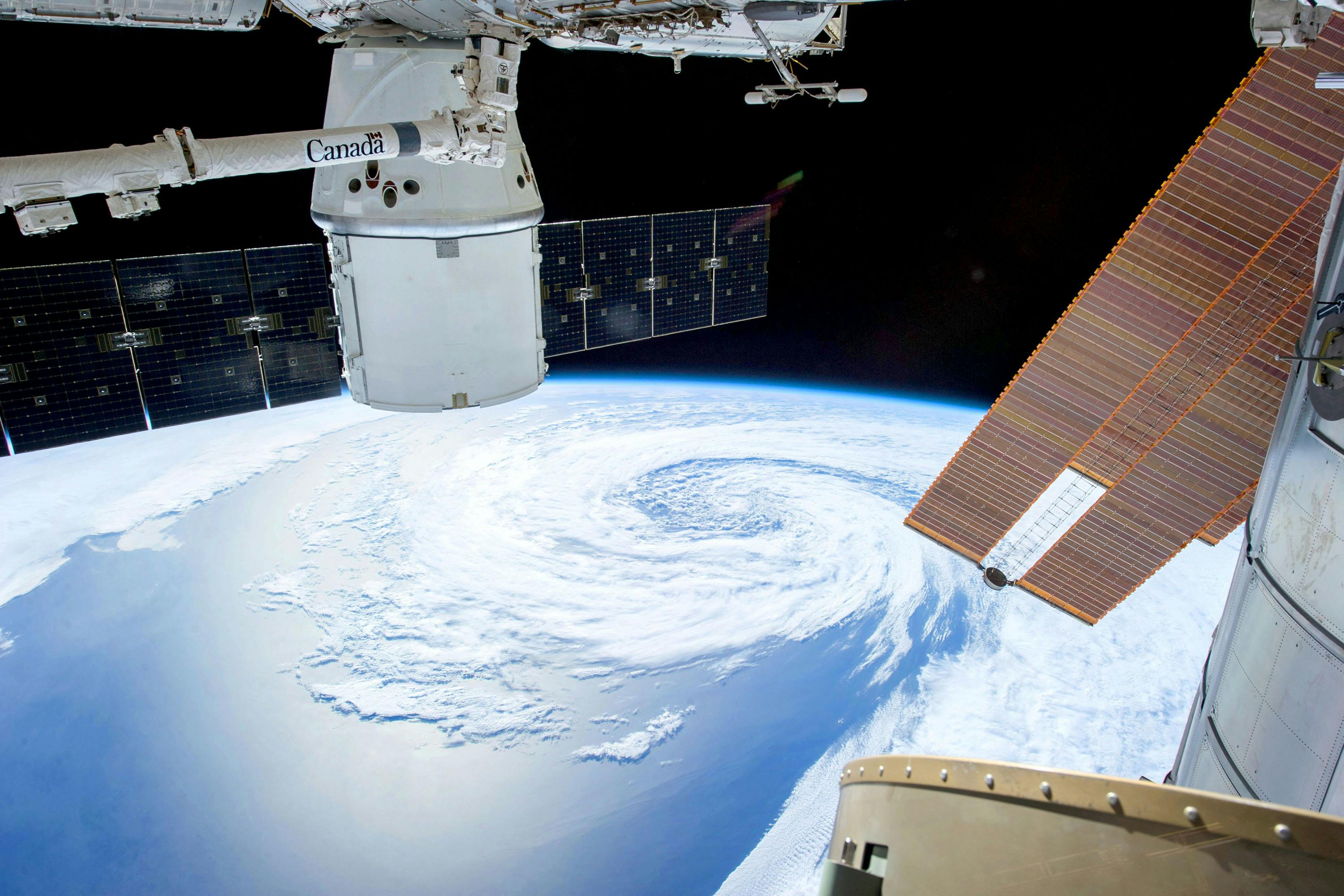
SpaceX successfully launched 28 Starlink satellites from Florida, marking another milestone for their ongoing deployment efforts.
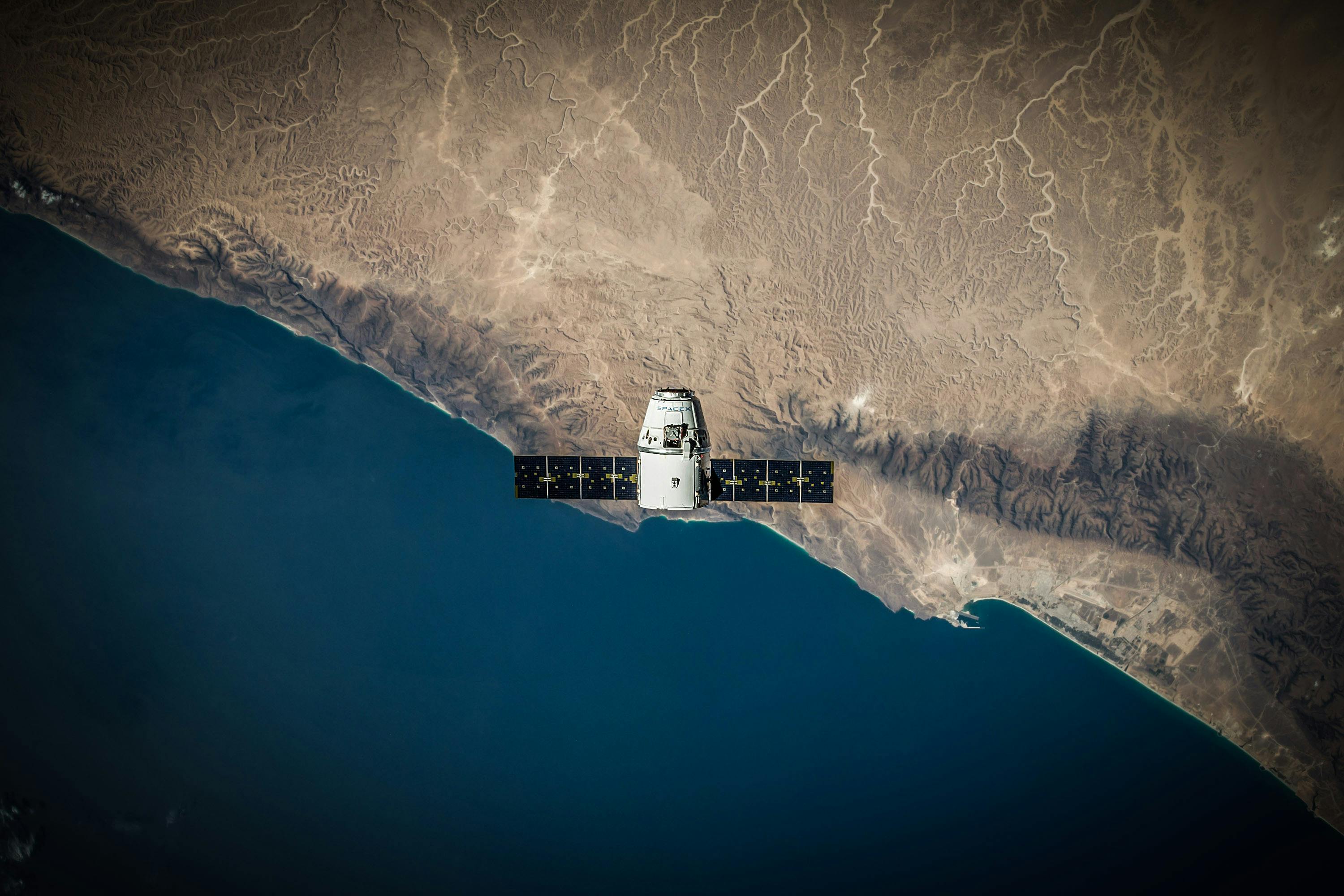
DIU explores SpaceX Starship's in-space refueling; Investors advise startups against competing or emulating SpaceX.
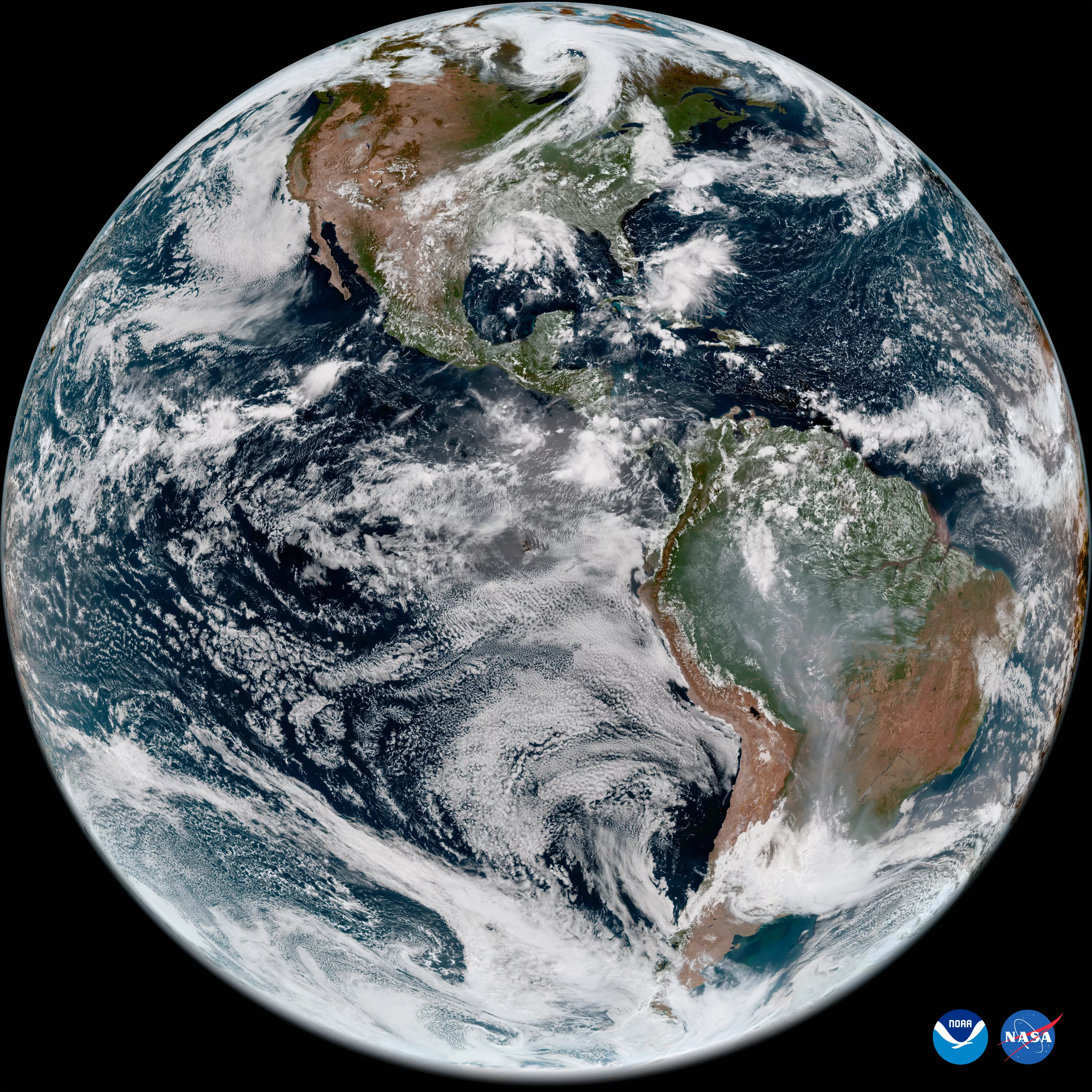
The final satellite in a multi-billion-dollar program that learned its hardest lesson from a clogged pipe. GOES-19 is now NOAA's eyes on every Atlantic hurricane - and it's already found dozens of comets no one was looking for.
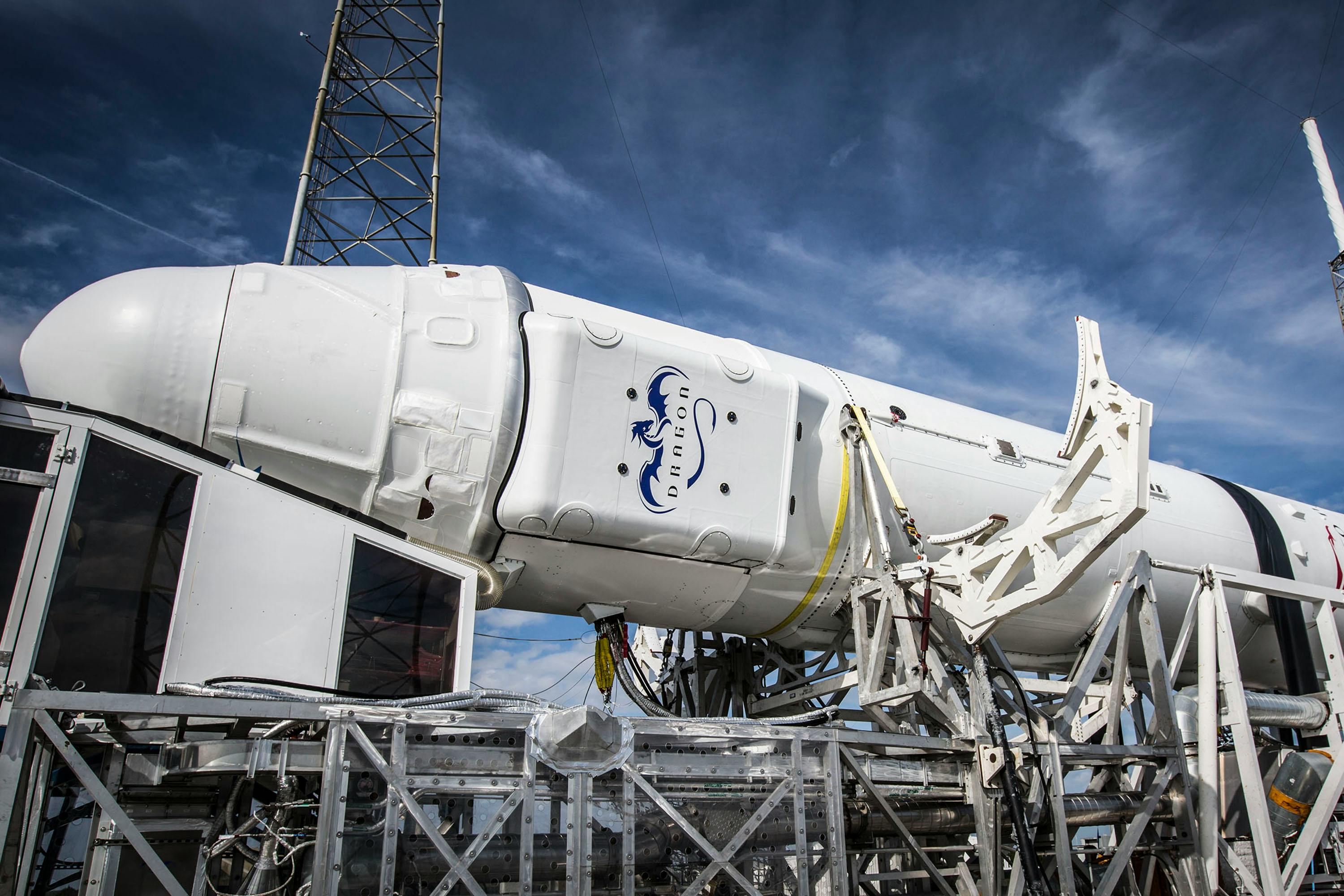
SpaceX successfully launches GPS satellite for Space Force — third consecutive GPS mission switched from ULA. EBAD demonstrates payload release module on Falcon 9 rideshare mission.
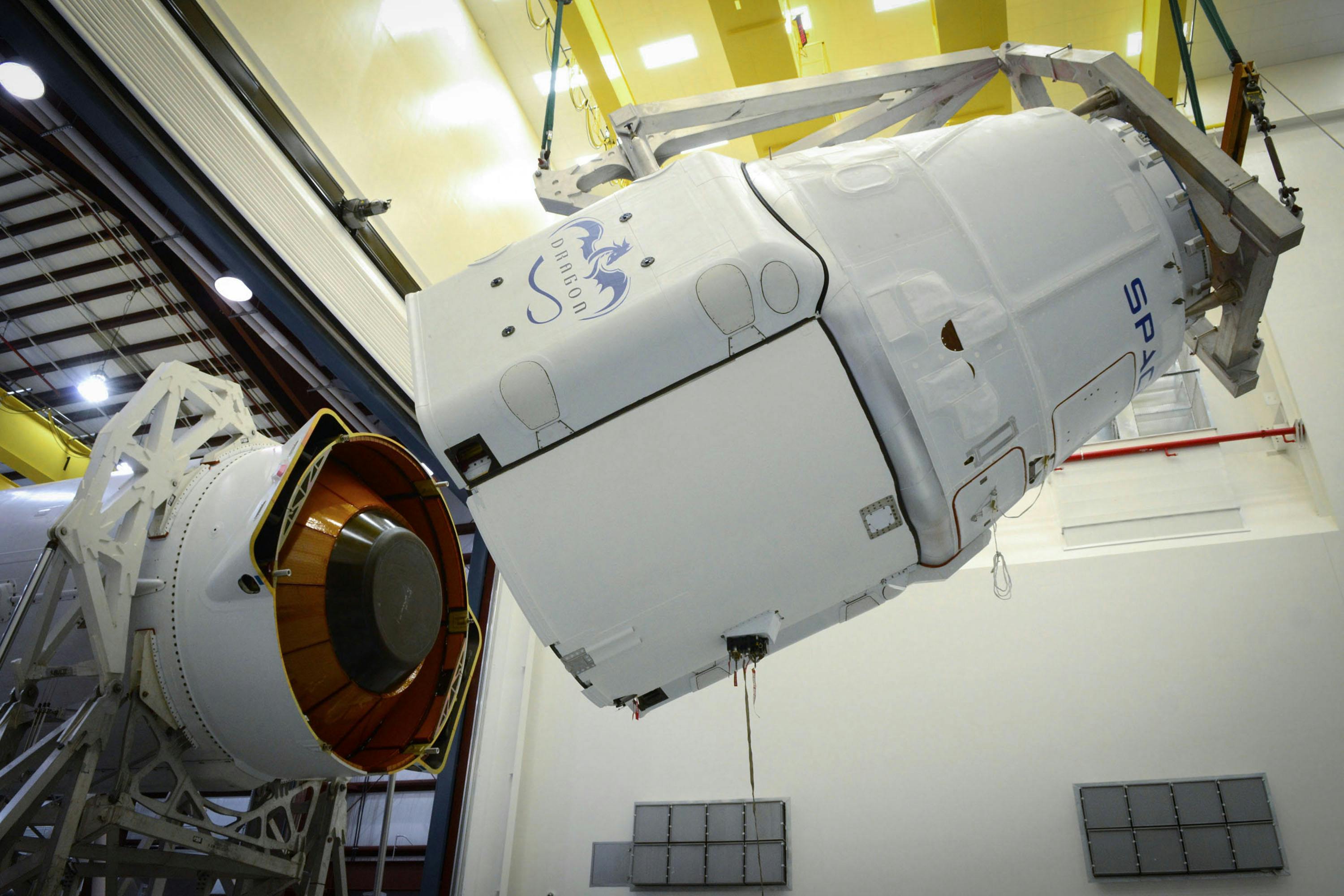
ESA is purchasing a dedicated SpaceX Crew Dragon flight to send 4 European astronauts to the ISS ahead of the station's planned retirement.

On May 4, 1989, Space Shuttle Atlantis lifted off from LC-39B carrying Magellan, NASA's first interplanetary mission since 1978. The eleven-year drought ended in a payload bay, and the radar that emerged would map ninety-eight percent of Venus through clouds that no camera could ever see through.