FLOCK 4Y-36 (55078)

COSPAR: 2023-001BX | Alt Name: Flock 4y-36
DECAYED

Image
FLOCK 4Y-36 Satellite Image
Additional Sources
Launch Details

Launch Date

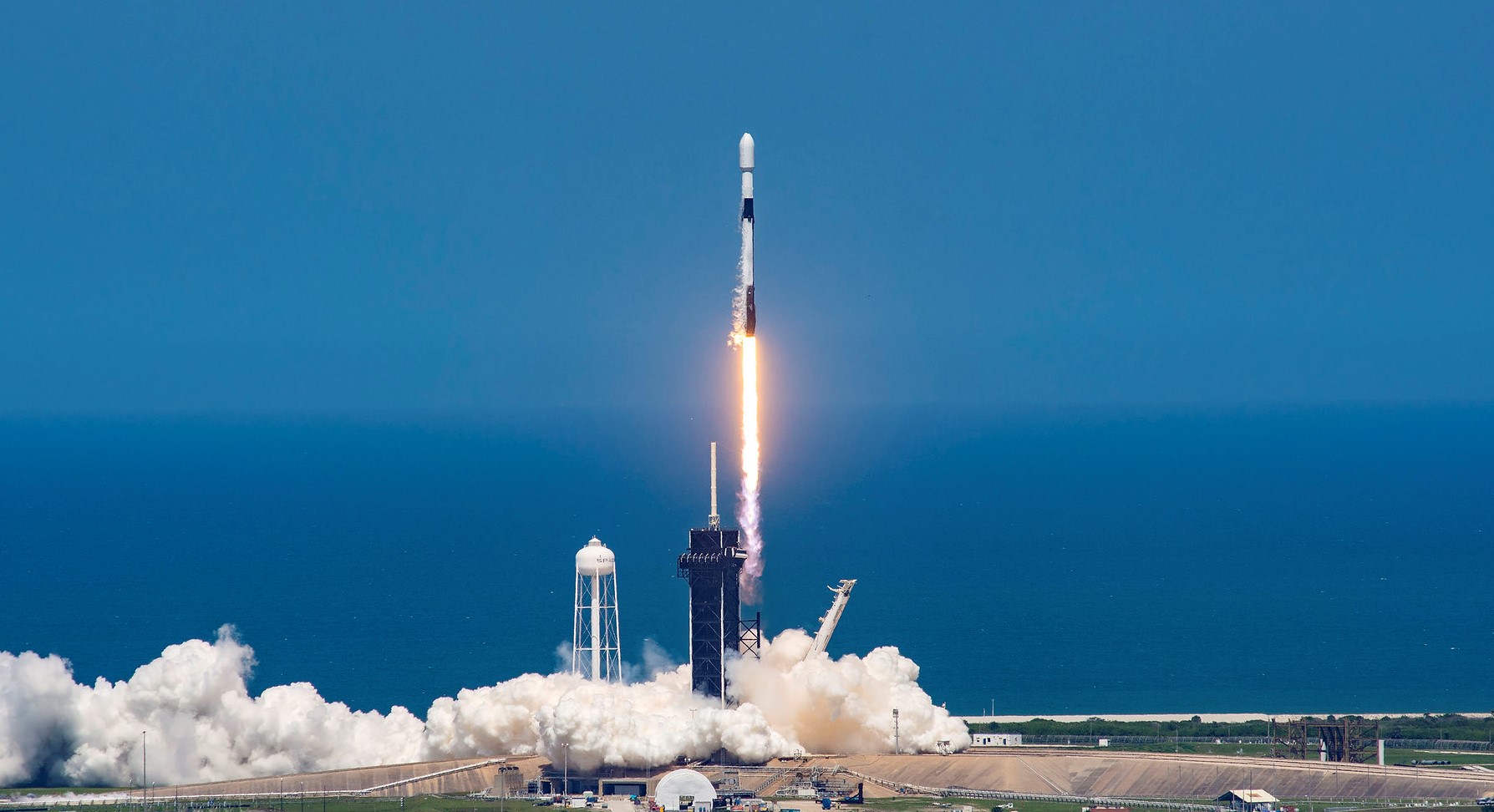
January 3, 2023

Launch Pad

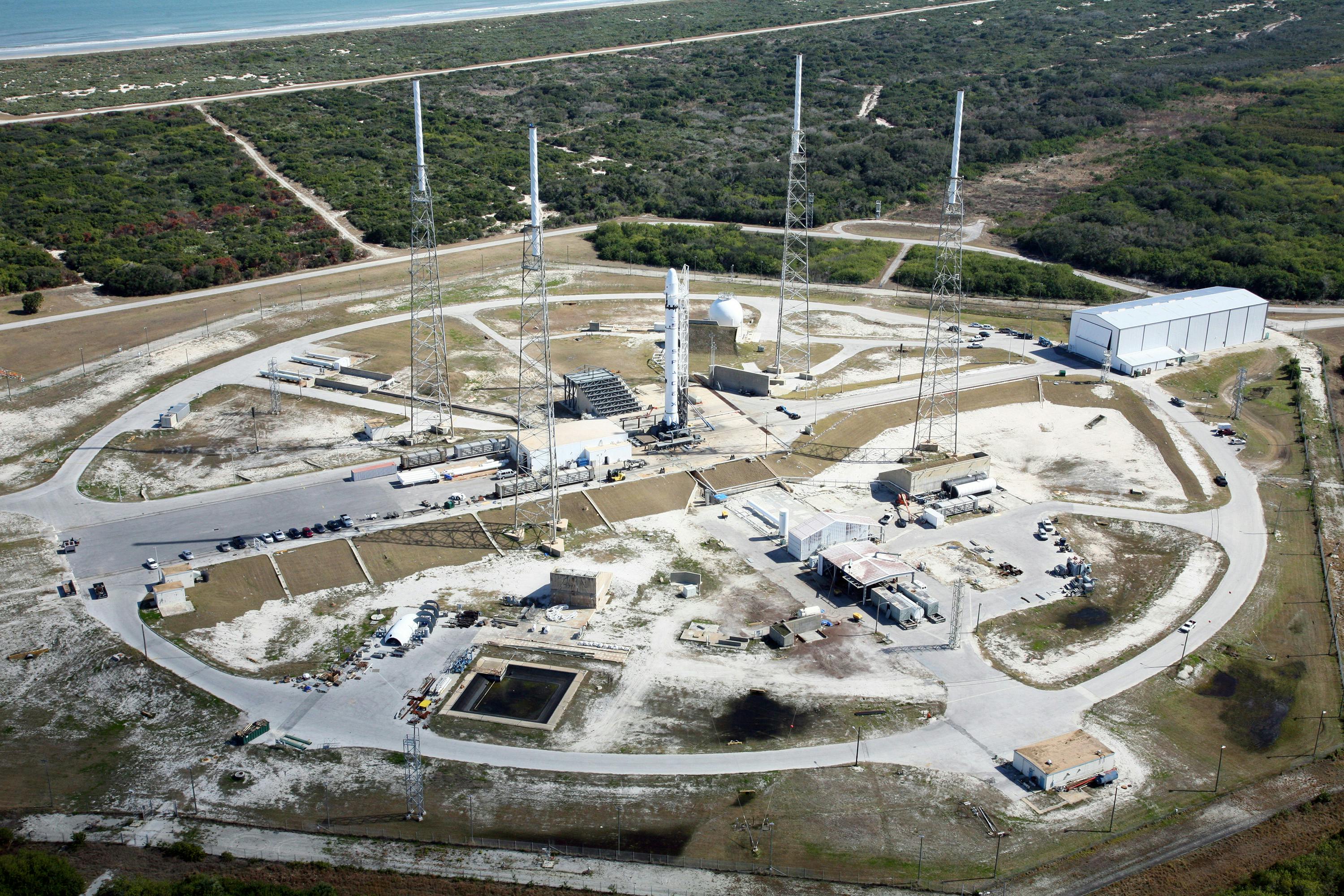
LC40

Launch Vehicle

Falcon 9

Orbital Elements

NORAD ID

55078

International Designator

2023-001BX

Decay Date

6/28/2025

Basic Satellite Info

Name

FLOCK 4Y-36

Alternative Name

Flock 4y-36

Type

Payload

Status

Decayed

Owner

PLAN

Country

United States

Constellation

N/A

Related Satellites

Major Events

N/A

Summary
The FLOCK 4Y-36 satellite, also known as Flock 4y-36, is a CubeSat (3U) built by PLAN and launched on January 3, 2023, from the Cape Canaveral Space Force Station, Launch Complex 40, aboard a Falcon 9 rocket. It has dimensions of 0.3 meters in length and diameter, with a span also measuring 0.3 meters, and has a dry mass of 5.7 kilograms, which is identical to its launch mass. The satellite's mission focuses on technology purposes and it carries the Dove 24d0 imaging payload, designated as either PS0, PS1 or PS2. It is equipped with solar cells and batteries for power generation. FLOCK 4Y-36 is expected to operate for approximately one year in an ISS orbit and between two to three years in a Sun-Synchronous Orbit (SSO). The satellite's shape consists of a box with two panels, and it was launched as part of the US's space endeavors.
Physical Characteristics

Length

0.3

Diameter

0.1

Span

0.3

Dry Mass

5.7

Launch Mass

5.7

Shape

Box+2 pan

Radar Cross Section

Unknown

Visual Magnitude

Unknown

Color

Unknown

Material Composition

Unknown

Technical Details

Payload

Dove 24d0

Purpose

Technology

Mission

Technology

Manufacturer

PLAN

Life Expectancy

~ 1 year (ISS orbit); 2-3 years (SSO)

Bus

Cubesat 3U

Configuration

CubeSat (3U)

Motor

None (most); FEEP (#Flock-3p')

Equipment

PS0, PS1 or PS2 imaging payload

Power System

Solar cells, batteries

ADCS

Unknown

Transmitter Frequency

Unknown

Satellite Articles

View All Posts »

Learn more about satellites and other related topics.

SpaceX to Launch GPS Satellite After Mission Reassigned From ULA | KeepTrack X Report

SpaceX to Launch GPS Satellite After Mission Reassigned From ULA | KeepTrack X Report

SpaceX set to launch GPS 3-9 for Space Force after strategic switch from ULA's Vulcan to Falcon 9. 25 Starlink satellites deployed to polar orbit. Musk explains SpaceX exponential growth trajectory.

Van Allen Probe A Reenters After 14 Years; NASA Designates Starliner Type A Mishap | KeepTrack Space Brief

Van Allen Probe A Reenters After 14 Years; NASA Designates Starliner Type A Mishap | KeepTrack Space Brief

NASA's 590 kg Van Allen Probe A reentered March 10 after 14 years studying Earth's radiation belts. Meanwhile, Boeing Starliner classified as Type A mishap after leaving astronauts stranded on ISS.

X Report 29 Nov 2024

X Report 29 Nov 2024

SpaceX advances Starship development while planning future replacements for Falcon and Dragon.

The Space Station Space Race

The Space Station Space Race

As the International Space Station nears retirement, private companies are stepping up to fill the void with their own space stations. Discover the key players and the potential impact on space exploration.

Space Brief 28 Mar 2025

Space Brief 28 Mar 2025

Today's updates focus on significant developments in U.S. national security space launches, Army space training, potential shifts in satellite procurement strategies, and the Meteor 2-21 satellite.

X Report 9 Nov 2025

X Report 9 Nov 2025

SpaceX successfully launched 29 new Starlink satellites today, further expanding its satellite internet constellation amidst growing competition in the space broadband market.

Space Brief 6 Aug 2025

Space Brief 6 Aug 2025

Highlights of today's Space Brief include advancements in missile defense systems, a historic lunar project by NASA, and strategic military investments in satellite technology.

The Day Japan Joined the Geostationary Club

The Day Japan Joined the Geostationary Club

Forty-eight years ago, a pioneering satellite named Kiku 2 propelled Japan into the exclusive group of nations capable of operating satellites in geostationary orbit