Introduction
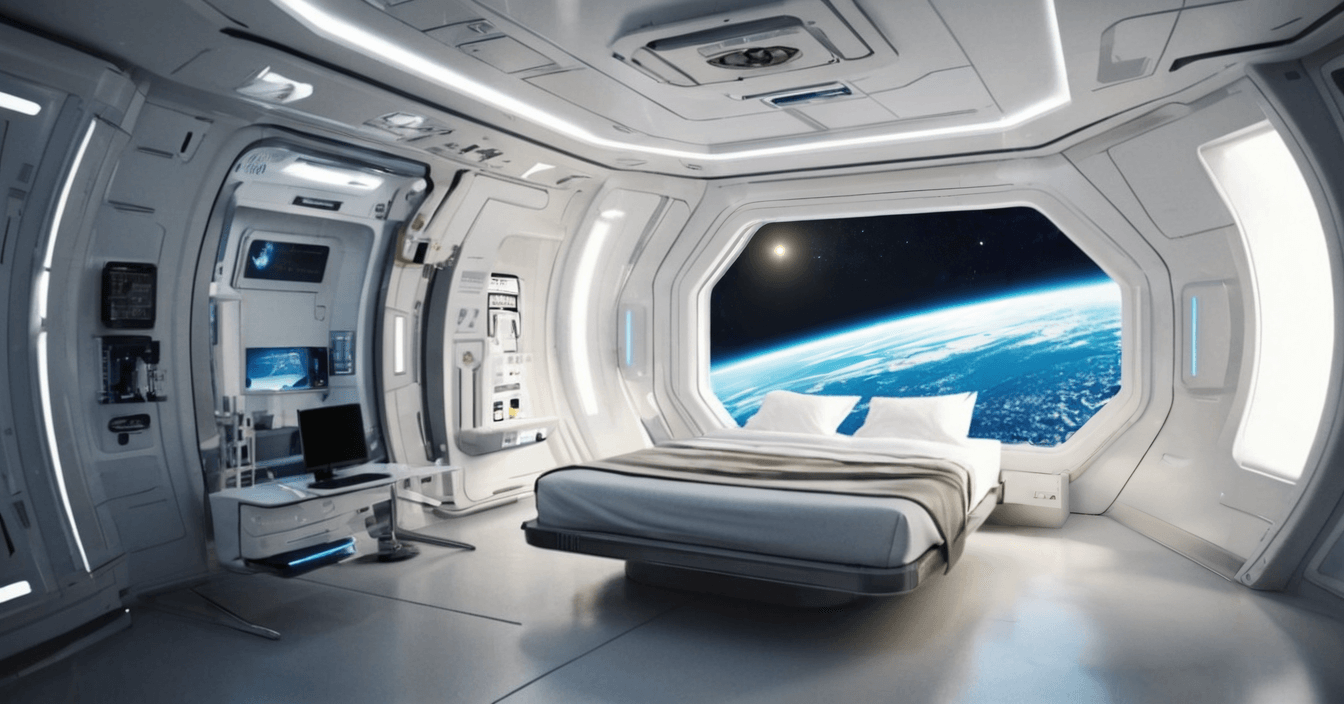
Imagine waking up to a breathtaking view of Earth from your hotel room window – except you’re not on Earth at all, but orbiting the planet in a private space station. This once far-fetched scenario is now closer to reality than ever before, as private companies race to develop their own space stations and usher in a new era of commercial space exploration.
The Retirement of the ISS
For over two decades, the International Space Station (ISS) has been a symbol of international cooperation and scientific achievement in low Earth orbit (LEO). However, as the ISS nears its planned retirement in 2030, the stage is set for private companies to step in and fill the void.
NASA’s Support for Private Space Stations
In December 2021, NASA awarded three funded Space Act Agreements, totaling $415.6 million, for the design of private space stations as part of its Commercial Low Earth Orbit (LEO) Development program:
- Blue Origin: $130 million
- Nanoracks LLC: $160 million
- Northrop Grumman Systems Corp.: $125.6 million
The goal is to have at least one of these private space stations operational before 2030, as the ISS is expected to shut down by then. In September 2021, NASA fielded proposals from about a dozen private space companies to build privately run space stations in LEO, a move anticipated to save NASA $1 billion to $1.5 billion annually.
The Rise of Private Space Stations
Several private companies have announced ambitious plans to develop their own space stations, each with unique features and goals:
-
Axiom Space: Houston-based Axiom Space is developing the world’s first commercial space station, which will initially attach to the ISS before becoming an independent station.
-
Blue Origin: Jeff Bezos’ Blue Origin is partnering with Sierra Space to create the Orbital Reef, a “mixed-use business park” in space designed for commercial, scientific, and tourism activities.
-
Nanoracks: In collaboration with Voyager Space and Lockheed Martin, Nanoracks is developing the Starlab space station, which will serve as a research platform and destination for space tourism.
The Potential Impact of Private Space Stations
The emergence of private space stations has the potential to transform the way we live and work in space. For example, these stations could provide a platform for cutting-edge research in fields such as biotechnology, materials science, and pharmaceuticals. The microgravity environment of space offers unique conditions for experiments that are impossible to replicate on Earth.
Additionally, private space stations could open up new opportunities for space tourism, allowing more people to experience the wonder of spaceflight firsthand. Companies like Axiom Space and Blue Origin have already announced plans to offer tourist flights to their stations, with the ultimate goal of making space travel more accessible and affordable.
Regulatory Framework and International Collaboration
In November 2021, the National Space Council released a draft bill assigning oversight responsibility for novel space activities and infrastructure, including private space stations. The framework covers areas such as off-Earth manufacturing, space junk removal, and the development of private space stations.
As the ISS approaches retirement, NASA and its international partners are exploring options for transitioning to private space stations. This transition would allow NASA to focus on deep space exploration, such as the Artemis program and the Lunar Gateway, while encouraging commercial ventures in LEO.
Challenges and Concerns
While the rise of private space stations presents many opportunities, there are also challenges and concerns that need to be addressed. One major issue is the growing problem of space debris in LEO. With more satellites and space stations being launched, the risk of collisions and the creation of even more debris increases. Private companies will need to work closely with government agencies to develop and implement strategies for mitigating this risk.
Another concern is the potential exacerbation of existing inequalities in access to space. If private space stations are only accessible to wealthy individuals and countries, it could create a new form of “space divide” between those who can afford to participate in the new space economy and those who cannot.
Frequently Asked Questions
Q: When will private space stations be operational? A: Many companies aim to have their space stations operational by the late 2020s or early 2030s, around the time the ISS is scheduled to retire.
Q: How much will it cost to stay on a private space station? A: The cost of staying on a private space station has not been officially announced, but it is expected to be in the millions of dollars range, at least initially.
Q: Will private space stations be accessible to the general public? A: Initially, private space stations will likely be accessible only to wealthy individuals, companies, and countries. However, as costs decrease and technology improves, space tourism may become more accessible to the general public.
The Future of Space Exploration
The rise of private space stations represents a significant shift in the way we approach space exploration. As government agencies like NASA increasingly partner with private companies, we can expect to see a new era of innovation and progress in the space industry.
While there are certainly challenges and concerns to be addressed, the potential benefits of private space stations are immense. From advancing scientific research to opening up new frontiers for tourism and economic development, these stations could play a crucial role in shaping the future of humanity in space.
As we watch this new space race unfold, one thing is clear: the next decade will be a defining moment for the space industry, and the decisions we make now will have far-reaching consequences for generations to come.