LEMUR-2-KAREN B (52736)

COSPAR: 2022-057E | Alt Name: Lemur-2 Karen B
DECAYED

Image
LEMUR-2-KAREN B Satellite Image
Additional Sources
Launch Details

Launch Date

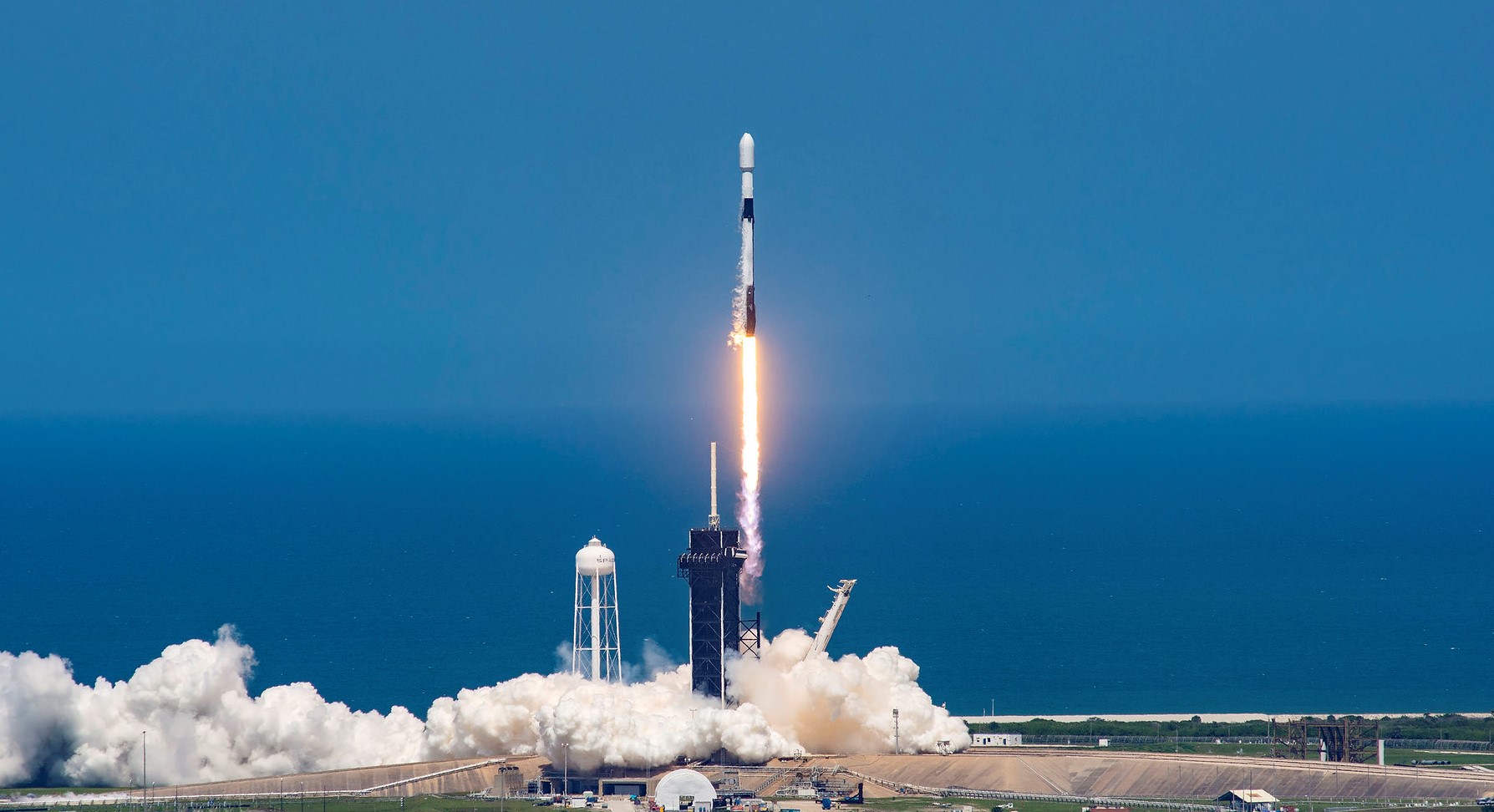
May 25, 2022

Launch Pad

LC40

Launch Vehicle

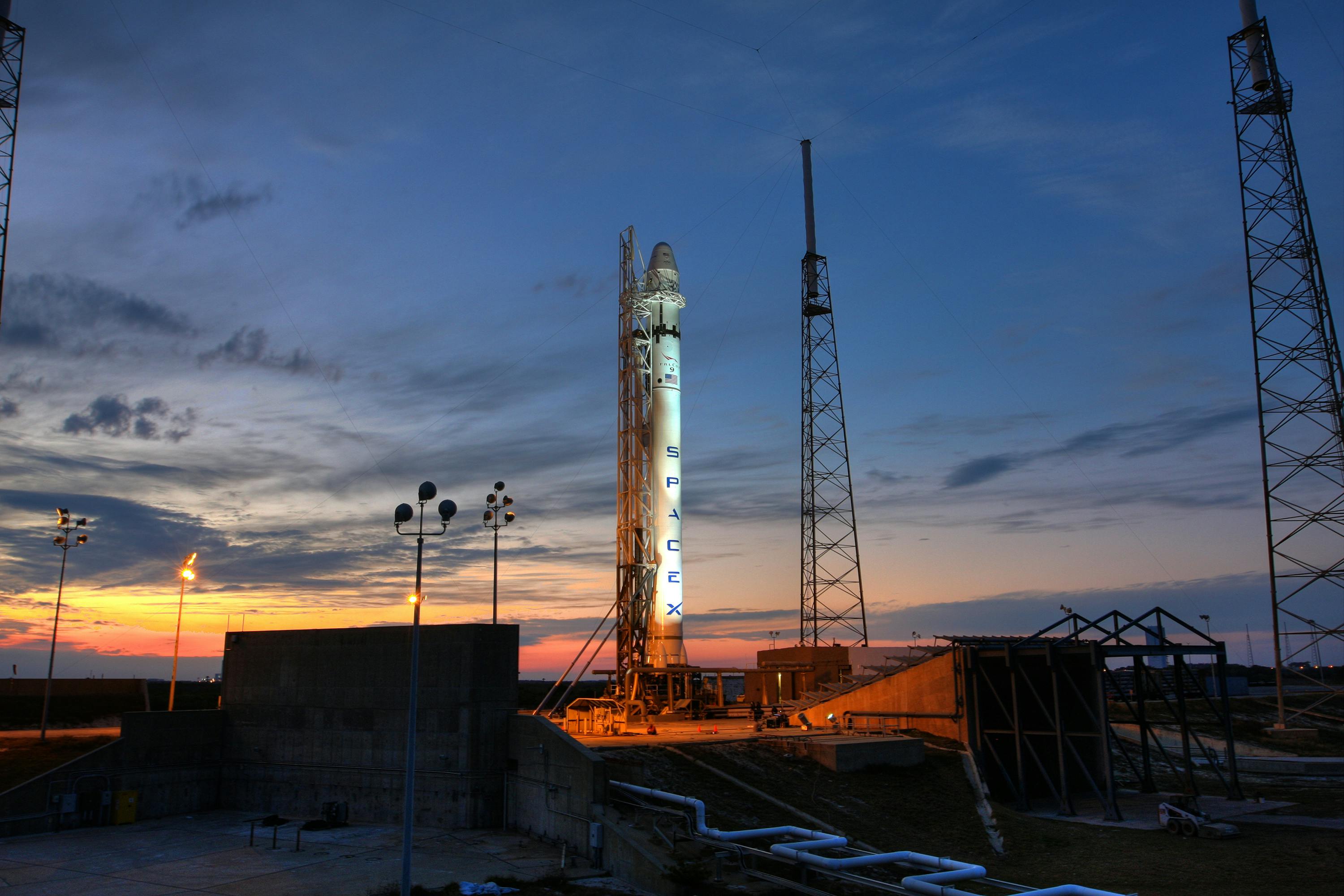
Falcon 9

Orbital Elements

NORAD ID

52736

International Designator

2022-057E

Decay Date

2/2/2024

Basic Satellite Info

Name

LEMUR-2-KAREN B

Alternative Name

Lemur-2 Karen B

Type

Payload

Status

Decayed

Owner

SPIREL

Country

Luxembourg

Constellation

N/A

Related Satellites

Major Events

N/A

Summary
LEMUR-2-KAREN B (also known as Lemur-2 Karen B) is a CubeSat (3U) satellite manufactured by SPIREG and owned by SPIREL. It was launched on May 25, 2022, from Launch Complex 40 at the Air Force Eastern Test Range using a Falcon 9 launch vehicle. The satellite has dimensions of 0.3 meters in length and diameter with a span of 0.3 meters. It carries equipment including STRATOS (GPS radio occultation payload), SENSE (AIS-receiver), and AirSafe (ASD-B payload, #78 and later). The satellite’s dry mass is 4.6 kg, which matches its launch mass, and it is powered by solar cells and batteries. Its shape is described as a box with two panels.
Physical Characteristics

Length

0.3

Diameter

0.1

Span

0.3

Dry Mass

4.6

Launch Mass

4.6

Shape

Box+2 pan

Radar Cross Section

Unknown

Visual Magnitude

Unknown

Color

Unknown

Material Composition

Unknown

Technical Details

Payload

Lemur-2 FM163

Purpose

Unknown

Mission

Unknown

Manufacturer

SPIREG

Life Expectancy

Unknown

Bus

Cubesat 3U

Configuration

CubeSat (3U)

Motor

None

Equipment

STRATOS (GPS radio occultation payload), SENSE (AIS-receiver), AirSafe (ASD-B payload, #78 and later)

Power System

Solar cells, batteries

ADCS

Unknown

Transmitter Frequency

Unknown

Satellite Articles

View All Posts »

Learn more about satellites and other related topics.

X Report 11 May 2025

X Report 11 May 2025

SpaceX successfully launched 28 Starlink satellites from Florida, marking a significant milestone in their deployment strategy. This follows the recent launch of 26 satellites from California, highlighting ongoing expansion efforts.

Space Brief 12 Dec 2024

Space Brief 12 Dec 2024

U.S. Space Force's Europe operations amidst Ukraine conflict, Maxar's new partnership, integration of military and commercial tech, and the Pentagon's new AI initiatives shape today's space discourse.

Space Force Awards First-Ever $52M Satellite Deorbit Contract to Starfish Space | KeepTrack Space Brief

Space Force Awards First-Ever $52M Satellite Deorbit Contract to Starfish Space | KeepTrack Space Brief

Space Force awards first-of-its-kind $52M contract to Starfish Space for deorbiting defunct satellites. AST SpaceMobile selected for Missile Defense Agency SHIELD program. $26B Space Force budget confirmed.

Starship All 6 Engines Fire for 60 Seconds Before Flight 13 | KeepTrack X Report

Starship All 6 Engines Fire for 60 Seconds Before Flight 13 | KeepTrack X Report

SpaceX ignited all 6 Starship engines for a full minute at Starbase, while a Falcon 9 added 24 more Starlinks from Vandenberg on July 1.

SpaceX Resumes Starlink Deployments After Satellite Issues | KeepTrack X Report

SpaceX Resumes Starlink Deployments After Satellite Issues | KeepTrack X Report

SpaceX launches 29 Starlink satellites in first deployment since recent satellite issues. Falcon 9 also delivers Italy's COSMO-SkyMed CSG-FM3 from Vandenberg. Starship plans solidified for 2026.

X Report 8 May 2025

X Report 8 May 2025

SpaceX launches 28 more Starlink satellites while addressing conflicts of interest and expanding home connectivity with a new router.

Starlink 17-40 Adds 24 Sats from Vandenberg | KeepTrack X Report

Starlink 17-40 Adds 24 Sats from Vandenberg | KeepTrack X Report

SpaceX's Starlink 17-40 mission launches 24 satellites from Vandenberg SFB at 7:36 a.m. PDT, expanding the 10,705-satellite constellation.

The Moon Landing That Almost Didn't Happen

The Moon Landing That Almost Didn't Happen

Six hours behind schedule, with a backup engine system shuddering in lunar orbit and mission controllers in Houston running out of options, Apollo 16 came within one meeting of being sent home without landing. The problem was a wobble in a gimbal. The solution was math done under pressure.