

X Report 24 Nov 2024
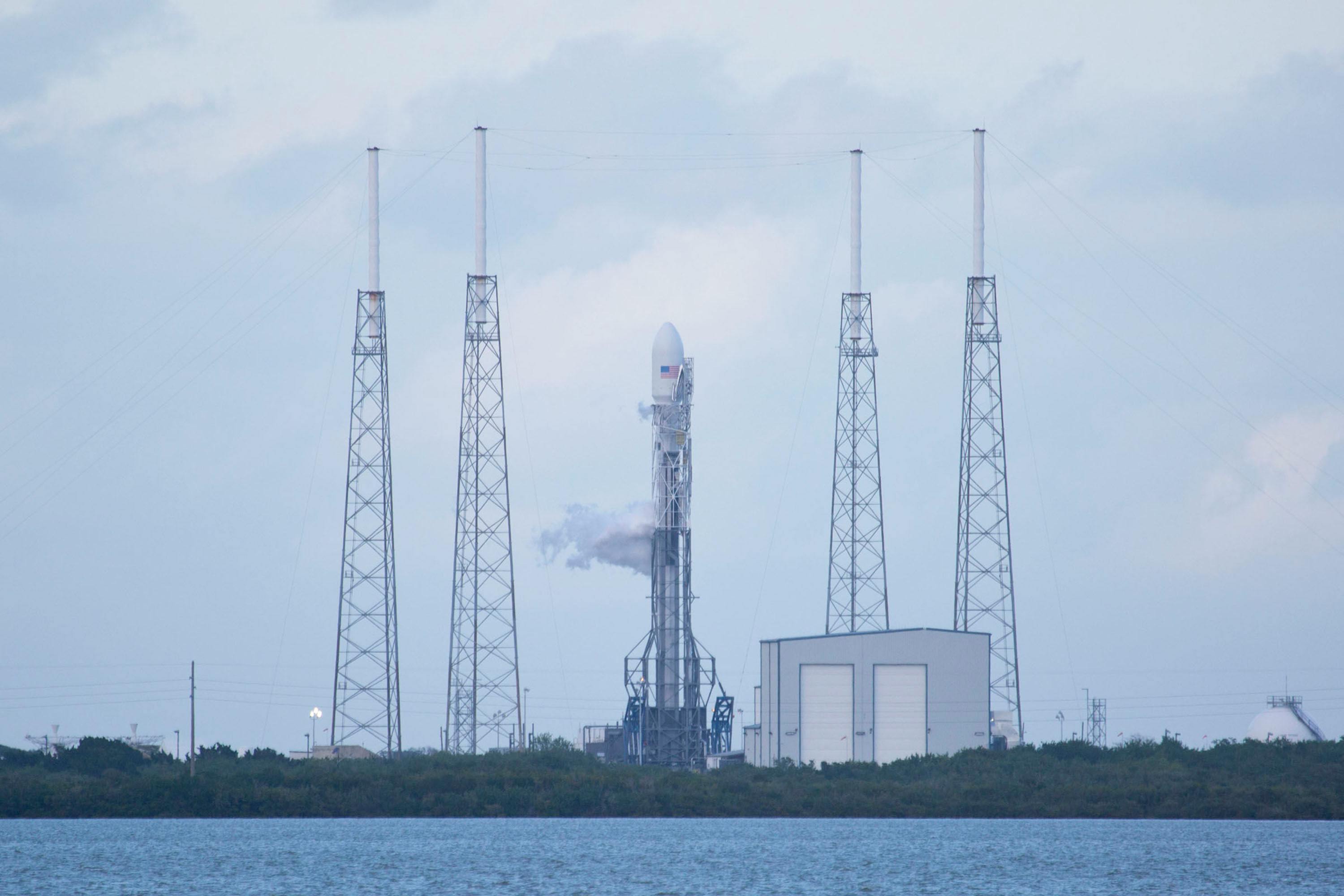
SpaceX cancels Texas land-swap deal amid growing Starship presence and launches 20 Starlink satellites using the 400th Falcon 9 rocket.


Launch Date
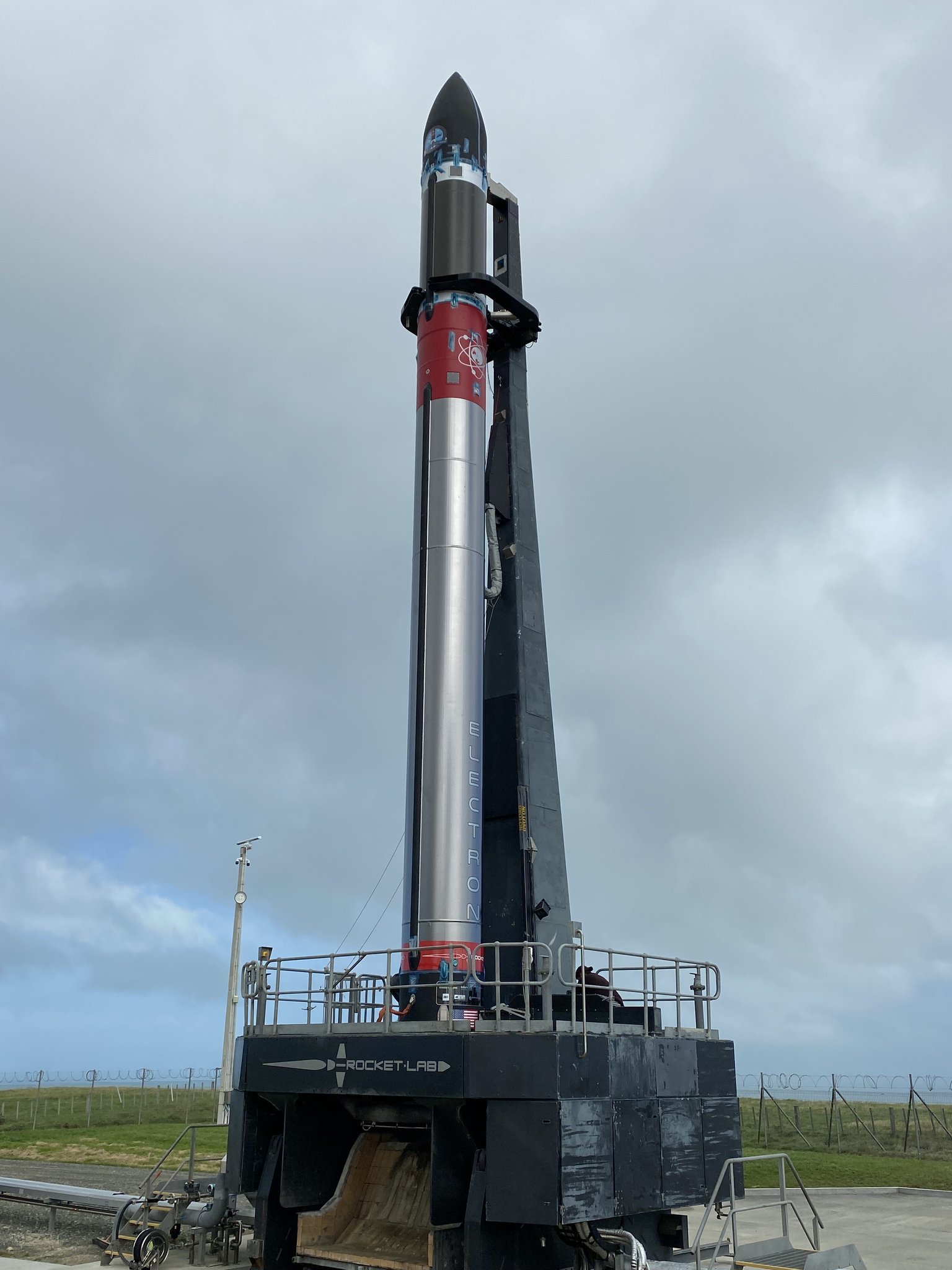
May 2, 2022
Launch Site
RLLB
Launch Pad
LC1A
Launch Vehicle
Electron
NORAD ID
52402
International Designator
2022-047J
Decay Date
1/9/2024
Name
SPACEBEENZ-20
Alternative Name
SpaceBEE NZ-20
Type
Status
Owner
SWARNZ
Country
New Zealand
Constellation
N/A
Related Satellites
Major Events
N/A
Length
0.025
Diameter
0.1
Span
0.9
Dry Mass
0.284
Launch Mass
0.284
Shape
Box+2 ant
Radar Cross Section
Unknown
Visual Magnitude
Unknown
Color
Unknown
Material Composition
Unknown
Payload
SpaceBEE E26-22
Purpose
Communication M2M/IoT
Mission
Communication M2M/IoT
Manufacturer
SWARMX
Life Expectancy
Unknown
Bus
Cubesat 0.25U
Configuration
CubeSat (0.25U)
Motor
None
Equipment
Unknown
Power System
Solar cells, batteries
ADCS
Unknown
Transmitter Frequency
Unknown
Learn more about satellites and other related topics.
SpaceX cancels Texas land-swap deal amid growing Starship presence and launches 20 Starlink satellites using the 400th Falcon 9 rocket.
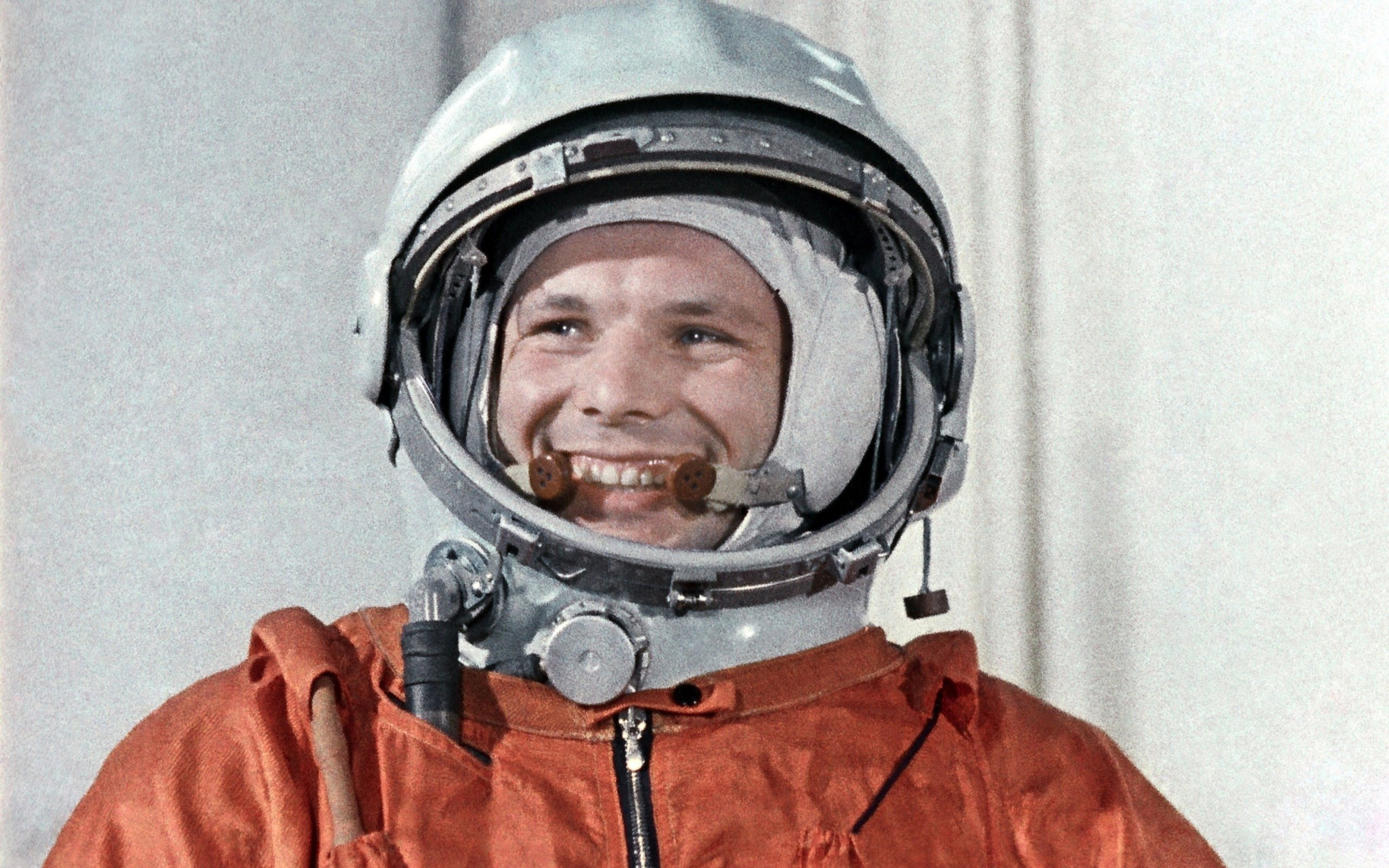
On April 12, 1961, a 27-year-old Soviet pilot rode a modified ICBM into orbit and came back alive after 108 minutes. Exactly twenty years later, two Americans climbed aboard an untested spacecraft covered in 31,000 ceramic tiles and bet their lives that the math was right.
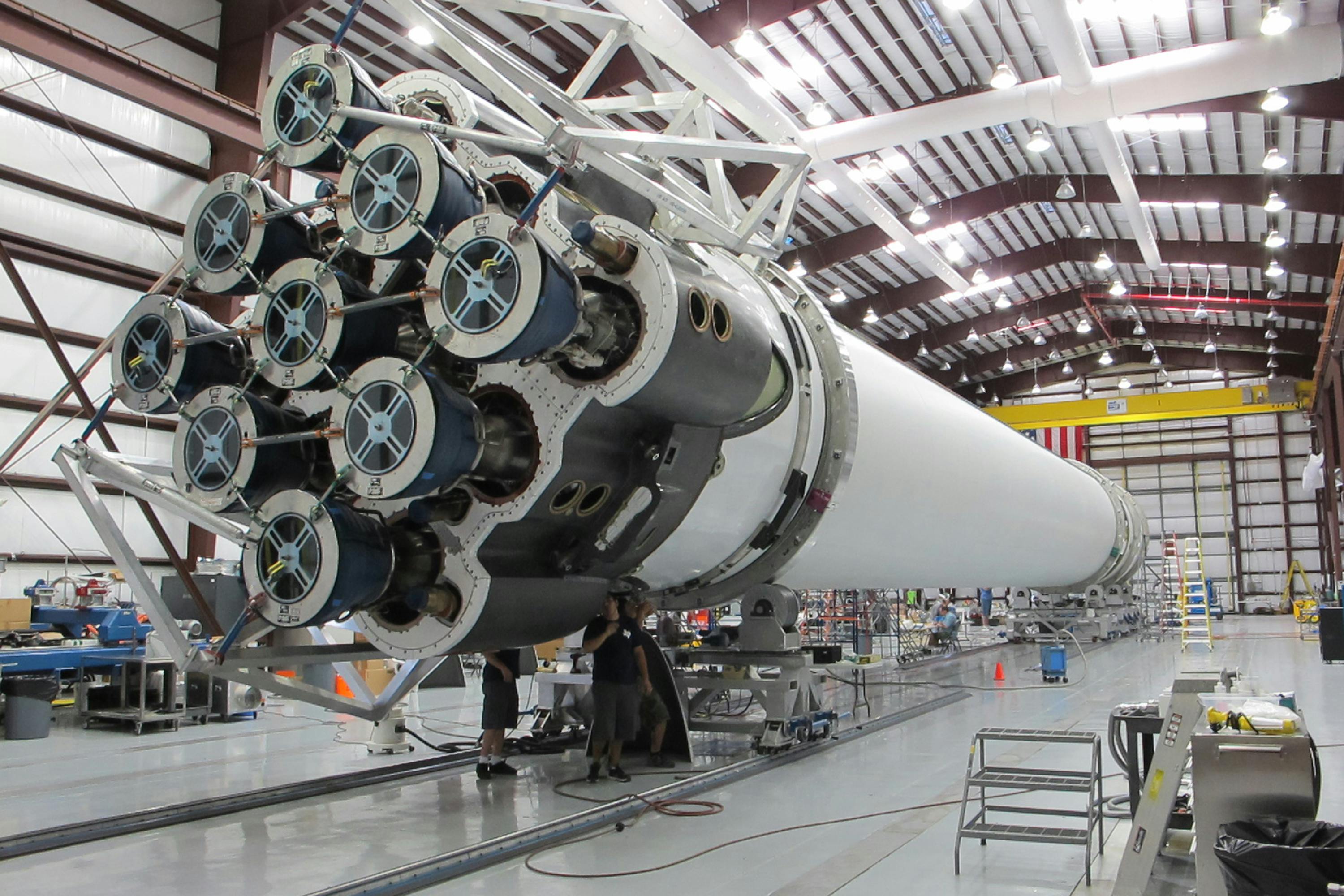
Booster B1067 hit 36 flights on July 9, while SpaceX files to expand Starlink to 100,000 satellites at 4,400 lbs each.
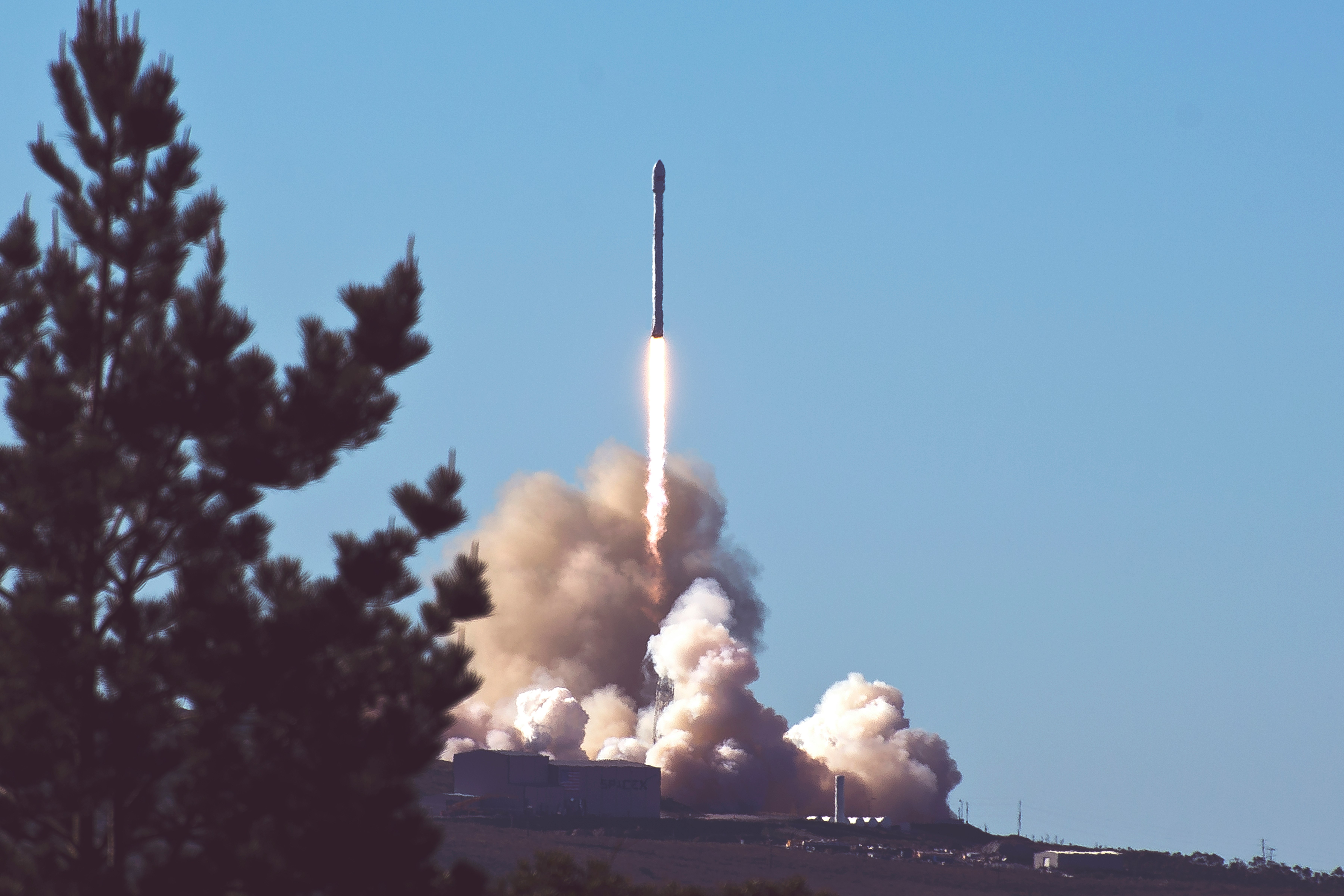
SpaceX officially names its planned AI megaconstellation Starmind while a Falcon 9 upper stage targets a lunar impact this August.
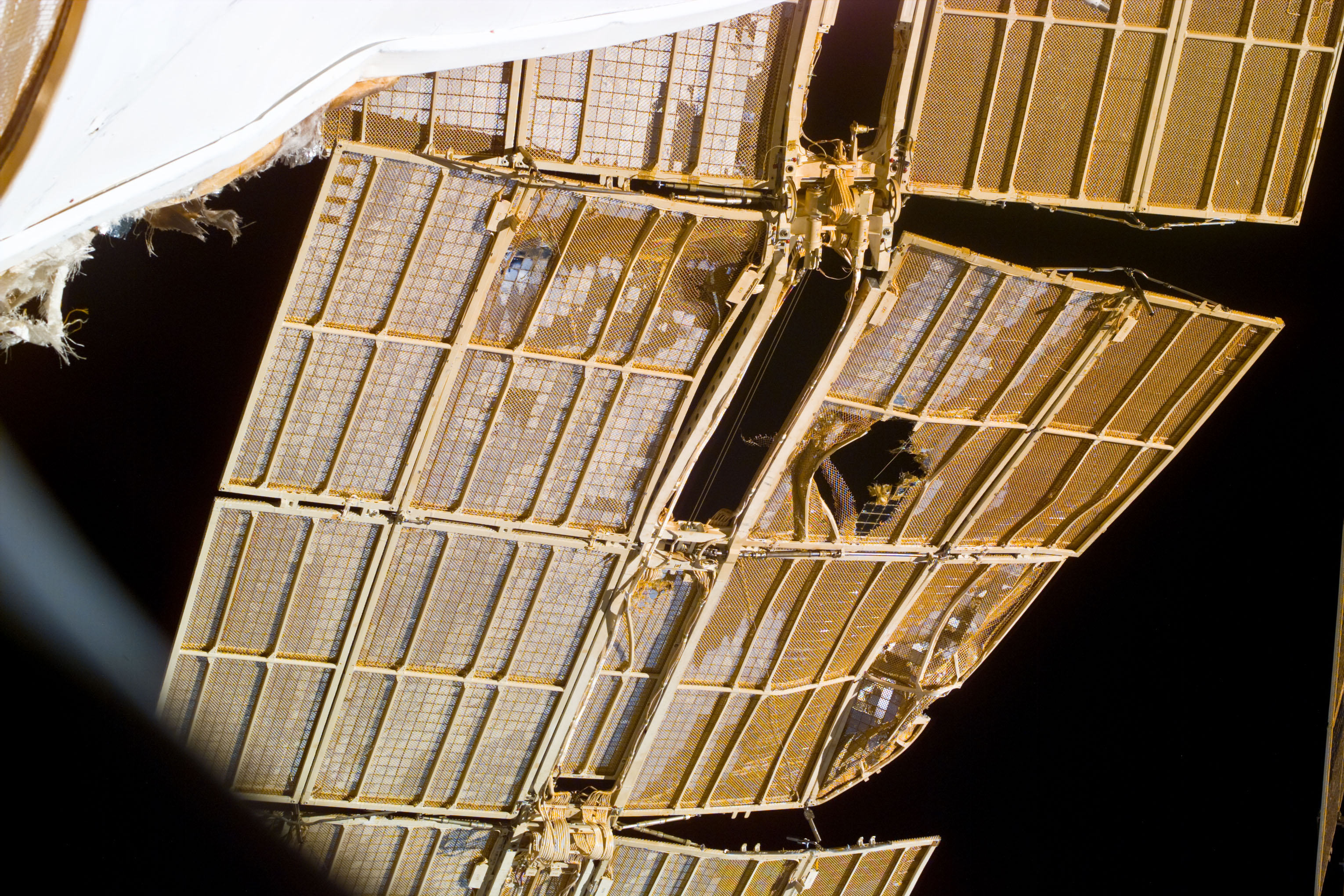
On 25 June 1997, a seven-ton cargo ship under hand control drifted into Mir's Spektr module, breached the hull, and left three crew members listening to their air hiss into space. It remains the worst collision in the history of human spaceflight.

NASA delays first 2026 spacewalk due to ISS crew medical issue. Sierra Space completes SDA Tranche 2 satellite structures ahead of schedule. Space Force advances Handle 2.0 standardization.
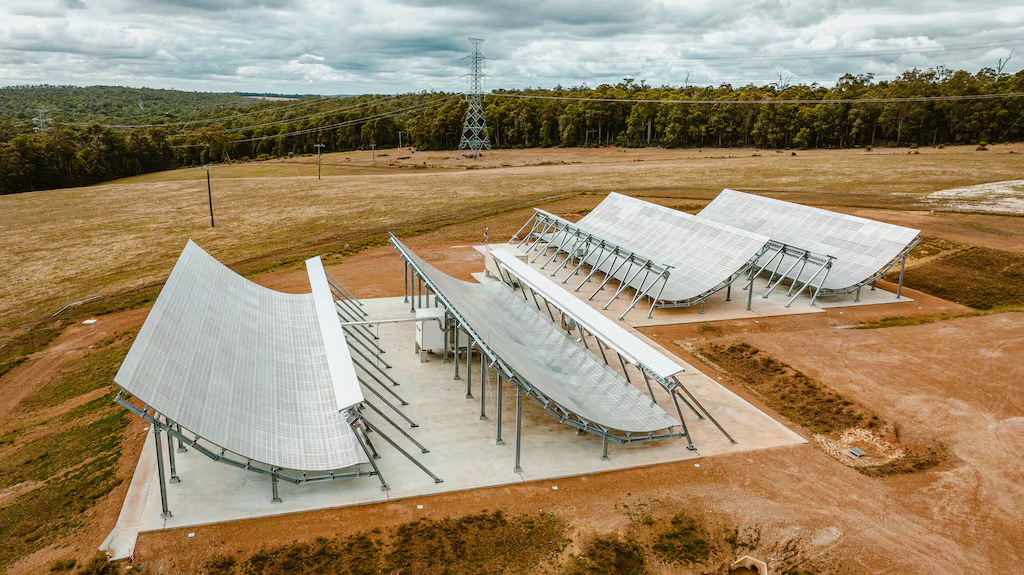
A startup built on Cold War-era radar science now tracks 25,000 objects in orbit - and the Pentagon can't get enough of it. But can its radars really compete with the Space Surveillance Network?

Today's briefing covers the Space Force's AI integration, new naming conventions for satellites, and updates on military and satellite acquisition strategies.