

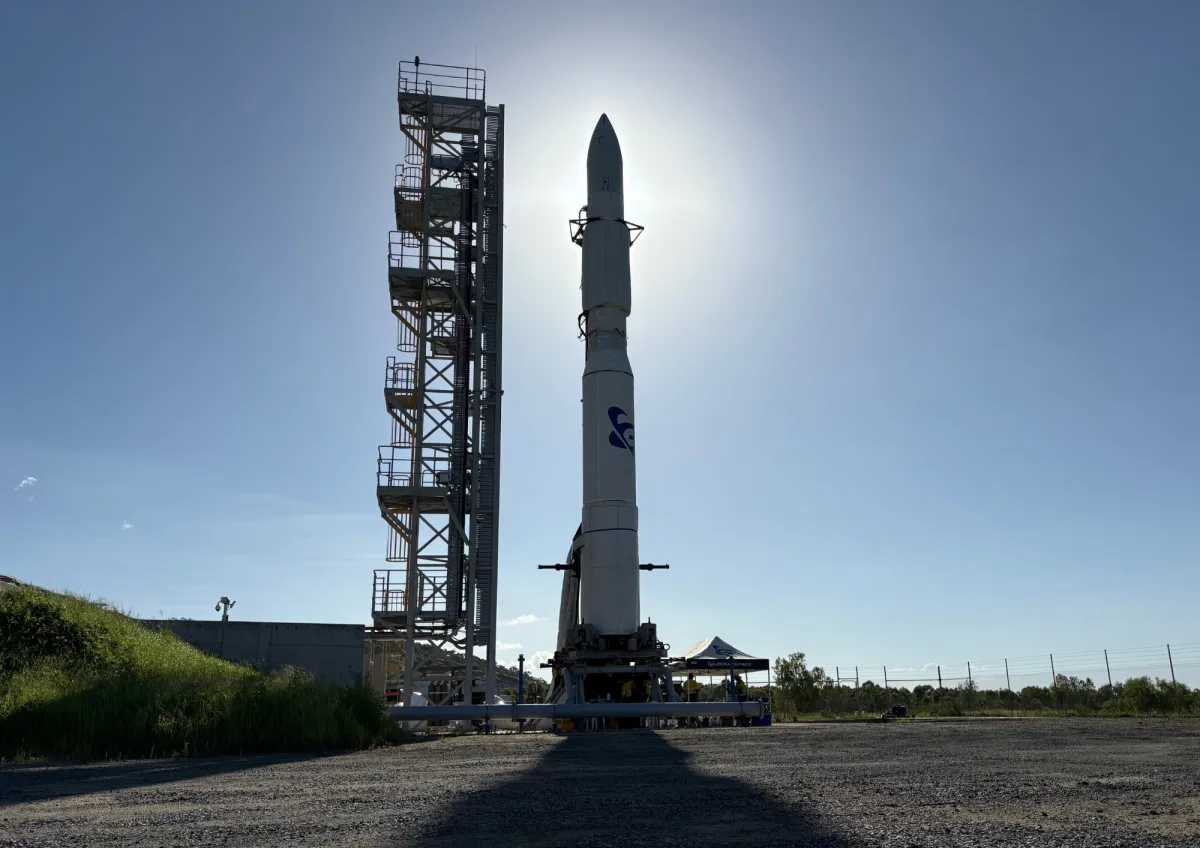
Space Brief 6 Apr 2025
Today, we explore substantial U.S. defense contracts awarded for space launches, ESA's enigmatic Euclid images release, and SpaceX missions covering satellite launches and astronaut reentries.


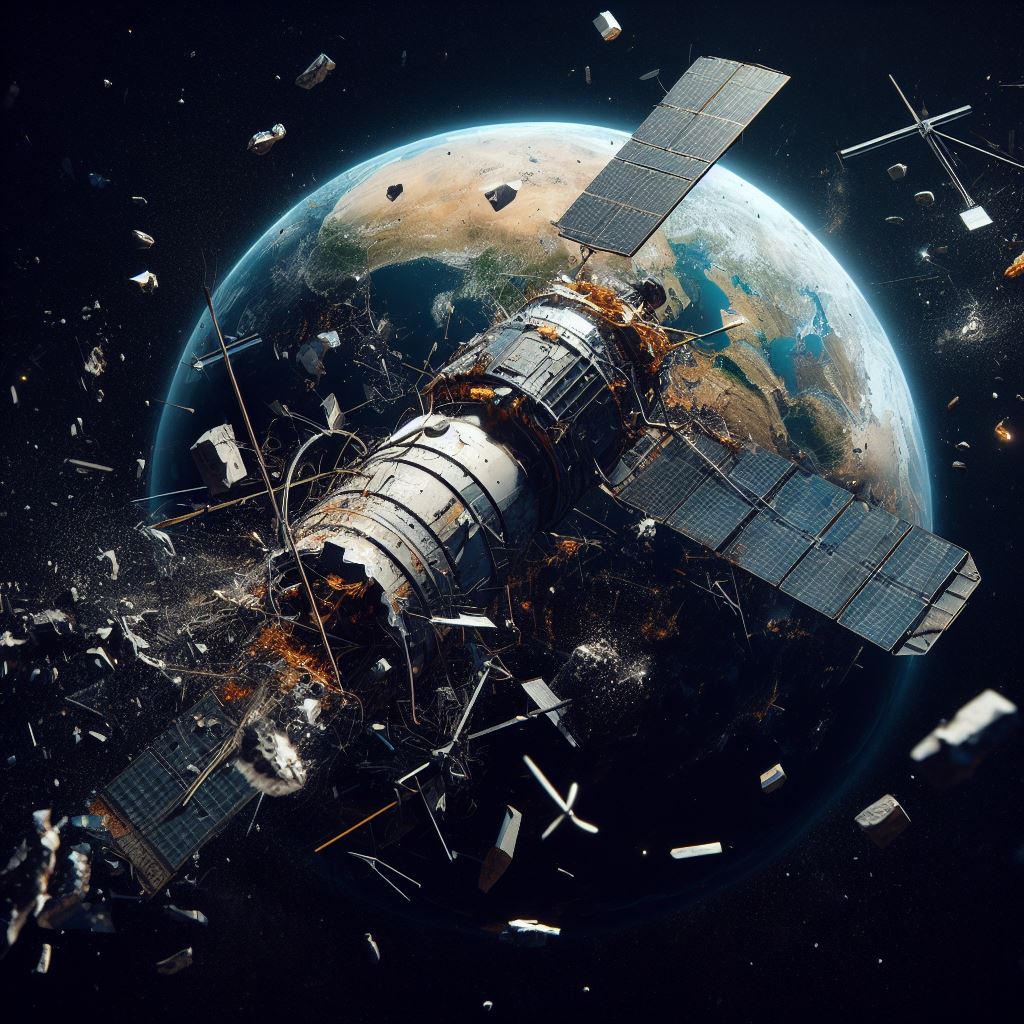
Launch Date
February 19, 1986
Launch Site
Launch Pad
LC1
Launch Vehicle
Soyuz-U
NORAD ID
22834
International Designator
1986-017HS
Decay Date
9/3/1994
Name
MIR DEB
Alternative Name
Ripana section
Type
Status
Owner
NPOE
Country
Russia
Constellation
N/A
Related Satellites
Major Events
N/A
Length
0
Diameter
0
Span
0
Dry Mass
0
Launch Mass
0
Shape
N/A
Radar Cross Section
0.7031
Visual Magnitude
Unknown
Color
Unknown
Material Composition
Unknown
Payload
Unknown
Purpose
Unknown
Mission
Unknown
Manufacturer
Unknown
Life Expectancy
Unknown
Bus
Unknown
Configuration
Unknown
Motor
Unknown
Equipment
Unknown
Power System
Unknown
ADCS
Unknown
Transmitter Frequency
Unknown
Learn more about satellites and other related topics.
Today, we explore substantial U.S. defense contracts awarded for space launches, ESA's enigmatic Euclid images release, and SpaceX missions covering satellite launches and astronaut reentries.
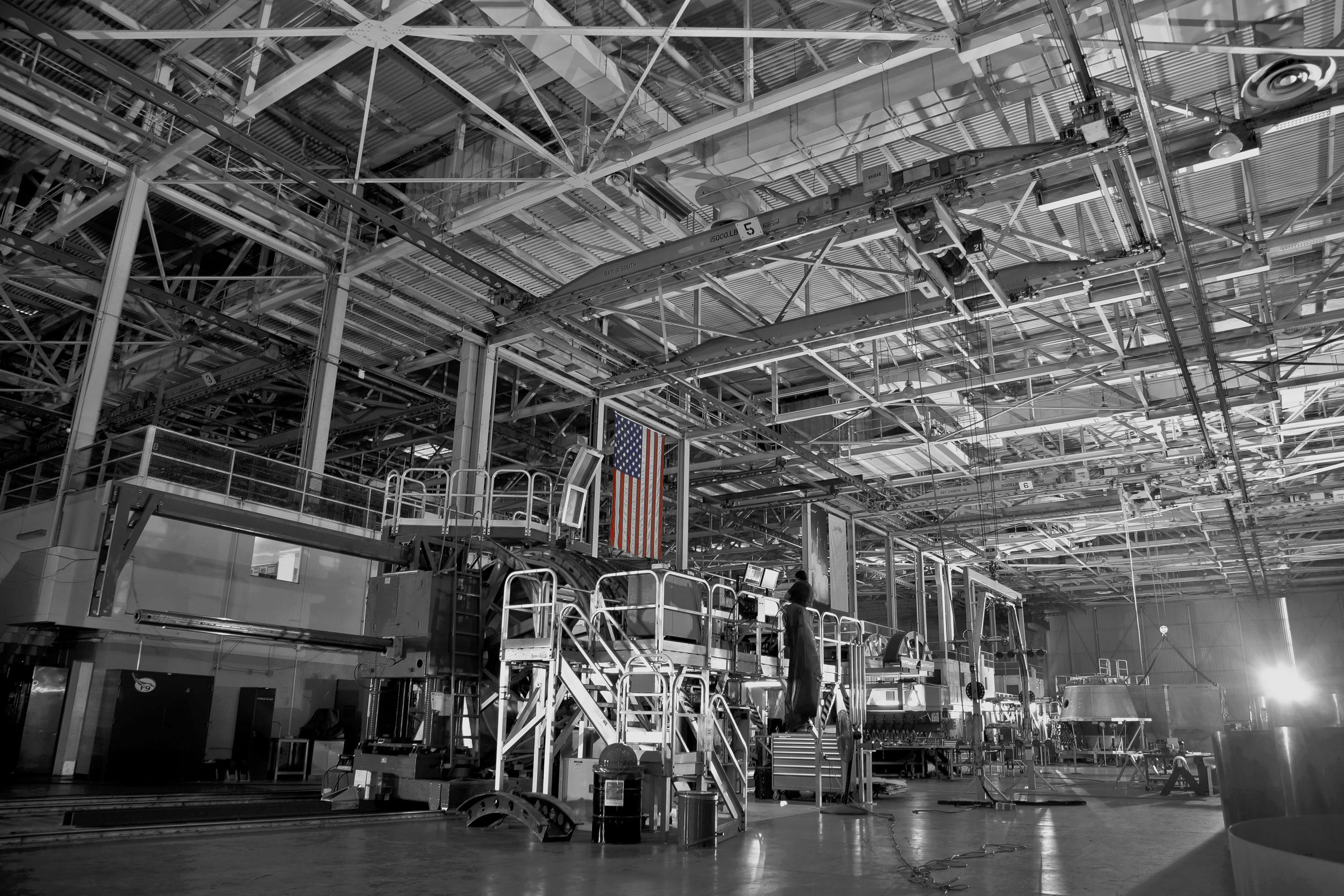
SpaceX continues its rapid launch cadence by deploying 28 Starlink satellites while expanding its service with collaborations such as United Airlines and Entel in Chile.
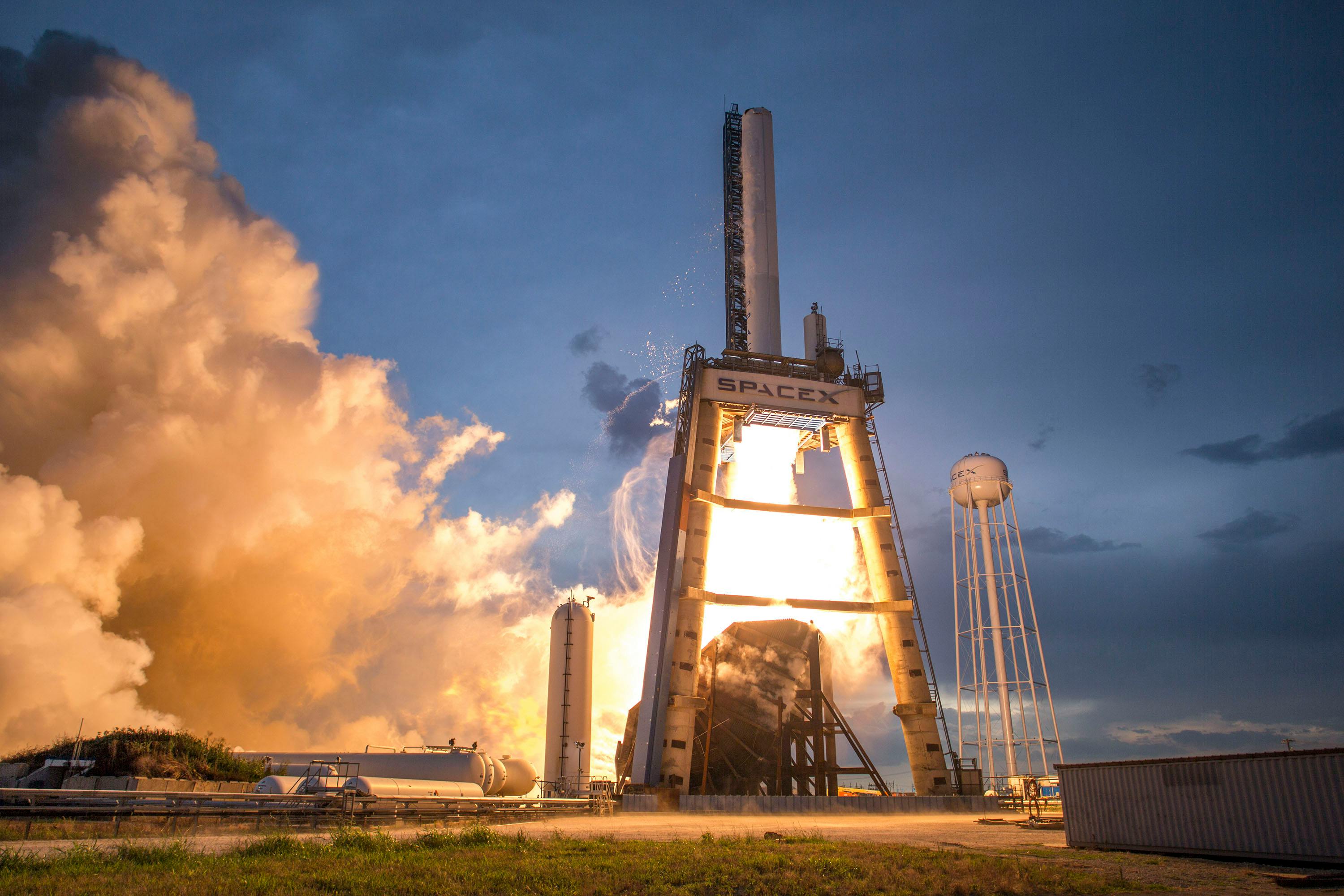
SpaceX gears up for major Starlink launch, while Starship developments continue to shape commercial spacefrontiers.
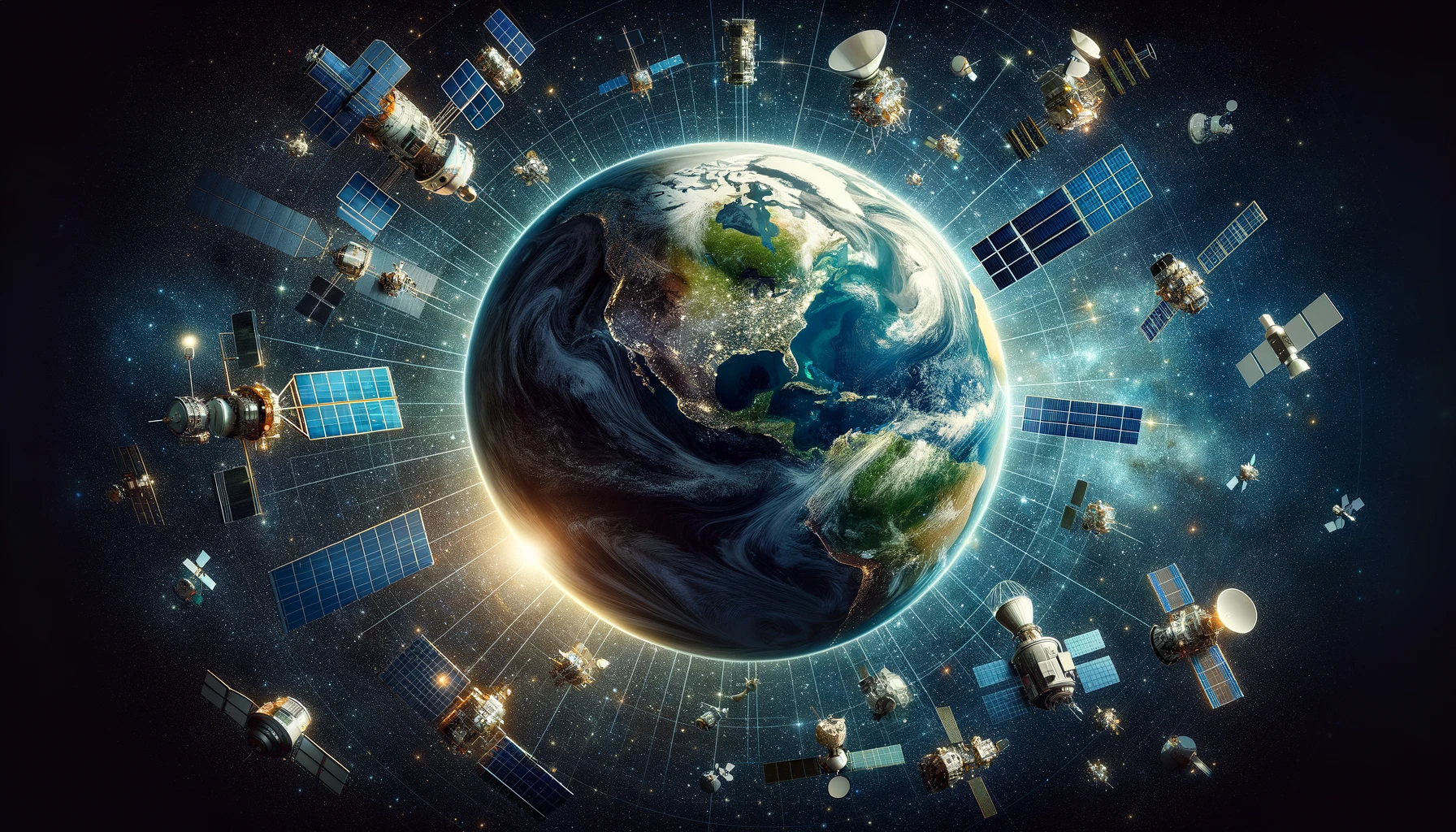
Explore the dynamic realms of Earth's orbits, from LEO to GEO, unraveling the crucial roles they play in global communication, navigation, and surveillance.
Starbase Pad 2 passes water-cooled deck test ahead of Booster 19. Starlink restrictions disrupt Russian battlefield communications. California city weighs banning Musk companies.
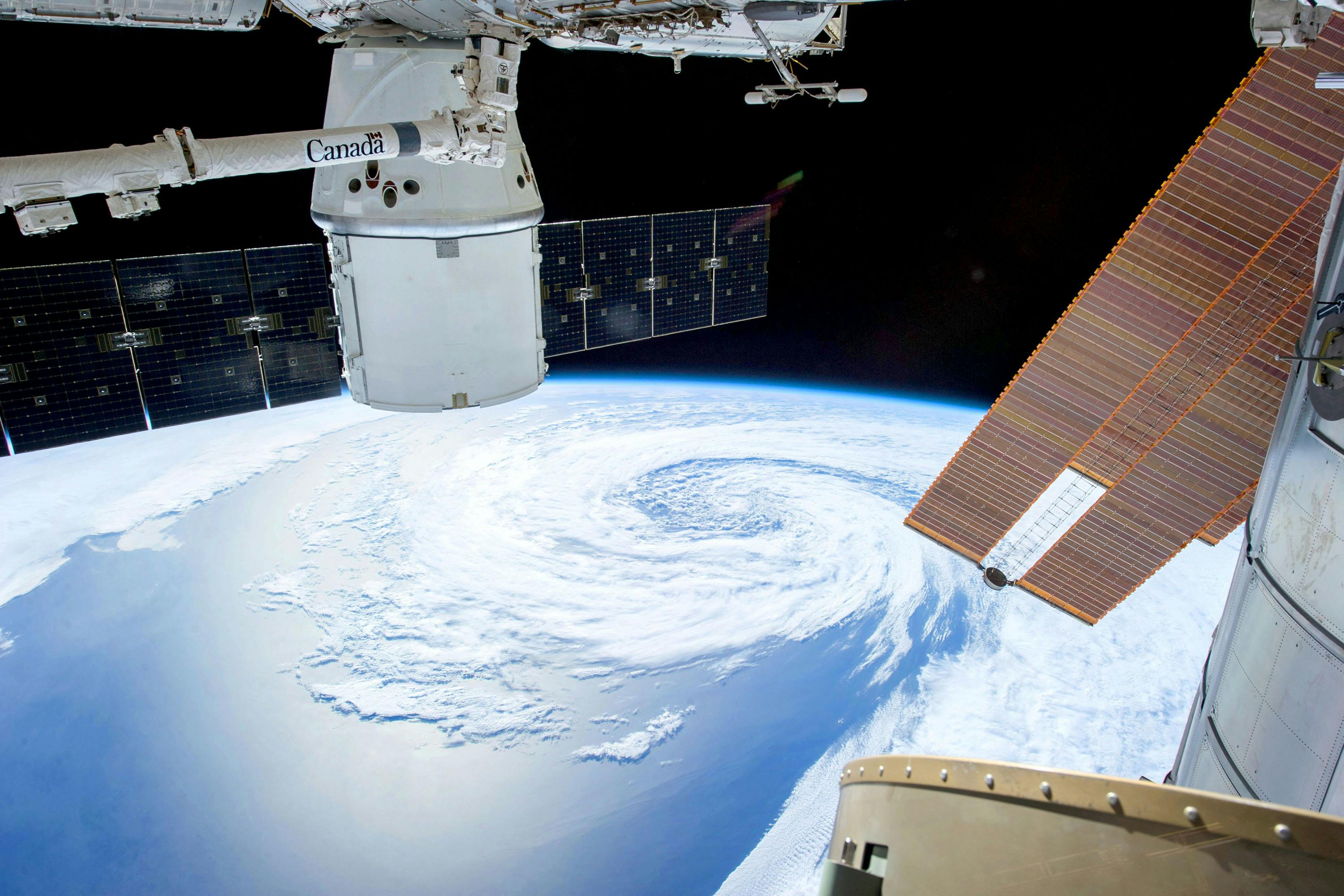
SpaceX marks another milestone and setback with Starship Flight 7, achieving a successful booster catch but losing the upper stage during ascent.
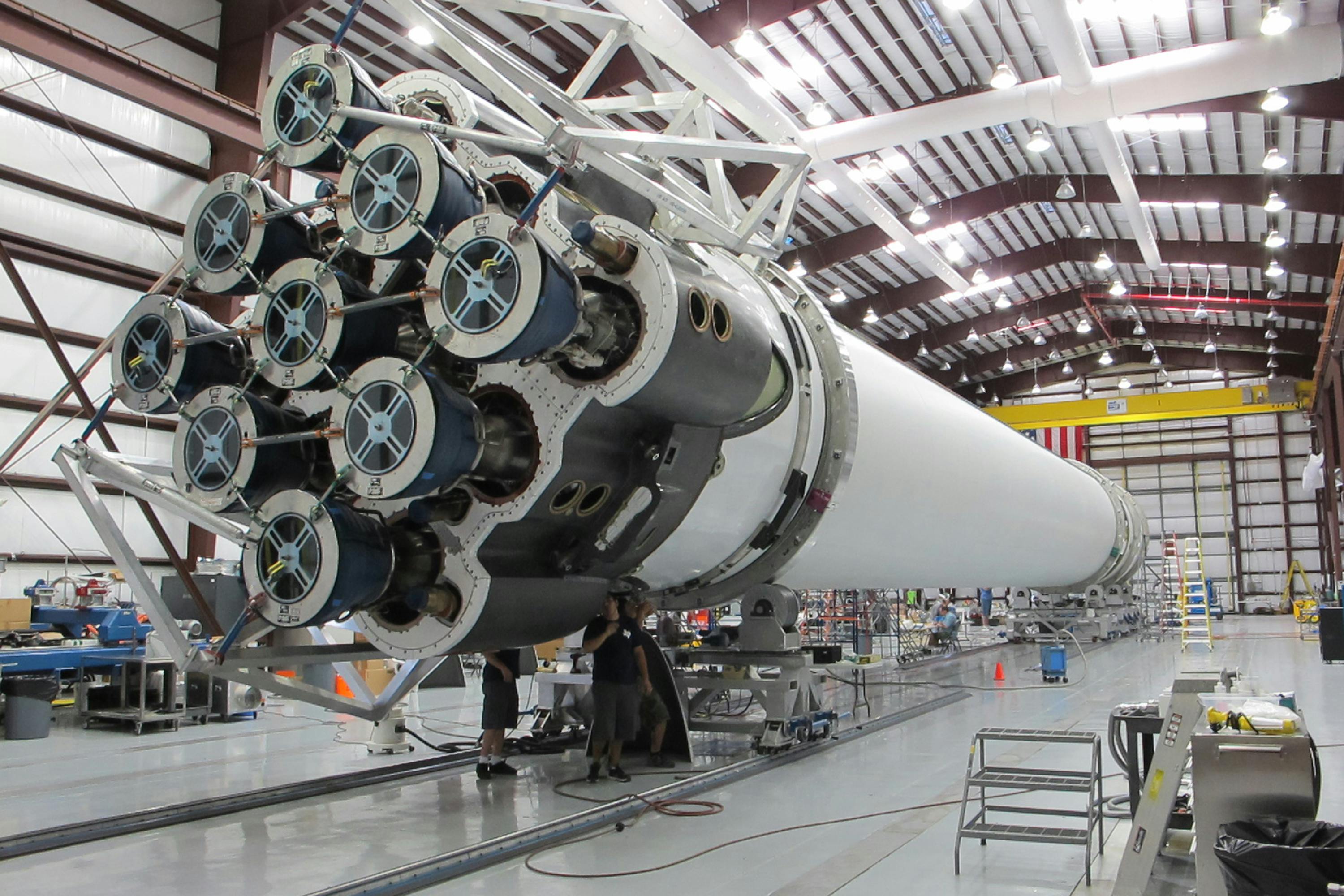
Booster B1067 hit 36 flights on July 9, while SpaceX files to expand Starlink to 100,000 satellites at 4,400 lbs each.
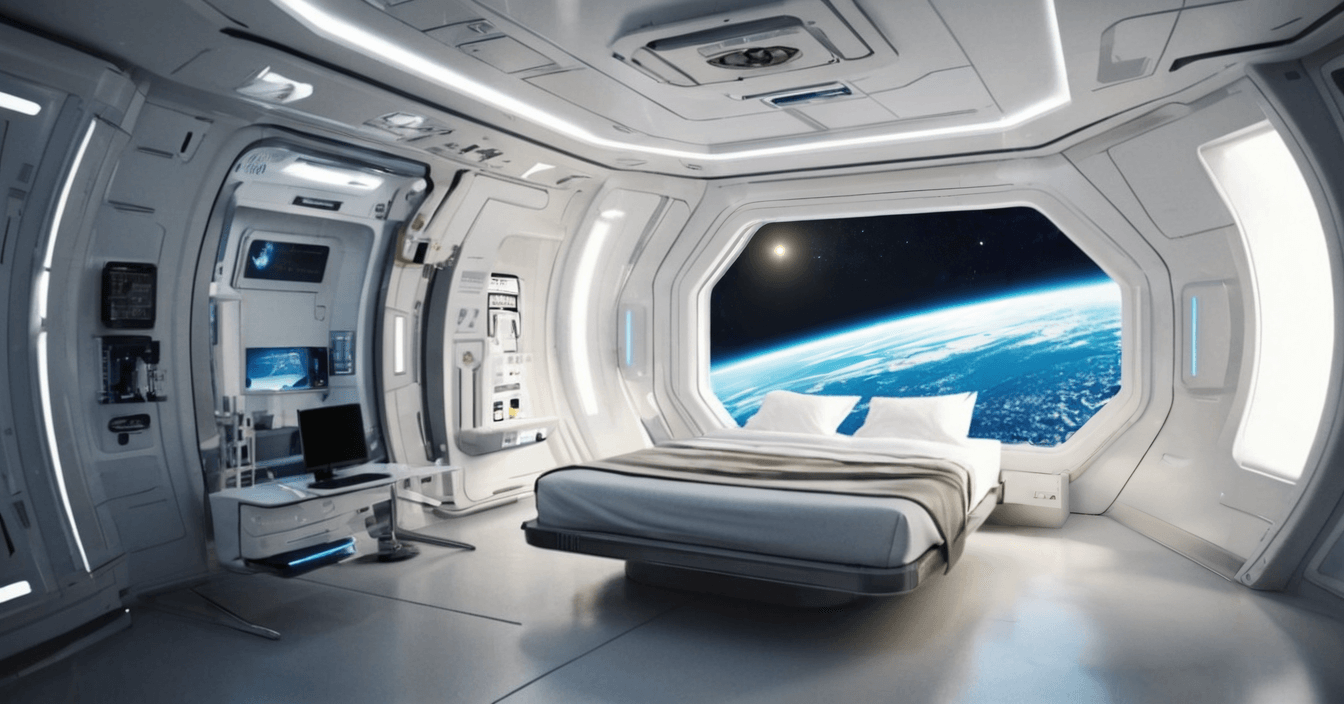
As the International Space Station nears retirement, private companies are stepping up to fill the void with their own space stations. Discover the key players and the potential impact on space exploration.