

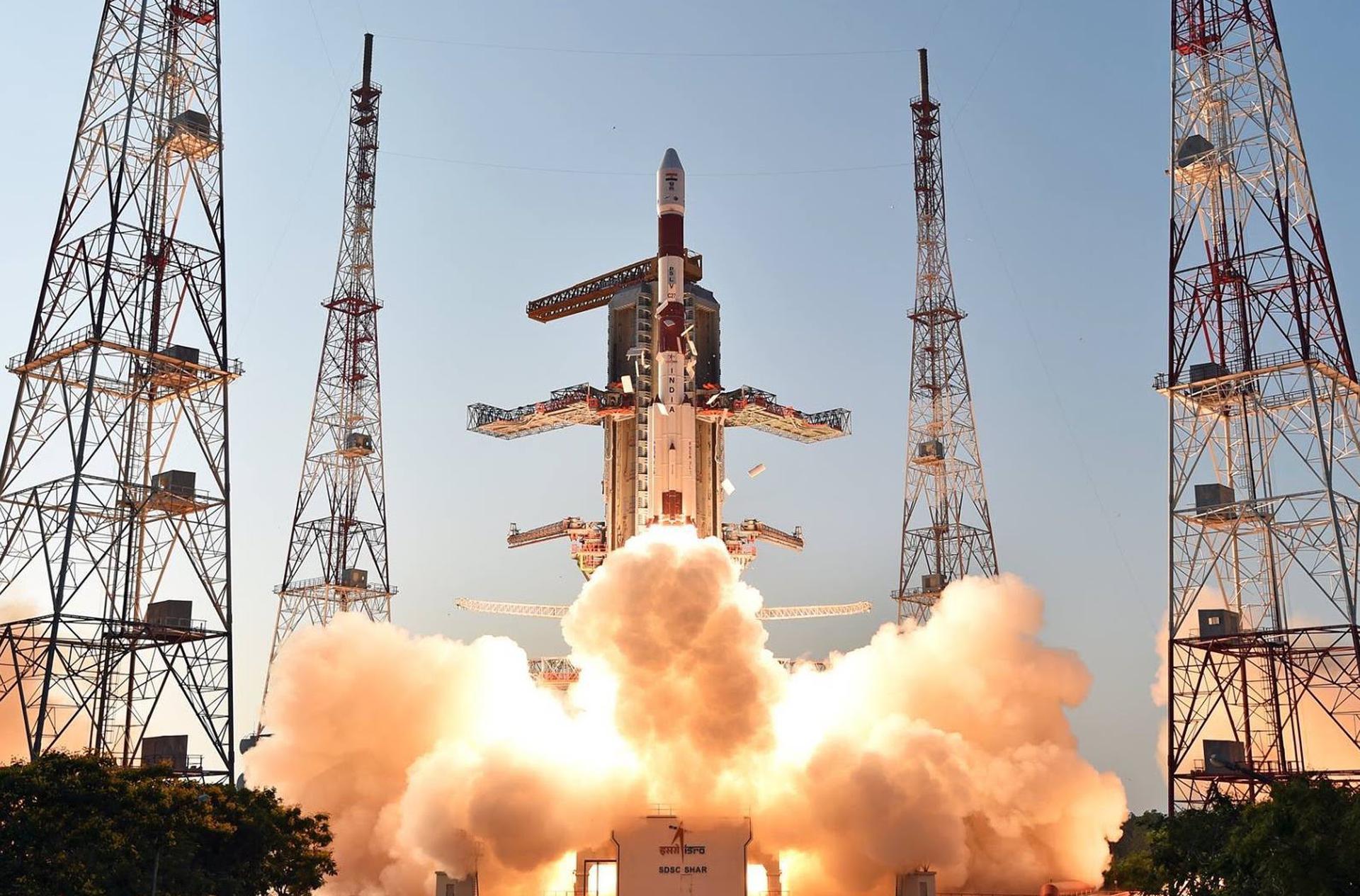
Space Brief 2 Oct 2025
Highlighting ExLabs' Space Force contract, Starlink advances, and developments in orbital communication tech.


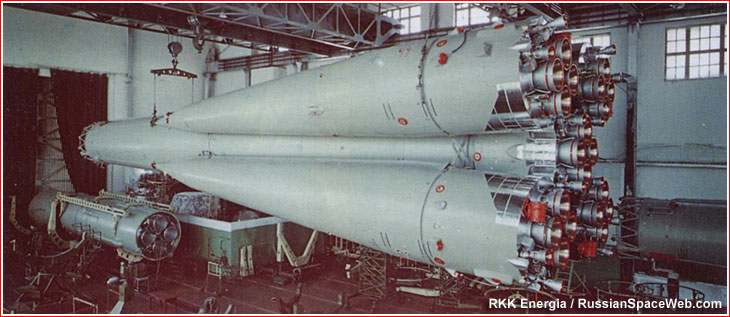
Launch Date
June 13, 1974
Launch Site
PLMSC
Launch Pad
LC43/4
Launch Vehicle
Voskhod 11A57
NORAD ID
07334
International Designator
1974-043A
Decay Date
6/26/1974
Name
COSMOS 659
Alternative Name
Kosmos-659
Type
Status
Owner
GUKOSR
Country
USSR
Constellation
N/A
Related Satellites
Major Events
N/A
Apologies, there is no summary for this satellite yet. I am working to generate these for every object in the catalog, but it is going to take time.
Length
6
Diameter
2.2
Span
6
Dry Mass
2310
Launch Mass
2310
Shape
Sphere + DCone
Radar Cross Section
Unknown
Visual Magnitude
Unknown
Color
Unknown
Material Composition
Unknown
Payload
Germes No. 23L
Purpose
Unknown
Mission
Unknown
Manufacturer
TSSKB
Life Expectancy
Unknown
Bus
Zenit-4MK
Configuration
Unknown
Motor
Unknown
Equipment
Unknown
Power System
Unknown
ADCS
Unknown
Transmitter Frequency
Unknown
Learn more about satellites and other related topics.
Highlighting ExLabs' Space Force contract, Starlink advances, and developments in orbital communication tech.
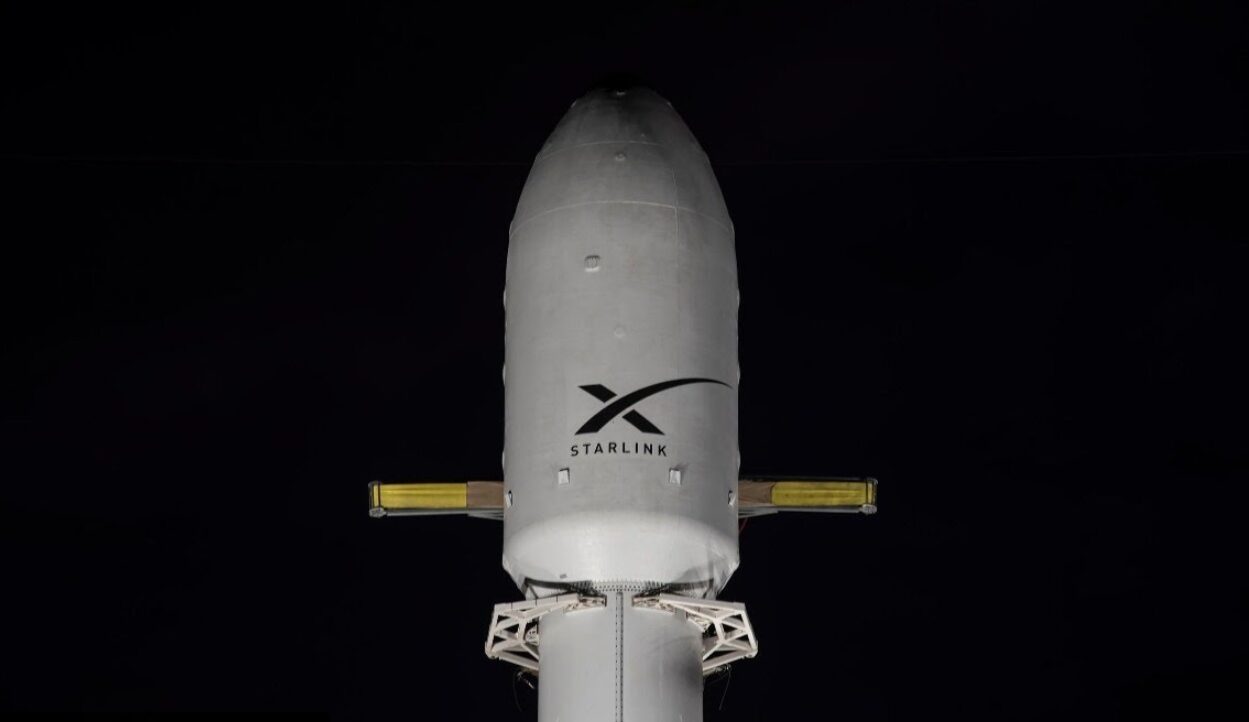
This week: SpaceX launched 21 SDA missile-tracking satellites, Soyuz MS-29 carried a new crew to the ISS, and Europe's space spending rose 12%.
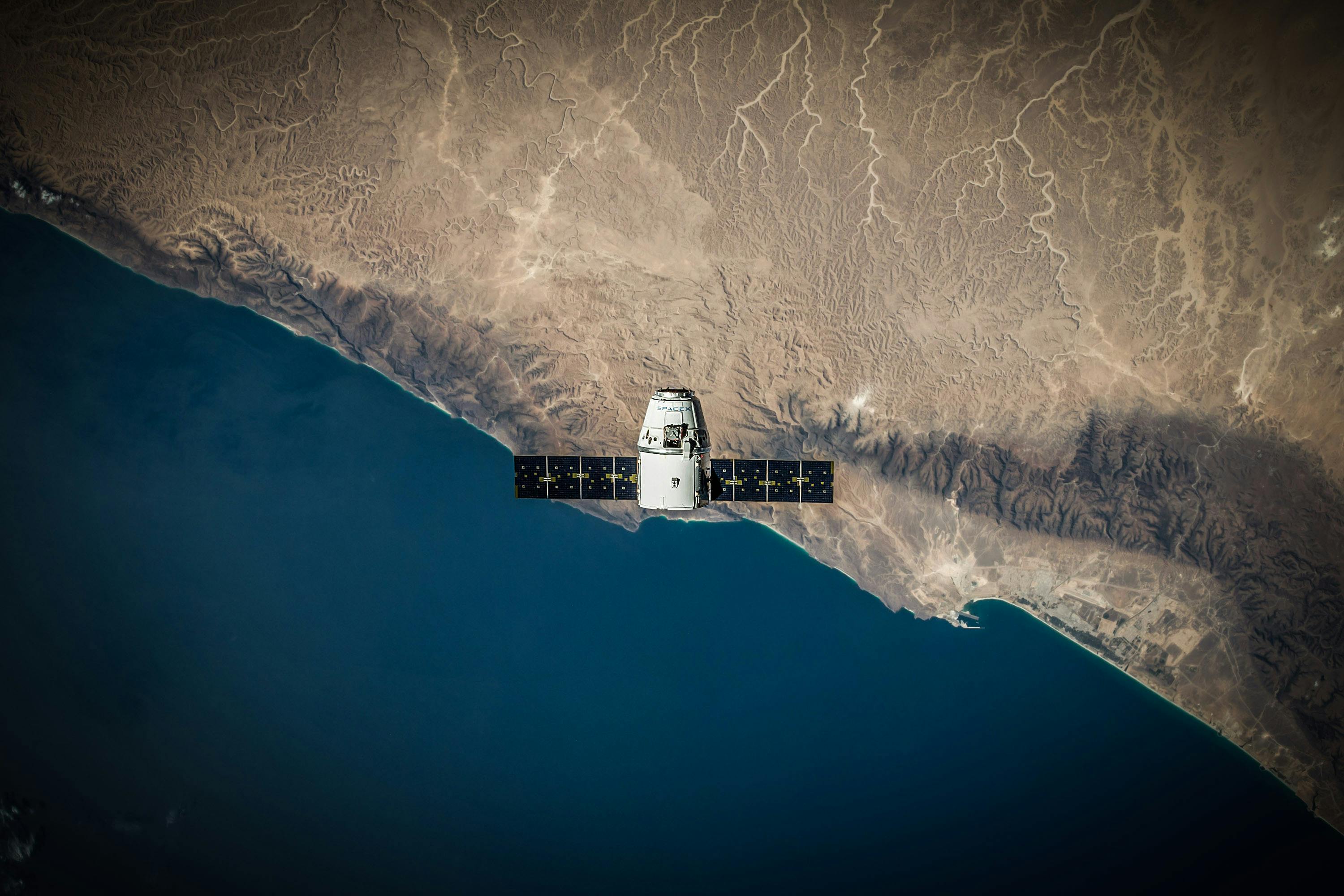
DIU explores SpaceX Starship's in-space refueling; Investors advise startups against competing or emulating SpaceX.
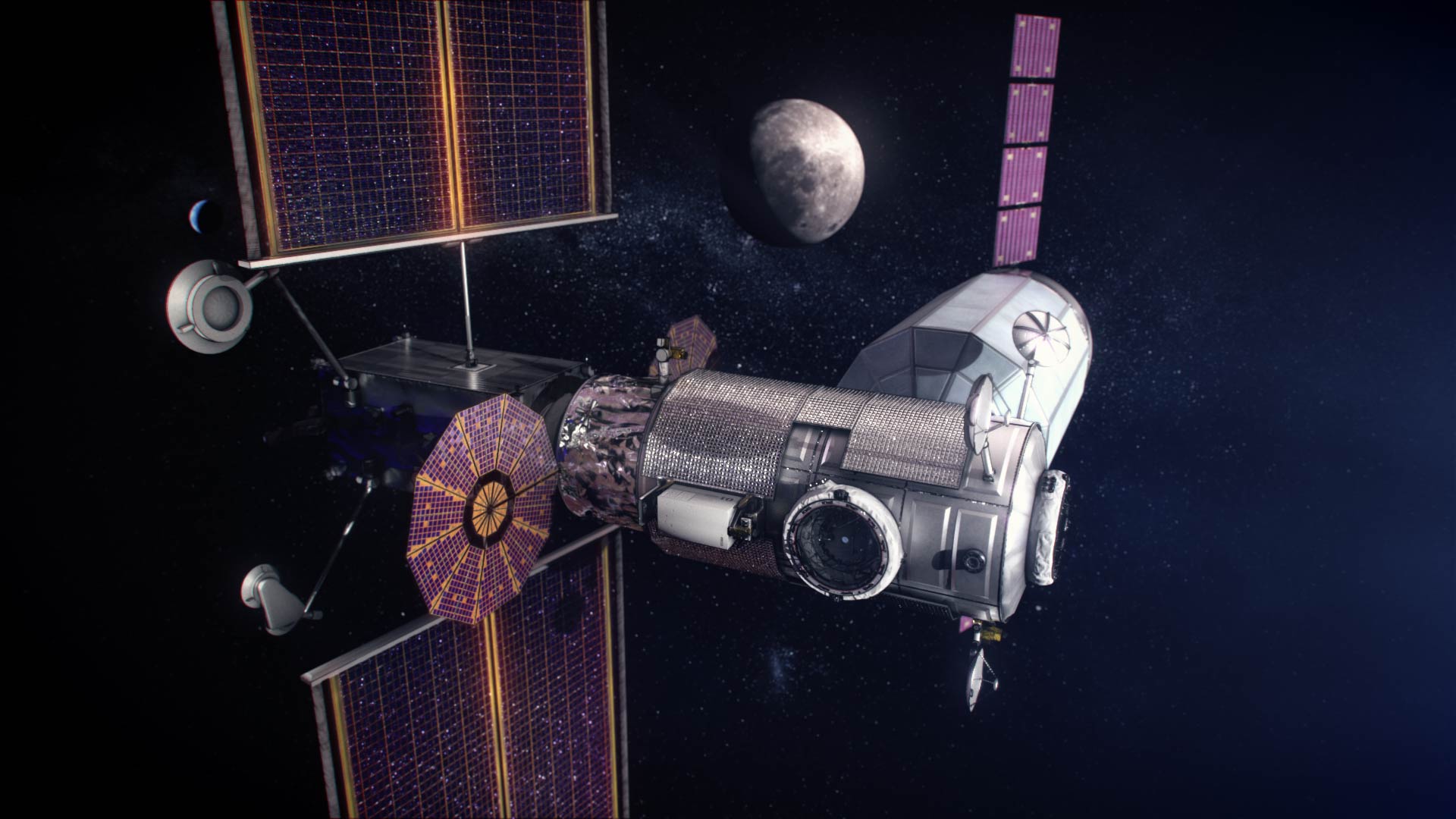
The volume of space between Earth and the Moon is roughly a thousand times larger than the orbit we actually watch, and almost none of it is under surveillance. As the U.S. and China race to build lunar outposts, the Space Force is scrambling to put eyes on a region it has been effectively blind to.
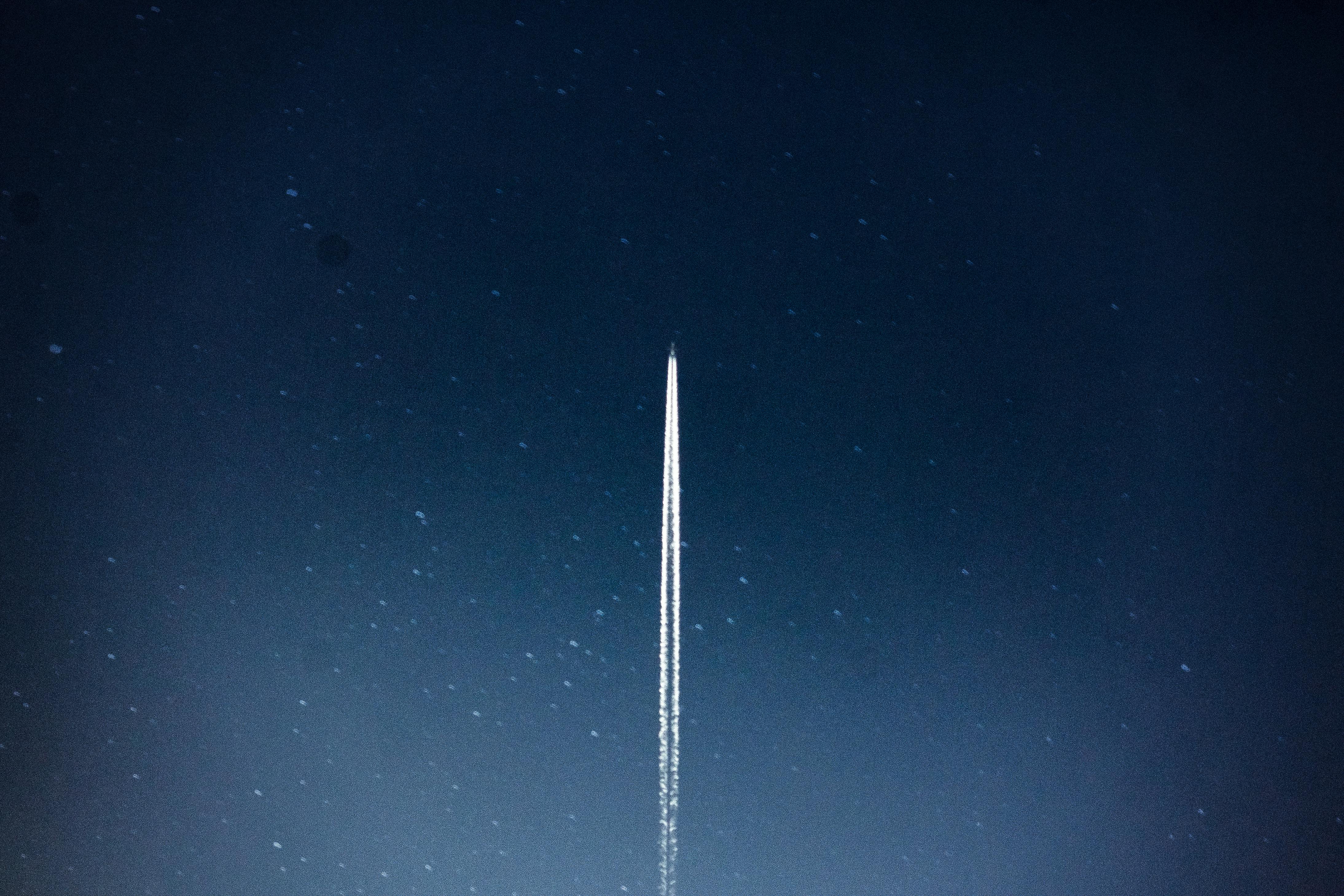
SpaceX's 600th Falcon 9 booster landing coincides with a $175M NASA Mars contract win and the final GPS III satellite launch this week.
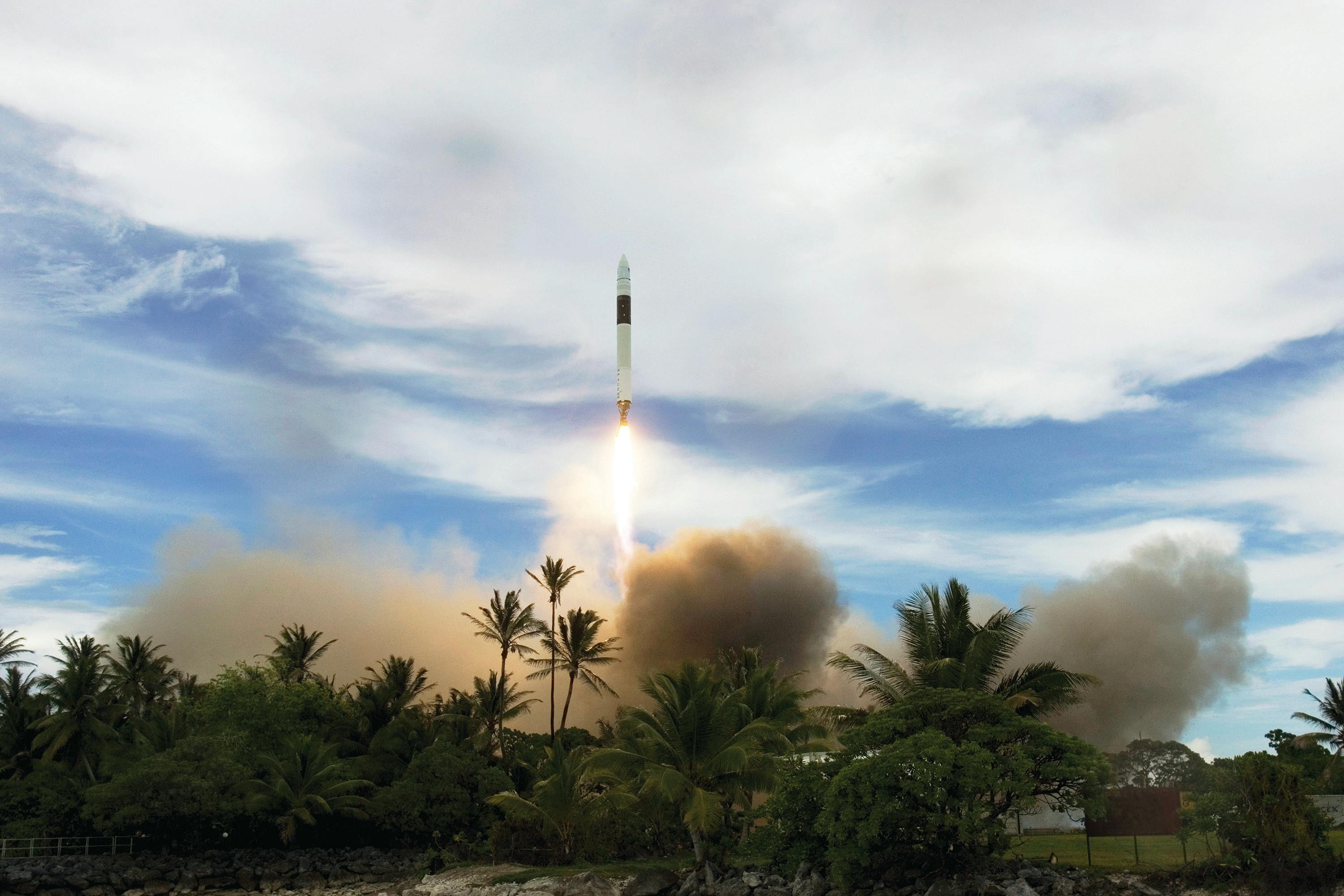
SpaceX's busy launch schedule faces scrubs, while industry leaders call for infrastructure upgrades, highlighting challenges in the bustling space sector.
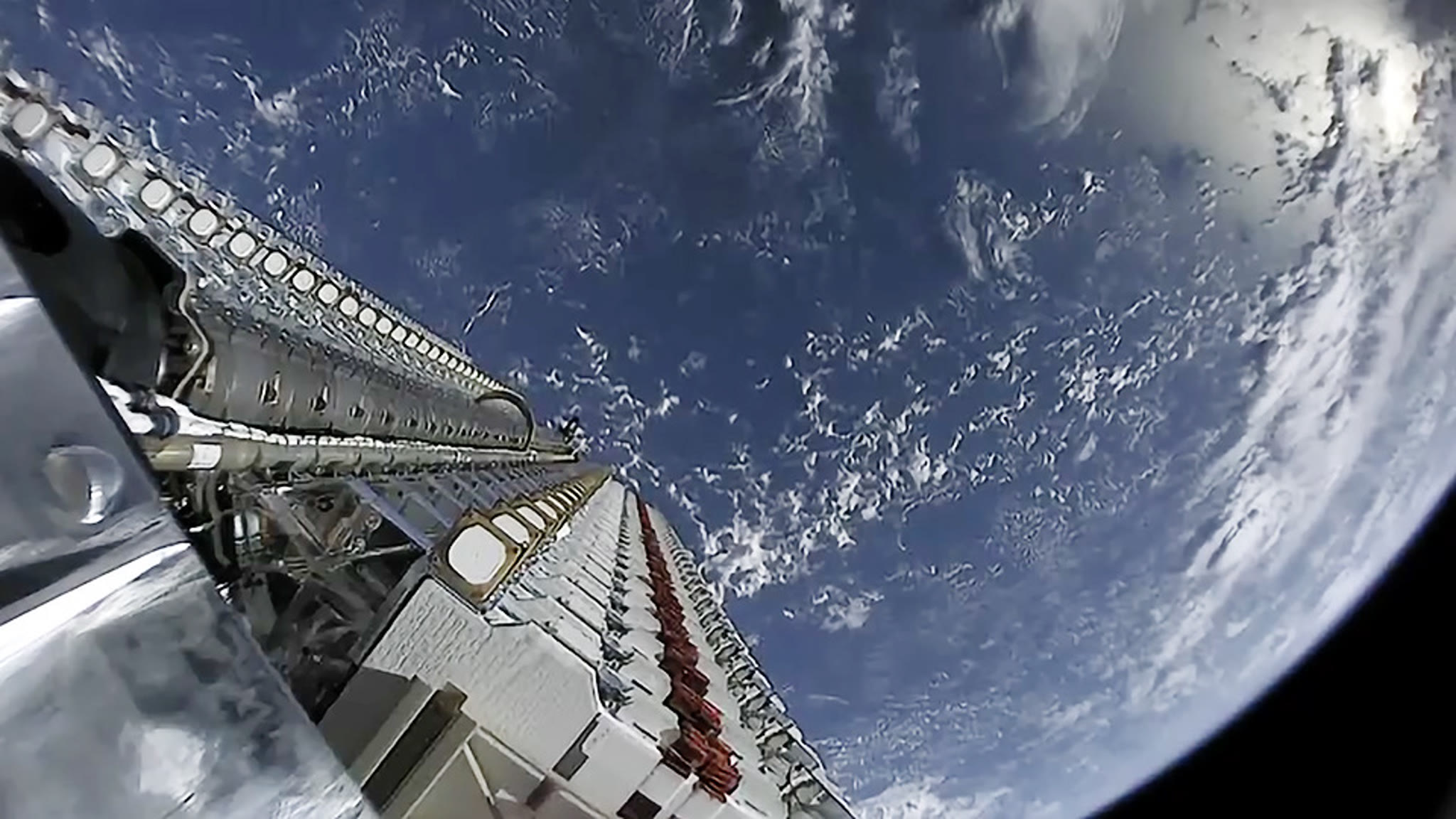
Starlink satellites fired their thrusters to dodge a collision roughly 300,000 times in 2025, about 822 times a day. Behind that number is a fragile, half-automated system of warnings, probabilities, and judgment calls that decides which close approaches are worth a maneuver and which are just noise.

Fifty-nine years ago, a revolutionary new rocket thundered skyward from Cape Kennedy, testing the spacecraft that would eventually carry astronauts to the lunar surface