The week of 2026-07-12 to 2026-07-19 was dominated by military space buildout. SpaceX flew four successful orbital missions, headlined by a 21-satellite delivery for the Space Development Agency’s missile-tracking and data relay network. Soyuz MS-29 carried a fresh crew to the ISS, two more Falcon 9 Starlink batches went up, and the Pentagon rolled out a $1.75 billion satellite contract alongside a surprise rollback of its cybersecurity mandate for contractors. Starship’s 13th flight test slipped past this window, leaving it as the story to watch next week.
By the Numbers
- Orbital launches: 4 (4 successful)
- Top stories covered: 9
- Starlink in orbit: 10,844 (10,828 working)
- On deck next week: 8 launches
The Week in Launches
July 16: A Falcon 9 lifted off from Space Launch Complex 4E at Vandenberg carrying 21 satellites for the SDA’s Tranche 1 Transport Layer E mission. It’s the third operational batch delivered for the Proliferated Warfighter Space Architecture, the Pentagon’s low-orbit data relay and missile-tracking mesh. The launch was successful.
July 14: Soyuz 2.1a launched Soyuz MS-29 to the International Space Station, carrying a new crew under Roscosmos. The mission went off without incident.
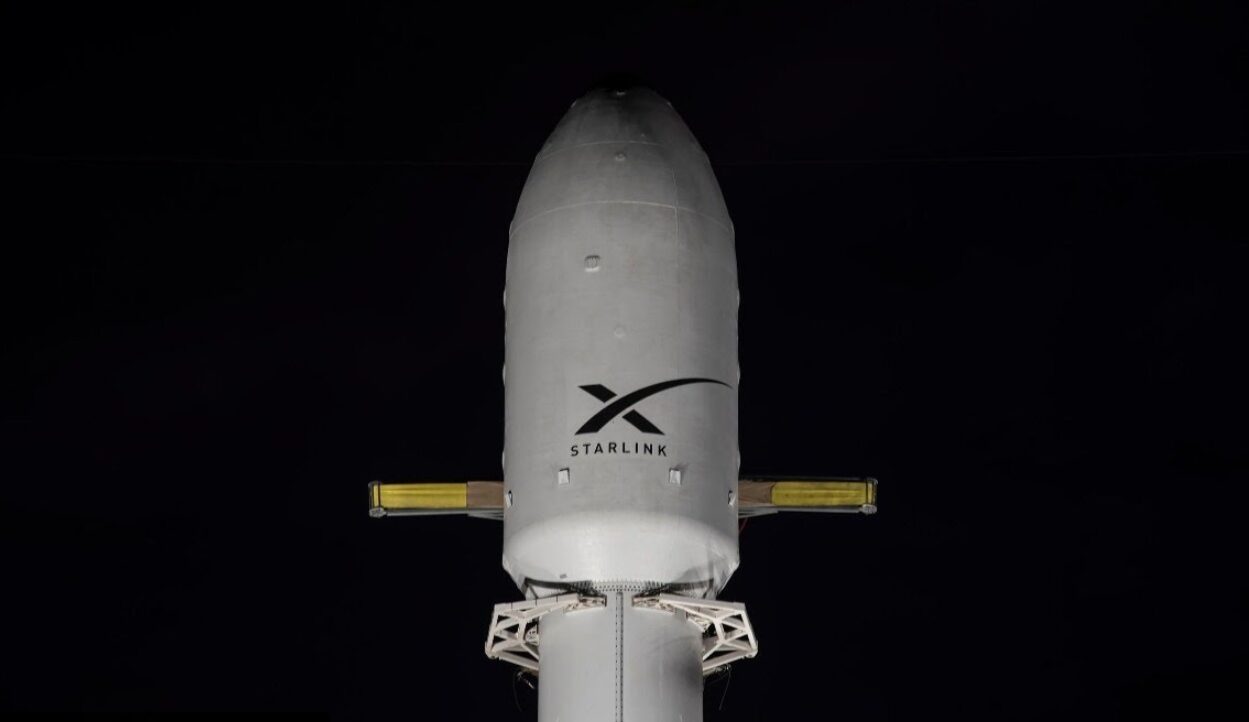
July 14: SpaceX flew two Starlink missions the same day. Group 10-45 launched from Space Launch Complex 40 at Cape Canaveral, and Group 15-14 launched from Space Launch Complex 4E at Vandenberg. Both reached low Earth orbit as planned.
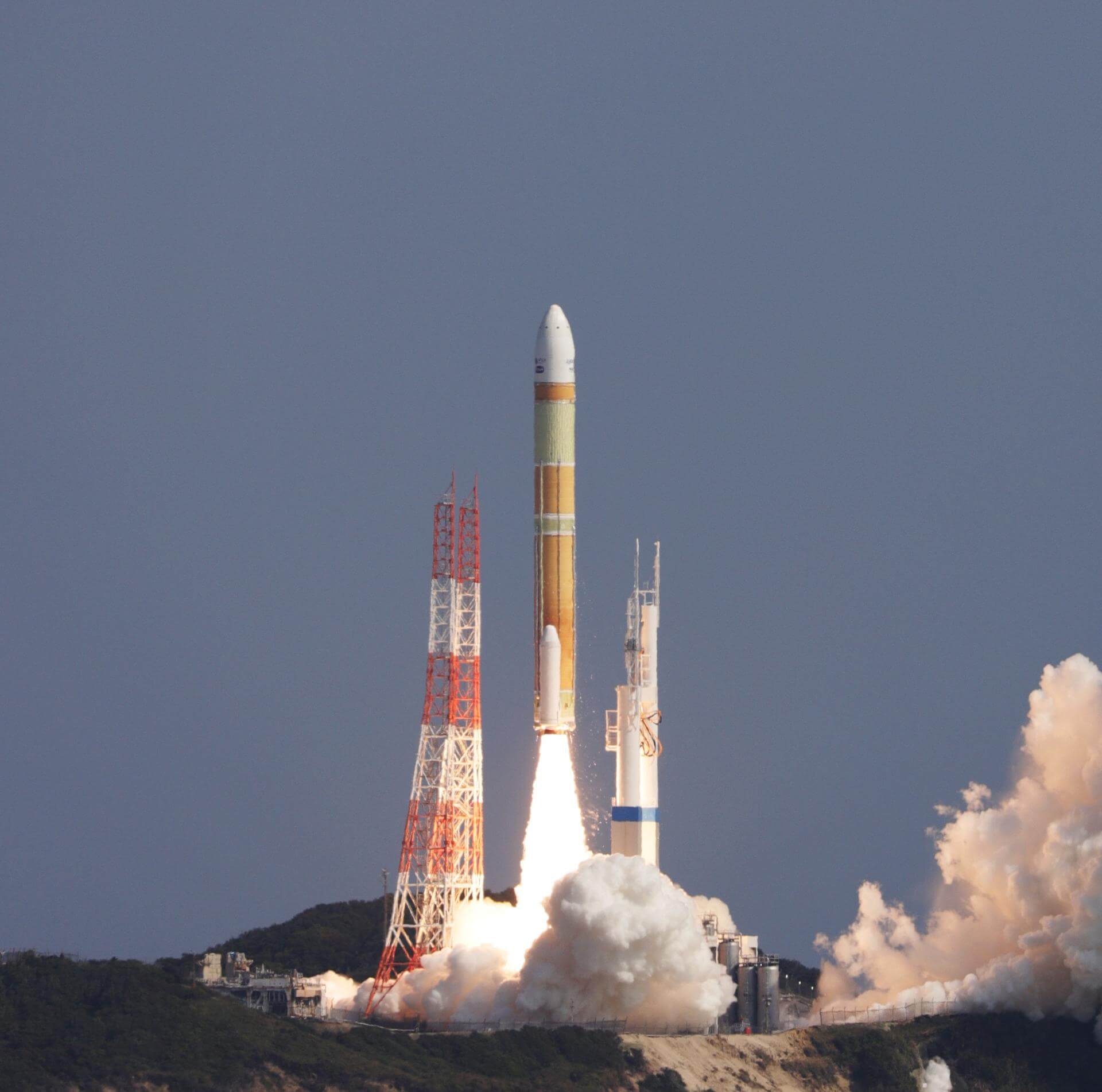
Two other launches remained open at the close of the window. A Long March 7A was reported “go for launch” on July 17 carrying an undisclosed payload, and Skyroot’s Vikram-I demo flight was reported in flight as of July 18. Neither had a confirmed outcome by the window’s end, so both roll into next week’s tracking.
Top Stories
SDA taps L3Harris and Sierra Space for 36 more missile-tracking satellites
The Space Development Agency awarded L3Harris and Sierra Space a combined $1.75 billion contract on July 13 to build 36 satellites for the next batch of the missile-tracking constellation. The award expands the Tranche architecture that SpaceX has been launching in stages, including this week’s Transport Layer E mission.
For anyone tracking these constellations, the contract signals the SDA’s tracking layer is scaling well beyond its initial demonstration batches. More satellites means more objects to catalog and more launches to expect through 2027 and beyond.
Read the full story: SpaceNews
SpaceX delivers 21 satellites for the military’s new data-relay layer
Space.com and Spaceflight Now both covered the July 16 Falcon 9 launch from Vandenberg carrying 21 satellites for the SDA’s Tranche 1 Transport Layer. The mission is the third operational batch supporting the Proliferated Warfighter Space Architecture.
This constellation is quickly becoming one of the largest new proliferated networks to track, sitting alongside Starlink and OneWeb in low orbit. Expect more Transport Layer batches through the rest of the year as the SDA fills out its coverage.
Read the full story: Space.com
Reditus preps hypersonic target vehicle for its first launch
Reditus is readying the first flight of its ENOS spacecraft, a re-entry vehicle the Missile Defense Agency is evaluating as a hypersonic target and testbed under the SHIELD contract. CEO Stef Crum confirmed the timeline to Breaking Defense on July 13.
Hypersonic target vehicles are a small but growing category in orbital and suborbital tracking data, since they fly unusual trajectories built to test missile defense sensors rather than reach stable orbit.
Read the full story: Breaking Defense
Europe’s government space spending jumps 12% on defense budgets
A July 13 European Space Agency report put 2025 European government space spending at roughly $15.4 billion, a 12% jump driven by rising national defense budgets. That runs counter to a 3% decline in global government space spending over the same period.
More European defense money typically means more European military and dual-use satellites entering orbit in the years ahead, adding to the catalog alongside the U.S. and Chinese buildouts already underway.
Read the full story: SpaceNews
Nancy Grace Roman Space Telescope arrives at Kennedy Space Center
NASA’s next flagship observatory arrived at Kennedy Space Center this week and has entered prelaunch servicing, according to a July 12 report from NASASpaceFlight.com. Roman is designed to survey wide fields of the sky for dark energy research and exoplanet detection.
Once launched, Roman will orbit near the Sun-Earth L2 point rather than low Earth orbit, putting it in a very different part of the catalog than most of this week’s other traffic.
Read the full story: NASASpaceFlight
Starship Flight 13 gets a launch date, then a list of changes
Teslarati reported on July 12 that SpaceX had set a target launch date of July 16 for Starship’s 13th integrated flight test, the second flight of the V3 Starship and Super Heavy vehicles. A follow-up report on July 13 detailed a slew of vehicle changes SpaceX made ahead of the attempt, aimed at pushing the system closer to full reusability.
The flight ultimately slipped past this week’s window and now shows up on next week’s schedule for July 20. Its most closely watched objective is deploying the first Starlink V3 satellites on a suborbital trajectory, a first for that satellite generation.
Read the full story: Teslarati
Pentagon suspends CMMC Phase II cybersecurity mandates
The Defense Department announced an “immediate suspension” of its Cybersecurity Maturity Model Certification Phase II mandates on July 13. Top officials said the program, as currently written, was too burdensome for the defense industrial base to comply with.
The pause touches every contractor building satellites and ground systems for the Pentagon, including several named in this week’s other stories, and could reshape compliance timelines for upcoming national security launches.
Read the full story: Breaking Defense
Artemis II sets a NASA streaming record
NASA reported that its Artemis II coverage drew 149 million views, setting a new streaming record for the agency, according to a July 12 Space.com report. The figures reflect the broader public reach of the crewed lunar mission that flew earlier this year.
Public interest at that scale tends to translate into sustained attention on cislunar tracking, an area that’s grown more crowded as more lunar missions from multiple countries stack up on the calendar.
Read the full story: Space.com
Starship Flight 13 to test first Starlink V3 deployment
Spaceflight Now’s July 16 preview detailed plans for Starship Flight 13 to deploy the first Starlink V3 satellites during a suborbital hop, along with a series of reusability upgrades to the launch vehicle. Liftoff was slated for a 90-minute window from Starbase’s pad 2.
Starlink V3 represents a substantial jump in satellite mass and capability over the current V2 Mini design. Tracking the first deployment attempt will matter for anyone modeling how the constellation’s orbital shell composition changes going forward.
Read the full story: Spaceflight Now
Constellation Watch
As of July 18, Starlink stood at 12,552 satellites launched, 10,844 still in orbit, and 10,828 reported working, with 1,708 decayed since the program began. Two more Falcon 9 batches, Group 10-45 and Group 15-14, joined the fleet this week, keeping SpaceX’s launch cadence for the network steady. Next week brings at least two more Starlink missions (Group 17-39 and 17-51), plus a possible first look at V3 hardware if Starship Flight 13 flies as planned.
The Week Ahead
- Starship Flight 13 (SpaceX, July 20): The second flight of the V3 Starship and Super Heavy stack, expected to attempt the first suborbital deployment of Starlink V3 satellites.
- Falcon 9 / Starlink Group 17-39 (SpaceX, July 20)
- Falcon 9 / MRV-1 (SpaceX, July 21)
- Gravity-1 (OrienSpace, July 22): Undisclosed payload.
- Long March 3B/E (CASC, July 23): Undisclosed payload.
- Kinetica 1 (CAS Space, July 23): Undisclosed payload.
- Long March 8A (CASC, July 24): Undisclosed payload.
- Falcon 9 / Starlink Group 17-51 (SpaceX, July 24)
The one to watch is Starship Flight 13. A clean flight with a successful Starlink V3 deployment would be the biggest hardware story of the summer so far.