COSMOS 531 (06266)

COSPAR: 1972-087D | Alt Name: Kosmos-531

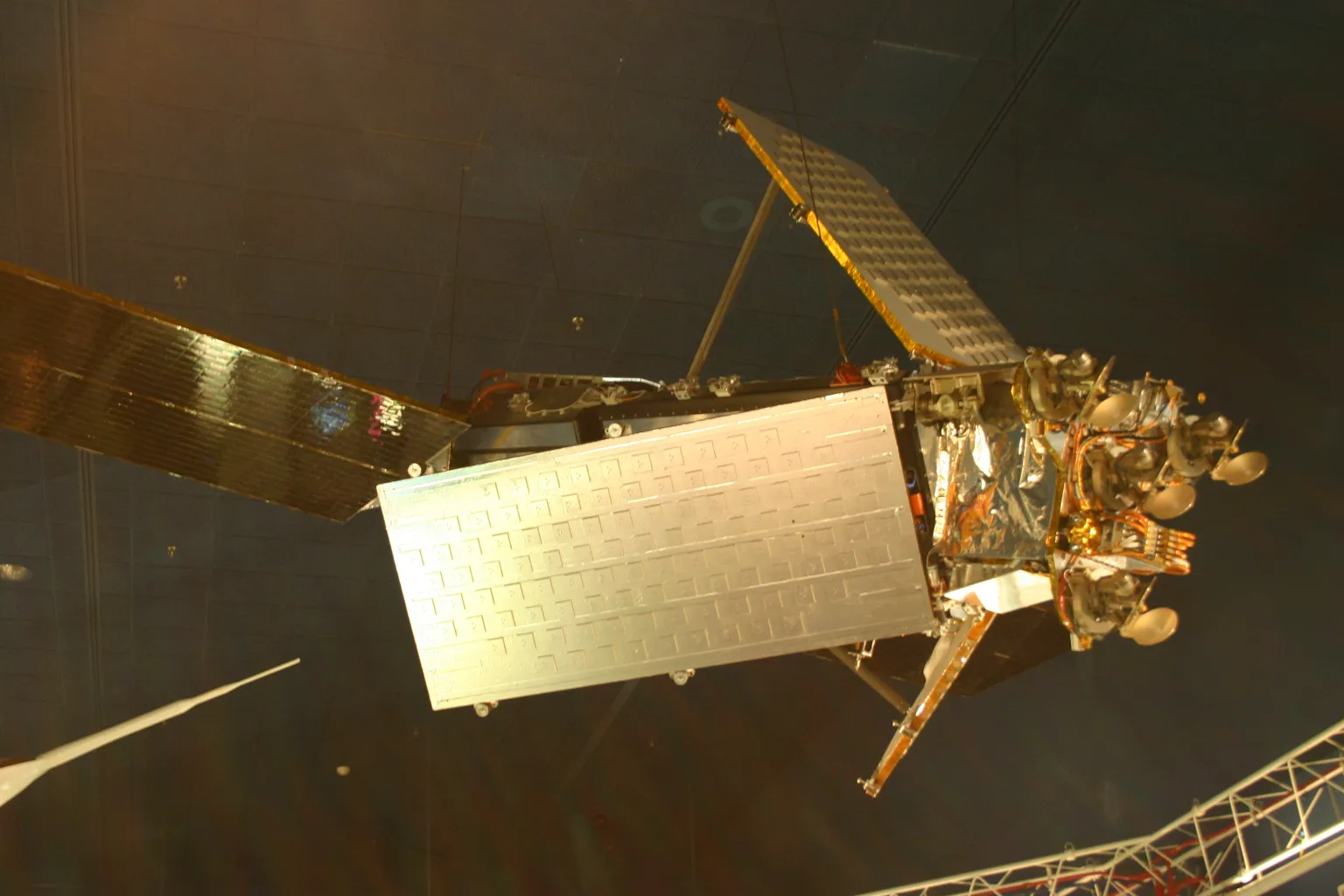
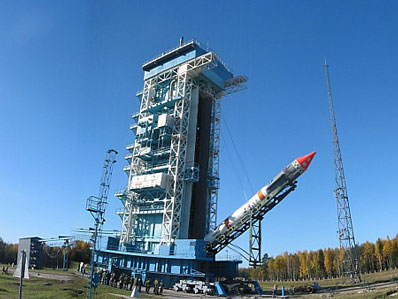
Image
COSMOS 531 Satellite Image
Additional Sources
Launch Details

Launch Date

November 1, 1972

Launch Site

PLMSC

Launch Pad

LC132/2

Launch Vehicle

Kosmos 11K65M

Orbital Elements

NORAD ID

06266

International Designator

1972-087D

Epoch

Mon, 20 Jul 2026 18:28:56 GMT

Apogee

Calculating...

Perigee

Calculating...

Inclination

74.03°

Right Ascension

70.31°

Eccentricity

Calculating...

Argument of Perigee

232.69°

Period

114.76 min

Mean Motion

12.55 rev/day

Latitude

Calculating...

Longitude

Calculating...

Altitude

Calculating...

Velocity

Calculating...

Polar Plot
3D Visualization
Basic Satellite Info

Name

COSMOS 531

Alternative Name

Kosmos-531

Type

Payload

Status

Unknown

Owner

OKB10

Country

USSR

Constellation

N/A

Related Satellites

Major Events

N/A

Latest TLEs
1 06266U 72087D   26201.77009838 -.00000027  00000+0 -64705-4 0  9993
2 06266  74.0343  70.3100 0031374 232.6942 194.9607 12.54805604460483

Source: Celestrak

Summary

Apologies, there is no summary for this satellite yet. I am working to generate these for every object in the catalog, but it is going to take time.

Physical Characteristics

Length

0.8

Diameter

0.8

Span

0.8

Dry Mass

60

Launch Mass

60

Shape

Poly

Radar Cross Section

0.7233

Visual Magnitude

Unknown

Color

Unknown

Material Composition

Unknown

Technical Details

Payload

Strela-1M Blok 05 No. 4

Purpose

Military Communication

Mission

Military Communication

Manufacturer

OKB10

Life Expectancy

6 months

Bus

Strela-1 11F625

Configuration

Unknown

Motor

Unknown

Equipment

Unknown

Power System

Solar cells, batteries

ADCS

Unknown

Transmitter Frequency

Unknown

Map
This tool will help you track the satellite's position and predict its upcoming passes over your location. Simply input the coordinates or click the geolocation button to get started.
Next Pass
Azimuth Elevation Time (Local)
Start Azimuth
Max Elevation
Stop Azimuth
Time Until
Pass Duration

Satellite Articles

View All Posts »

Learn more about satellites and other related topics.

Space Force Opens Cape Canaveral and Vandenberg Pads to New Launch Providers | KeepTrack Space Brief

Space Force Opens Cape Canaveral and Vandenberg Pads to New Launch Providers | KeepTrack Space Brief

Space Force issues call for launch providers at Cape Canaveral and Vandenberg. Vandenberg opens Space Launch Complex 14 bidding with Feb 12 deadline. Electra pitches hybrid aircraft to Pentagon.
Artemis 3 Schedule Slips With No Mission Plan From NASA | KeepTrack Space Brief

Artemis 3 Schedule Slips With No Mission Plan From NASA | KeepTrack Space Brief

NASA's Artemis 3 lunar landing mission schedule continues slipping over 2 months after revised plans announced, with no crew or surface activity details released publicly yet.

X Report 8 Dec 2025

X Report 8 Dec 2025

SpaceX faces weather challenges as it scrubs the launch of its 3,000th Starlink satellite. Meanwhile, Elon Musk discusses advancing to a Type II civilization in an engaging social media post.

Understanding Earth's Orbits and Their Applications

Understanding Earth's Orbits and Their Applications

Explore the dynamic realms of Earth's orbits, from LEO to GEO, unraveling the crucial roles they play in global communication, navigation, and surveillance.

Space Brief 4 Dec 2025

Space Brief 4 Dec 2025

Today's brief covers SpaceX's Starship launch approval, Antares' nuclear funding, and shifts in global space defense strategies.

Space Brief 1 Oct 2025

Space Brief 1 Oct 2025

Today's brief covers an increase in Chinese satellite launches, the operational status of the Space Force's ATLAS software, and a significant fundraising event in the defense sector.

The Looming Crisis of Orbital Debris

The Looming Crisis of Orbital Debris

As humanity increasingly relies on satellites, the escalating space junk problem poses a dire threat to our space-based infrastructure. With debris counts reaching alarming levels, urgent action is needed to prevent a cascade of collisions that could make key orbits unusable.

The Day Two Satellites Said Hello at 26,000 Miles Per Hour

The Day Two Satellites Said Hello at 26,000 Miles Per Hour

Seventeen years ago today, an operational American communications satellite and a dead Russian military relay crossed paths over Siberia. What happened next created more than 2,000 pieces of trackable debris - and fundamentally changed how the world thinks about space traffic.