


X Report 18 Nov 2025
SpaceX successfully launched the Sentinel-6B satellite to monitor global sea levels while resuming daytime rocket launches. Furthermore, delays in the Starship timeline impact NASA's Artemis 3 mission schedule.


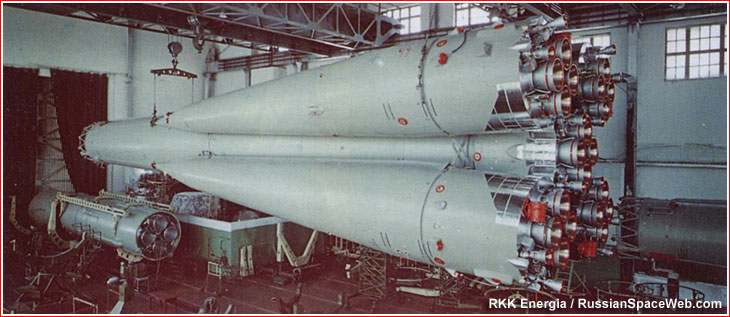
Launch Date
July 22, 1969
Launch Site
PLMSC
Launch Pad
LC41/1
Launch Vehicle
Voskhod 11A57
NORAD ID
04042
International Designator
1969-060A
Decay Date
7/30/1969
Name
COSMOS 290
Alternative Name
Kosmos-290
Type
Status
Owner
TSUKOS
Country
USSR
Constellation
N/A
Related Satellites
Major Events
N/A
Apologies, there is no summary for this satellite yet. I am working to generate these for every object in the catalog, but it is going to take time.
Length
6.5
Diameter
2.4
Span
6.5
Dry Mass
2100
Launch Mass
2100
Shape
Sphere + DCone
Radar Cross Section
Unknown
Visual Magnitude
Unknown
Color
Unknown
Material Composition
Unknown
Payload
Zenit-2 No. 75L
Purpose
Unknown
Mission
Unknown
Manufacturer
TSKBE3
Life Expectancy
Unknown
Bus
Zenit-2
Configuration
Unknown
Motor
Unknown
Equipment
Unknown
Power System
Unknown
ADCS
Unknown
Transmitter Frequency
Unknown
Learn more about satellites and other related topics.
SpaceX successfully launched the Sentinel-6B satellite to monitor global sea levels while resuming daytime rocket launches. Furthermore, delays in the Starship timeline impact NASA's Artemis 3 mission schedule.
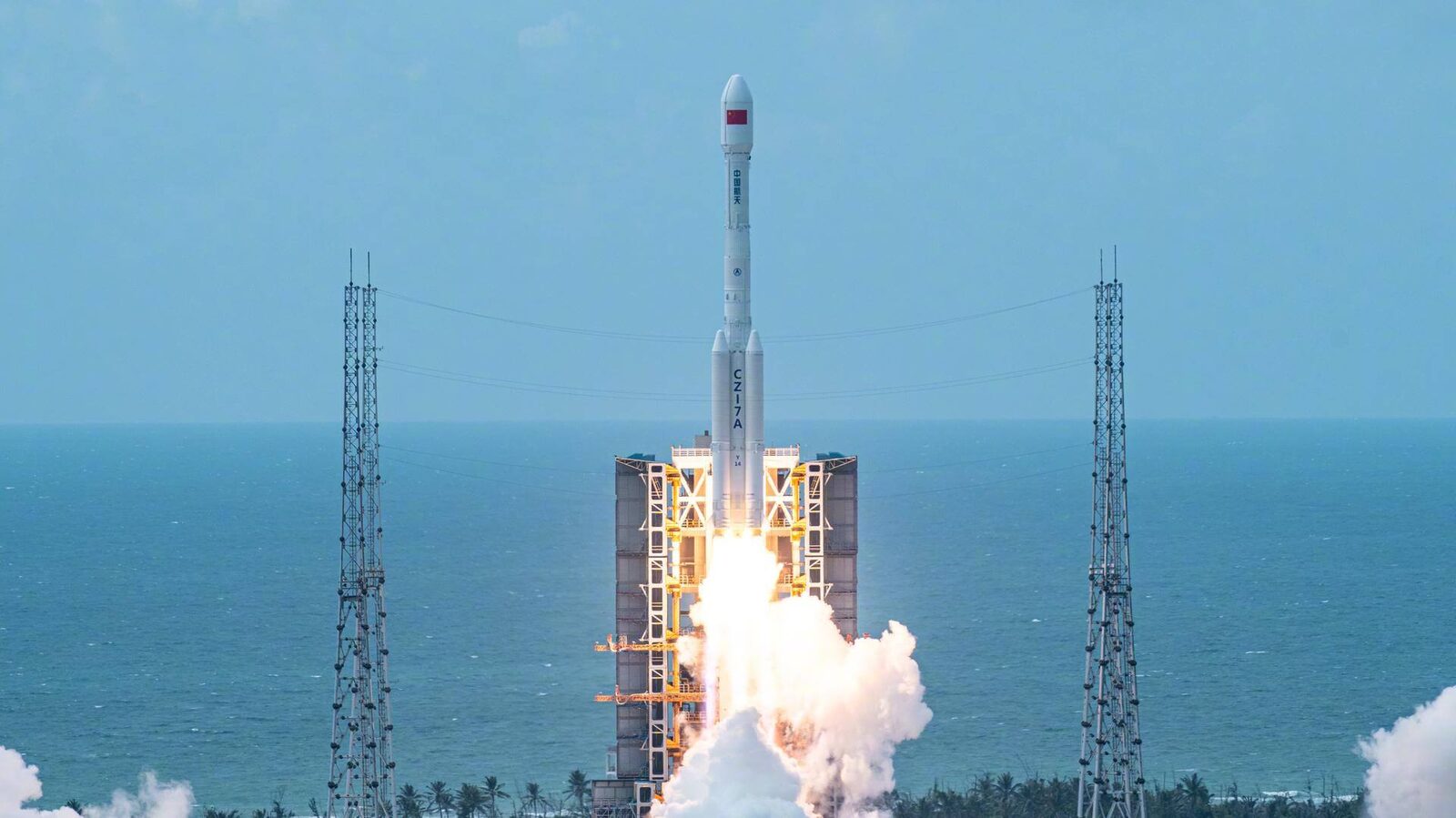
Gen. Chance Saltzman warns of impending space conflict as SpaceX launches 21 SDA satellites from Vandenberg. Space Force shifts from support role to core deterrent.
Starbase Pad 2 passes water-cooled deck test ahead of Booster 19. Starlink restrictions disrupt Russian battlefield communications. California city weighs banning Musk companies.
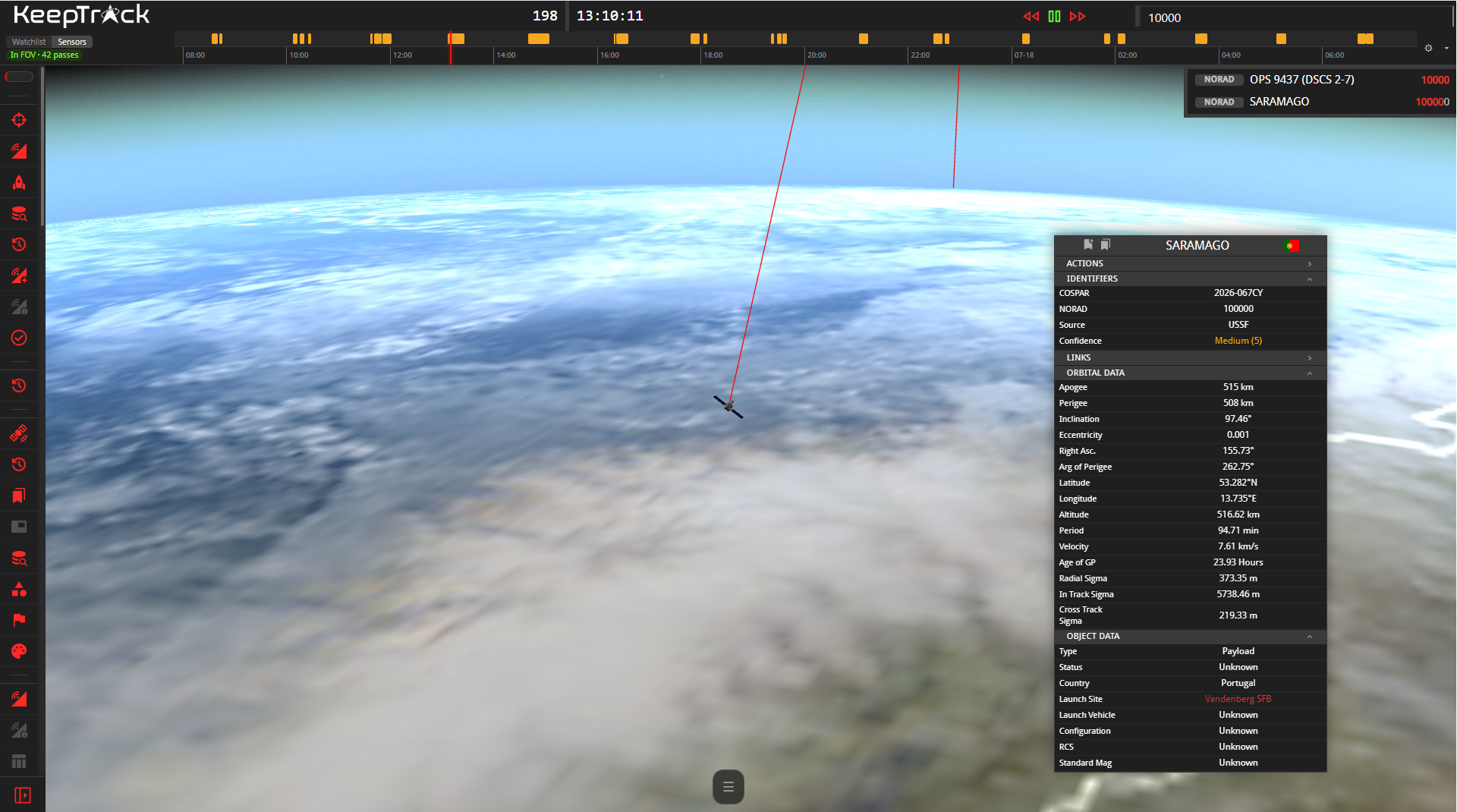
On July 11, 2026, a Portuguese satellite named after a Nobel laureate became the first object to carry catalog number 100000. It broke a five-digit numbering limit that had held since Sputnik, and exposed how unprepared decades of tracking software is for a sky this crowded.
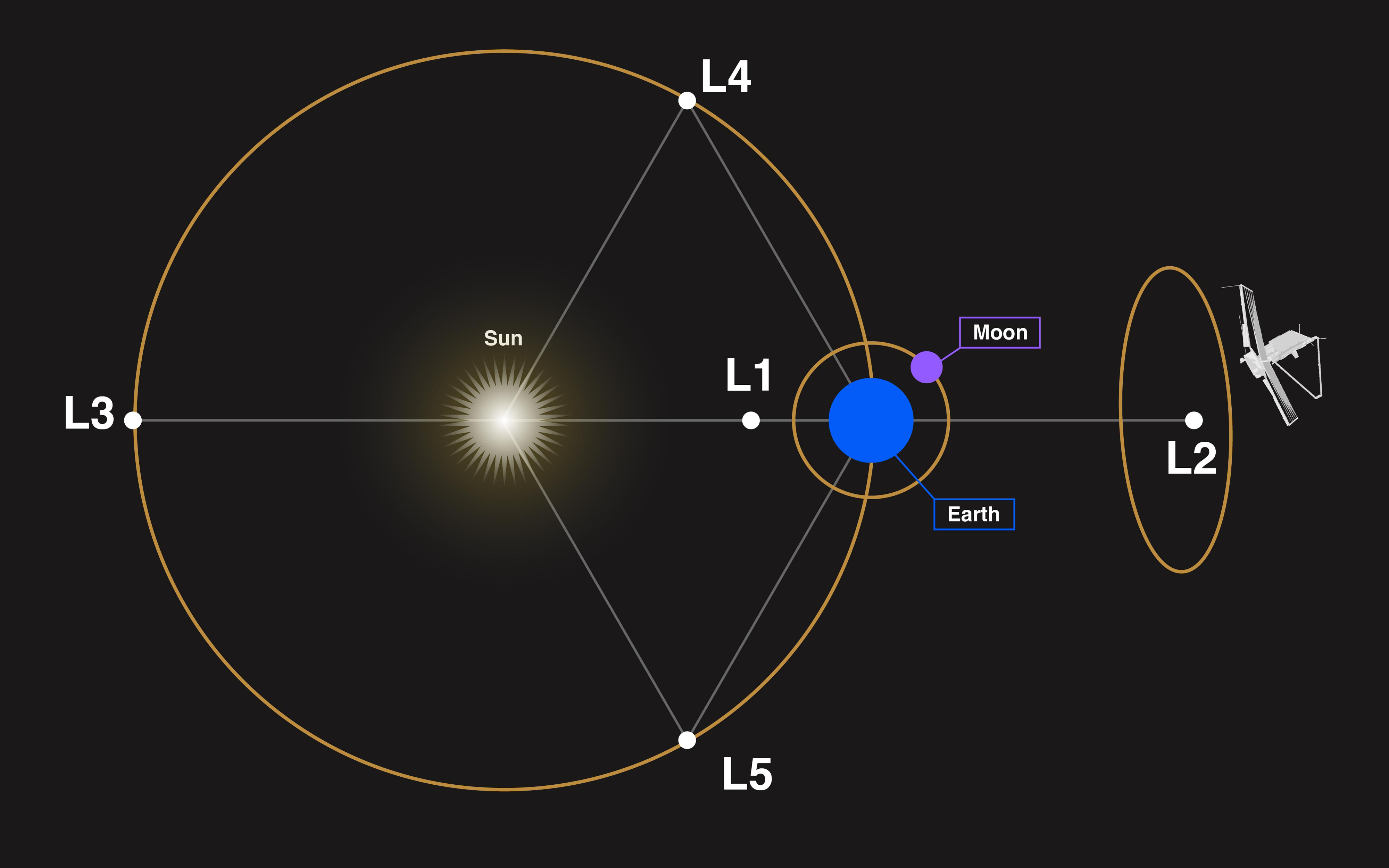
Five spots in the Earth-Sun system where the gravitational tug of two massive bodies and the pull of circular motion all cancel out, creating gravitational parking spaces where spacecraft can sit for decades with almost no fuel.

Pentagon cancels Next-Generation OPIR Polar program after Northrop Grumman delivered sensor payload. LEO and MEO alternatives deemed sufficient for missile-warning coverage.
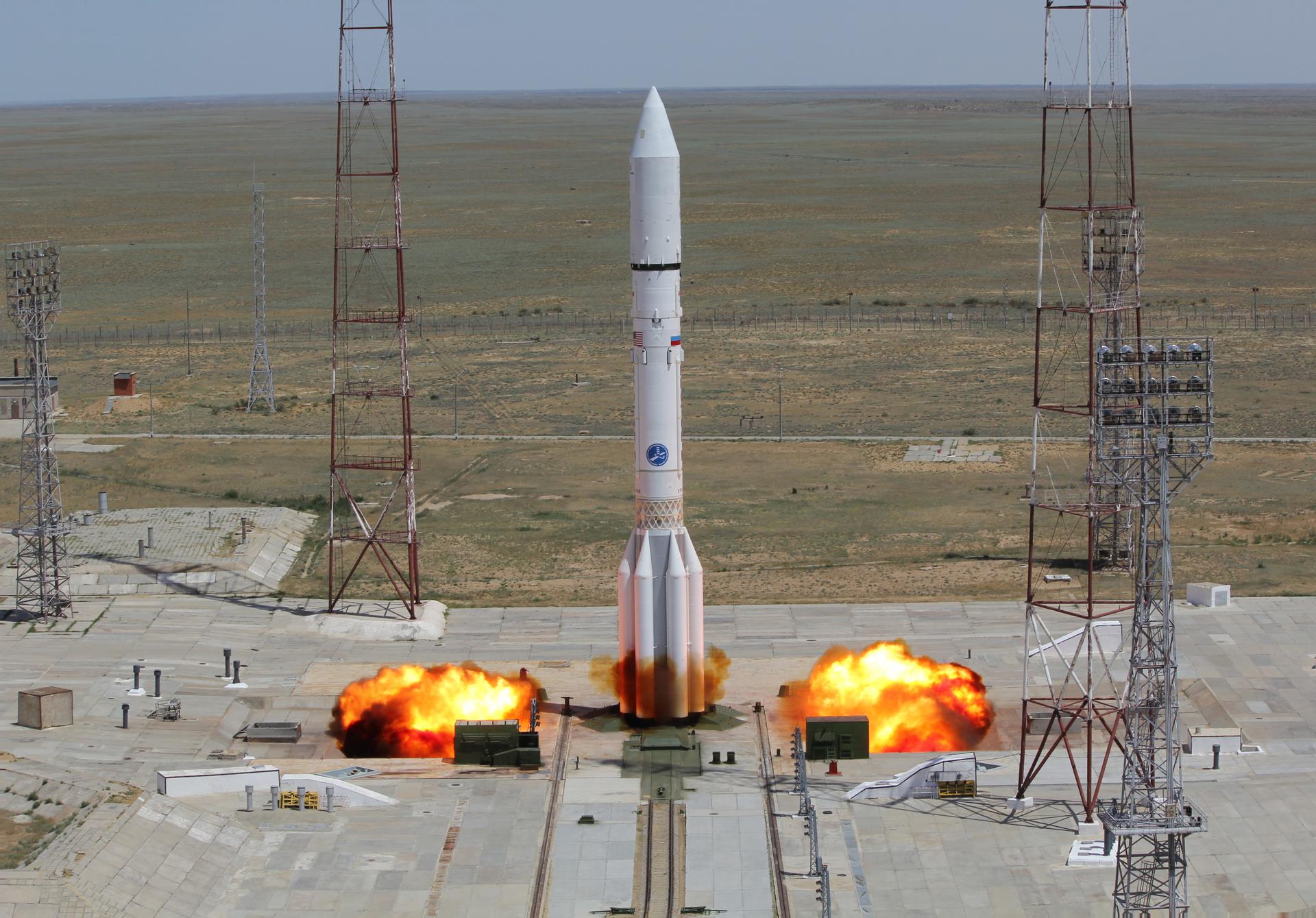
NASA conducts critical Artemis 2 rocket fueling test. Saudi Space Agency announces global DebriSolver competition winners. SpaceX and Bezos push orbital data center plans.

Today's highlights include SpaceX's rapid response GPS launch, Raytheon's new rocket motor test, and Starlink's revenue surge. Plus, the Space Force's modernization push.