


X Report 22 Aug 2025
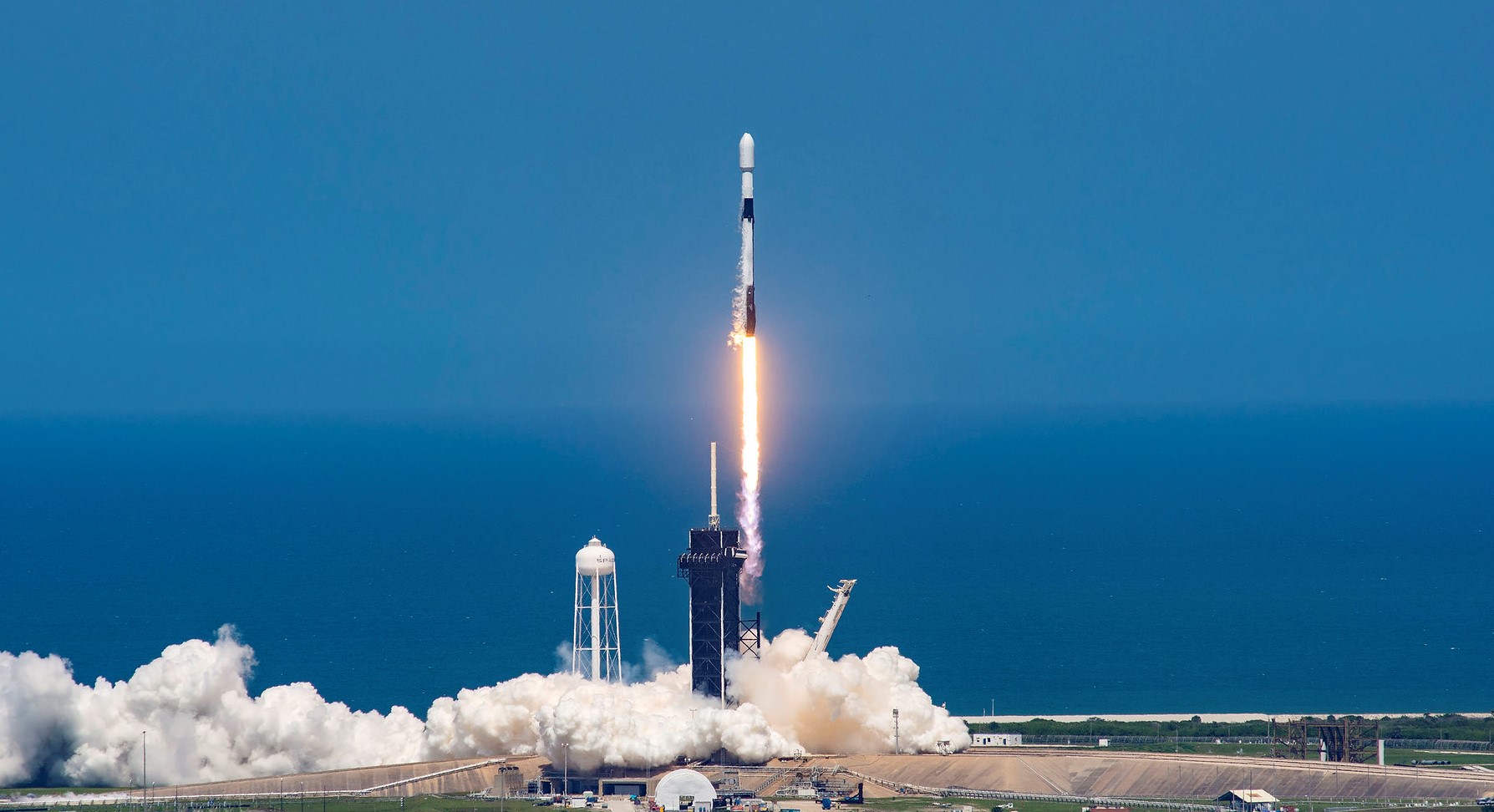
SpaceX successfully launched the U.S. Space Force's eighth X-37B spaceplane mission while preparing for an upcoming Starship launch. Meanwhile, the company continues to expand its Starlink satellite constellation.


NORAD ID
64571
International Designator
2025-135AV
Epoch
Sun, 19 Jul 2026 20:33:21 GMT
Apogee
Calculating...
Perigee
Calculating...
Inclination
97.78°
Right Ascension
314.59°
Eccentricity
Calculating...
Argument of Perigee
162.45°
Period
96.52 min
Mean Motion
14.92 rev/day
Latitude
Calculating...
Longitude
Calculating...
Altitude
Calculating...
Velocity
Calculating...
Name
IRIDE-MS2-HEO-5
Alternative Name
N/A
Type
Status
Owner
ASI/ARGOT
Country
Italy
Constellation
N/A
Related Satellites
Major Events
N/A
1 64571U 25135AV 26200.85649639 .00000972 00000+0 10163-3 0 9990
2 64571 97.7754 314.5894 0001089 162.4528 197.6728 14.91923155 58759
Source: Celestrak
Apologies, there is no summary for this satellite yet. I am working to generate these for every object in the catalog, but it is going to take time.
Length
0.7
Diameter
0.5
Span
2.0
Dry Mass
65
Launch Mass
65
Shape
Box+2 pan
Radar Cross Section
Unknown
Visual Magnitude
Unknown
Color
Unknown
Material Composition
Unknown
Payload
HEO-5
Purpose
Unknown
Mission
Unknown
Manufacturer
ARGOT
Life Expectancy
Unknown
Bus
HAWK
Configuration
Unknown
Motor
Unknown
Equipment
Unknown
Power System
Unknown
ADCS
Unknown
Transmitter Frequency
Unknown
Learn more about satellites and other related topics.
SpaceX successfully launched the U.S. Space Force's eighth X-37B spaceplane mission while preparing for an upcoming Starship launch. Meanwhile, the company continues to expand its Starlink satellite constellation.
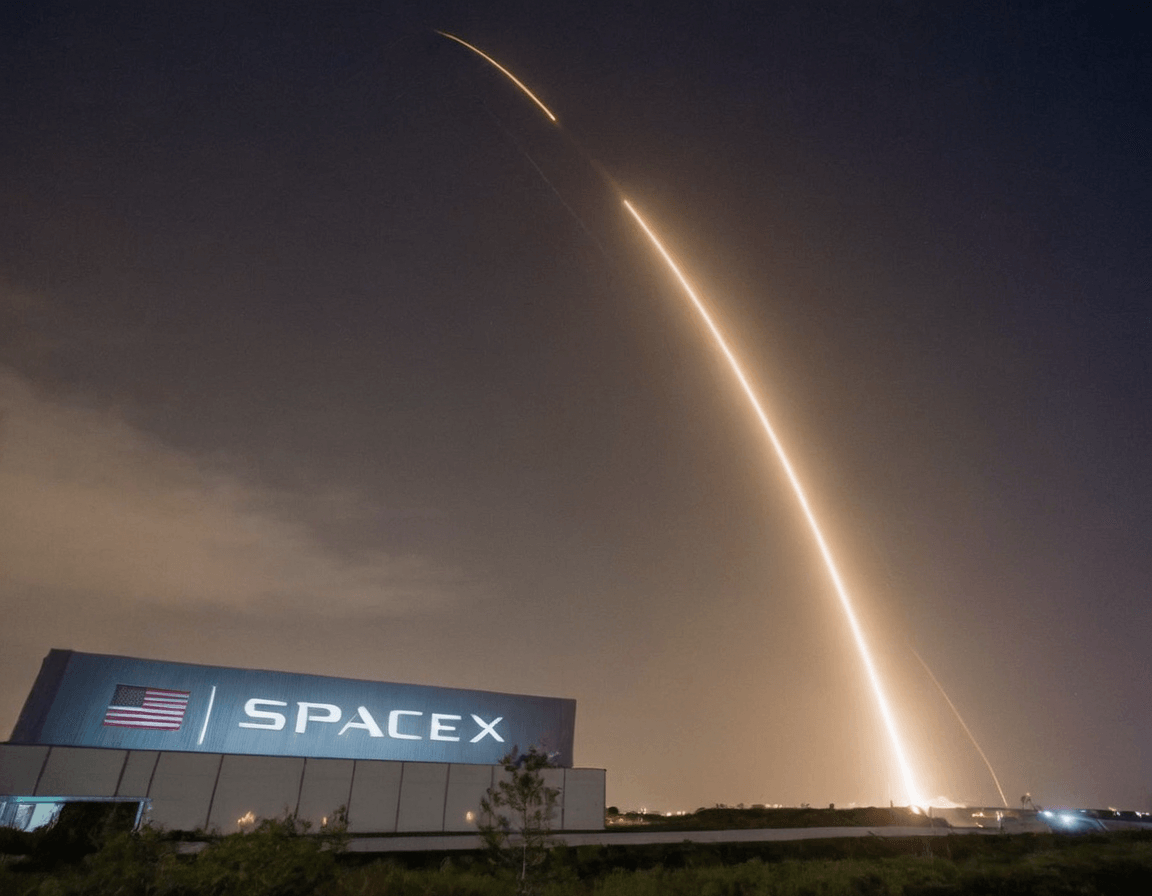
SpaceX successfully returns to flight with a Starlink mission, detailing the cause of the July 11 anomaly and implementing fixes to prevent future incidents.

Today's brief covers advances in satellite docking technology, challenges faced by space companies with government navigation, and China's leap in space autonomy through AI developments.

Key updates today focus on SpaceX's latest satellite launch for the U.S. military, critical space resource assessments by the U.S. Space Force, and new developments in space infrastructure and equipment for defense operations.
Today’s highlights include new defense initiatives in the U.S., potential strategic shifts in Europe, and the establishment of council to counter security threats.

SpaceX secures major contracts for U.S. national security launches, including multiple Falcon Heavy missions. Significant updates on Starlink deployments and the ongoing evolution of the company highlight a productive day in the space sector.
This week: SpaceX launched 21 SDA missile-tracking satellites, Soyuz MS-29 carried a new crew to the ISS, and Europe's space spending rose 12%.
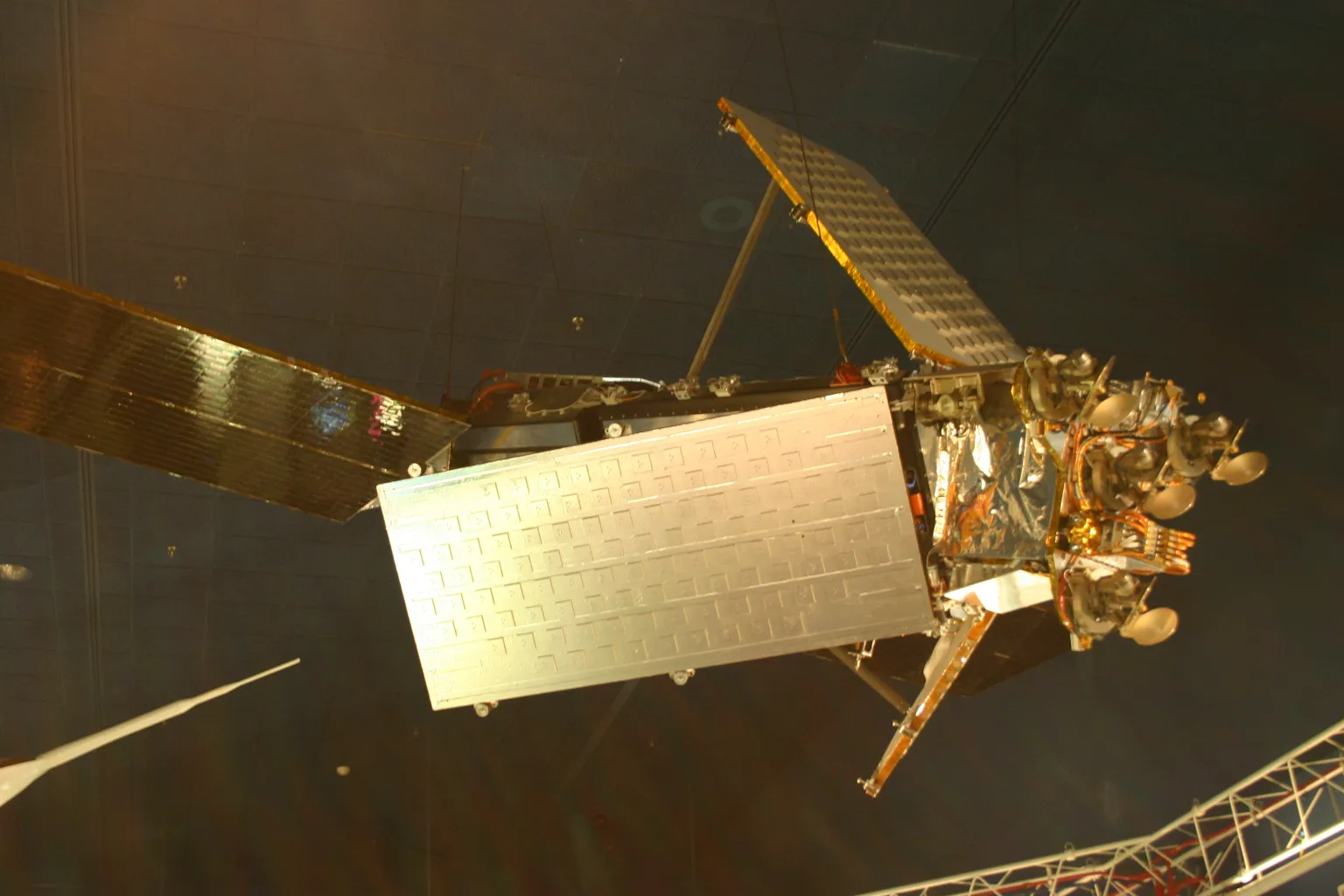
Seventeen years ago today, an operational American communications satellite and a dead Russian military relay crossed paths over Siberia. What happened next created more than 2,000 pieces of trackable debris - and fundamentally changed how the world thinks about space traffic.