


Artemis 2 Crew First Lunar-Bound Humans Since 1972 | KeepTrack Space Brief
Artemis 2 Orion carries first humans toward the Moon in 53 years. Spacecraft in good health after trans-lunar injection; lunar flyby observation plan due April 6.


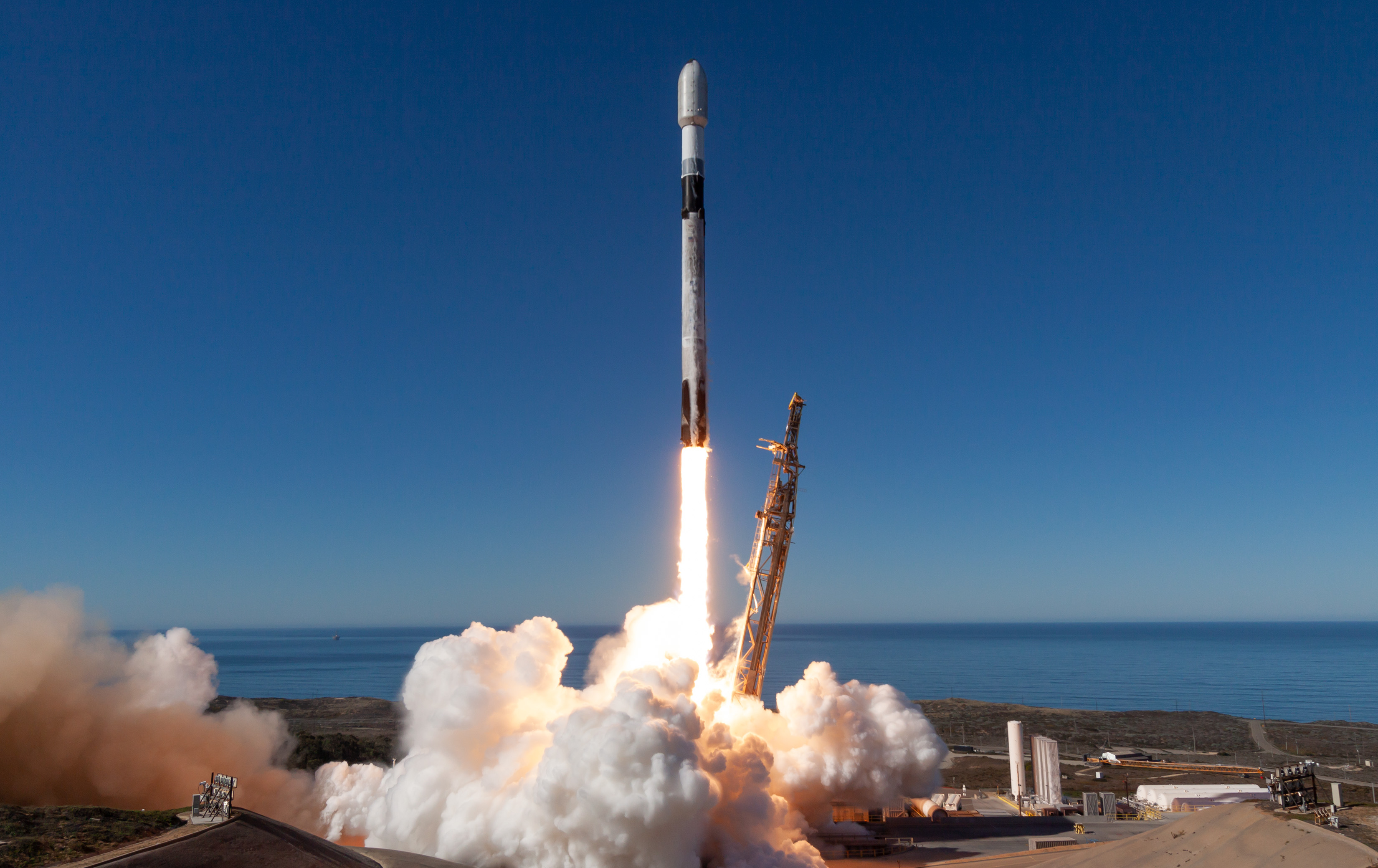
NORAD ID
62680
International Designator
2025-009BZ
Epoch
Sun, 19 Jul 2026 18:16:32 GMT
Apogee
Calculating...
Perigee
Calculating...
Inclination
97.40°
Right Ascension
282.43°
Eccentricity
Calculating...
Argument of Perigee
195.04°
Period
93.97 min
Mean Motion
15.32 rev/day
Latitude
Calculating...
Longitude
Calculating...
Altitude
Calculating...
Velocity
Calculating...
Name
Flock 4g-29
Alternative Name
Flock 4g-29
Type
Status
Owner
PLAN
Country
United States
Constellation
N/A
Related Satellites
Major Events
N/A
1 62680U 25009BZ 26200.76148671 .00019883 00000+0 63680-3 0 9992
2 62680 97.3998 282.4328 0006587 195.0449 165.0598 15.32395980141528
Source: Celestrak
Length
0.3
Diameter
0.1
Span
0.3
Dry Mass
5.7
Launch Mass
5.7
Shape
Box+2 pan
Radar Cross Section
Unknown
Visual Magnitude
Unknown
Color
Unknown
Material Composition
Unknown
Payload
Dove 2547
Purpose
Unknown
Mission
Unknown
Manufacturer
PLAN
Life Expectancy
Unknown
Bus
Cubesat 3U
Configuration
Unknown
Motor
Unknown
Equipment
Unknown
Power System
Unknown
ADCS
Unknown
Transmitter Frequency
Unknown
Learn more about satellites and other related topics.
Artemis 2 Orion carries first humans toward the Moon in 53 years. Spacecraft in good health after trans-lunar injection; lunar flyby observation plan due April 6.
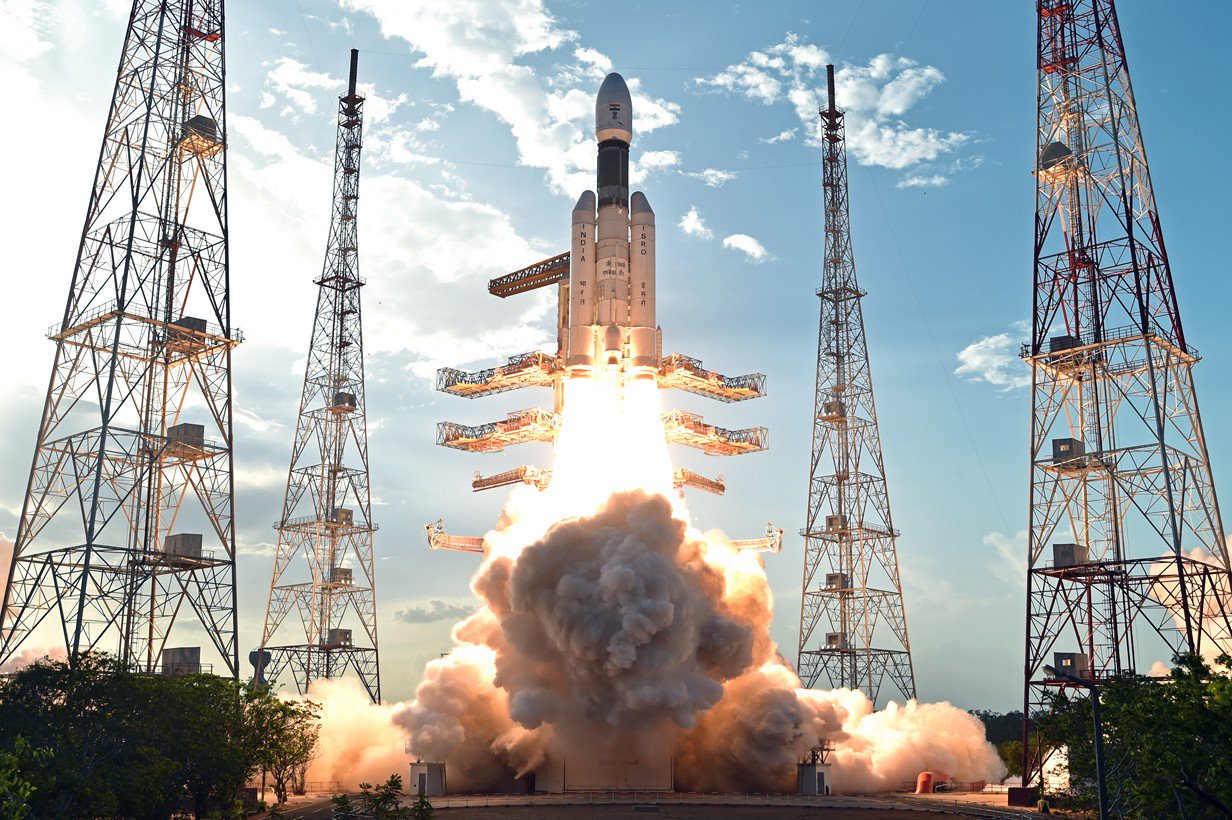
Today's updates cover Rocket Lab's launch for the U.S. Space Force, Digantara's major funding round, and discussions on national security in space.
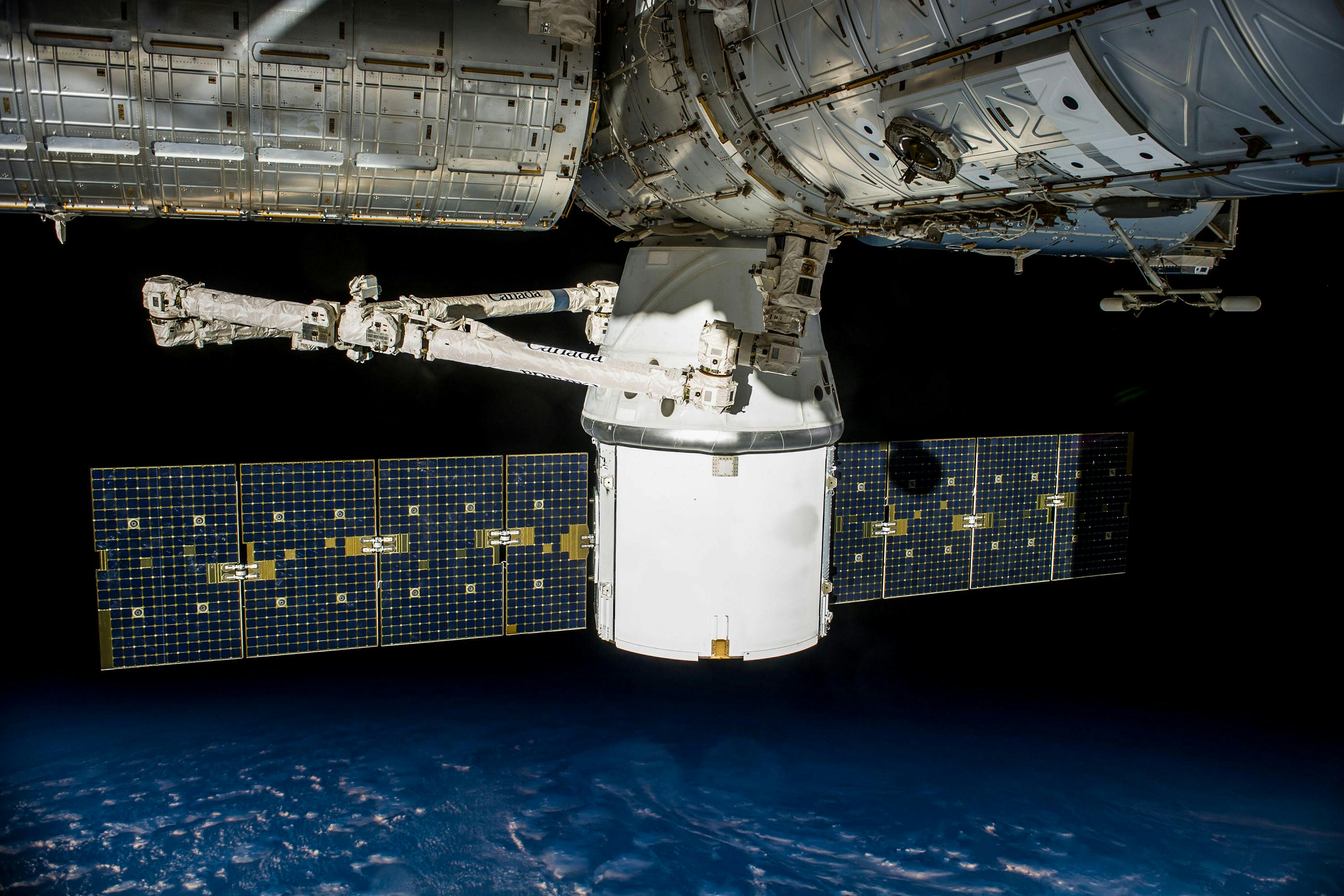
Today's report highlights a catastrophic failure during Starship preparations, significant advancements in Starlink services in Ukraine and India, and the successful launch of 28 Starlink satellites.
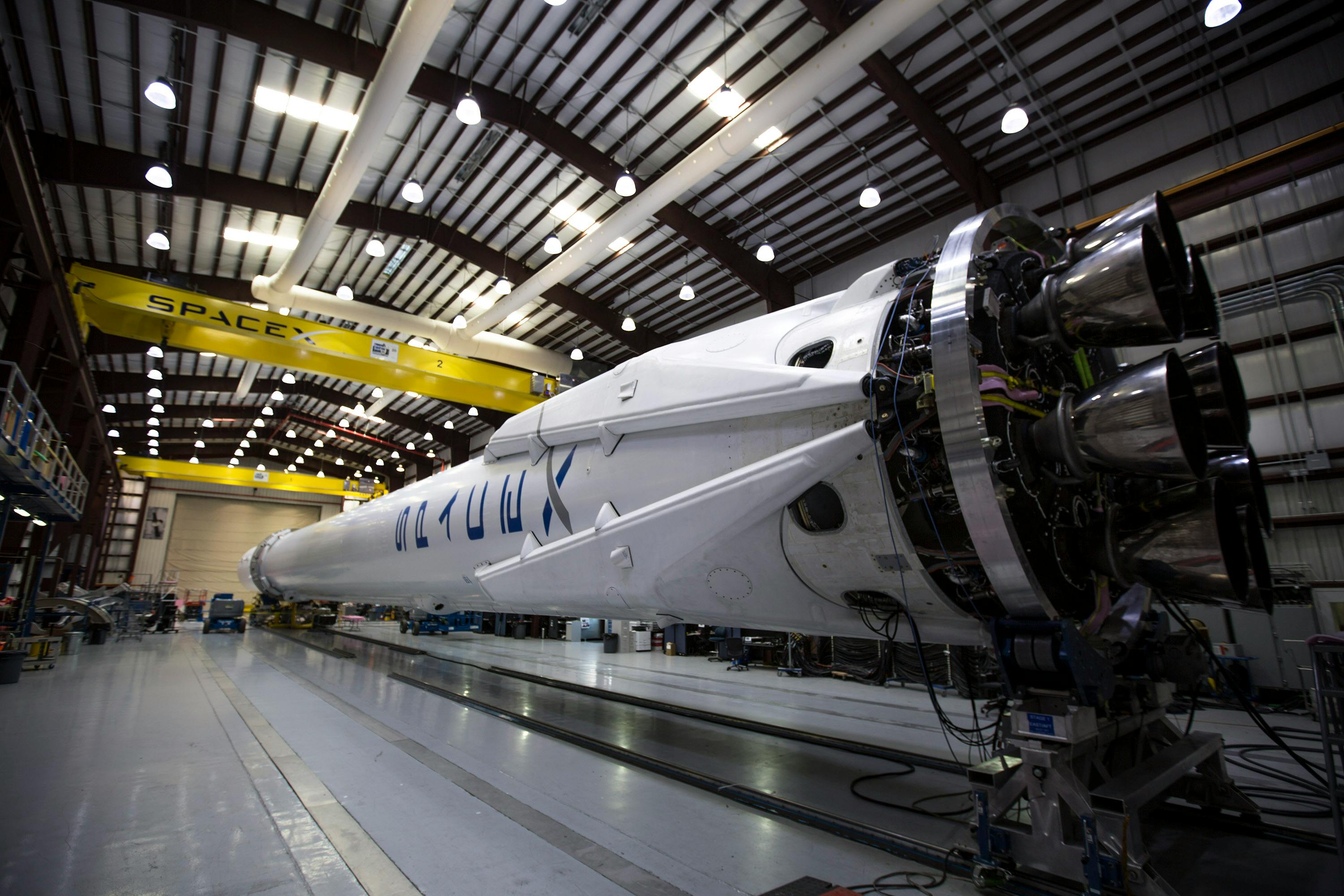
SpaceX's historic $75B IPO priced at $135/share launches SPCX on Nasdaq at a $1.77 trillion valuation — the largest IPO in history.
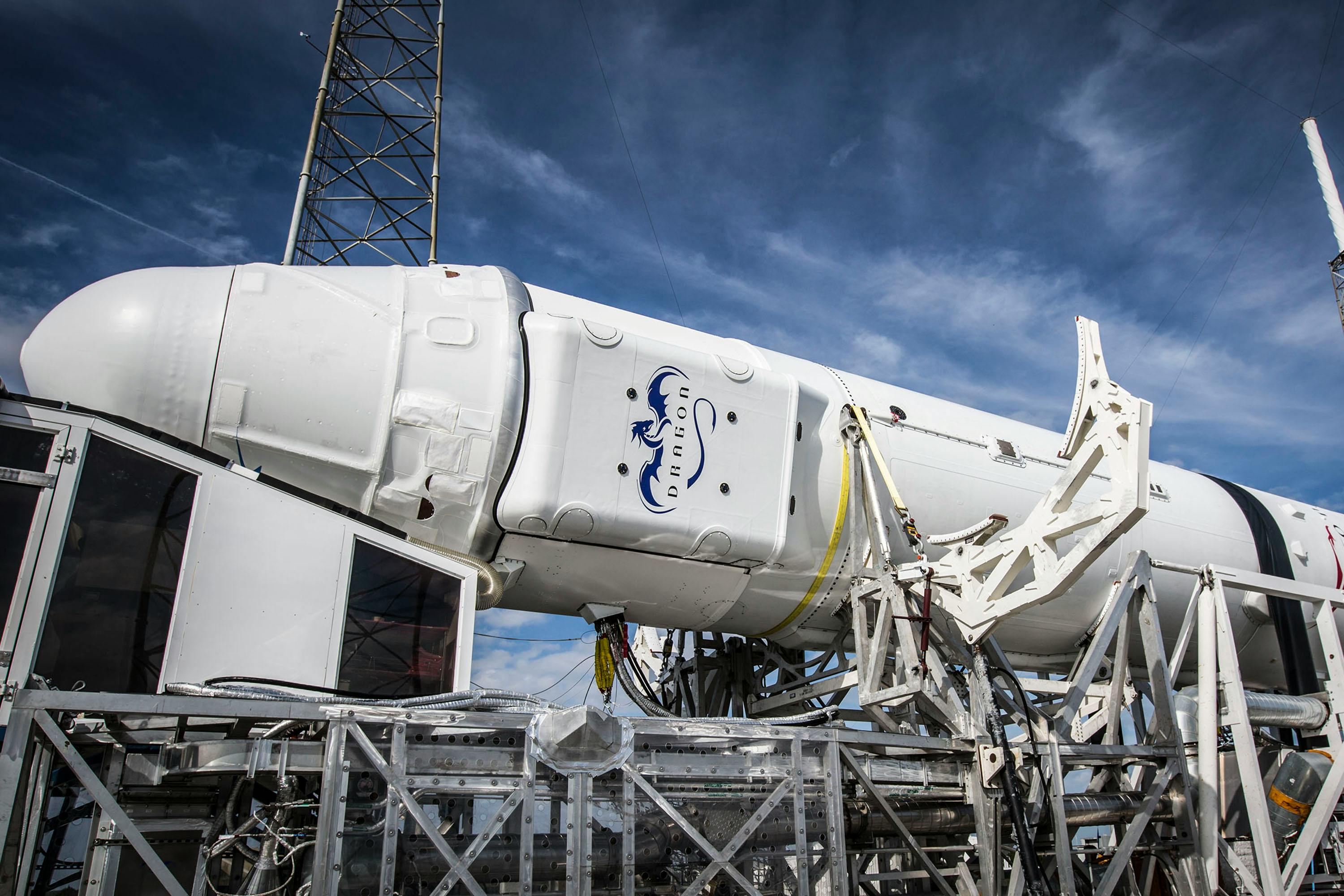
FAA documents expose SpaceX's Starfall reentry vehicle program, targeting in-space manufacturing support as the Starlink constellation holds 10,397 working satellites.
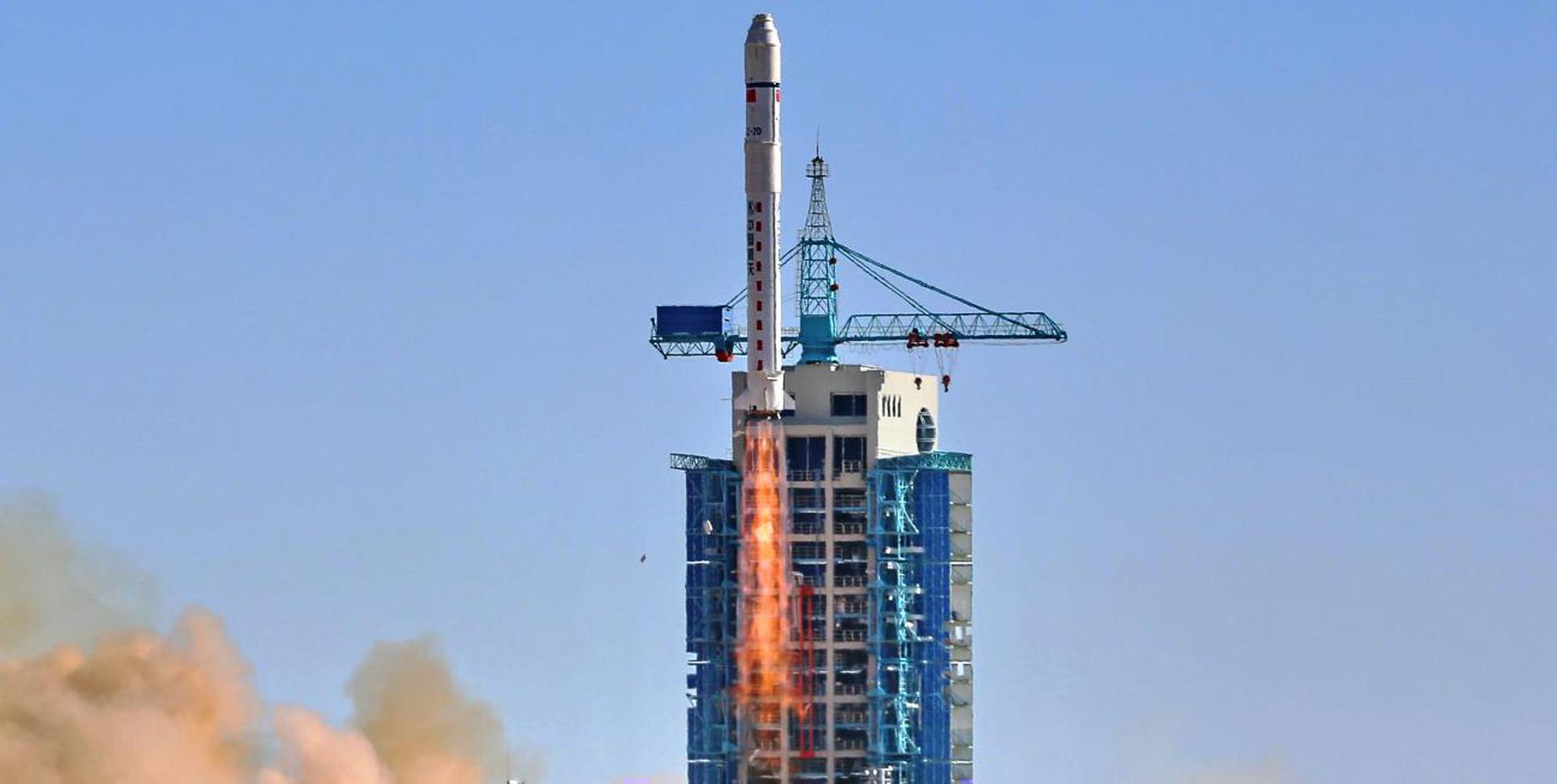
NASA's 590 kg Van Allen Probe A reentered March 10 after 14 years studying Earth's radiation belts. Meanwhile, Boeing Starliner classified as Type A mishap after leaving astronauts stranded on ISS.
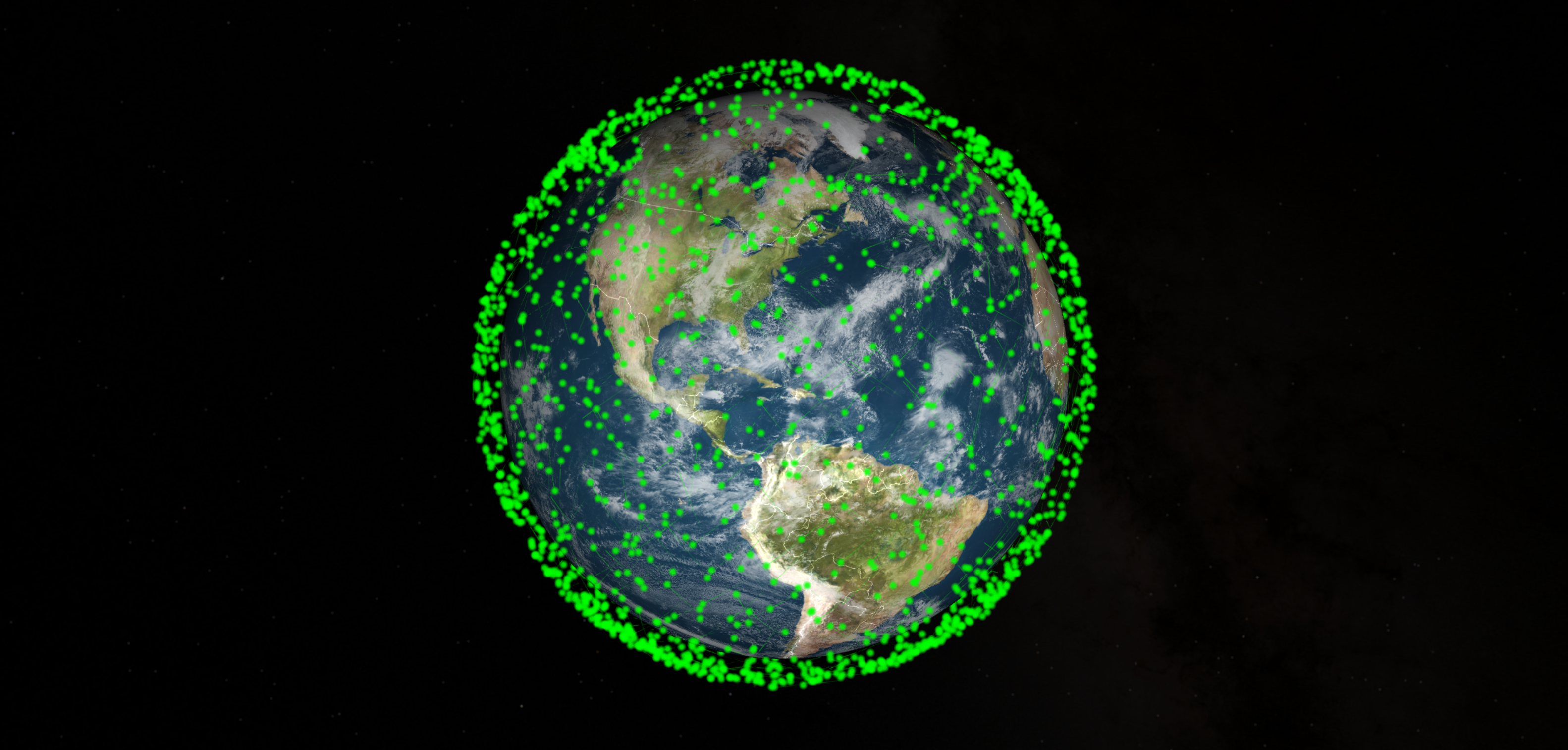
SpaceX quietly built the world's largest 4G network without a single cell tower. Over 650 satellites now connect standard smartphones directly from orbit, and most people carrying compatible phones don't know the service exists.
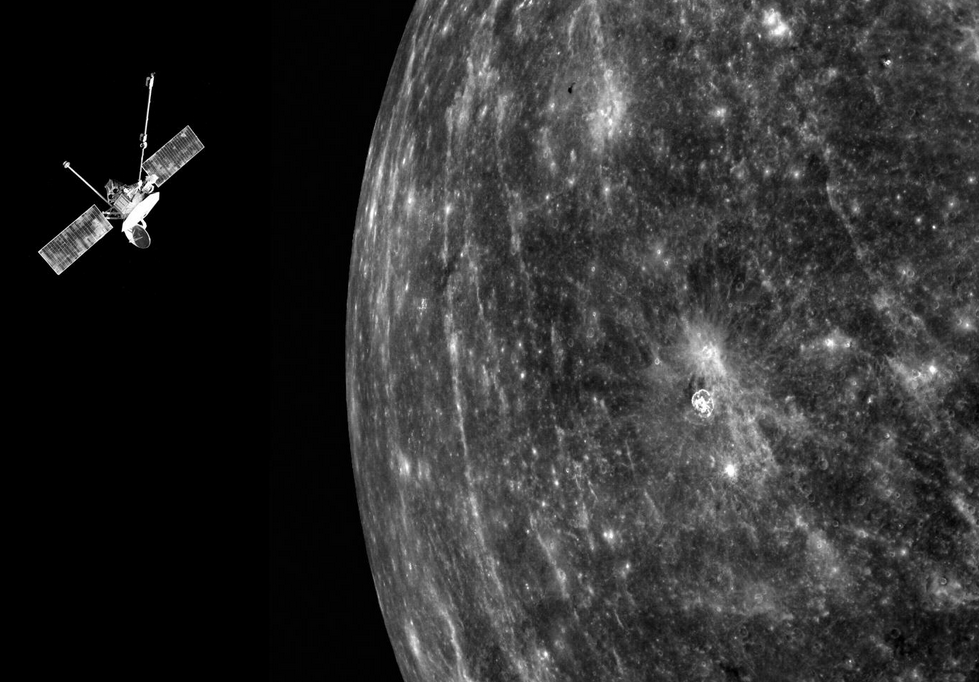
Fifty-one years ago, Mariner 10 revolutionized space exploration by executing the first-ever planetary gravity assist at Venus, pioneering a technique that would transform how we explore the solar system