



Space Brief 26 Oct 2025
Today's brief covers a new Space Force contract for advanced tracking systems, innovative debris removal strategies, pivotal new satellite launches, and significant updates in air quality tracking from orbit.


NORAD ID
62651
International Designator
2025-009AU
Epoch
Sun, 19 Jul 2026 17:53:10 GMT
Apogee
Calculating...
Perigee
Calculating...
Inclination
97.40°
Right Ascension
283.20°
Eccentricity
Calculating...
Argument of Perigee
177.92°
Period
93.93 min
Mean Motion
15.33 rev/day
Latitude
Calculating...
Longitude
Calculating...
Altitude
Calculating...
Velocity
Calculating...
Name
MBZSAT
Alternative Name
MBZSAT
Type
Status
Owner
MBRSC
Country
United Arab Emirates
Constellation
N/A
Related Satellites
Major Events
N/A
1 62651U 25009AU 26200.74525513 .00019351 00000+0 60743-3 0 9999
2 62651 97.3977 283.1998 0003612 177.9223 182.2035 15.33059539 83945
Source: Celestrak
Length
5
Diameter
3
Span
5
Dry Mass
700
Launch Mass
750
Shape
Hex cyl+ 4 pan
Radar Cross Section
Unknown
Visual Magnitude
Unknown
Color
Unknown
Material Composition
Unknown
Payload
MBZSAT
Purpose
Unknown
Mission
Unknown
Manufacturer
MBRSC
Life Expectancy
Unknown
Bus
MBZSAT
Configuration
Unknown
Motor
Unknown
Equipment
Unknown
Power System
Unknown
ADCS
Unknown
Transmitter Frequency
Unknown
Learn more about satellites and other related topics.
Today's brief covers a new Space Force contract for advanced tracking systems, innovative debris removal strategies, pivotal new satellite launches, and significant updates in air quality tracking from orbit.
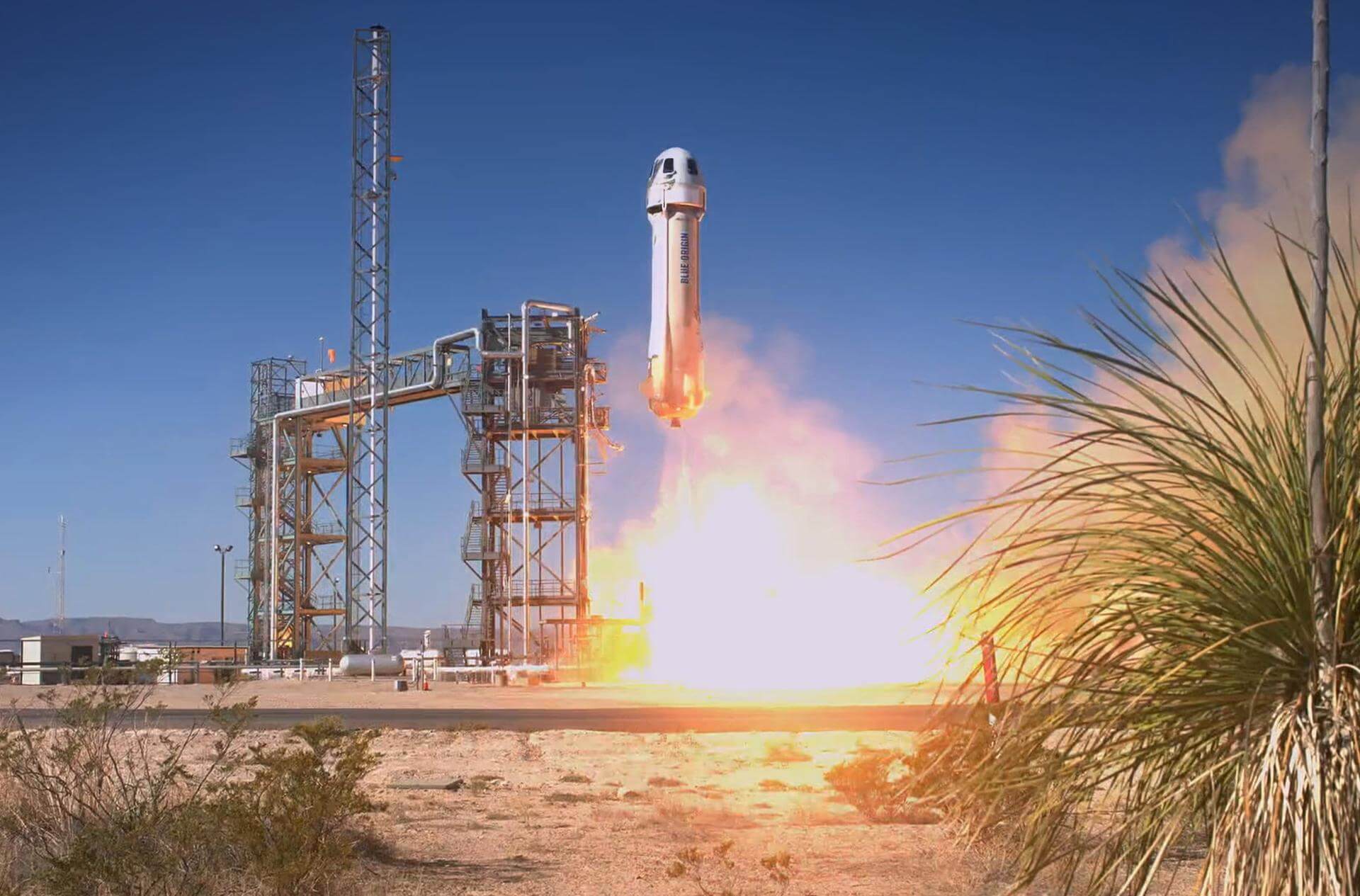
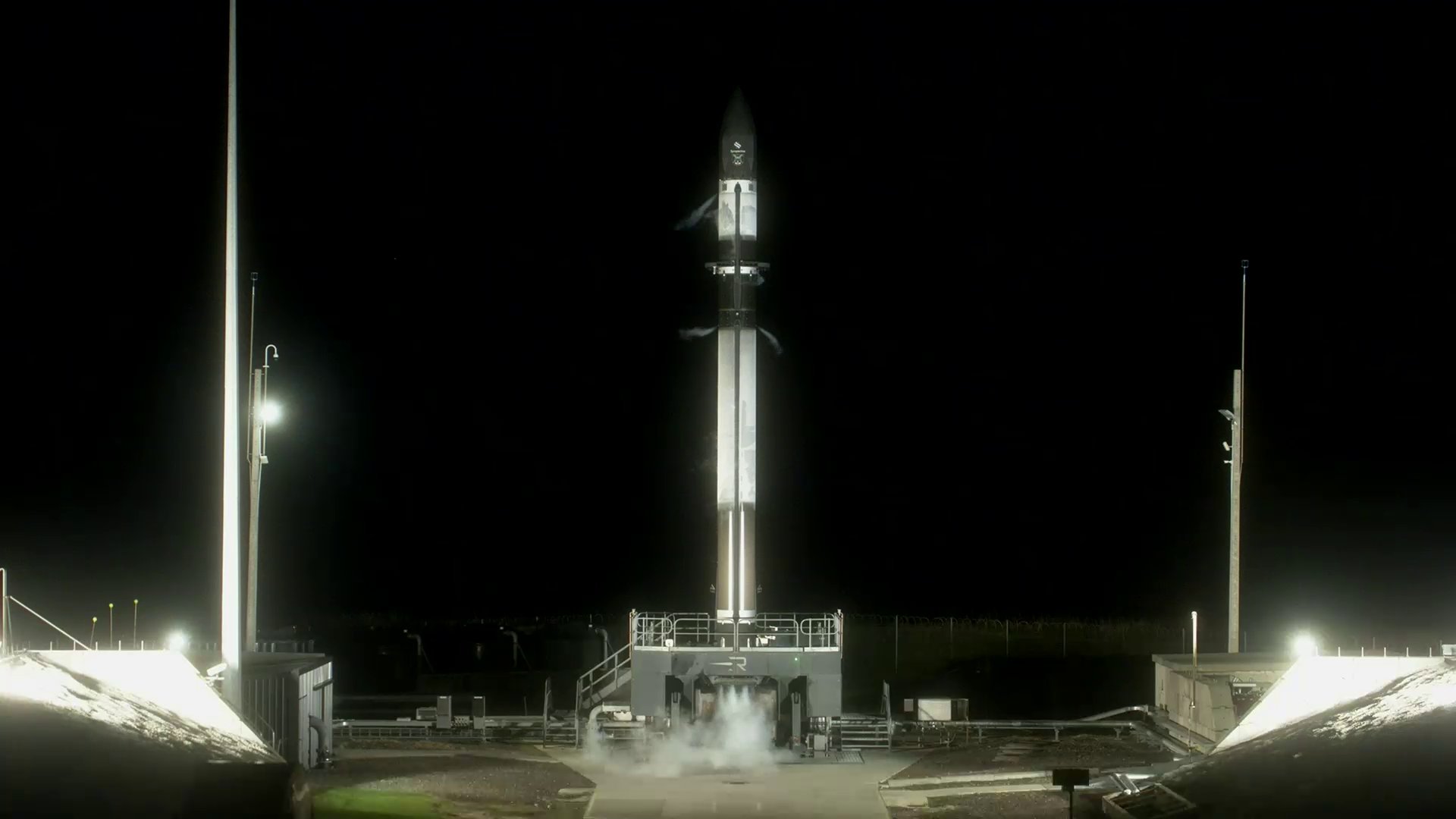
Today's highlights include multiple SpaceX Starlink launches, a successful Rocket Lab mission for JAXA, and a scheduled launch update from Kennedy Space Center.

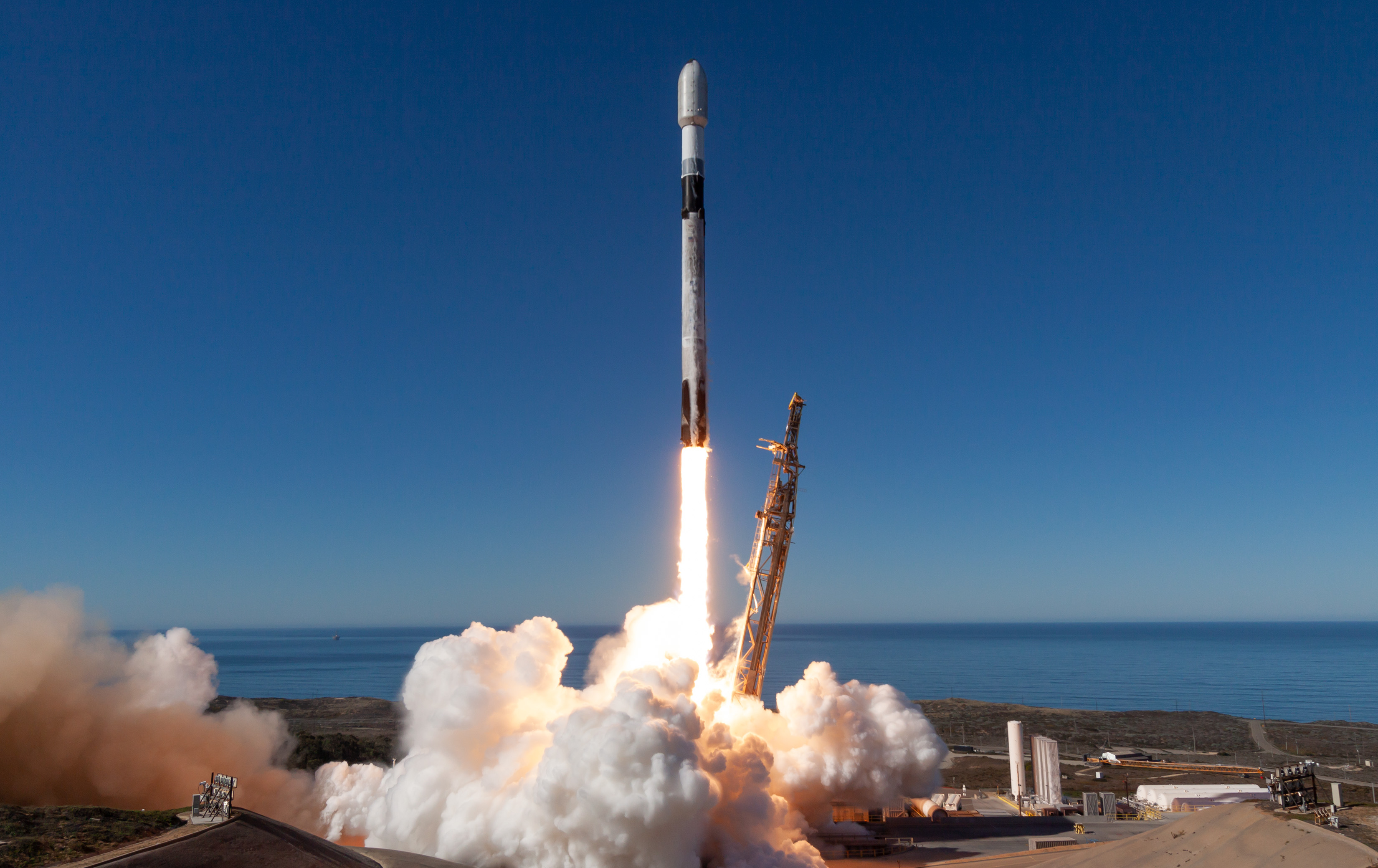
SpaceX celebrates significant milestones with its 500th Falcon launch and the continued expansion of Starlink connectivity.
Space Force confirms plan to double active-duty Guardians by 2030, targeting faster response to satellite anomalies and adversary maneuvers in space domain awareness operations.

For nearly two decades, the U.S. Air Force and Space Force have been the world's unofficial civilian space traffic control system. The Department of Commerce's Traffic Coordination System for Space (TraCSS) is now taking over that job for commercial satellite operators - in stages, against persistent congressional pressure to kill the program, and with Department of Defense advocates pushing to make it happen before it is too late.
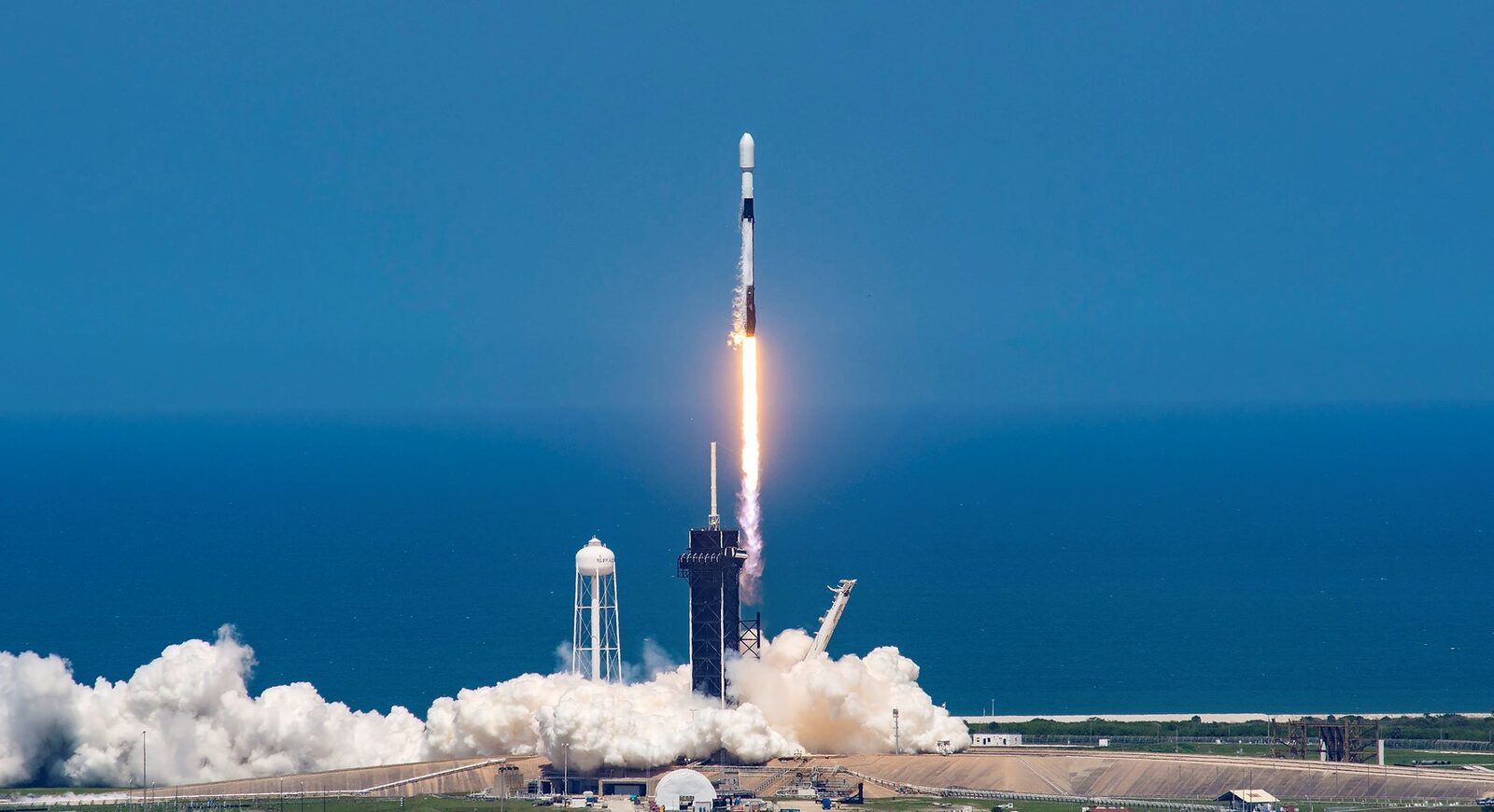
Skyroot Aerospace's Vikram-1 rocket achieved orbit on July 18, becoming the first Indian commercial rocket to do so and breaking ISRO's launch monopoly.
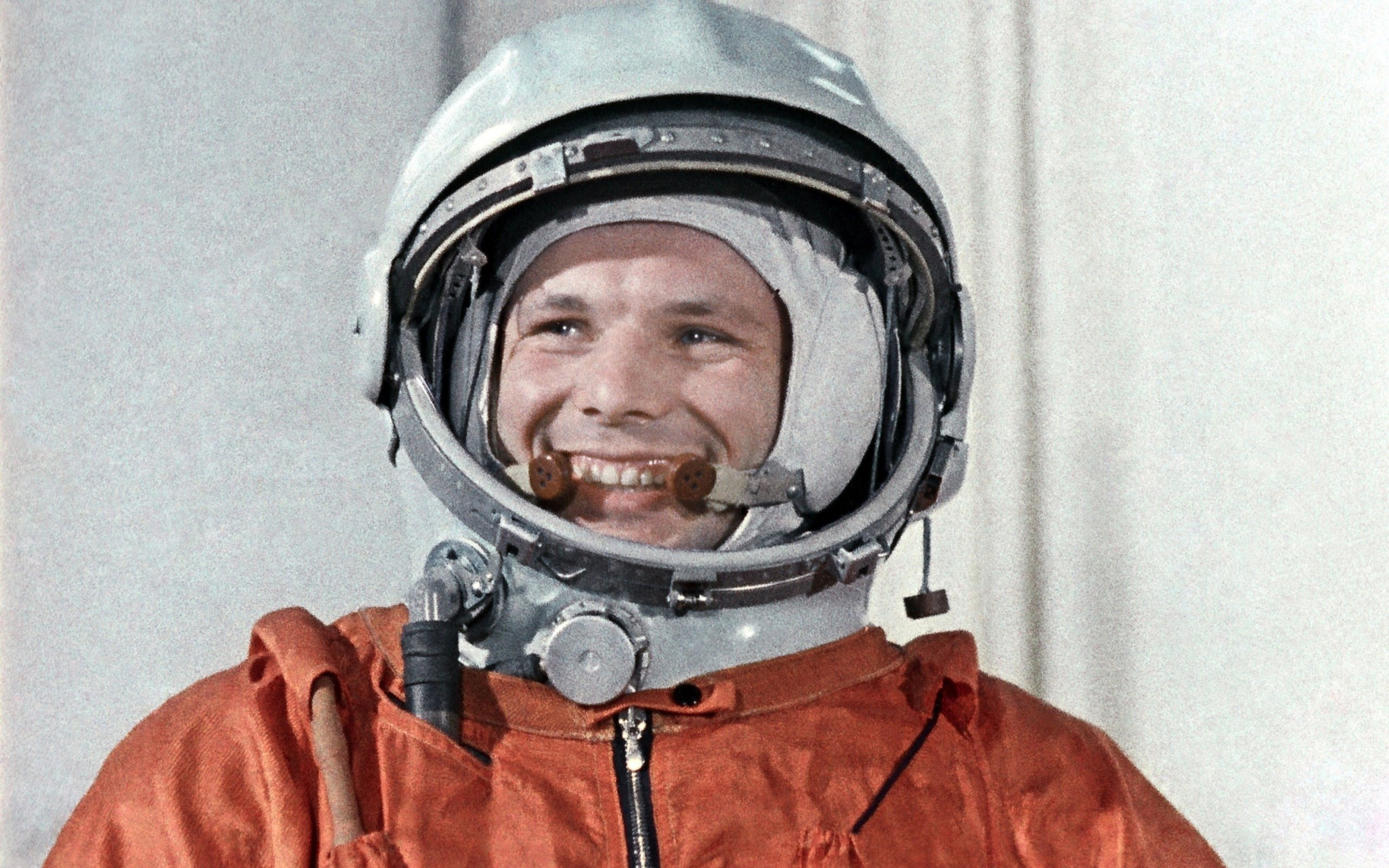
On April 12, 1961, a 27-year-old Soviet pilot rode a modified ICBM into orbit and came back alive after 108 minutes. Exactly twenty years later, two Americans climbed aboard an untested spacecraft covered in 31,000 ceramic tiles and bet their lives that the math was right.

Current number of Starlink satellites in orbit April 2026: 10,168 working of 10,177 tracked, 11,724 launched. Fleet health tops 99.9%.