


X Report 27 Dec 2024
SpaceX rounds off a record-setting year with over 130 launches, achieving new milestones in Starship development and Starlink expansion.



Launch Date
December 8, 2024
Launch Site
Launch Pad
LC40
Launch Vehicle
NORAD ID
62287
International Designator
2024-237W
Epoch
Mon, 20 Jul 2026 08:56:07 GMT
Apogee
Calculating...
Perigee
Calculating...
Inclination
43.00°
Right Ascension
187.07°
Eccentricity
Calculating...
Argument of Perigee
258.21°
Period
94.27 min
Mean Motion
15.28 rev/day
Latitude
Calculating...
Longitude
Calculating...
Altitude
Calculating...
Velocity
Calculating...
Name
STARLINK-33546
Alternative Name
Starlink 33546
Type
Status
Owner
SPXS
Country
United States
Constellation
N/A
Related Satellites
Major Events
N/A
1 62287U 24237W 26201.37230814 .00007205 00000+0 27101-3 0 9999
2 62287 43.0004 187.0663 0001265 258.2093 101.8617 15.27590747 91395
Source: Celestrak
Length
0.3
Diameter
4.1
Span
29
Dry Mass
500
Launch Mass
530
Shape
Box + pan
Radar Cross Section
Unknown
Visual Magnitude
Unknown
Color
Unknown
Material Composition
Unknown
Payload
Starlink Group 12-5-21
Purpose
Unknown
Mission
Unknown
Manufacturer
SPXS
Life Expectancy
Unknown
Bus
Starlink V2MO
Configuration
Unknown
Motor
Unknown
Equipment
Unknown
Power System
Unknown
ADCS
Unknown
Transmitter Frequency
Unknown
Learn more about satellites and other related topics.
SpaceX rounds off a record-setting year with over 130 launches, achieving new milestones in Starship development and Starlink expansion.
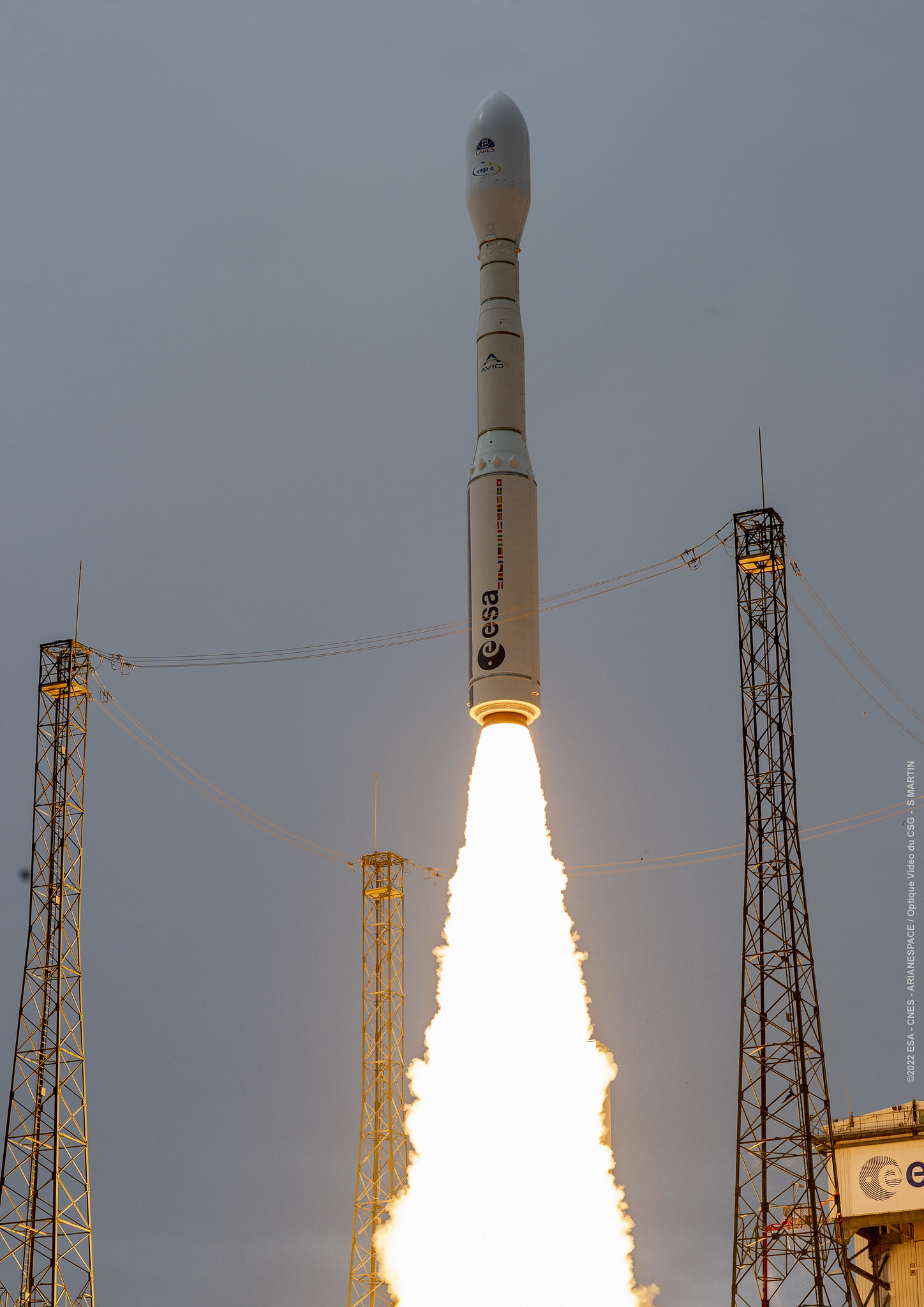
Today's highlights include a space debris incident involving China's spacecraft, development advancements for military space missions, and a notable setback for SpaceX's Starship booster.
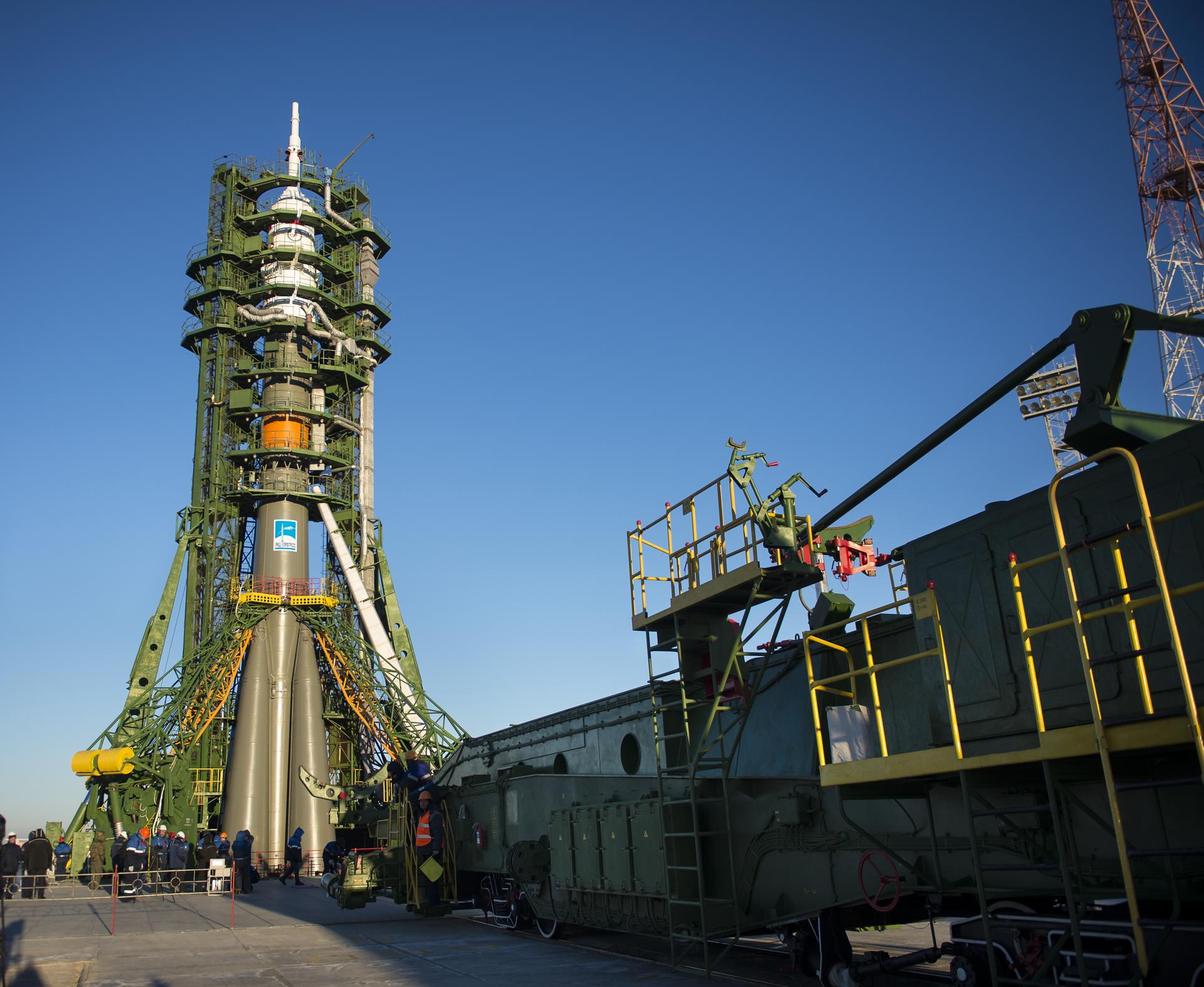
Iran calls Kowsar 1.5 a private-sector farming satellite. Its 3.45-meter camera, its sun-synchronous orbit, and the Russian rocket that carried it point somewhere else entirely.

SpaceX successfully launched another batch of Starlink satellites while marking a significant milestone with the 500th Falcon 9 mission. Additionally, the company is preparing for further testing of its Starship system and has begun collaborating with Amazon on their Project Kuiper constellation.
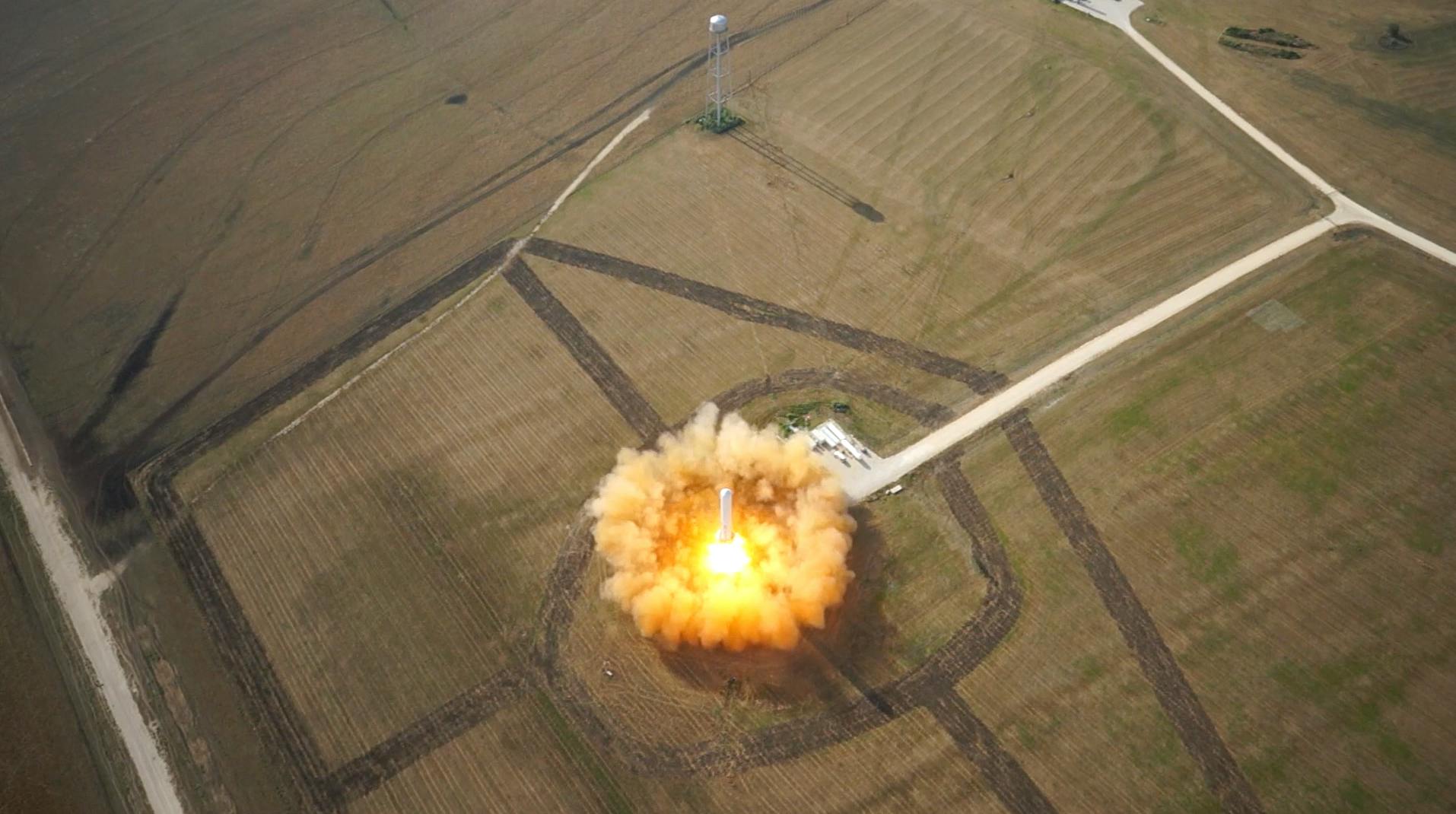
SpaceX surged 19% on Nasdaq debut as Falcon 9 B1093 deployed 24 Starlink satellites — the 1,500th launched in 2026 — while Dragon CRS-34 heads home.
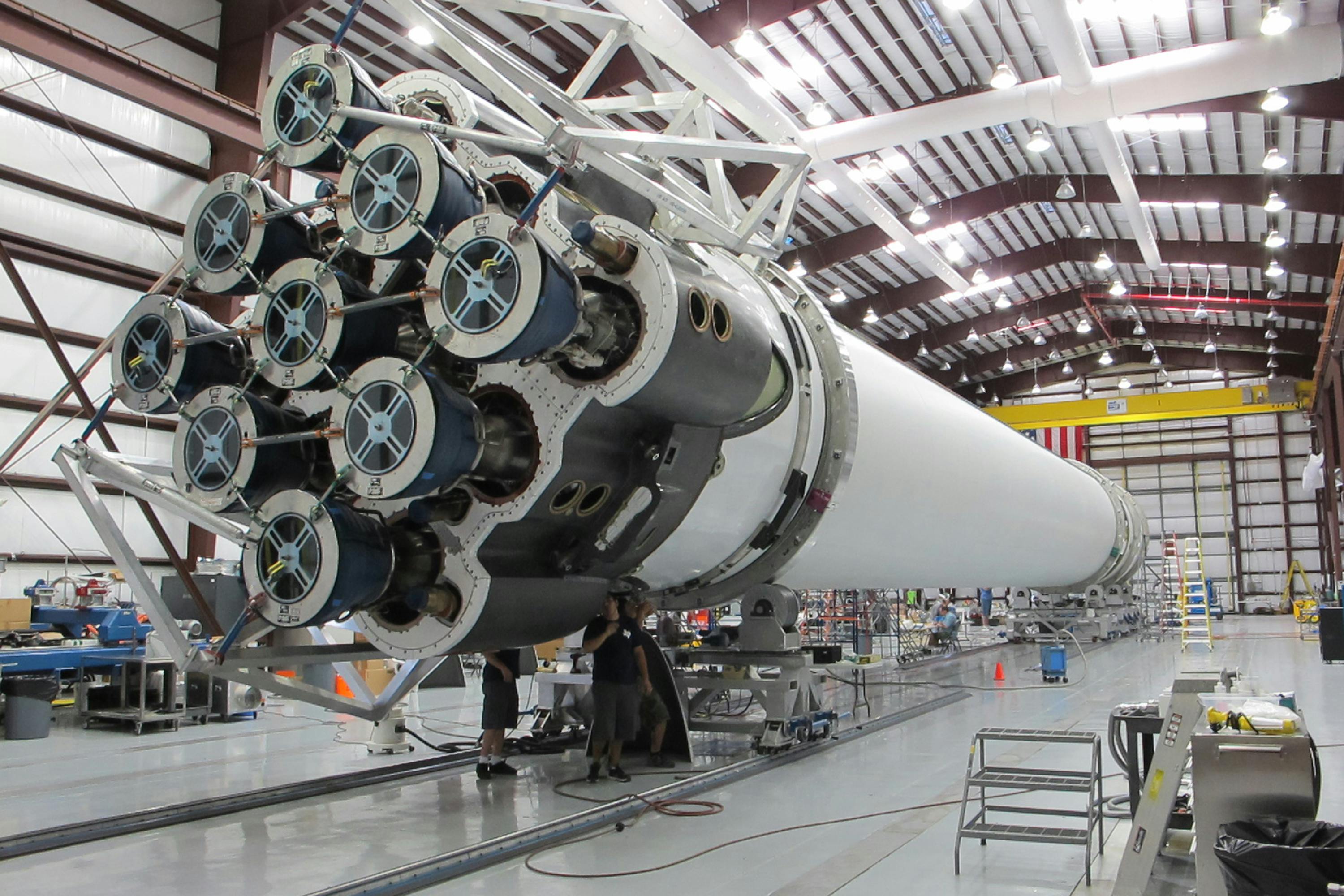
SpaceX faces setbacks with Starship Flight 8 amid debris fallout, achieves regulatory win for smartphone connectivity, and prepares for upcoming ISS missions.

Today's Space Brief covers a notable satellite deployment in LEO, a leadership shift in Blue Origin's defense wing, and ongoing recovery efforts for NASA's MAVEN orbiter.
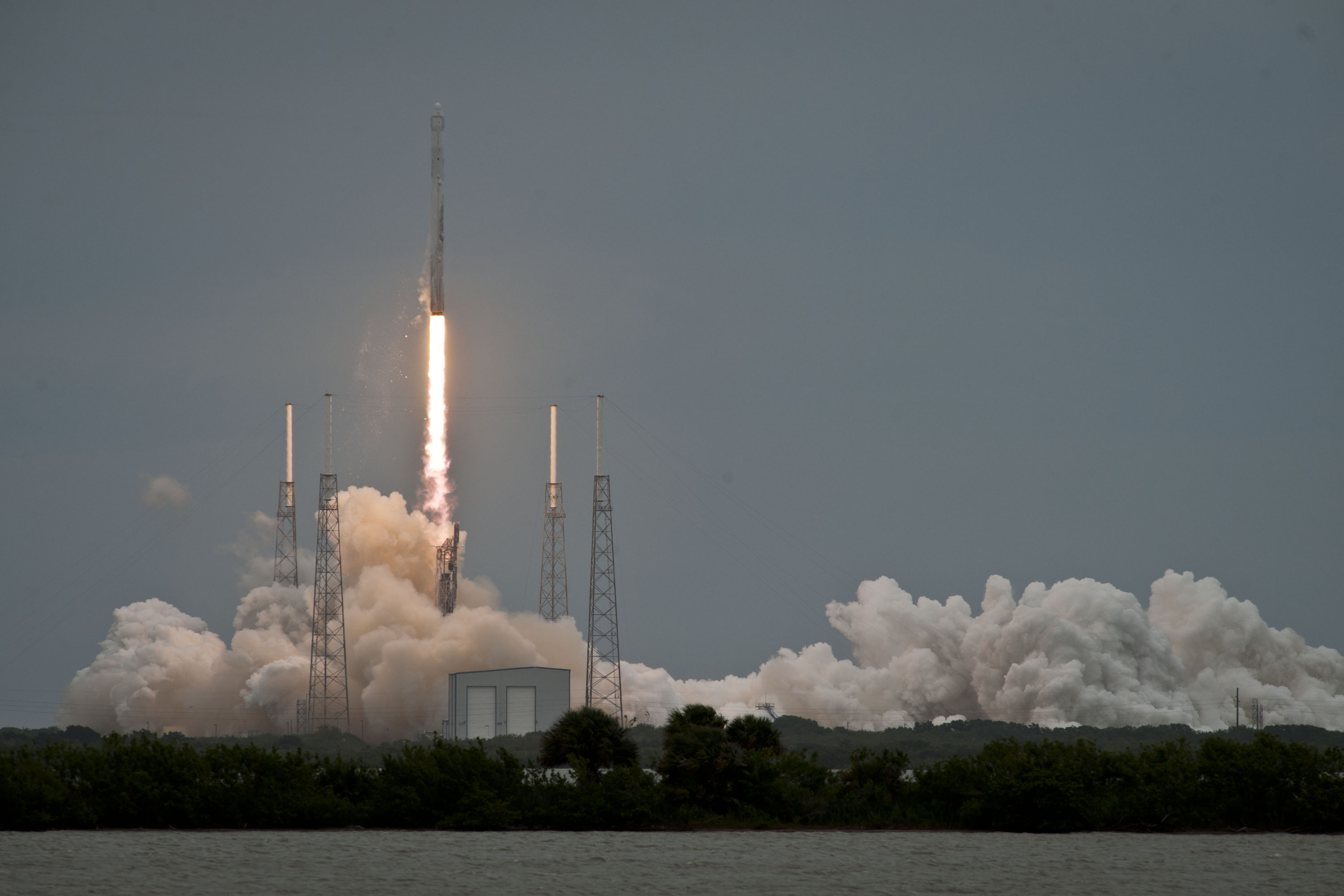
On April 18, 2014, a Falcon 9 first stage did something no orbital rocket had ever done before. It fired its engines on the way down, steered itself through the atmosphere using grid fins that did not yet exist, and touched the Atlantic Ocean softly enough to survive the impact. Nobody recovered it. The data was the whole point.