


Space Brief 1 Jul 2025
Key developments in the space sector include new partnerships for satellite surveillance, strategic shifts from the Defense Department impacting weather forecasting, and the Space Force's focus on agile satellite technologies.



Launch Date
March 16, 2024
Launch Site
Launch Pad
LC39A
Launch Vehicle
NORAD ID
59245
International Designator
2024-049Q
Epoch
Sun, 12 Apr 2026 21:23:20 GMT
Apogee
Calculating...
Perigee
Calculating...
Inclination
42.97°
Right Ascension
270.08°
Eccentricity
Calculating...
Argument of Perigee
313.89°
Period
88.77 min
Mean Motion
16.22 rev/day
Latitude
Calculating...
Longitude
Calculating...
Altitude
Calculating...
Velocity
Calculating...
Name
STARLINK-31268
Alternative Name
Starlink 31268
Type
Status
Owner
SPXS
Country
United States
Constellation
N/A
Related Satellites
Major Events
N/A
1 59245U 24049Q 26102.89121189 .10617528 91156-5 42359-2 0 9996
2 59245 42.9733 270.0808 0018112 313.8873 46.0517 16.22184750118083
Source: Celestrak
Length
0.3
Diameter
4.1
Span
29
Dry Mass
700
Launch Mass
730
Shape
Box + pan
Radar Cross Section
Unknown
Visual Magnitude
Unknown
Color
Unknown
Material Composition
Unknown
Payload
Starlink Group 6-44-15
Purpose
Communication
Mission
Communication
Manufacturer
SPXS
Life Expectancy
Unknown
Bus
Starlink V2M
Configuration
Starlink v2 Mini
Motor
Argon ion thrusters
Equipment
Ku/Ka/E-band payload, optical inter-satellite link
Power System
Solar arrays, batteries
ADCS
Unknown
Transmitter Frequency
Unknown
Learn more about satellites and other related topics.
Key developments in the space sector include new partnerships for satellite surveillance, strategic shifts from the Defense Department impacting weather forecasting, and the Space Force's focus on agile satellite technologies.
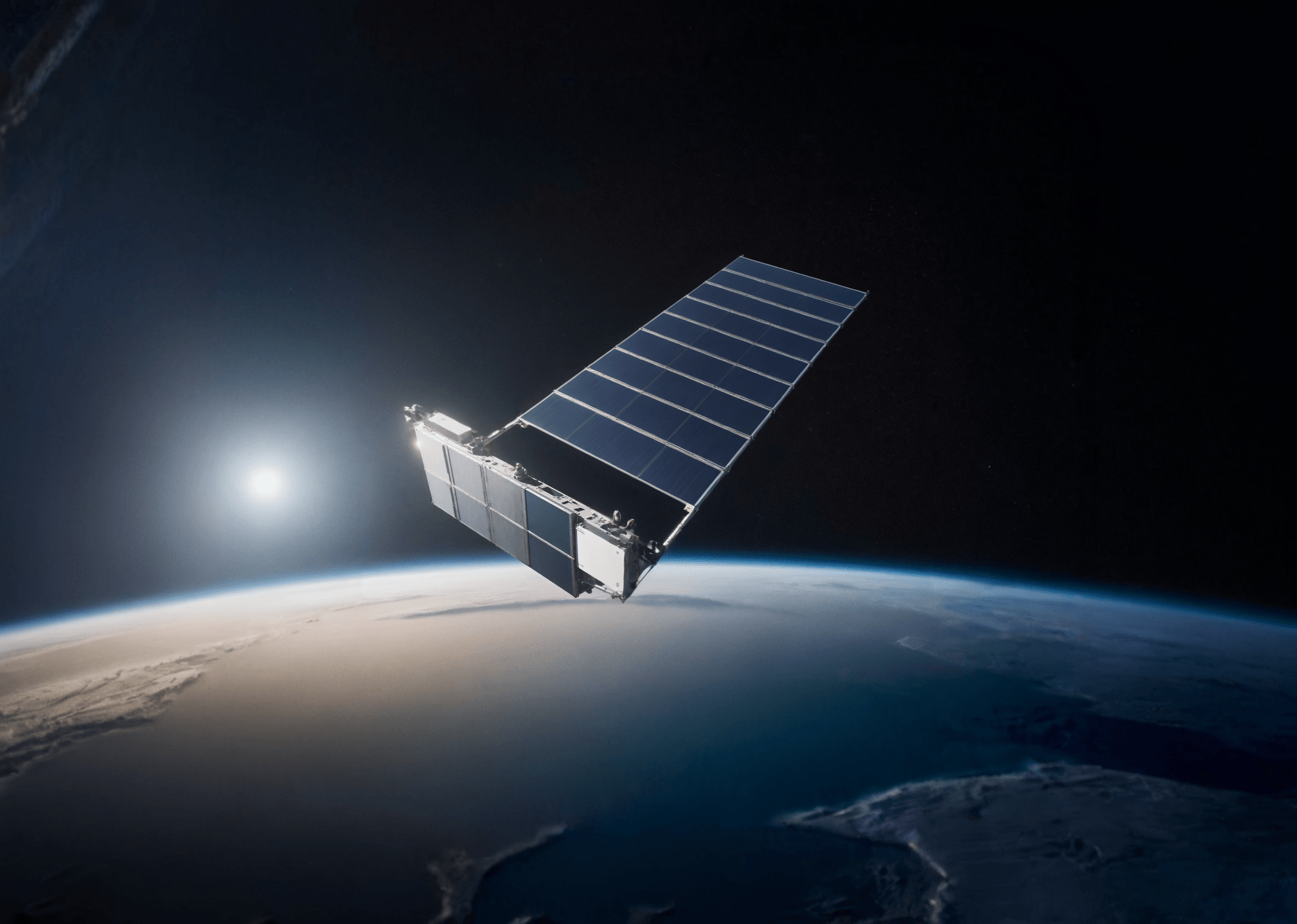
As of March 2024, SpaceX's Starlink has made remarkable strides in its quest to provide global broadband internet access. With an astounding number of satellites already in orbit and ambitious plans for expansion, Starlink is on track to dominate Earth's orbit in the coming years.

SpaceX's proposed 1-million-satellite AI data center constellation alarms astronomers as Falcon 9 logs its 25th Starlink launch of 2026.
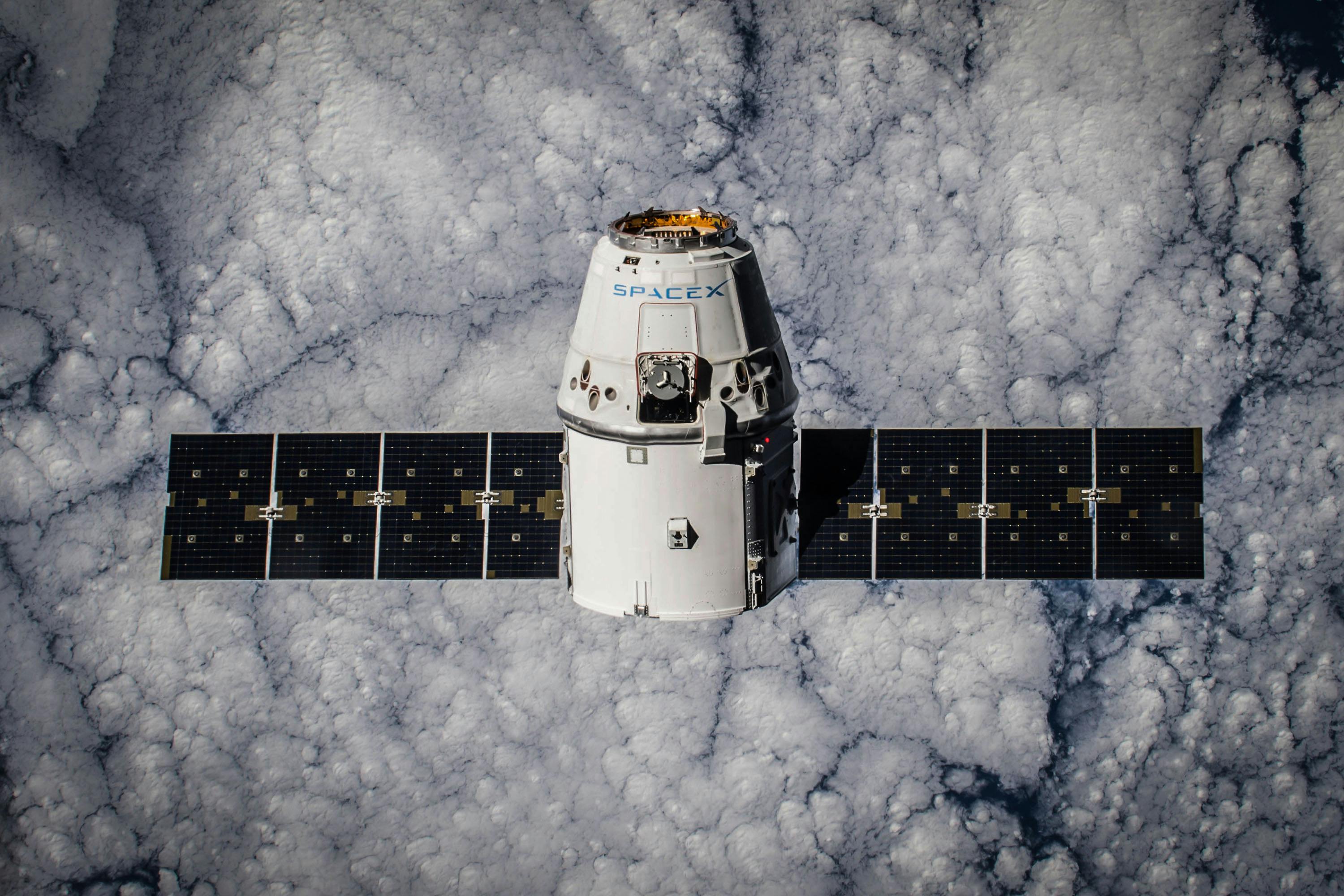
SpaceX prepares for a new cargo-return mission with Atmos, deploys imaging satellites, and gears up for Axiom-4 private astronaut launch.
Starlink restrictions reportedly hit Moscow's drone coordination and frontline comms. SpaceX and xAI enter Pentagon's $100M drone contest. Sentinel ICBM to clear key review this year.

Today's brief covers a new Space Force contract for advanced tracking systems, innovative debris removal strategies, pivotal new satellite launches, and significant updates in air quality tracking from orbit.

U.S. Space Force selects Boeing's 702MP spacecraft for next-generation MUOS satellites. Rocket Lab delivers Synspective's 10th StriX radar satellite. Track both missions.
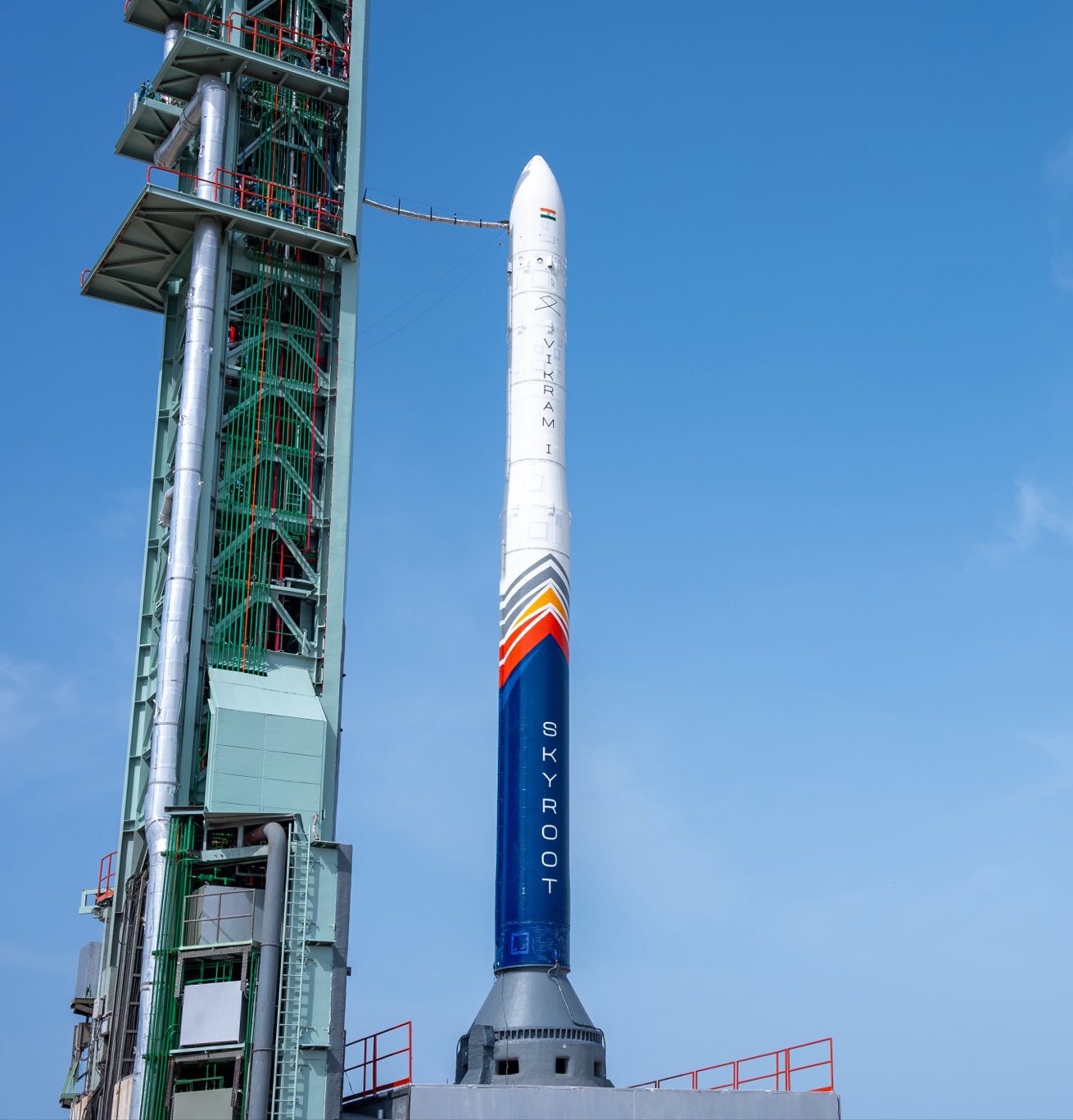
SpaceX launched 21 York Space Systems satellites for Space Development Agency's Tranche 1 Transport Layer, bringing SDA's military data-relay constellation to roughly half its planned size.