


X Report 19 Jan 2025
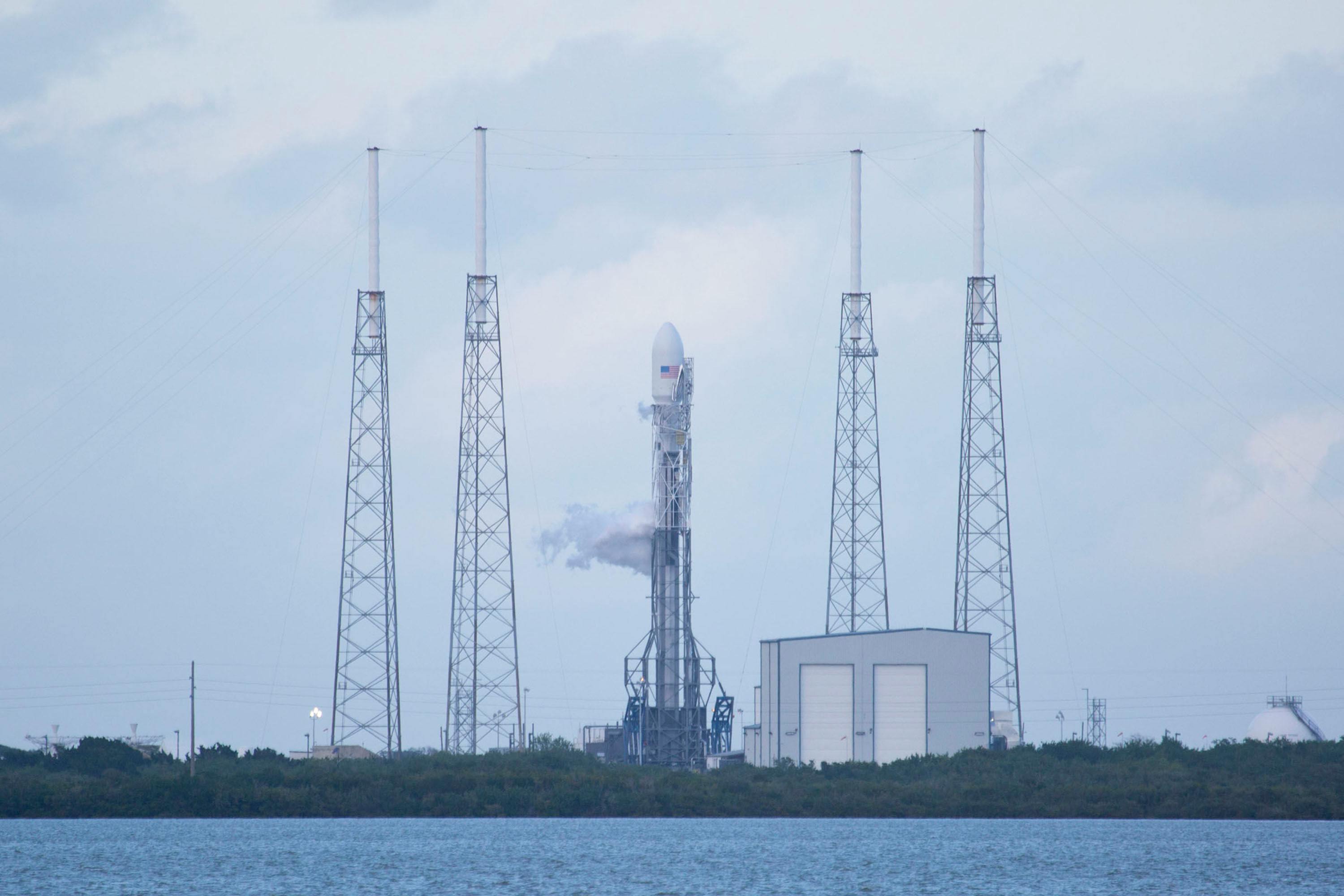
SpaceX prepares to launch 27 Starlink satellites in its first mission since the recent Starship explosion, while the FAA investigates debris reports from the failed test flight.


NORAD ID
58272
International Designator
2023-174S
Epoch
Wed, 03 Jun 2026 20:29:34 GMT
Apogee
Calculating...
Perigee
Calculating...
Inclination
97.36°
Right Ascension
254.85°
Eccentricity
Calculating...
Argument of Perigee
267.75°
Period
88.21 min
Mean Motion
16.32 rev/day
Latitude
Calculating...
Longitude
Calculating...
Altitude
Calculating...
Velocity
Calculating...
Name
TIGER-6
Alternative Name
TIGER-6
Type
Status
Owner
OQT
Country
Luxembourg
Constellation
N/A
Related Satellites
Major Events
N/A
1 58272U 23174S 26154.85387241 .04823688 24808-5 85859-3 0 9991
2 58272 97.3593 254.8547 0013670 267.7466 92.2264 16.32402637144280
Source: Celestrak
Length
0.3
Diameter
0.2
Span
0.3
Dry Mass
10
Launch Mass
10
Shape
Box+2 pan
Radar Cross Section
Unknown
Visual Magnitude
Unknown
Color
Unknown
Material Composition
Unknown
Payload
TIGER-6
Purpose
Technology, communications
Mission
Technology, communications
Manufacturer
SPINV
Life Expectancy
Unknown
Bus
Cubesat 6U
Configuration
CubeSat (6U)
Motor
?
Equipment
Unknown
Power System
Solar cells, batteries
ADCS
Unknown
Transmitter Frequency
Unknown
Learn more about satellites and other related topics.
SpaceX prepares to launch 27 Starlink satellites in its first mission since the recent Starship explosion, while the FAA investigates debris reports from the failed test flight.
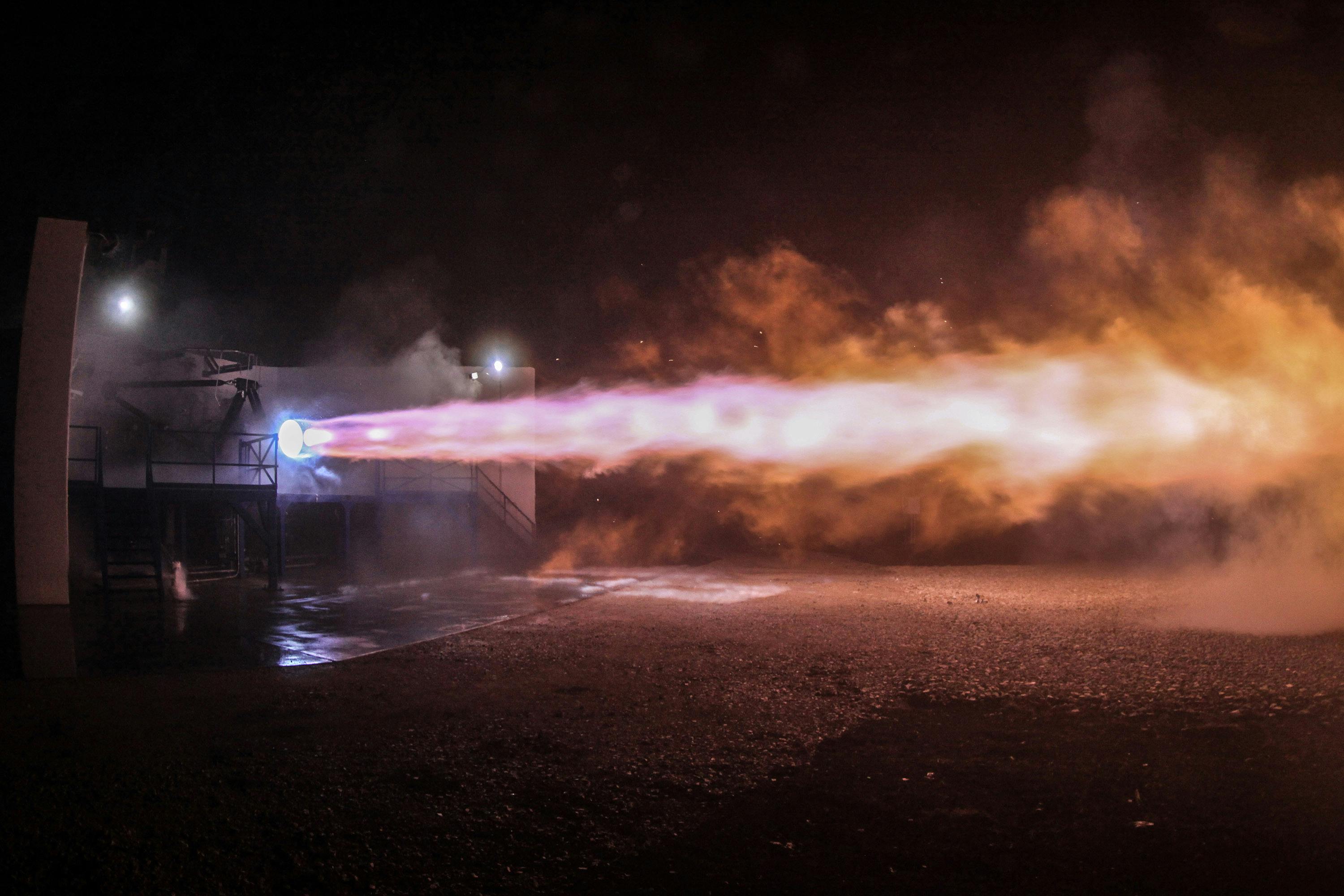
SpaceX has confirmed plans for an IPO and successfully launched multiple batches of Starlink satellites, advancing its mission for global internet coverage.

Space Force suspends all Vulcan launches pending solid rocket booster investigation. Rocket Lab scrubs HASTE hypersonic vehicle launch. Military space funding hits record highs.
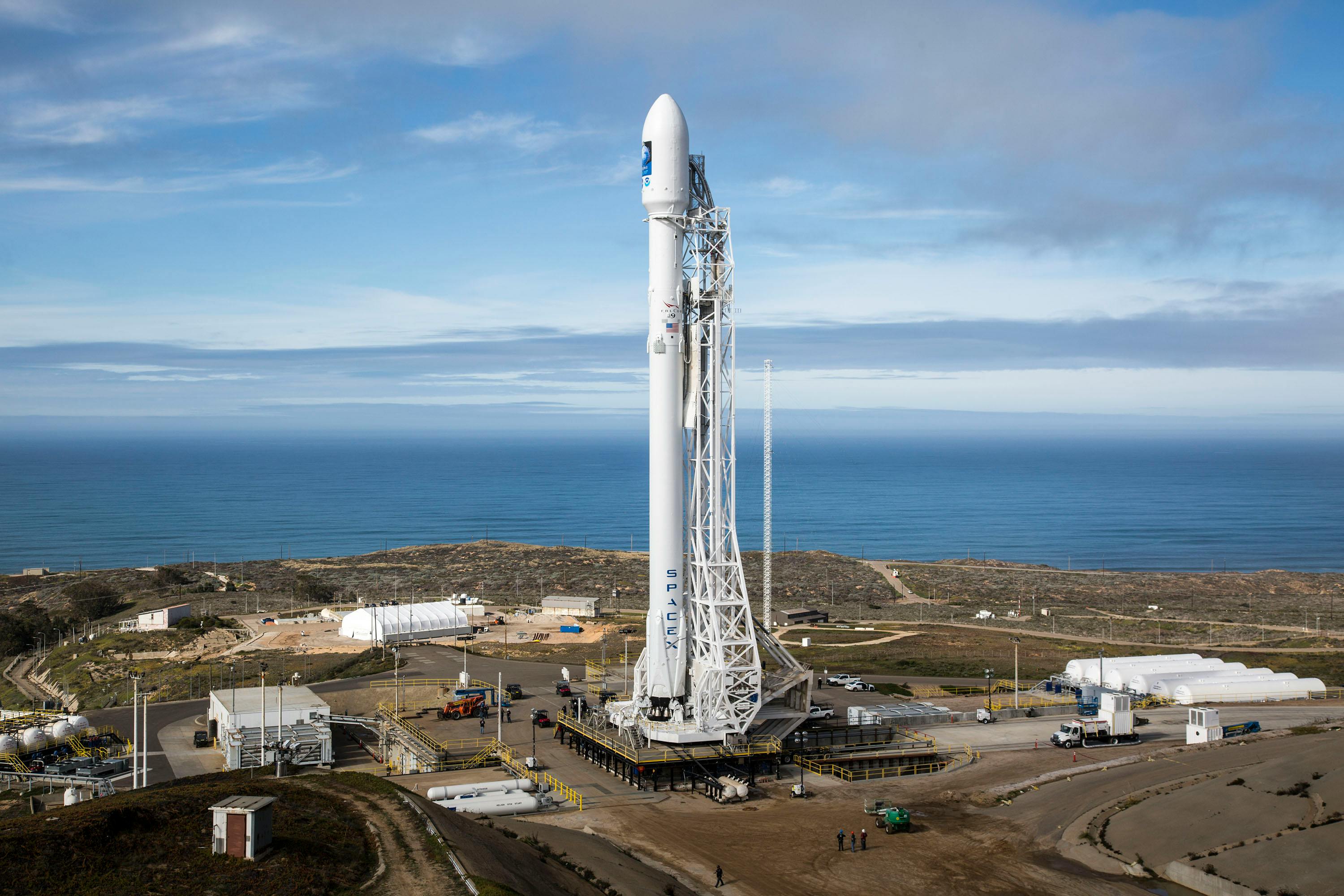
SpaceX successfully launched 43 Starlink satellites across two missions, marking significant achievements at Cape Canaveral and Vandenberg Space Force Bases.
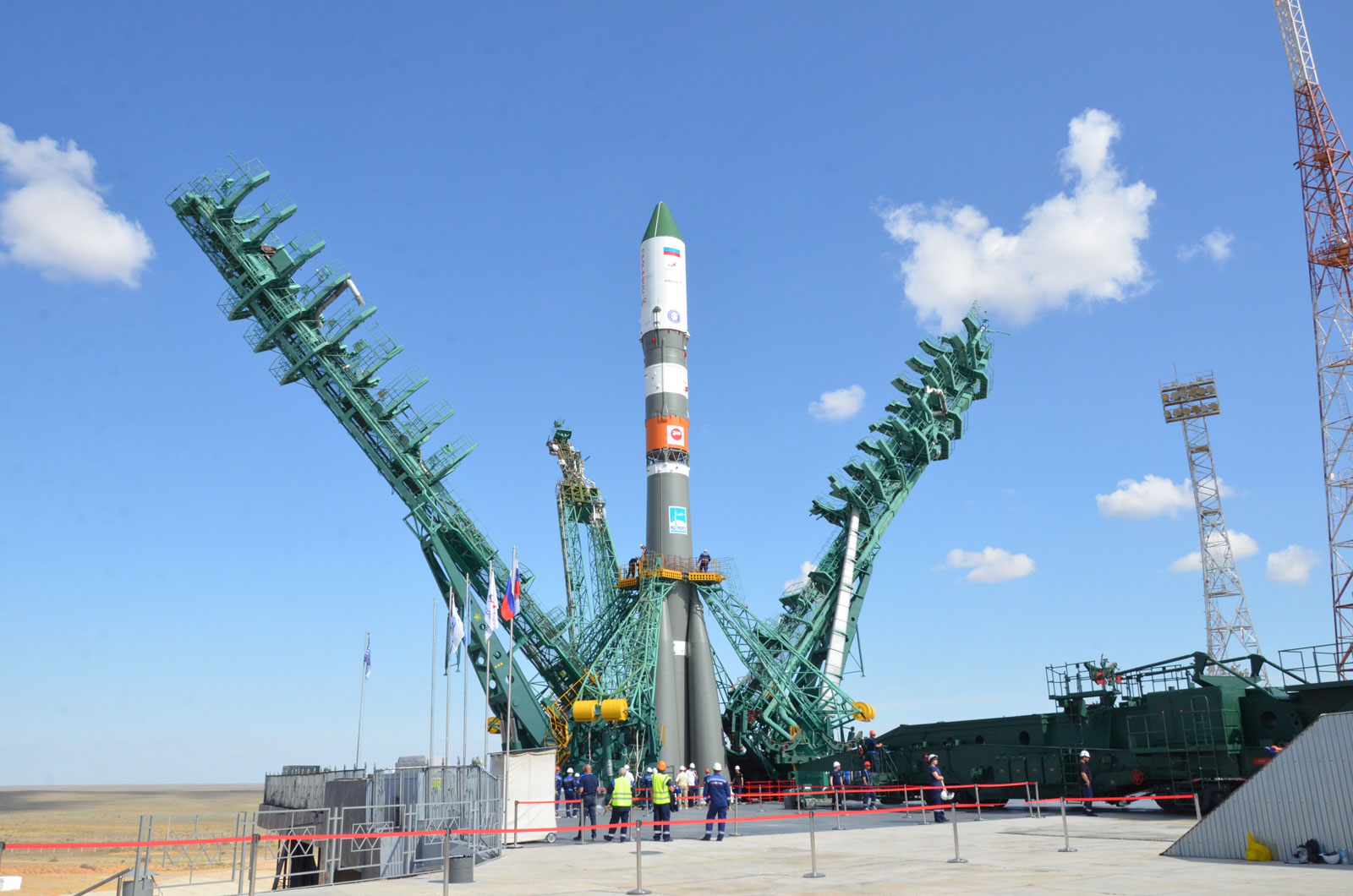
Today's brief covers the Space Force's strategic roadmap, a groundbreaking DARPA mission in Very Low Earth Orbit, and enhanced cyber defenses due to AI-driven threats.

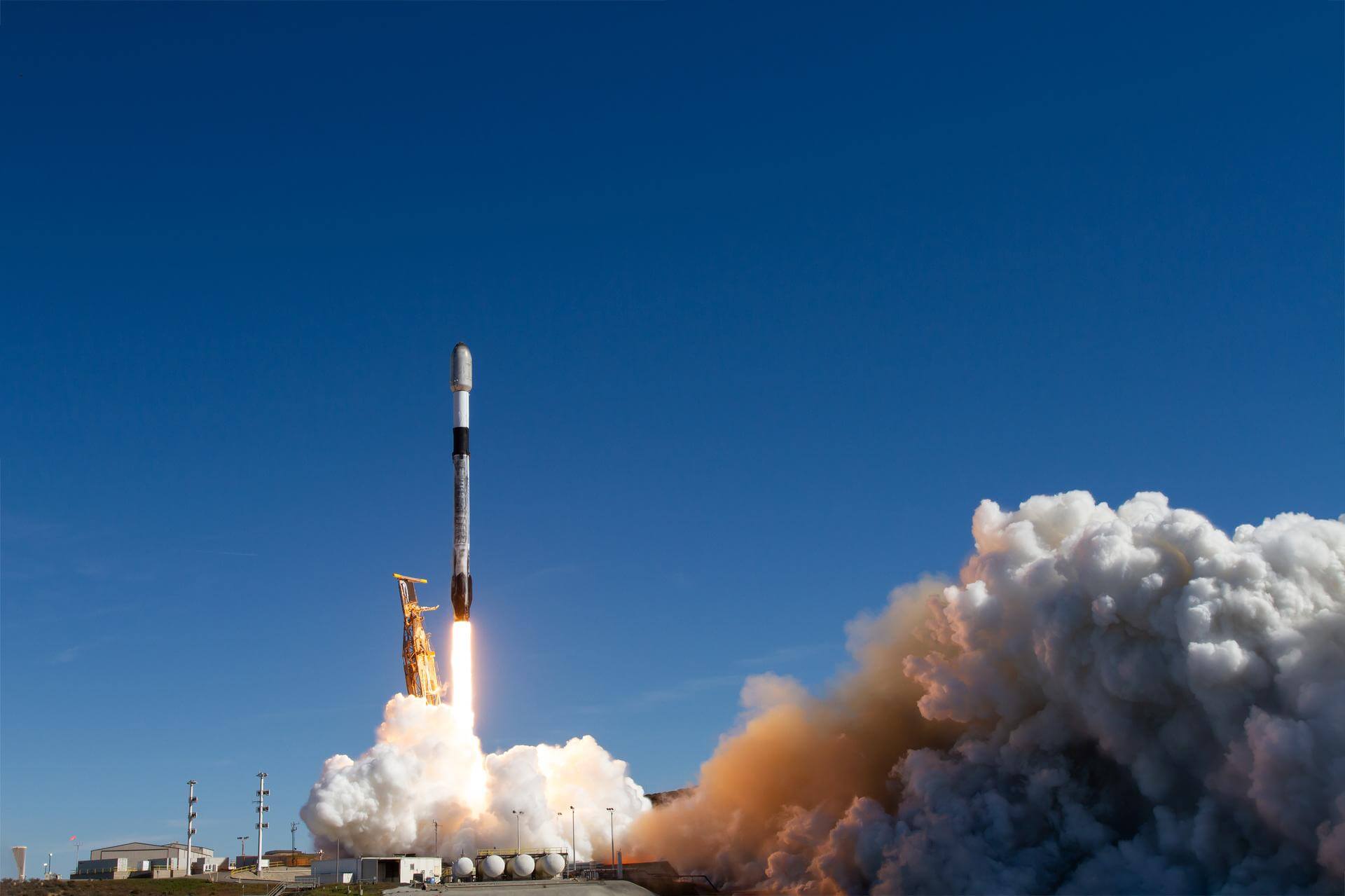
SpaceX successfully launched 24 Starlink satellites into polar orbit, enhancing global coverage. Meanwhile, NASA's Crew-11 is now in quarantine ahead of their upcoming ISS mission.
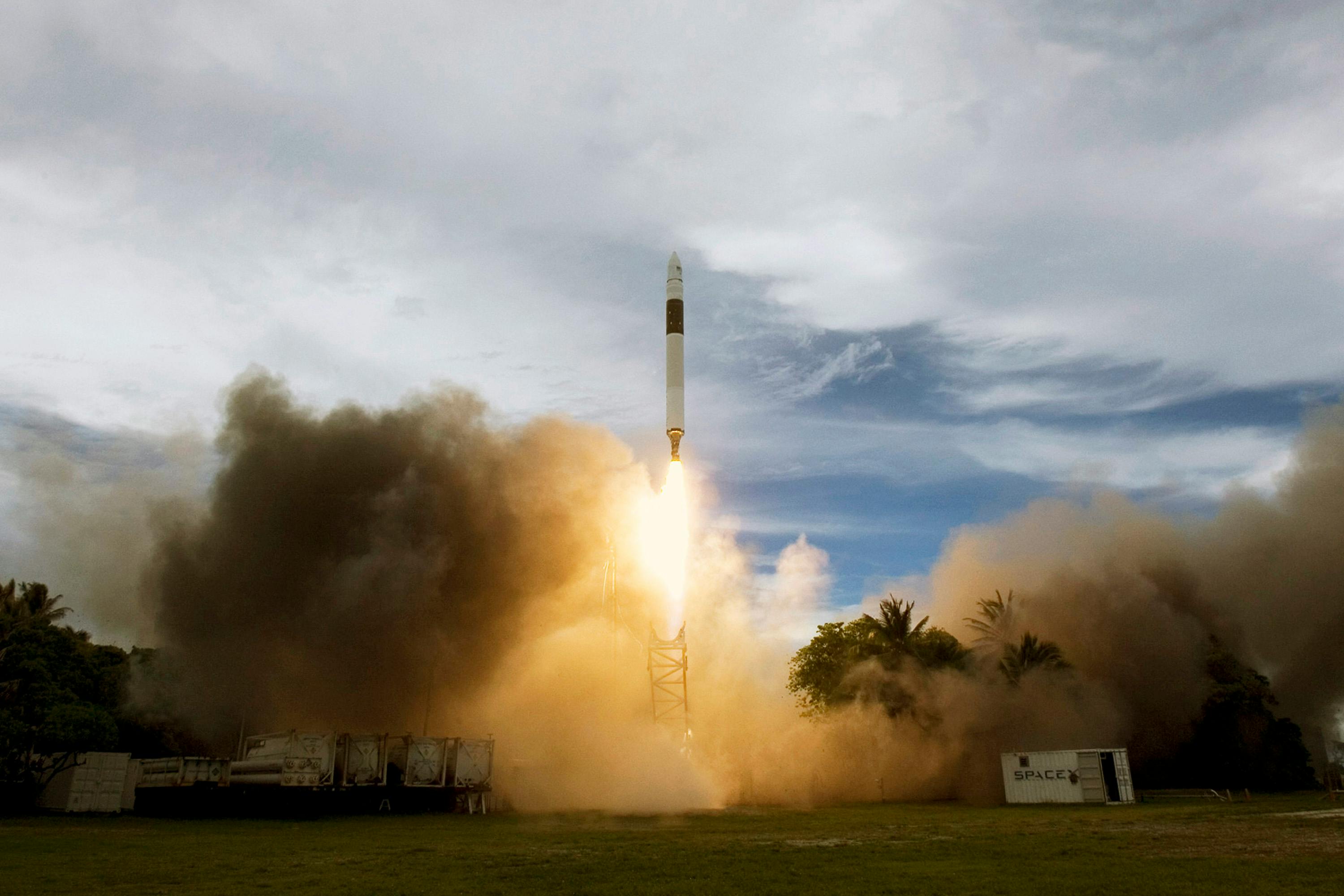
A Falcon 9 lifted off from SLC-40 at 6:50 a.m. EDT carrying Starlink satellites and Besxar Space Industries semiconductor test pods.
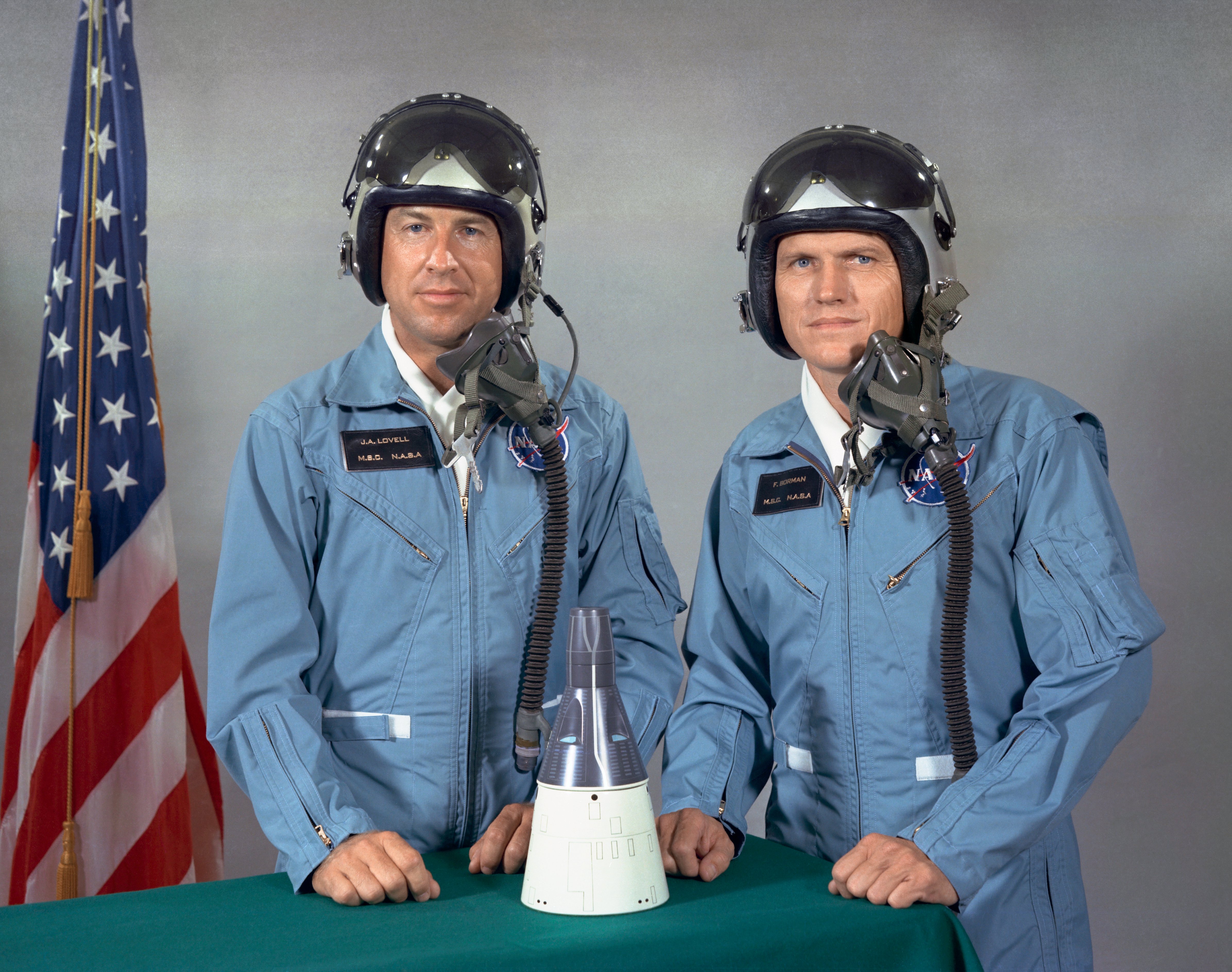
Sixty years ago, Frank Borman and James Lovell launched aboard Gemini 7 for a grueling 14-day mission that would prove humans could endure the journey to the moon and achieve the first true rendezvous in space