


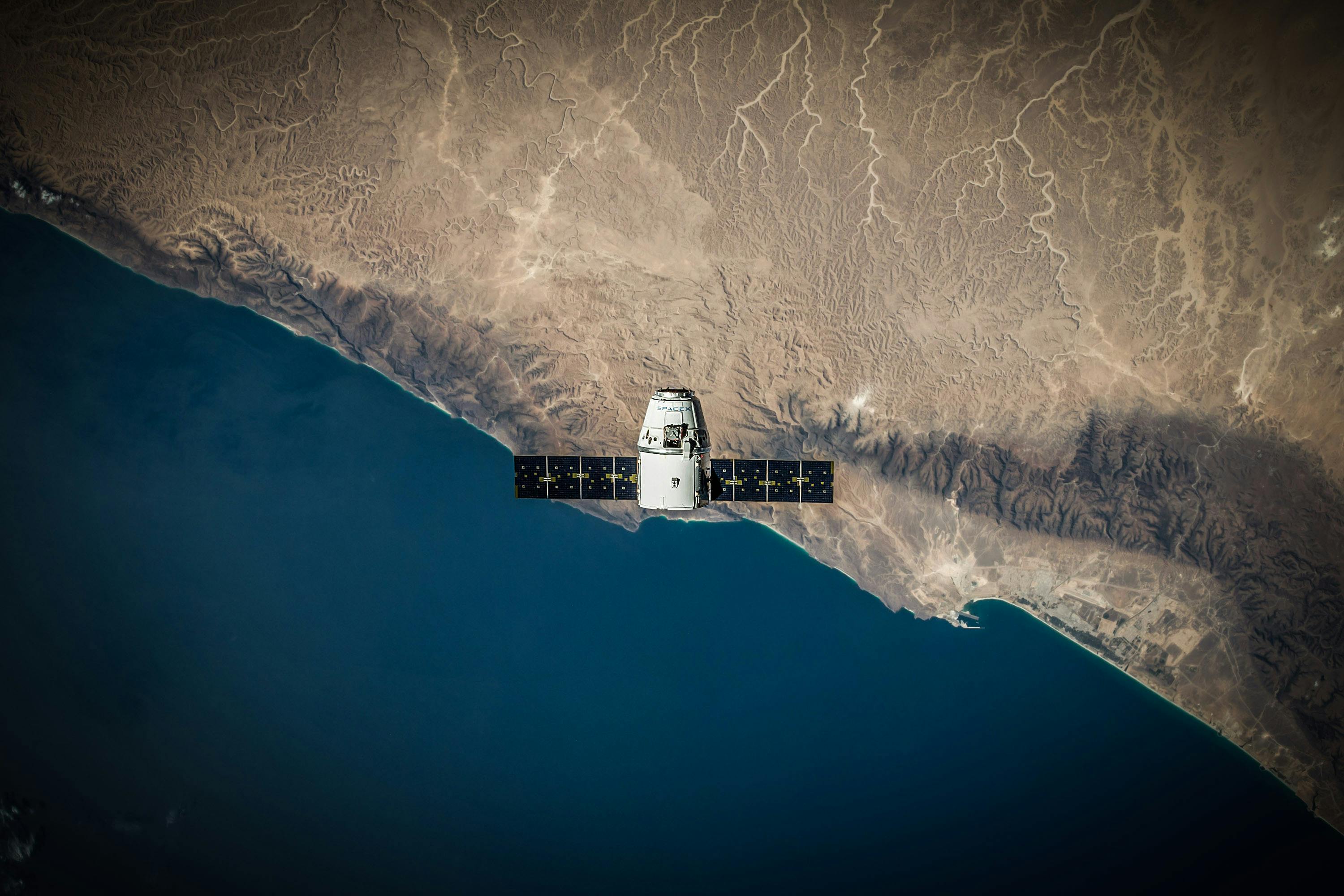
Musk Addresses Orbital Data Center Crowding Fears | KeepTrack X Report
Elon Musk pushed back on orbital crowding concerns as SpaceX eyes data centers in space, with 10,584 Starlink satellites currently operational.



Launch Date
November 3, 2023
Launch Site
Launch Pad
LC40
Launch Vehicle
NORAD ID
58209
International Designator
2023-170D
Epoch
Sun, 19 Jul 2026 07:34:52 GMT
Apogee
Calculating...
Perigee
Calculating...
Inclination
43.00°
Right Ascension
170.56°
Eccentricity
Calculating...
Argument of Perigee
275.41°
Period
94.27 min
Mean Motion
15.28 rev/day
Latitude
Calculating...
Longitude
Calculating...
Altitude
Calculating...
Velocity
Calculating...
Name
STARLINK-30839
Alternative Name
Starlink 30839
Type
Status
Owner
SPXS
Country
United States
Constellation
N/A
Related Satellites
Major Events
N/A
1 58209U 23170D 26200.31588925 .00001309 00000+0 57095-4 0 9990
2 58209 43.0033 170.5635 0001477 275.4052 84.6631 15.27580069150434
Source: Celestrak
Length
0.3
Diameter
4.1
Span
29
Dry Mass
700
Launch Mass
730
Shape
Box + pan
Radar Cross Section
Unknown
Visual Magnitude
Unknown
Color
Unknown
Material Composition
Unknown
Payload
Starlink Group 6-26-04
Purpose
Communication
Mission
Communication
Manufacturer
SPXS
Life Expectancy
Unknown
Bus
Starlink V2M
Configuration
Starlink v2 Mini
Motor
Argon ion thrusters
Equipment
Ku/Ka/E-band payload, optical inter-satellite link
Power System
Solar arrays, batteries
ADCS
Unknown
Transmitter Frequency
Unknown
Learn more about satellites and other related topics.
Elon Musk pushed back on orbital crowding concerns as SpaceX eyes data centers in space, with 10,584 Starlink satellites currently operational.

China's iSpace secures record $729M for reusable rocket development. SpaceX launches Crew-12 and lands booster at new LZ-40 pad. Startup bets on space-based missile defense.
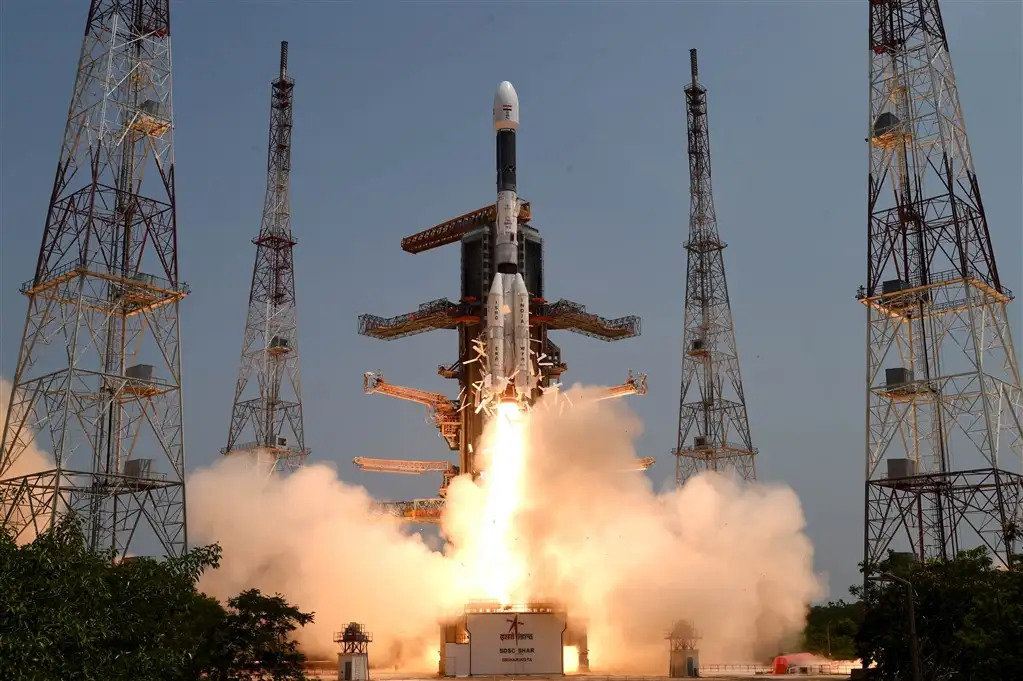
Focus on Varda's second mission launch, new U.S. Defense Department tool for satellite anomaly investigation, and a detailed Satellite Spotlight on CELESTIS 21/Varisat 1C.
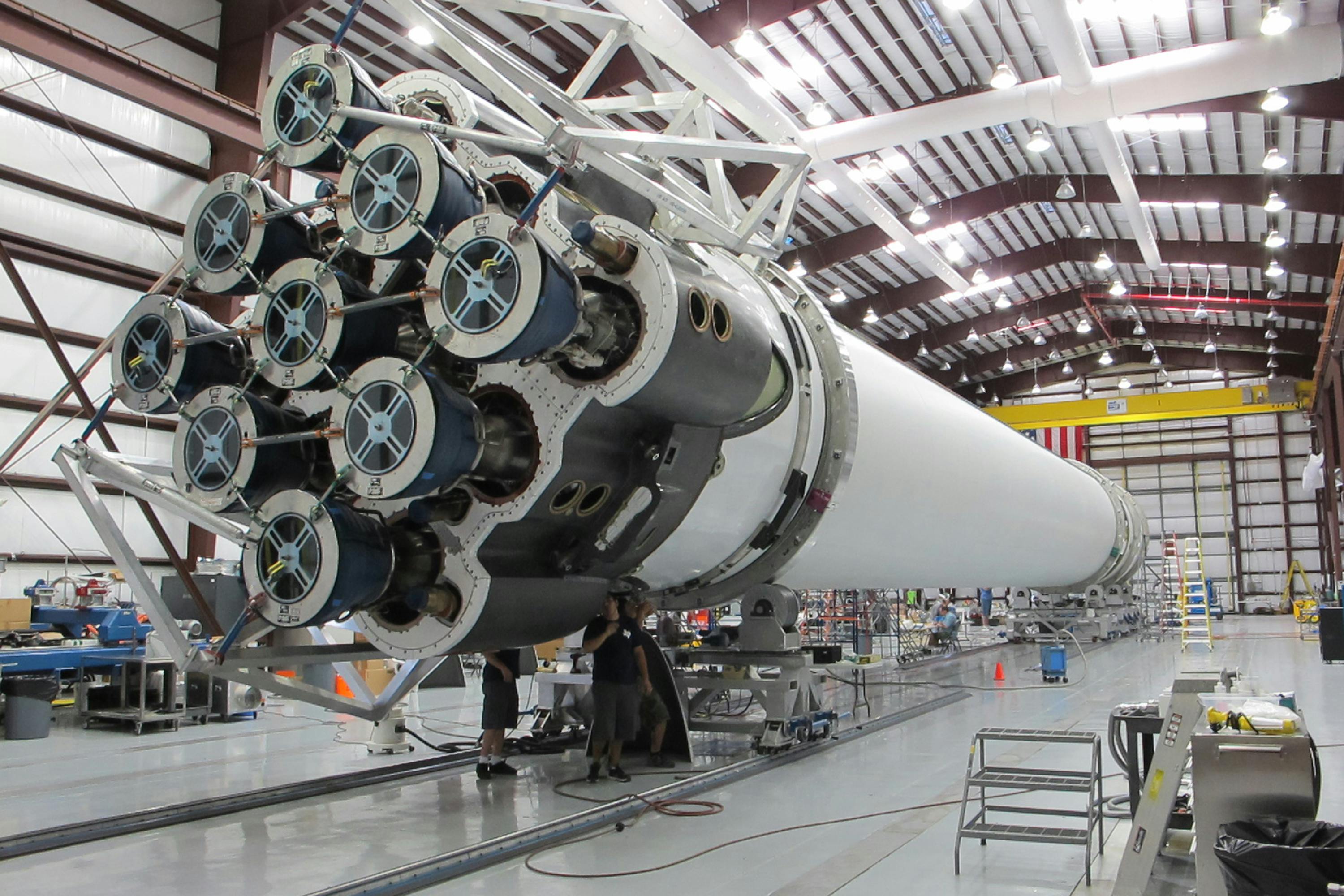
Booster B1067 hit 36 flights on July 9, while SpaceX files to expand Starlink to 100,000 satellites at 4,400 lbs each.

Today's briefing covers the latest satellite communications advancements, a secretive military launch by SpaceX, and new space defense organizational structures.

Landsat 7 launched on April 15, 1999, designed to last five years. It operated for twenty-five, survived a failure that destroyed a fifth of every image it took, and became part of the longest continuous record of Earth's surface ever assembled. Then they made the data free.
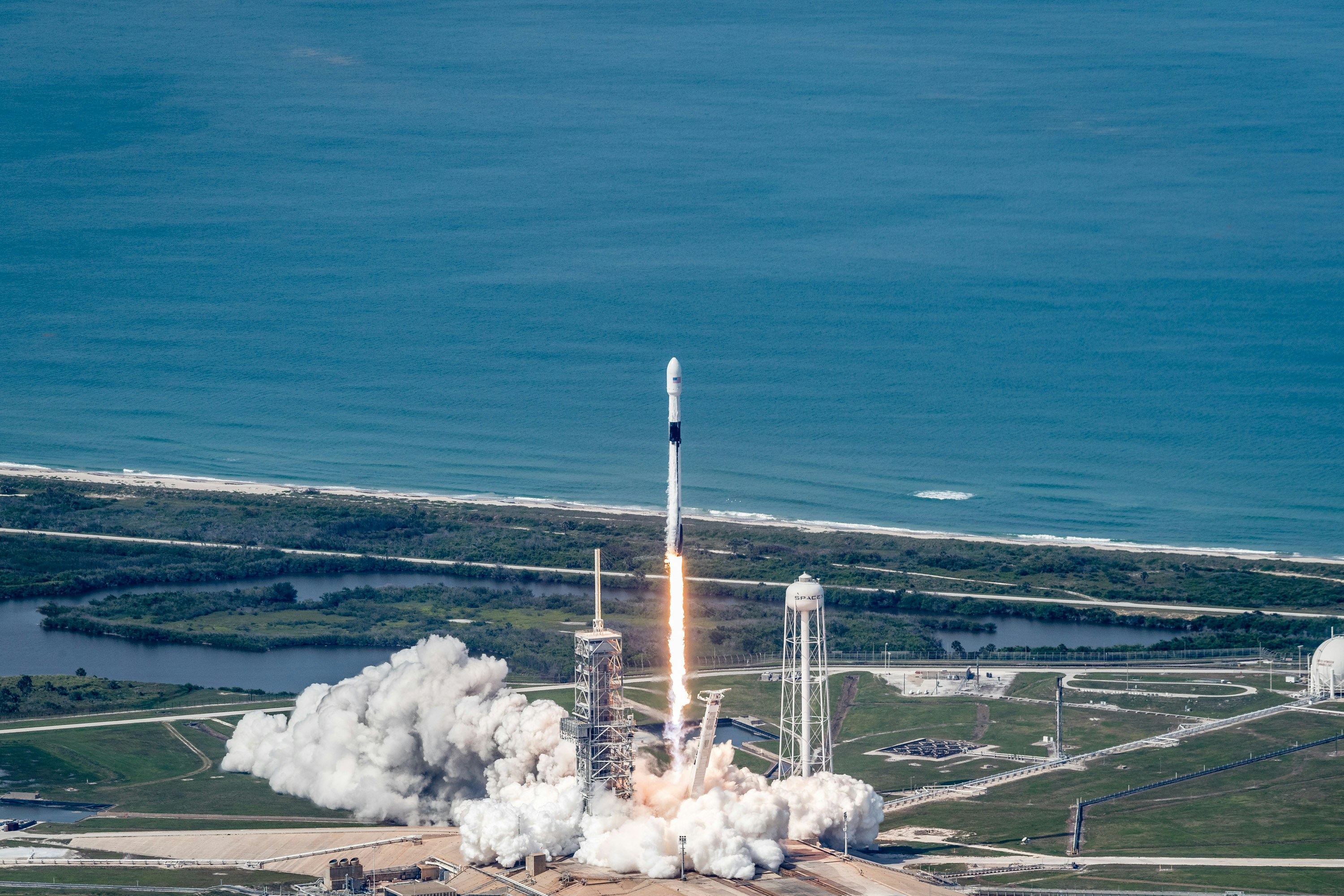
Starship update July 2026: Flight 13 completed a full six-Raptor static fire as SpaceX targets its first Cape Canaveral Starship launch by year's end.
Explore exciting updates on satellite reentries impacting Earth's atmosphere, China's ambitious space exploration plans, and the latest advancements in the search for extraterrestrial life.