


X Report 22 Oct 2025
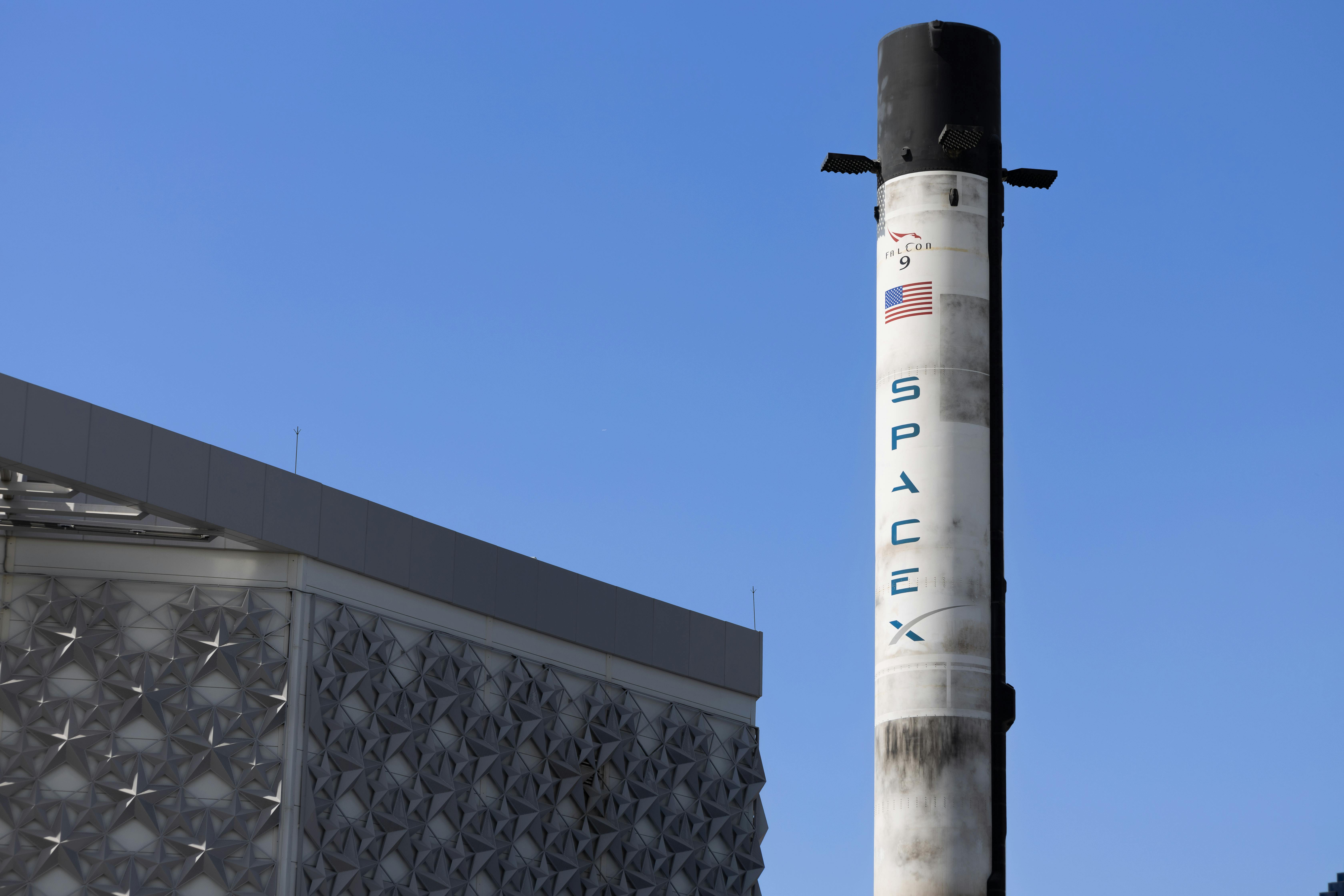
SpaceX sets a new launch record as it prepares for its 133rd Falcon 9 mission. Additionally, developments in satellite technology and mergers in the space sector highlight the ongoing competition.



Launch Date
April 24, 1974
Launch Site
PLMSC
Launch Pad
LC43/4
Launch Vehicle
Vostok 8A92M
NORAD ID
57537
International Designator
1974-025C
Epoch
Sun, 12 Jul 2026 21:12:33 GMT
Apogee
Calculating...
Perigee
Calculating...
Inclination
81.20°
Right Ascension
257.20°
Eccentricity
Calculating...
Argument of Perigee
6.47°
Period
101.07 min
Mean Motion
14.25 rev/day
Latitude
Calculating...
Longitude
Calculating...
Altitude
Calculating...
Velocity
Calculating...
Name
METEOR 1-17 DEB
Alternative Name
deb Meteor (M) 22L
Type
Status
Owner
GUKOSR/GMS
Country
USSR
Constellation
N/A
Related Satellites
Major Events
N/A
1 57537U 74025C 26193.88372462 .00002431 00000+0 10389-2 0 9998
2 57537 81.1990 257.1988 0006489 6.4709 353.6552 14.24736879154370
Source: Celestrak
Length
0
Diameter
0
Span
0
Dry Mass
0
Launch Mass
0
Shape
N/A
Radar Cross Section
Unknown
Visual Magnitude
Unknown
Color
Unknown
Material Composition
Unknown
Payload
Unknown
Purpose
Unknown
Mission
Unknown
Manufacturer
VNIEM
Life Expectancy
Unknown
Bus
Unknown
Configuration
Unknown
Motor
Unknown
Equipment
Unknown
Power System
Unknown
ADCS
Unknown
Transmitter Frequency
Unknown
Learn more about satellites and other related topics.
SpaceX sets a new launch record as it prepares for its 133rd Falcon 9 mission. Additionally, developments in satellite technology and mergers in the space sector highlight the ongoing competition.

Twenty-two years ago, the crew of Space Shuttle Columbia awakened to John Lennon's 'Imagine' and shared a profound message about unity and peace that would become part of their enduring legacy
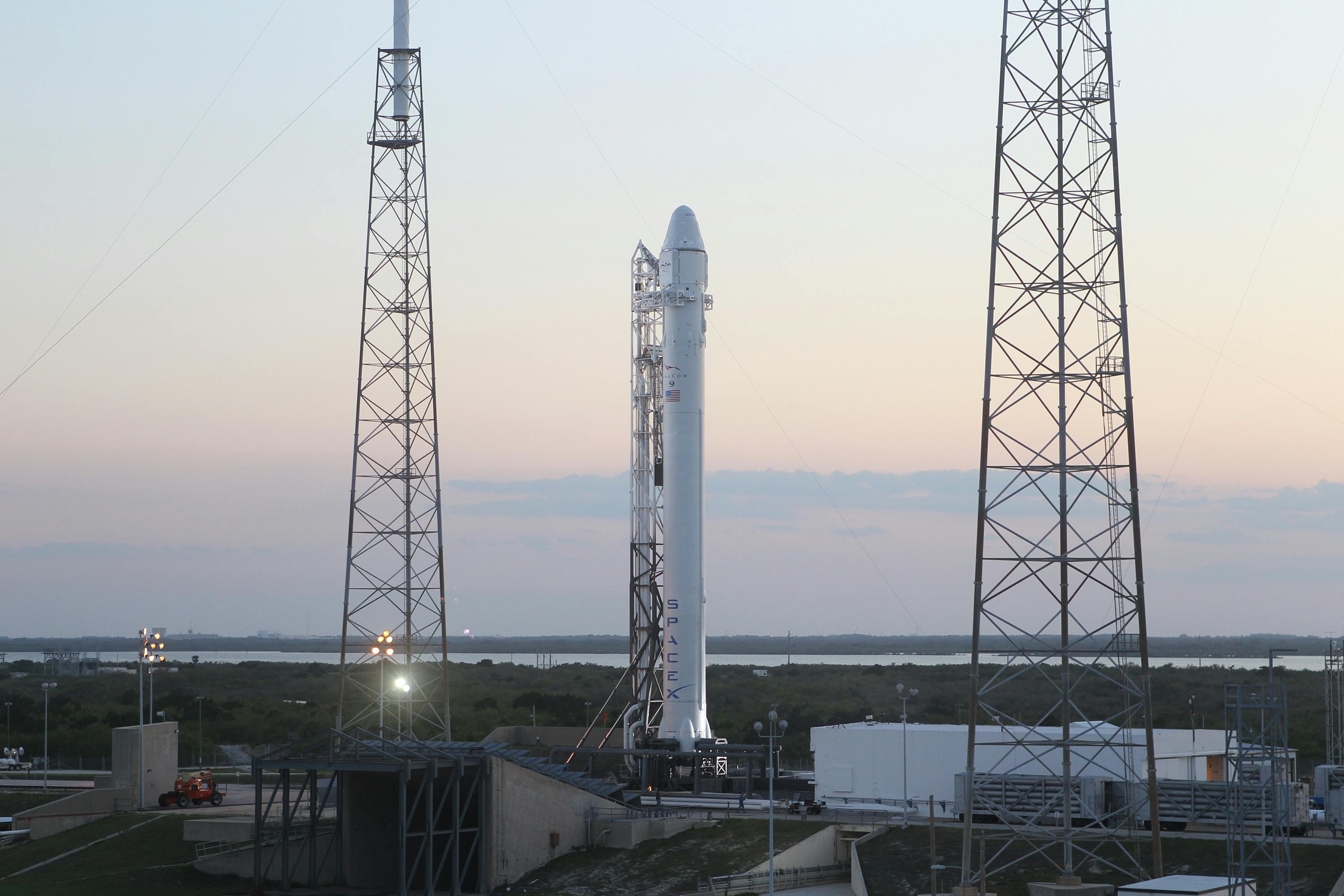
Exciting advancements from SpaceX as Starshield satellites prepare for launch, Starship Flight 7 faces a short delay, and new Starlink satellites enter orbit.

SpaceX prepares for another Starlink launch from Florida, while recent Starship incident raises environmental concerns.

SpaceX carried out a double-header Starlink launch from both coasts while milestones from Max Space and Lux Aeterna signal growth in the commercial space sector.

Fifty-four years ago, a Saturn V rocket lifted off carrying three astronauts determined to prove America could still reach the Moon after the near-disaster of Apollo 13

Today's highlights include the successes and setbacks in recent rocket launches, a notable satellite anomaly, and a significant expansion announcement from ESA.
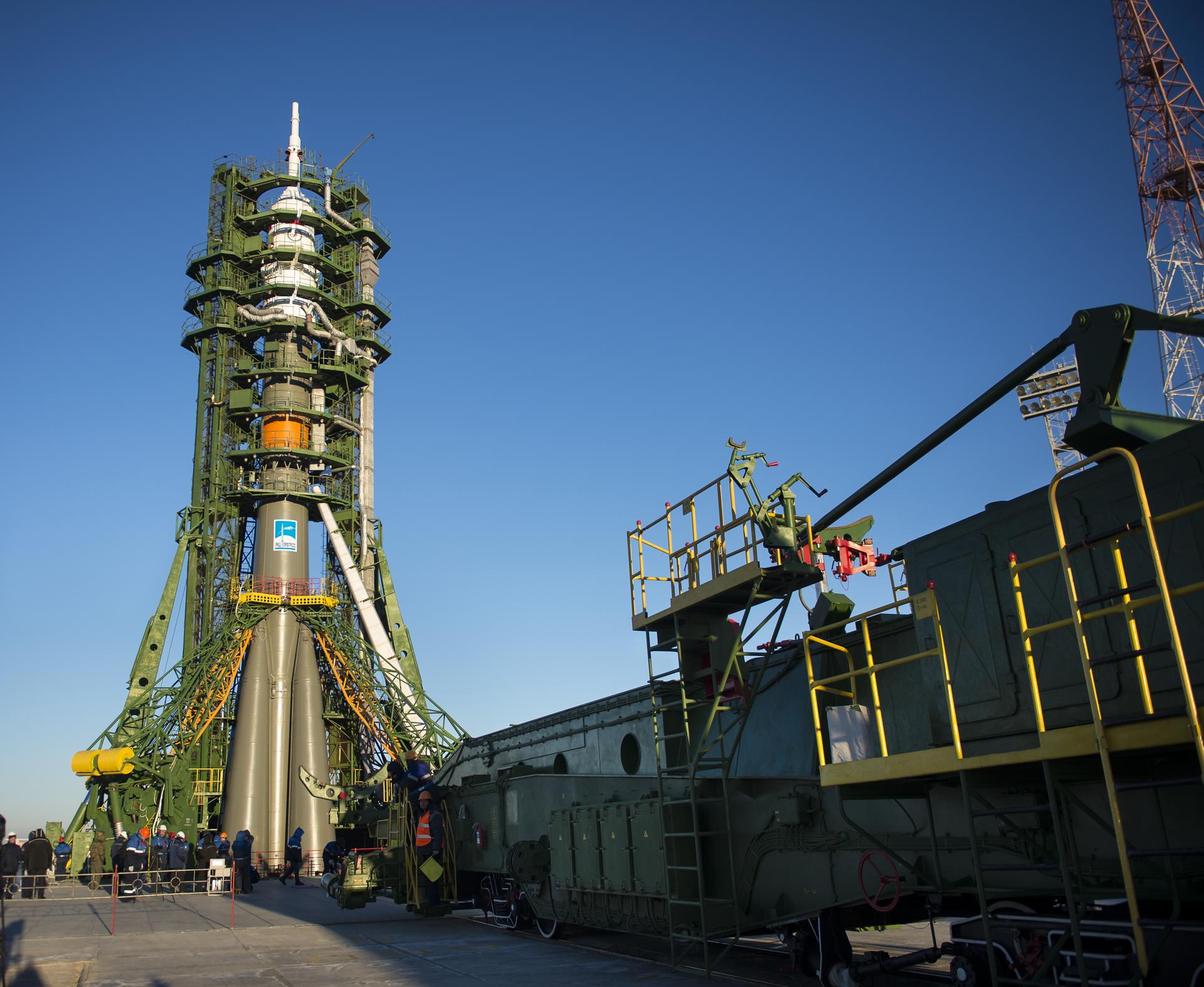
Iran calls Kowsar 1.5 a private-sector farming satellite. Its 3.45-meter camera, its sun-synchronous orbit, and the Russian rocket that carried it point somewhere else entirely.