


X Report 26 Dec 2024
Launch of 21 new Starlink satellites, featuring cell phone connectivity, and updates on NASA and SpaceX collaborative missions.


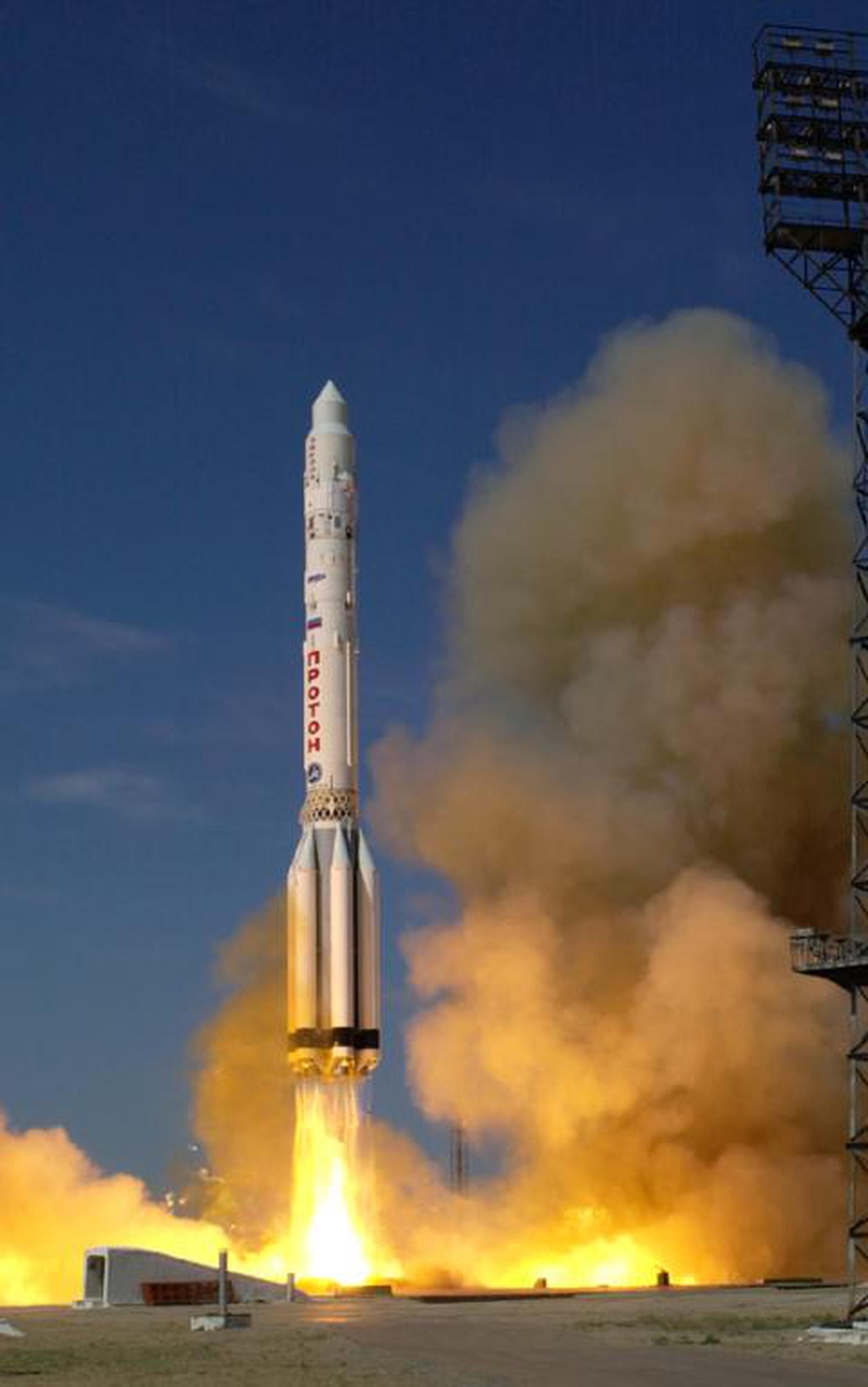
Launch Date
November 20, 1998
Launch Site
Launch Pad
LC39A
Launch Vehicle
NORAD ID
56316
International Designator
1998-067VH
Decay Date
11/11/2023
Name
YUKONSAT
Alternative Name
YukonSat-1
Type
Status
Owner
YUKON
Country
Canada
Constellation
N/A
Related Satellites
Major Events
N/A
Length
0.2
Diameter
0.1
Span
0.2
Dry Mass
2
Launch Mass
2
Shape
Box
Radar Cross Section
Unknown
Visual Magnitude
Unknown
Color
Unknown
Material Composition
Unknown
Payload
YukonSat-1
Purpose
Technology, thermospheric research, education
Mission
Technology, thermospheric research, education
Manufacturer
YUKON
Life Expectancy
3 months
Bus
Cubesat 2U
Configuration
CubeSat (2U)
Motor
None
Equipment
Digital fluxgate magnetometer
Power System
Solar cells, batteries
ADCS
Unknown
Transmitter Frequency
Unknown
Learn more about satellites and other related topics.
Launch of 21 new Starlink satellites, featuring cell phone connectivity, and updates on NASA and SpaceX collaborative missions.
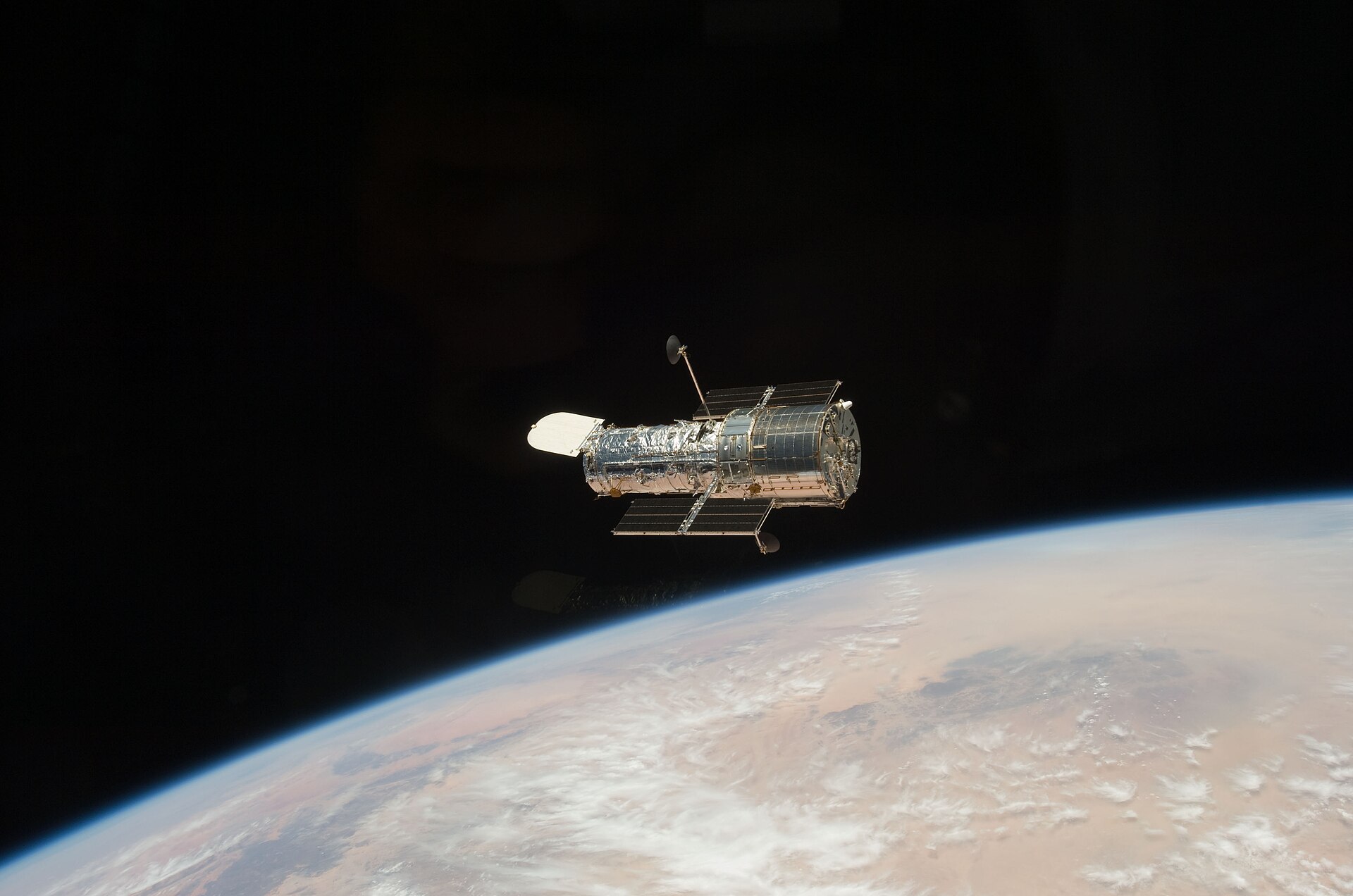
On April 25, 1990, the Space Shuttle Discovery's robotic arm lifted a 11,110-kilogram barrel of mirrors and instruments out of the payload bay and released it into orbit. Six weeks later, the first images came back badly out of focus. The Hubble Space Telescope had been ground to the wrong prescription, and America had just spent $2.5 billion on what the press was calling a 'technoturkey.'
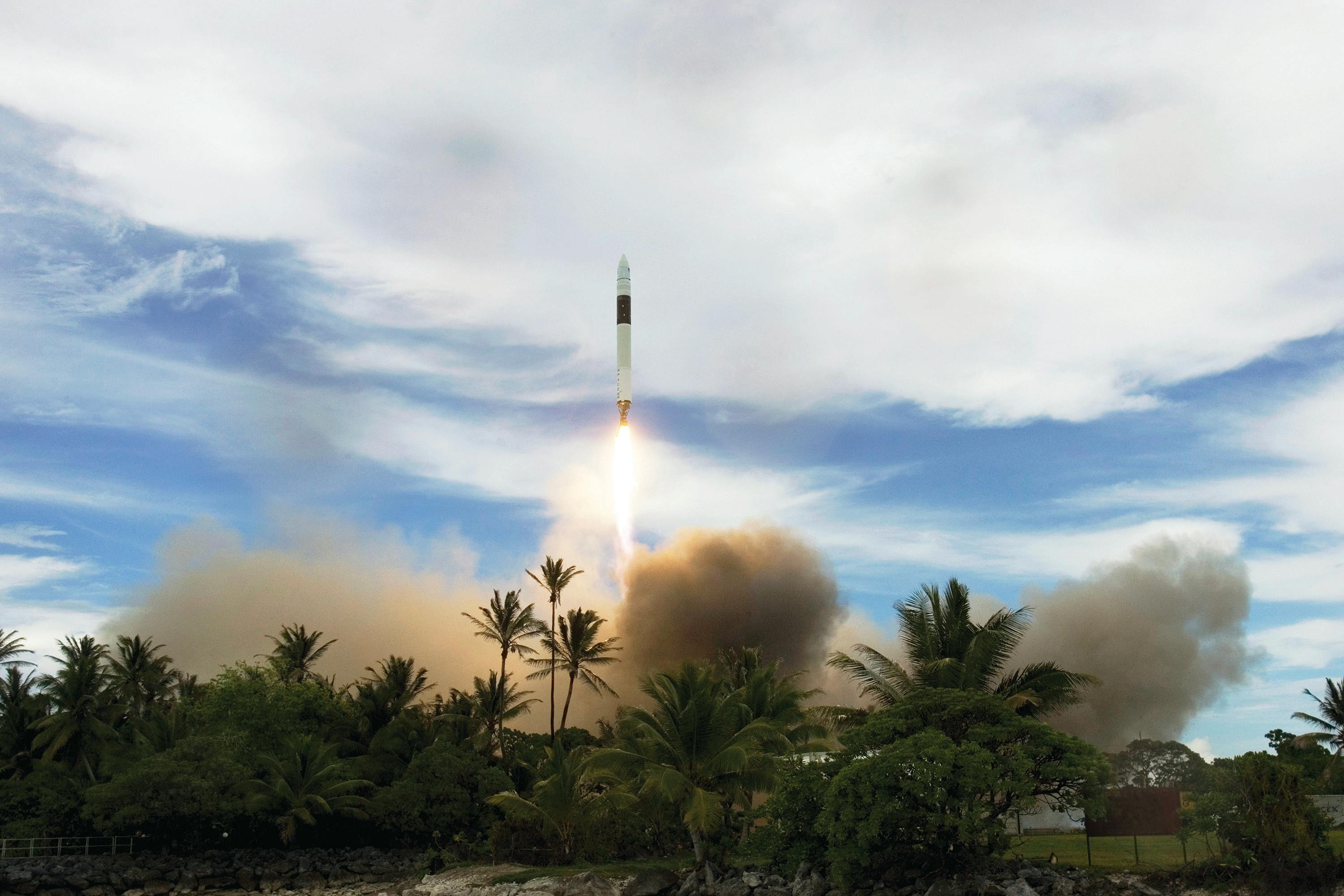
SpaceX prepares for sixth Starship flight, slated for mid-November, following successful fifth test in October.
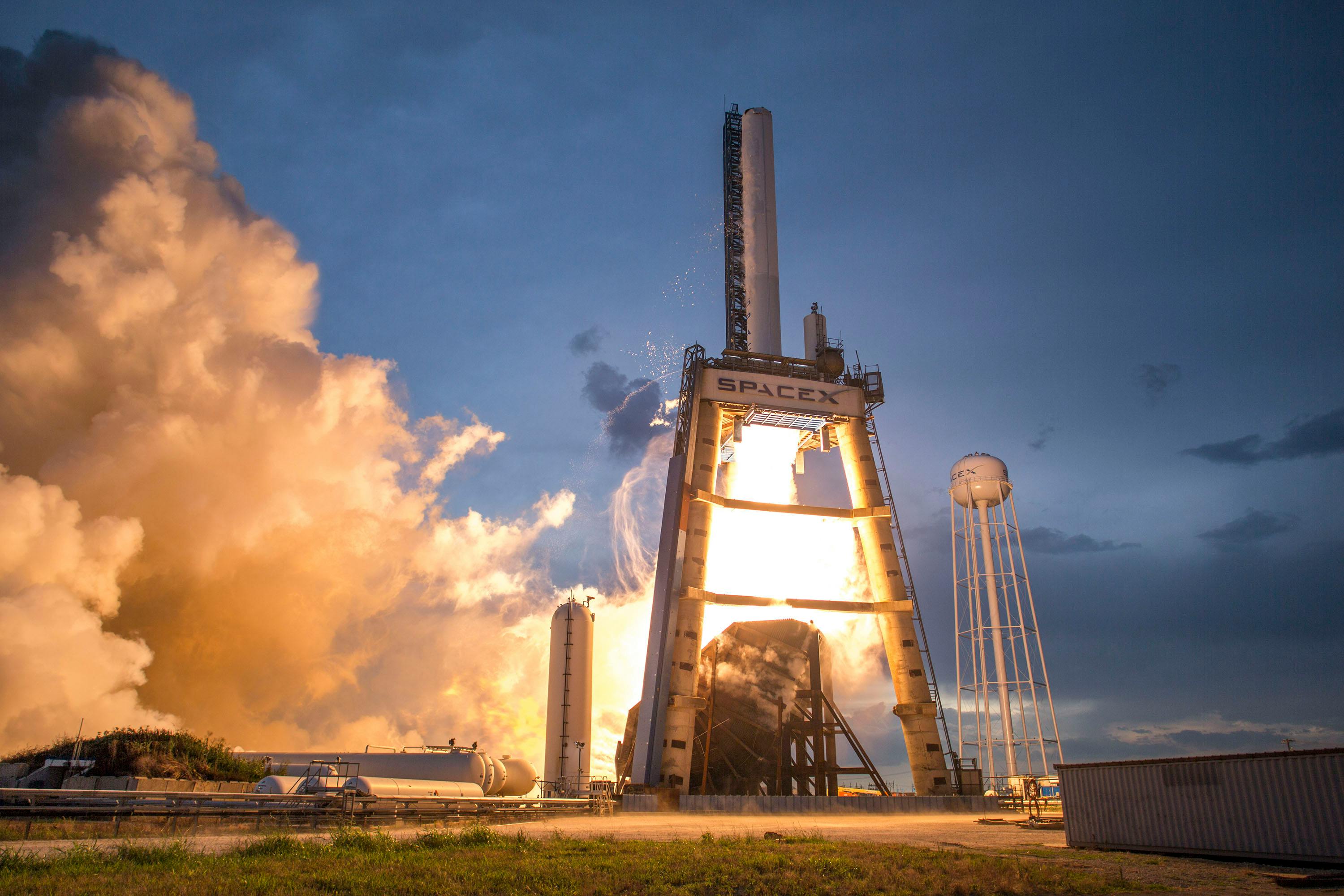
SpaceX successfully launched the latest GPS satellite for the U.S. military, while the FAA has initiated a mishap investigation on a recent Starship test flight. CEO Elon Musk provided updates on the future of the Starship program, indicating ambitious plans ahead.

Artemis 2's four-person crew splashed down April 10 after first crewed lunar flyby since Apollo 17. Orion performance data critical for Artemis 3 south pole landing planning.
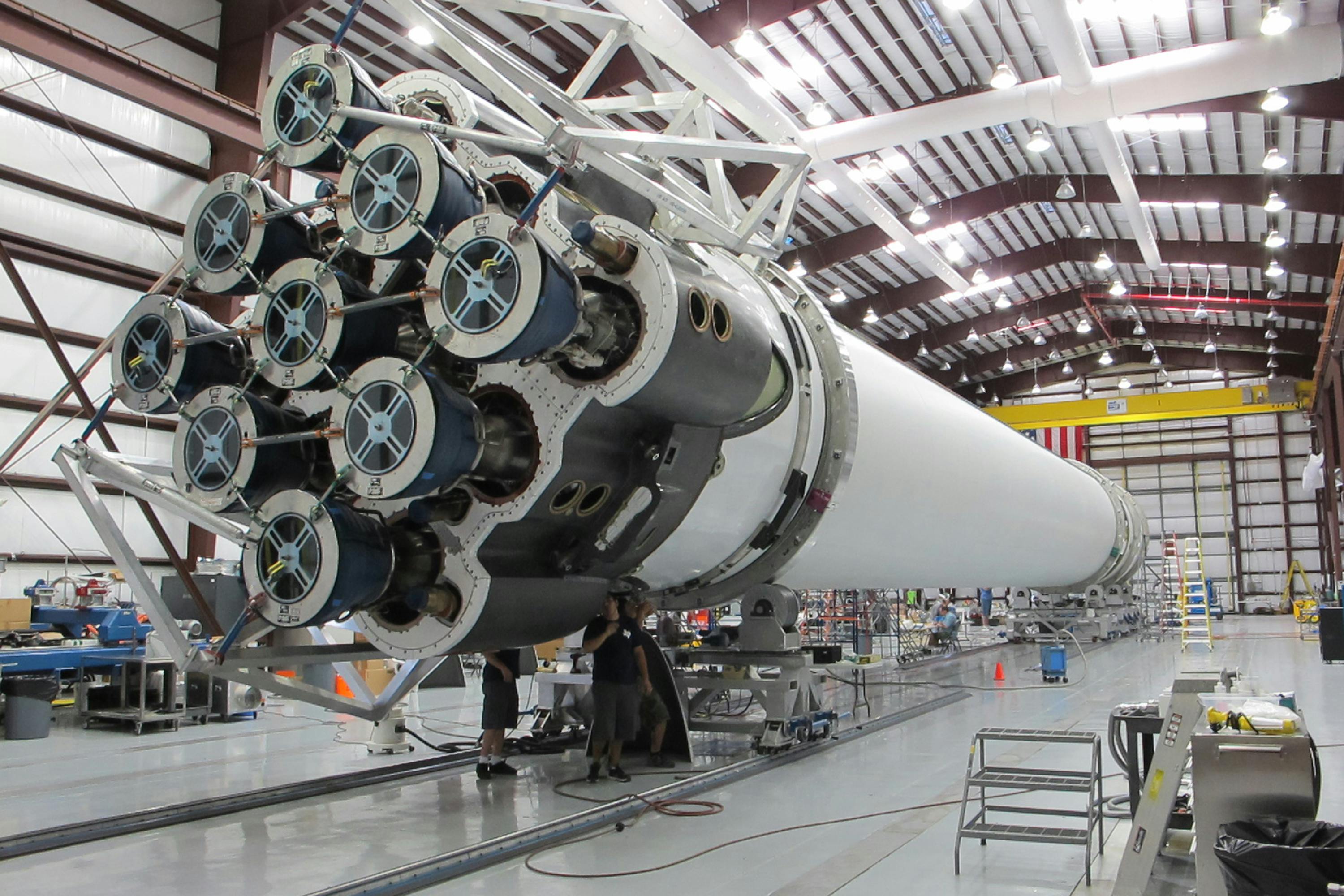
SpaceX launched 25 Starlink satellites from Vandenberg SFB on March 8, growing a constellation now totaling 9,924 active orbital nodes.
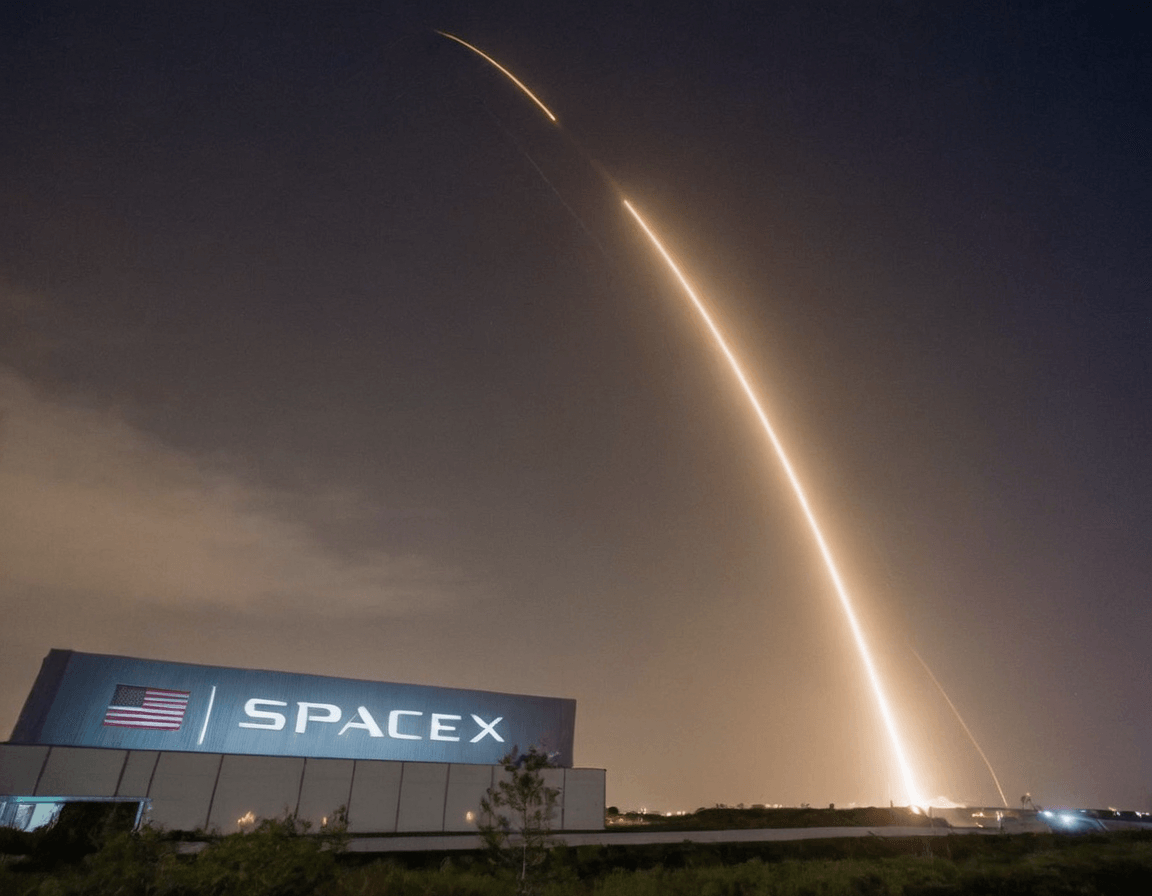
SpaceX successfully returns to flight with a Starlink mission, detailing the cause of the July 11 anomaly and implementing fixes to prevent future incidents.

SpaceX successfully launched 28 Starlink satellites on October 7, further expanding its broadband constellation while hosting an active launch schedule this week.