


Starlink Launch Cadence: 54 Sats in One Day, X Report 13 Mar 2026
SpaceX Starlink launch cadence 2026: missions 26 and 27 lift off 37 minutes apart on March 13, with 25 and 29 satellites per Falcon 9, 54 in one morning.


NORAD ID
55967
International Designator
2023-037BF
Decay Date
3/29/2023
Name
FALCON 9 DEB
Alternative Name
Starlink deployment rail
Type
Status
Owner
SPXS
Country
United States
Constellation
N/A
Related Satellites
Major Events
N/A
Length
7
Diameter
0.02
Span
7
Dry Mass
50
Launch Mass
50
Shape
Cyl
Radar Cross Section
Unknown
Visual Magnitude
Unknown
Color
Unknown
Material Composition
Unknown
Payload
Unknown
Purpose
Unknown
Mission
Unknown
Manufacturer
SPXS
Life Expectancy
Unknown
Bus
Unknown
Configuration
Unknown
Motor
Unknown
Equipment
Unknown
Power System
Unknown
ADCS
Unknown
Transmitter Frequency
Unknown
Learn more about satellites and other related topics.
SpaceX Starlink launch cadence 2026: missions 26 and 27 lift off 37 minutes apart on March 13, with 25 and 29 satellites per Falcon 9, 54 in one morning.

Today’s Space Brief covers significant developments such as SpaceX’s latest Starlink launch, the US Space Force testing modular satellite technology, and key long-range missile tests by the Pentagon.
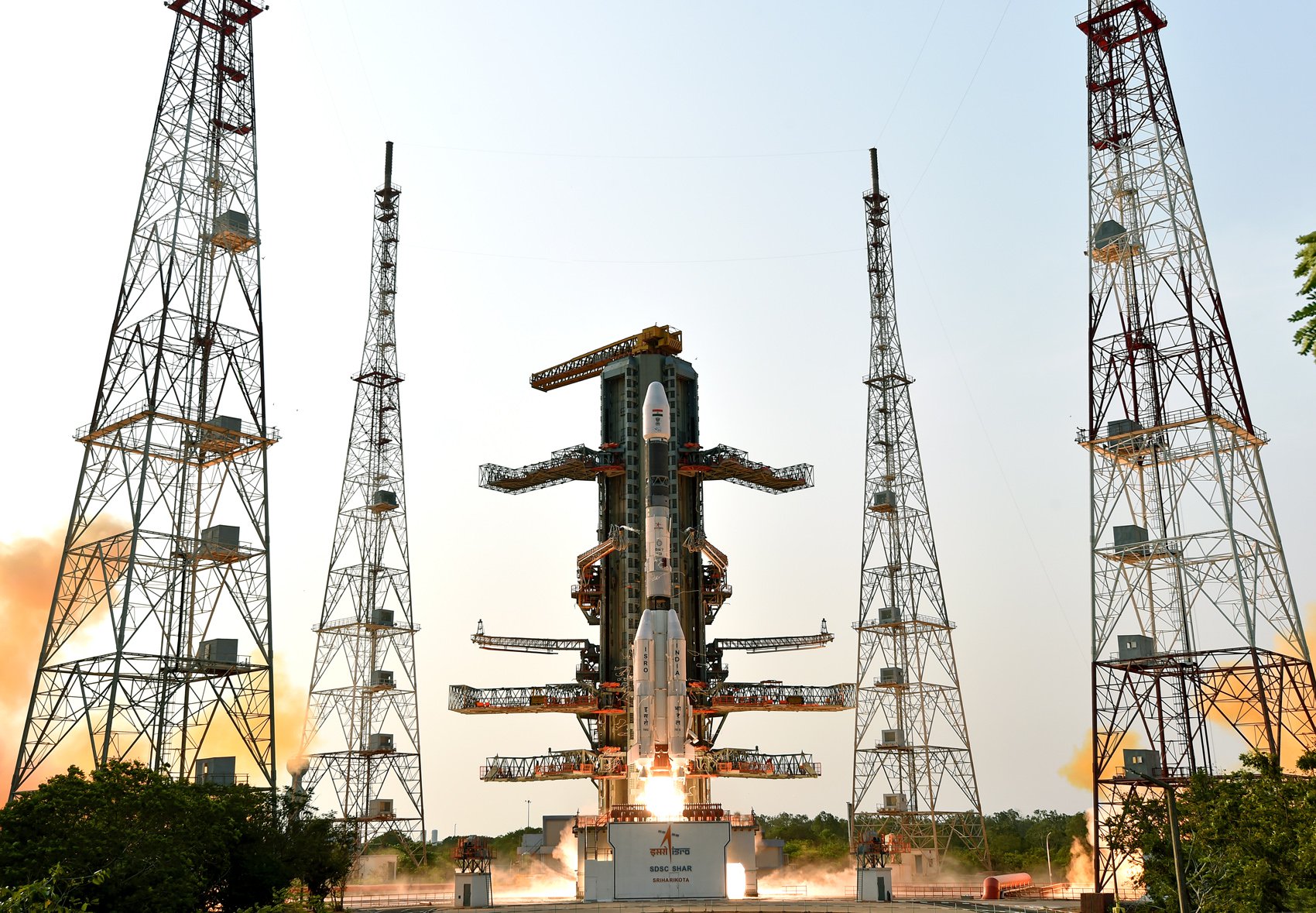
Today's briefing covers Spire Global's new intelligence products, a significant military buildup in the Pacific, Space Force organizational changes, and more.
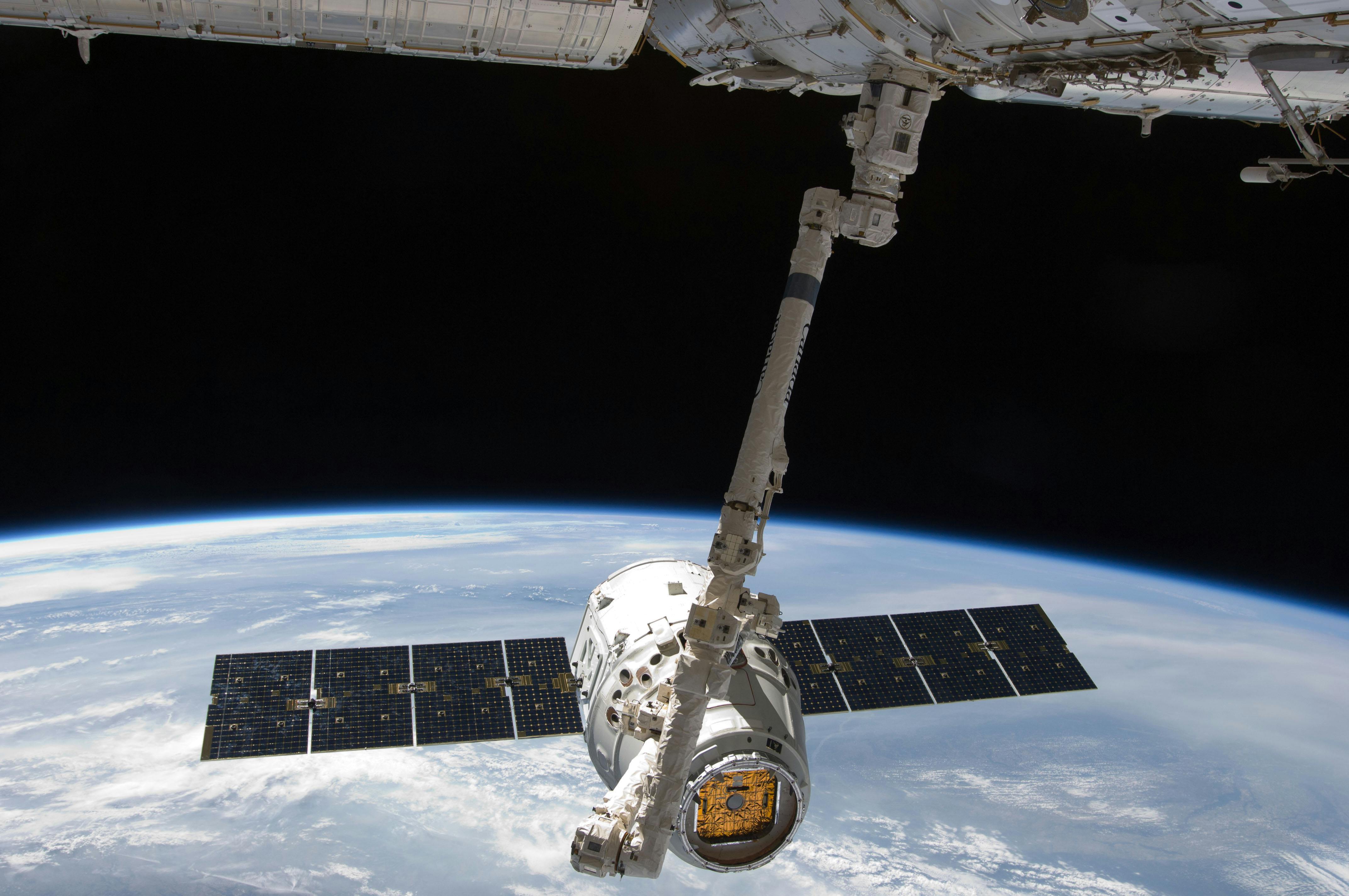
SpaceX prepares for a busy launch schedule with key upgrades at Starbase and notable Starlink missions. Recent close approaches in orbit underscore the complexities of satellite operations.
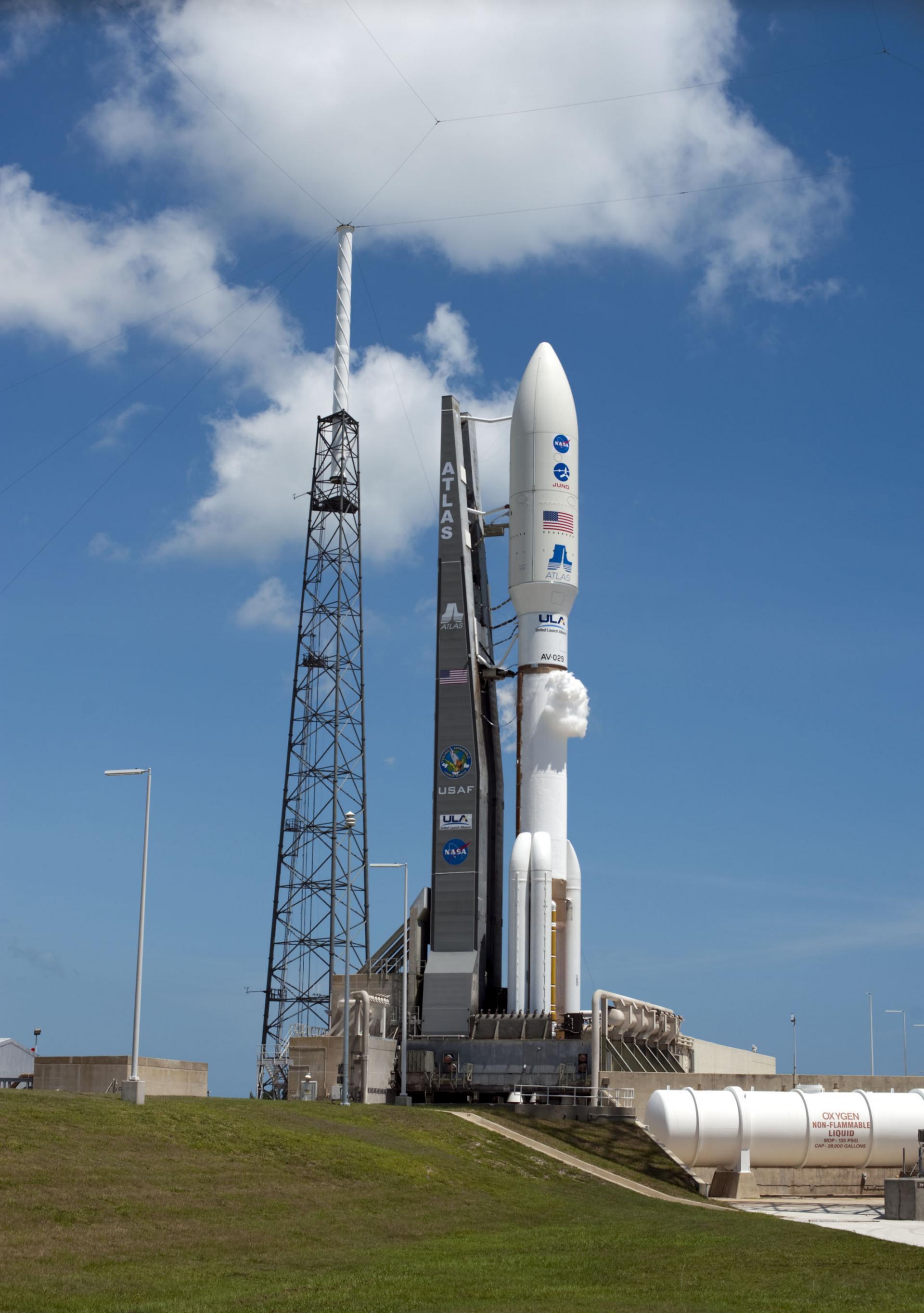
Today's coverage includes China's recent satellite launch, the Space Force's challenges with current tracking capabilities, and advancements in nuclear propulsion from Ohio State.
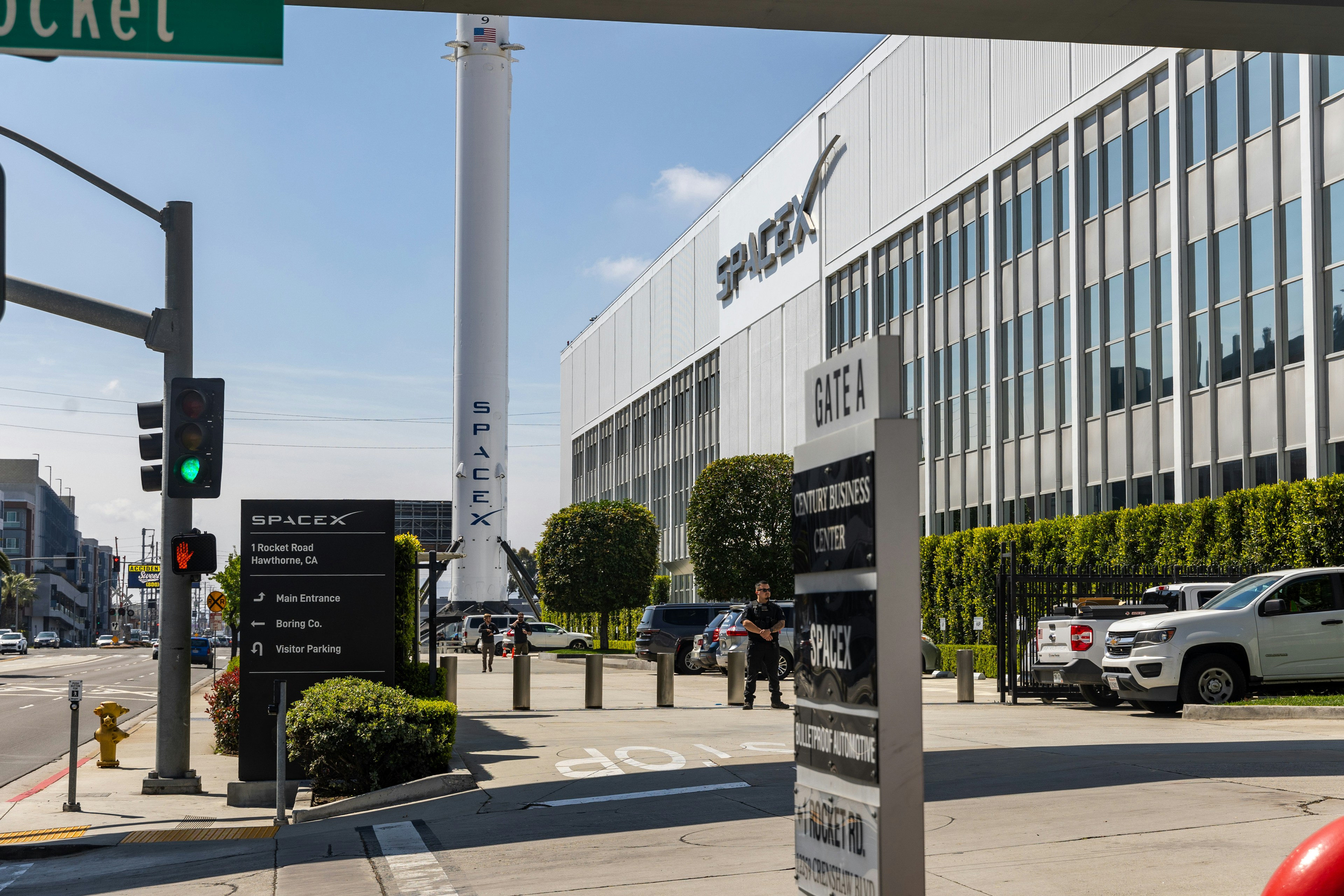
This Week In Space Episode 219 examines SpaceX's expanding military ties as Starlink's constellation tops 12,552 satellites launched.

Europe's Arctic gateway to orbit. How Norway's Andøya Spaceport is positioning itself as the continent's answer to launch congestion - and what the failed Isar Aerospace test flight means for the road ahead.

ESA's Proba-3 spacecraft lost contact last month, grounding the dual-satellite solar eclipse mission. Formation flying between both craft is critical for coronagraph science.