SpaceX Names AI Megaconstellation "Starmind" | KeepTrack X Report
SpaceX officially names its planned AI megaconstellation Starmind while a Falcon 9 upper stage targets a lunar impact this August.
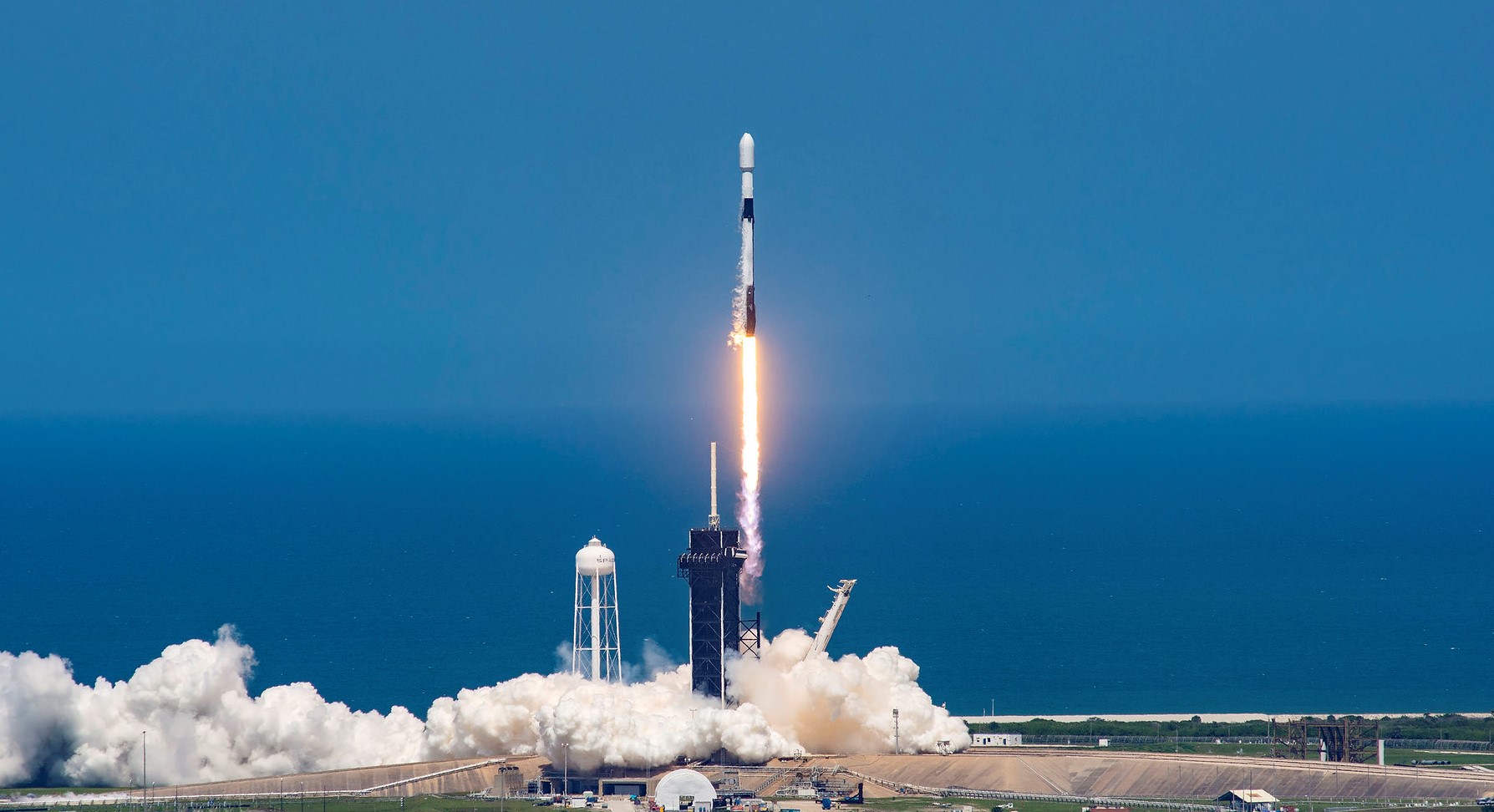
Launch Date
January 10, 2023
Launch Site
Launch Pad
LC40
Launch Vehicle
NORAD ID
55171
International Designator
2023-004AH
Epoch
Sun, 19 Jul 2026 21:07:23 GMT
Apogee
Calculating...
Perigee
Calculating...
Inclination
87.92°
Right Ascension
328.94°
Eccentricity
Calculating...
Argument of Perigee
89.74°
Period
109.20 min
Mean Motion
13.19 rev/day
Latitude
Calculating...
Longitude
Calculating...
Altitude
Calculating...
Velocity
Calculating...
Name
ONEWEB-0631
Alternative Name
OneWeb SL0631
Type
Status
Owner
ONEWEBN
Country
United Kingdom
Constellation
N/A
Related Satellites
Major Events
N/A
1 55171U 23004AH 26200.88013402 -.00000048 00000+0 -15362-3 0 9997
2 55171 87.9204 328.9356 0002247 89.7363 270.4027 13.18687013173986
Source: Celestrak
Length
1.3
Diameter
1
Span
5
Dry Mass
140
Launch Mass
148
Shape
Trapezoid+2 pan
Radar Cross Section
Unknown
Visual Magnitude
Unknown
Color
Unknown
Material Composition
Unknown
Payload
OneWeb L16-034
Purpose
Communication
Mission
Communication
Manufacturer
ONEWUS
Life Expectancy
+ 7 years
Bus
ARROW
Configuration
Arrow bus
Motor
SPT-50 or BHT-350 Hall effect thrusters
Equipment
Ku-Band payload
Power System
solar arrays, batteries
ADCS
Unknown
Transmitter Frequency
Unknown
Learn more about satellites and other related topics.
SpaceX officially names its planned AI megaconstellation Starmind while a Falcon 9 upper stage targets a lunar impact this August.
Today's highlights include Rocket Lab's progress on the Space Force's VICTUS HAZE mission, BlackSky's new government contract, and AEI's policy recommendations for Space Force restructuring.
This week's highlights include the successful launch of the X-37B spaceplane and the deployment of 24 new Starlink satellites, alongside preparations for the upcoming Starship Flight 10.
Today's brief covers NASA's collaboration with India for a new Earth-tracking satellite, China's expansion of its satellite internet network, and a groundbreaking cosmic shield for solar cells. Also highlighted are EchoStar's ambitious satellite order and Roscosmos' recent diplomatic moves.
Today's edition covers SpaceX's Starlink launch delay, a breakthrough in ceramic manufacturing for space, and Momentus's orbital tech demo, among other headlines.
On February 10, 2009, an active Iridium communications satellite and a derelict Soviet military spacecraft slammed into each other 789 kilometers above Siberia. The collision produced more than 2,300 pieces of trackable debris that are still up there. Seventeen years later, the Iridium-Cosmos collision remains the event that made space debris a policy problem the world could no longer ignore.
Starlink mobile service is planned for the US as SpaceX fires Ship 40's single Raptor in a prelaunch test, with 10,689 Starlink satellites working.
Space Force urgently rebuilds contracting workforce after civilian reductions. Pentagon defense strategy shifts focus to homeland defense. Tom Ainsworth named top Air Force space acquisition officer.