


X Report 6 Apr 2025
SpaceX's Fram2 mission lands in the Pacific, SpaceX secures U.S. military contracts, and Starlink expands with latest satellite launch.



Launch Date
January 3, 2023
Launch Site
Launch Pad
LC40
Launch Vehicle
NORAD ID
55042
International Designator
2023-001AK
Decay Date
9/24/2025
Name
FLOCK 4Y-33
Alternative Name
Flock 4y-33
Type
Status
Owner
PLAN
Country
United States
Constellation
N/A
Related Satellites
Major Events
N/A
Length
0.3
Diameter
0.1
Span
0.3
Dry Mass
5.7
Launch Mass
5.7
Shape
Box+2 pan
Radar Cross Section
Unknown
Visual Magnitude
Unknown
Color
Unknown
Material Composition
Unknown
Payload
Dove 24bf
Purpose
Technology
Mission
Technology
Manufacturer
PLAN
Life Expectancy
~ 1 year (ISS orbit); 2-3 years (SSO)
Bus
Cubesat 3U
Configuration
CubeSat (3U)
Motor
None (most); FEEP (#Flock-3p')
Equipment
PS0, PS1 or PS2 imaging payload
Power System
Solar cells, batteries
ADCS
Unknown
Transmitter Frequency
Unknown
Learn more about satellites and other related topics.
SpaceX's Fram2 mission lands in the Pacific, SpaceX secures U.S. military contracts, and Starlink expands with latest satellite launch.
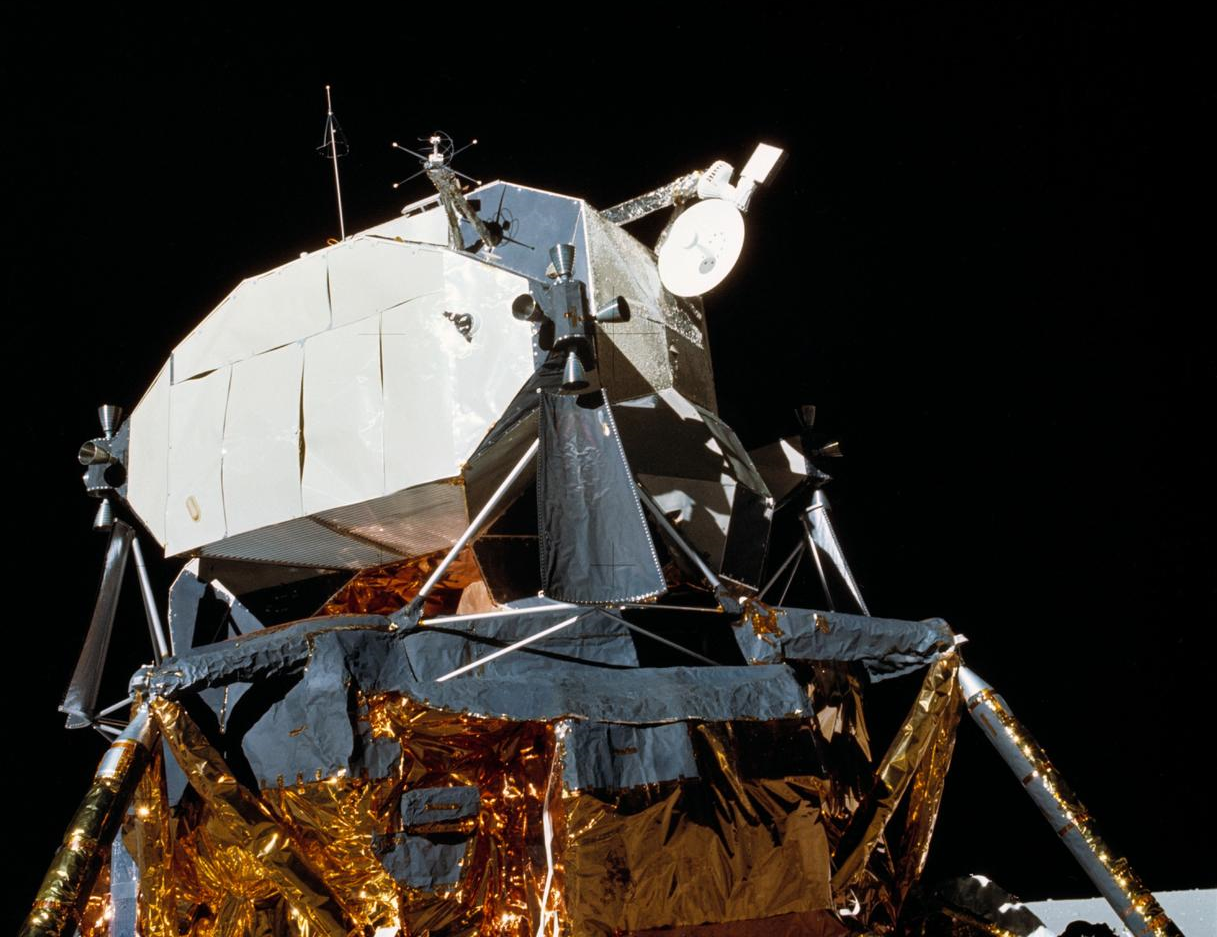
Six hours behind schedule, with a backup engine system shuddering in lunar orbit and mission controllers in Houston running out of options, Apollo 16 came within one meeting of being sent home without landing. The problem was a wobble in a gimbal. The solution was math done under pressure.
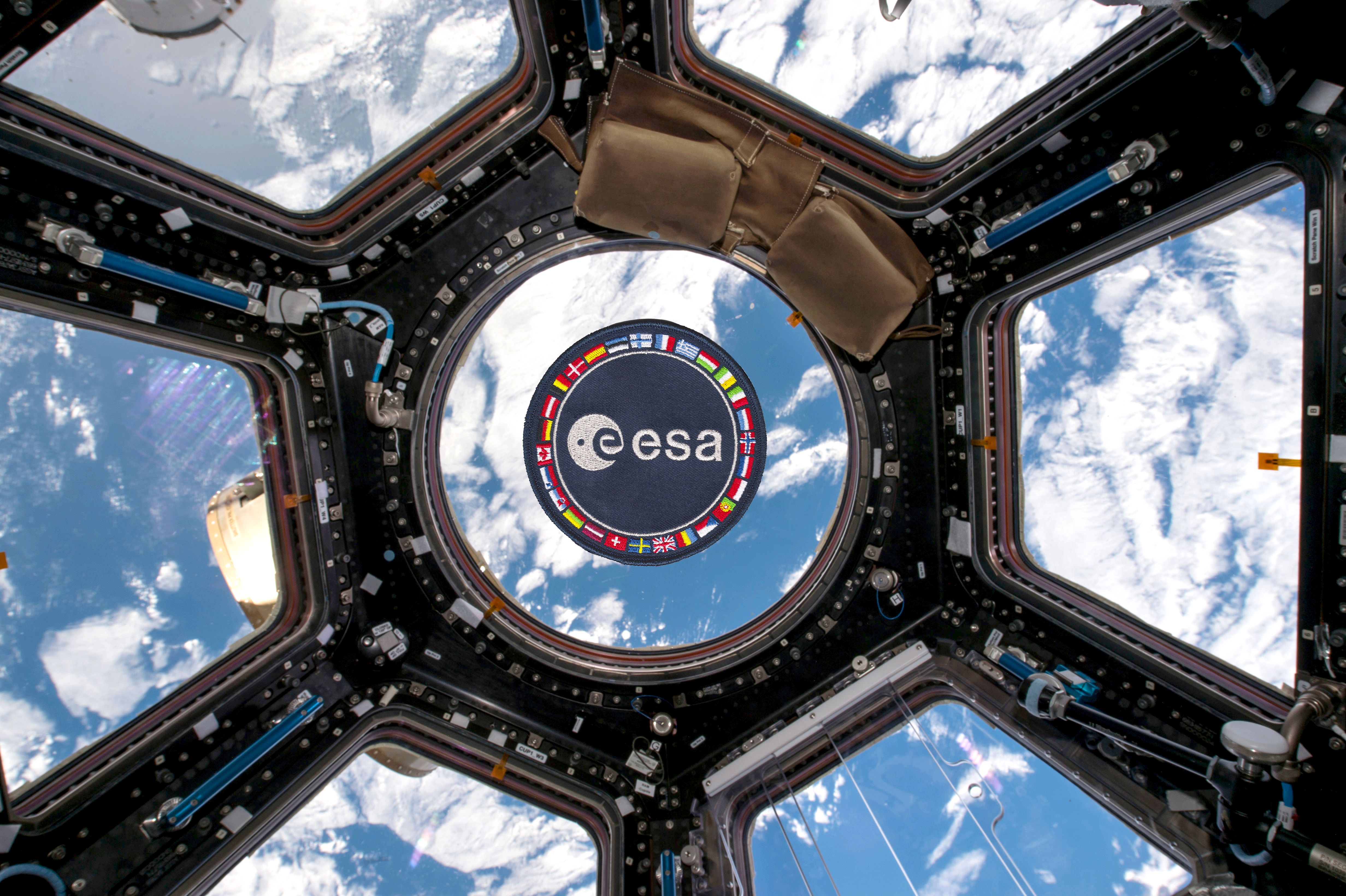
Kratos awarded $447 million Space Force contract for Resilient Missile Warning Tracking ground ops center in Medium Earth Orbit, shifting missile detection away from vulnerable GEO satellites.

Key developments include political attention on SpaceX's ISS crew return and competition forecasts between SpaceX and ULA for national security missions.

On April 22, 2026, the FAA published a final rule implementing per-launch user fees for commercial space transportation — the first time the U.S. government has charged payload-based fees for rocket launches. Starting at 25 cents per pound with a $30,000 cap, the fees are modest today. By 2033, they won't be.
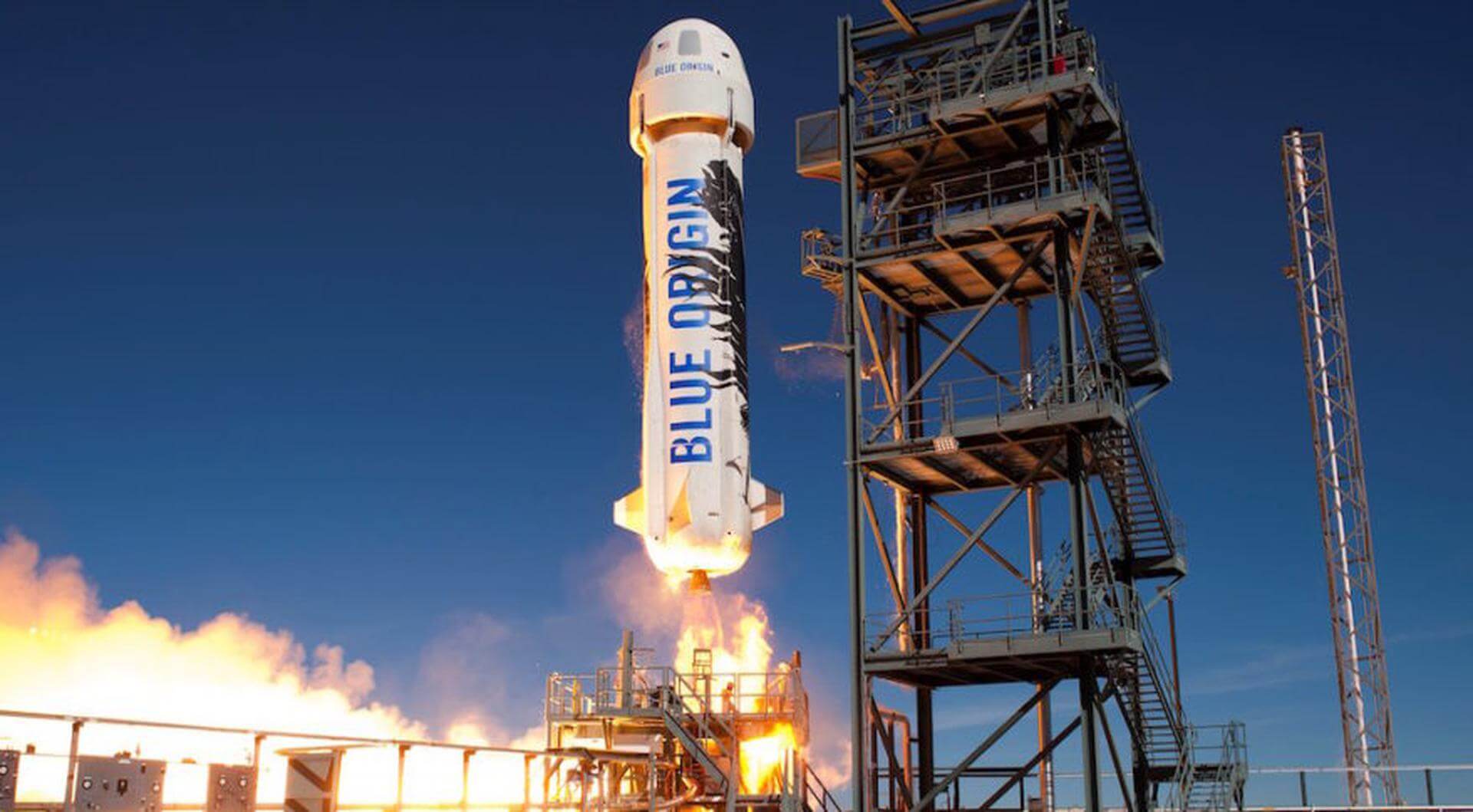
Today's brief covers significant space events, including milestone national security certifications for ULA Vulcan and Rocket Lab, SpaceX's groundbreaking polar orbit mission, and a failed launch attempt by Isar Aerospace.

For nearly two decades, the U.S. Air Force and Space Force have been the world's unofficial civilian space traffic control system. The Department of Commerce's Traffic Coordination System for Space (TraCSS) is now taking over that job for commercial satellite operators - in stages, against persistent congressional pressure to kill the program, and with Department of Defense advocates pushing to make it happen before it is too late.

SpaceX launches 25 Starlink satellites from Vandenberg after multiple weather delays. 20th Falcon 9 mission of 2026 features second-ever booster landing near The Bahamas.