


Artemis 2 Crew First Lunar-Bound Humans Since 1972 | KeepTrack Space Brief
Artemis 2 Orion carries first humans toward the Moon in 53 years. Spacecraft in good health after trans-lunar injection; lunar flyby observation plan due April 6.


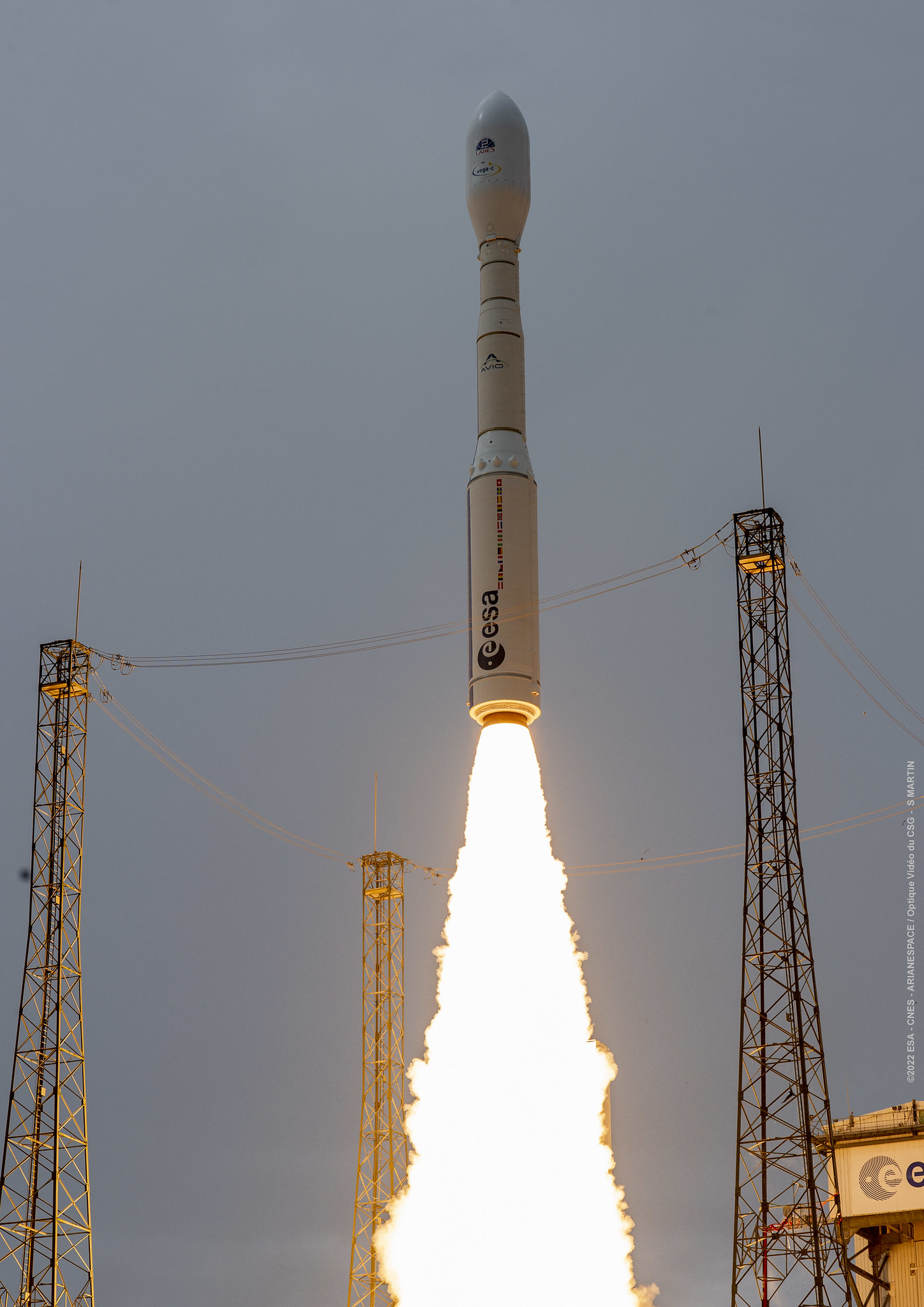
Launch Date
July 13, 2022
Launch Site
FRGUI
Launch Pad
ZLV
Launch Vehicle
Vega C
NORAD ID
53112
International Designator
2022-080H
Epoch
Thu, 20 Oct 2022 01:13:26 GMT
Apogee
Calculating...
Perigee
Calculating...
Inclination
70.15°
Right Ascension
43.13°
Eccentricity
Calculating...
Argument of Perigee
224.46°
Period
224.10 min
Mean Motion
6.43 rev/day
Latitude
Calculating...
Longitude
Calculating...
Altitude
Calculating...
Velocity
Calculating...
Name
OBJECT H
Alternative Name
MTCube-2
Type
Status
Owner
MONTP
Country
France
Constellation
N/A
Related Satellites
Major Events
N/A
1 53112U 22080H 22293.05099946 -.00000003 00000+0 00000+0 0 9996
2 53112 70.1502 43.1307 0006644 224.4624 135.5503 06.42556632 6211
Source: Celestrak
Apologies, there is no summary for this satellite yet. I am working to generate these for every object in the catalog, but it is going to take time.
Length
0.1
Diameter
0.1
Span
0.1
Dry Mass
1
Launch Mass
1
Shape
Box
Radar Cross Section
Unknown
Visual Magnitude
Unknown
Color
Unknown
Material Composition
Unknown
Payload
Robusta 1C
Purpose
Unknown
Mission
Unknown
Manufacturer
MONTP
Life Expectancy
Unknown
Bus
Cubesat 1U
Configuration
Unknown
Motor
Unknown
Equipment
Unknown
Power System
Unknown
ADCS
Unknown
Transmitter Frequency
Unknown
Learn more about satellites and other related topics.
Artemis 2 Orion carries first humans toward the Moon in 53 years. Spacecraft in good health after trans-lunar injection; lunar flyby observation plan due April 6.
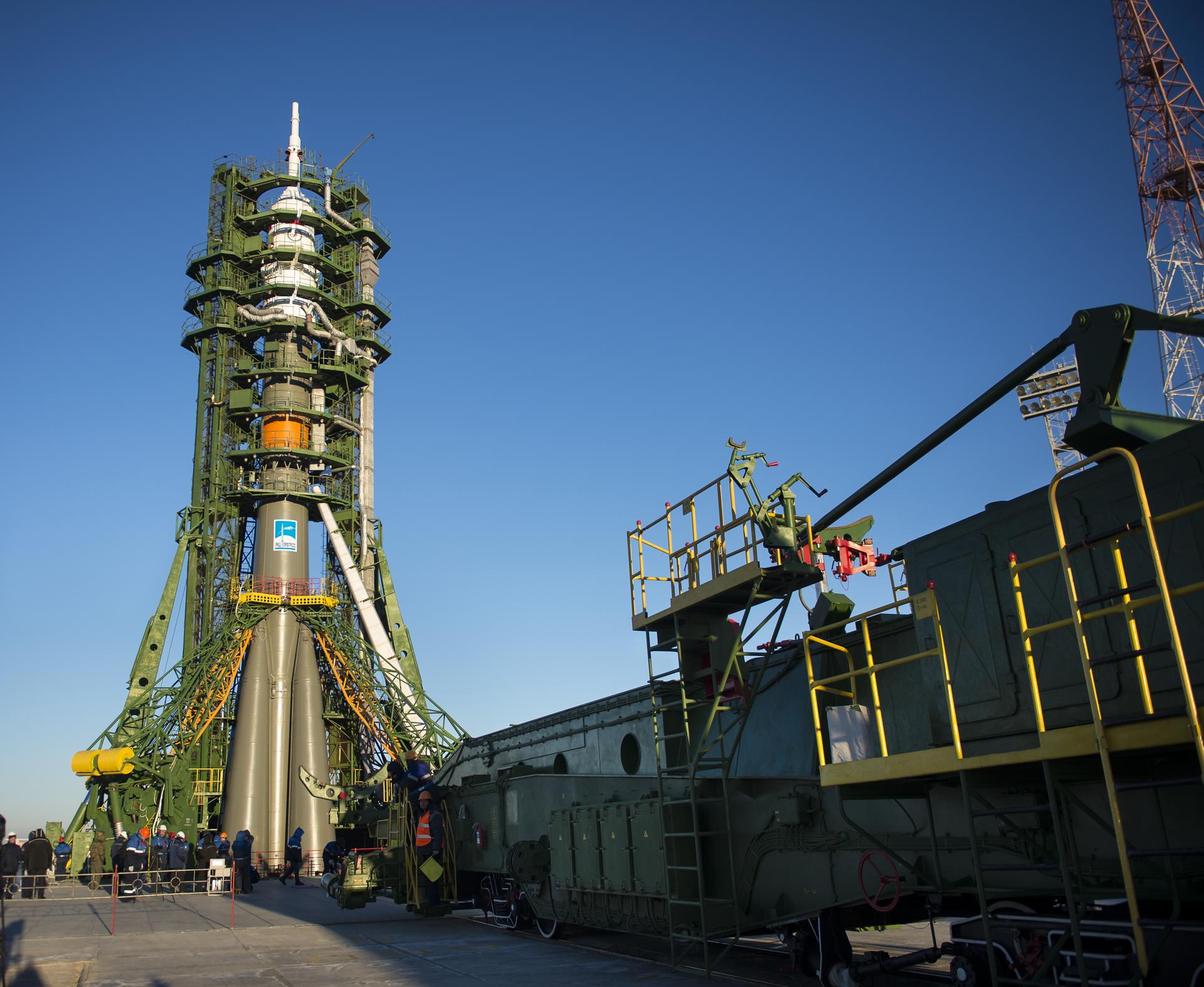
Iran calls Kowsar 1.5 a private-sector farming satellite. Its 3.45-meter camera, its sun-synchronous orbit, and the Russian rocket that carried it point somewhere else entirely.
Today's updates cover crucial developments in satellite licensing reforms, defense cybersecurity, and AI integration within government sectors.

Today's Space Brief covers a crucial weather data decision by the U.S. Defense Department, an innovative power supply for aerospace systems, advancements in satellite link technology, and Norway's maritime surveillance. AI/ML tools for airspace management and concerns about defense testing capabilities are also highlighted.

Today's highlights include SpaceX's record-breaking Falcon launches, urgent warnings about orbital collisions, and a doubleheader launch featuring spy and Starlink satellites.

Today's briefing covers SpaceX's latest Starlink launch, Rocket Lab's upcoming Neutron rocket launch, NASA's lunar nuclear reactor project, and more.
Space Force stands up 2 cyber defense squadrons at Cape Canaveral and Vandenberg to protect launch operations against adversary interference targeting pad networks and telemetry systems.
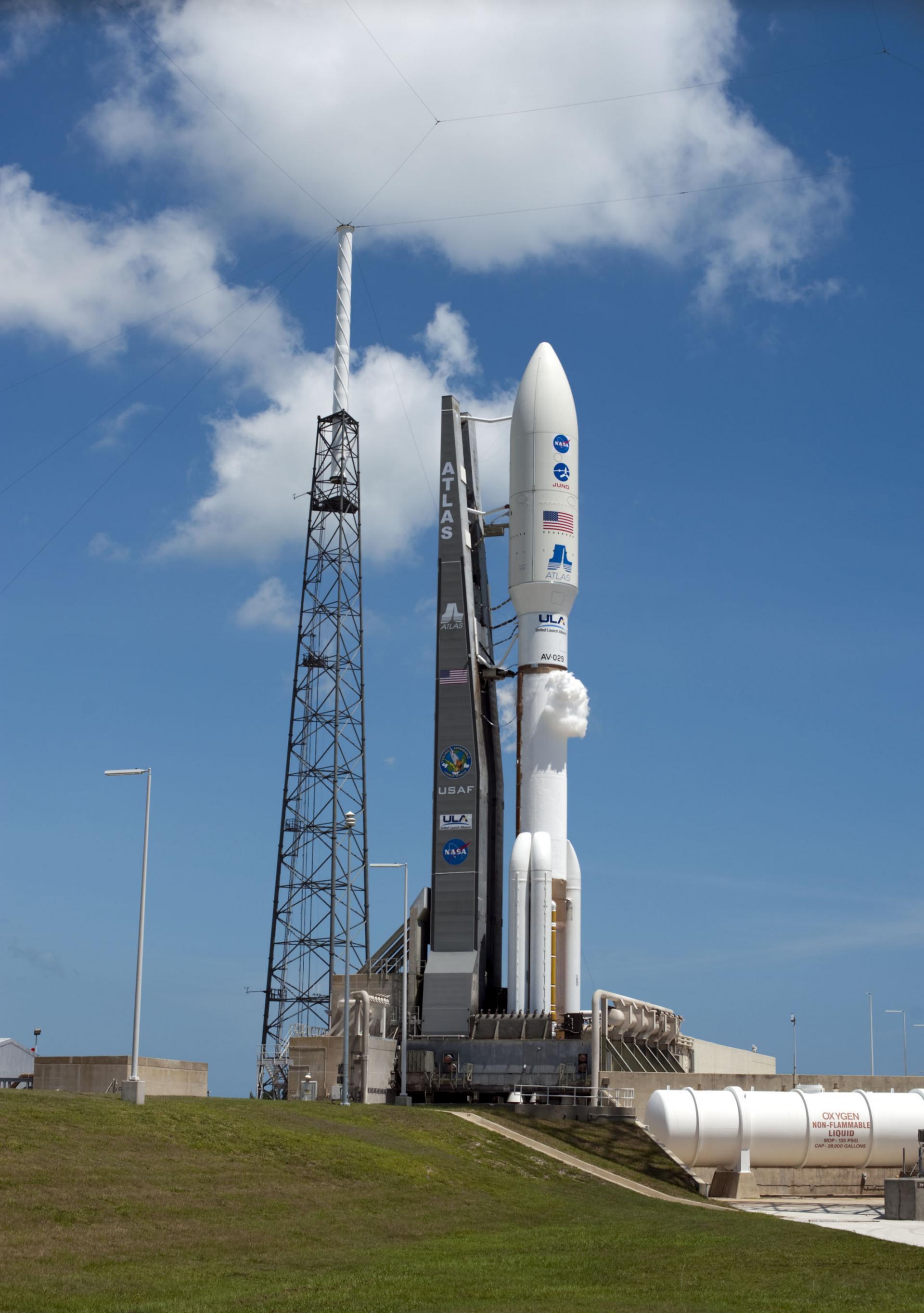
U.S. GSSAP satellites execute coordinated GEO maneuvers for continuous surveillance of Chinese Shijian-29 spacecraft. Handoff approach maintains coverage with zero gaps.