


NASA OIG Flags Starship Artemis Gaps as Falcon 9 Eyes 8-Launch Week | KeepTrack X Report
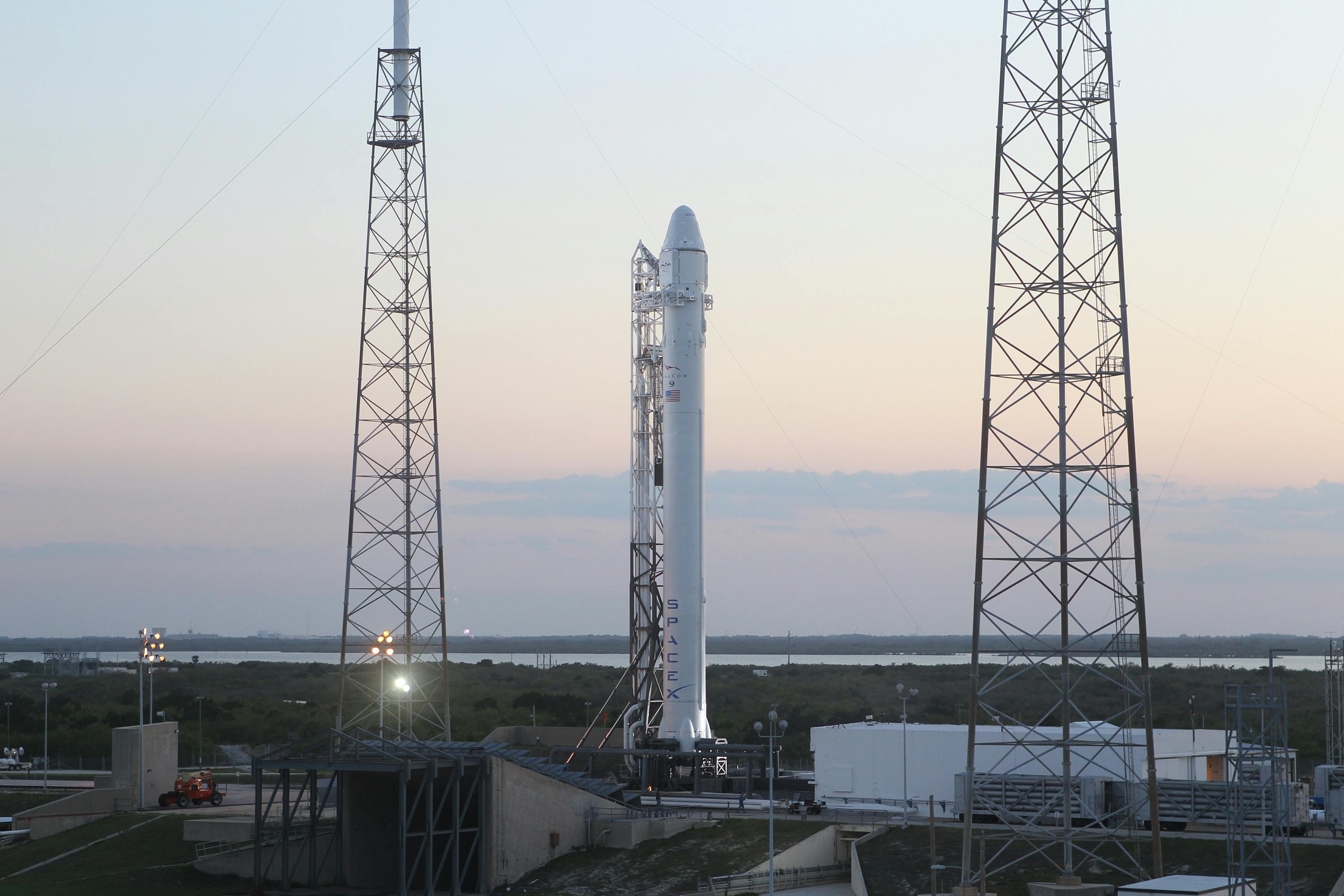
NASA's Inspector General warns of crew survival analysis gaps in Starship lunar lander program as Falcon 9 prepares to lead 8 global launches this week.


Launch Date
July 13, 2022
Launch Site
RLLB
Launch Pad
LC1A
Launch Vehicle
Electron
NORAD ID
53104
International Designator
2022-079C
Epoch
Sun, 19 Jul 2026 20:24:57 GMT
Apogee
Calculating...
Perigee
Calculating...
Inclination
40.01°
Right Ascension
37.19°
Eccentricity
Calculating...
Argument of Perigee
162.88°
Period
95.93 min
Mean Motion
15.01 rev/day
Latitude
Calculating...
Longitude
Calculating...
Altitude
Calculating...
Velocity
Calculating...
Name
ELECTRON KICK STAGE R/B
Alternative Name
Electron 28 Kick Stage
Type
Status
Owner
RLABN
Country
New Zealand
Constellation
N/A
Related Satellites
Major Events
N/A
1 53104U 22079C 26200.85066812 .00002465 00000+0 20027-3 0 9999
2 53104 40.0144 37.1852 0003644 162.8825 197.2092 15.01159259120284
Source: Celestrak
Length
0.4
Diameter
1.2
Span
1.2
Dry Mass
40
Launch Mass
40
Shape
Trunc cone
Radar Cross Section
Unknown
Visual Magnitude
Unknown
Color
Unknown
Material Composition
Unknown
Payload
Electron Kick Stage
Purpose
Unknown
Mission
Unknown
Manufacturer
RLABN
Life Expectancy
Unknown
Bus
Kick Stage
Configuration
Unknown
Motor
Curie
Equipment
Unknown
Power System
Unknown
ADCS
Unknown
Transmitter Frequency
Unknown
Learn more about satellites and other related topics.
NASA's Inspector General warns of crew survival analysis gaps in Starship lunar lander program as Falcon 9 prepares to lead 8 global launches this week.

SpaceX celebrates its 100th launch of the year with a Falcon 9 mission carrying Amazon's Project Kuiper satellites, while Crew-10 prepares for its return from the ISS and the company expands its interplanetary ambitions with new Mars partnerships.
SpaceX successfully launched its 300th Starlink mission, deploying 24 new satellites to further expand its internet service coverage worldwide.
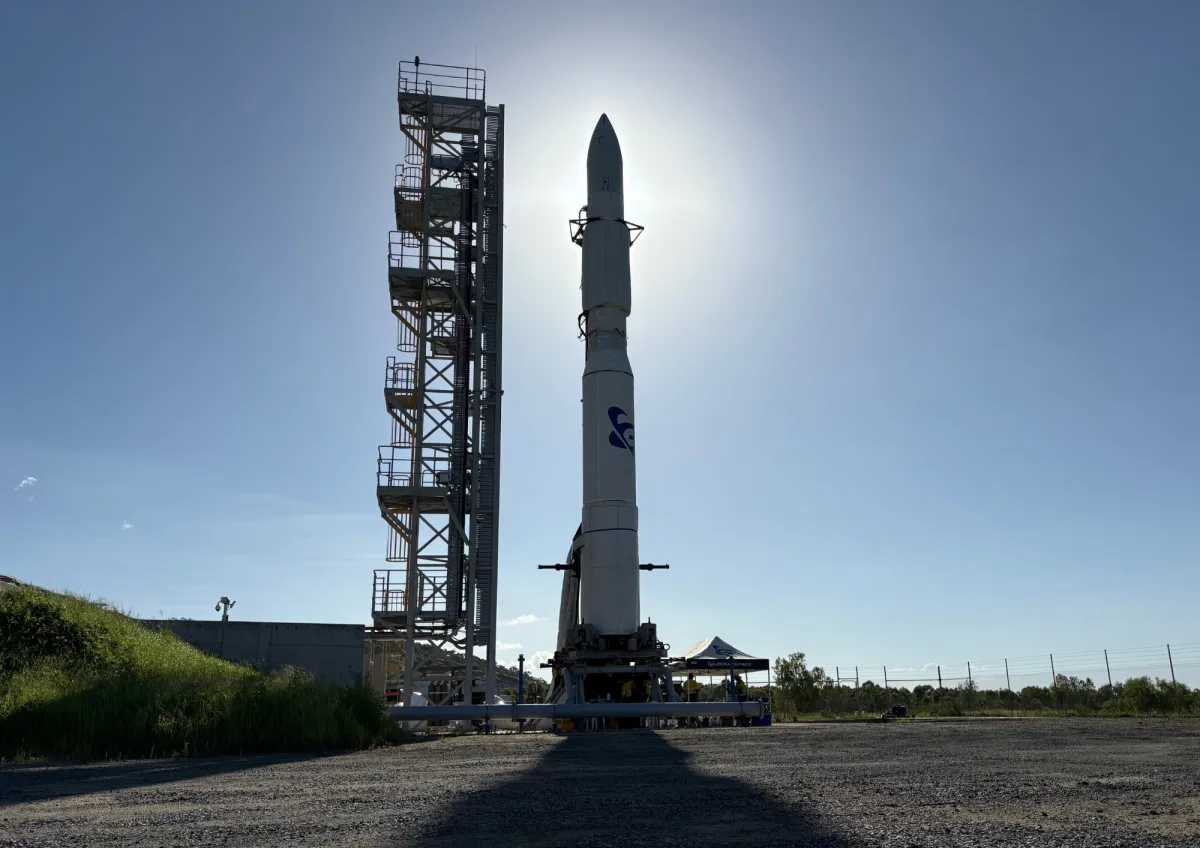
DARPA's accidental SpaceX detection highlights Earth as a natural sensor, while SpaceX's Fram2 launches into a polar orbit. Helsinki's defense budget rise hints at increased military satellite activity.

Today's Space Brief highlights the U.S. Air Force's $48 million investment in testing reentry capsules, a Pentagon-backed GPS alternative, and the Space Force's quest for funding autonomy.
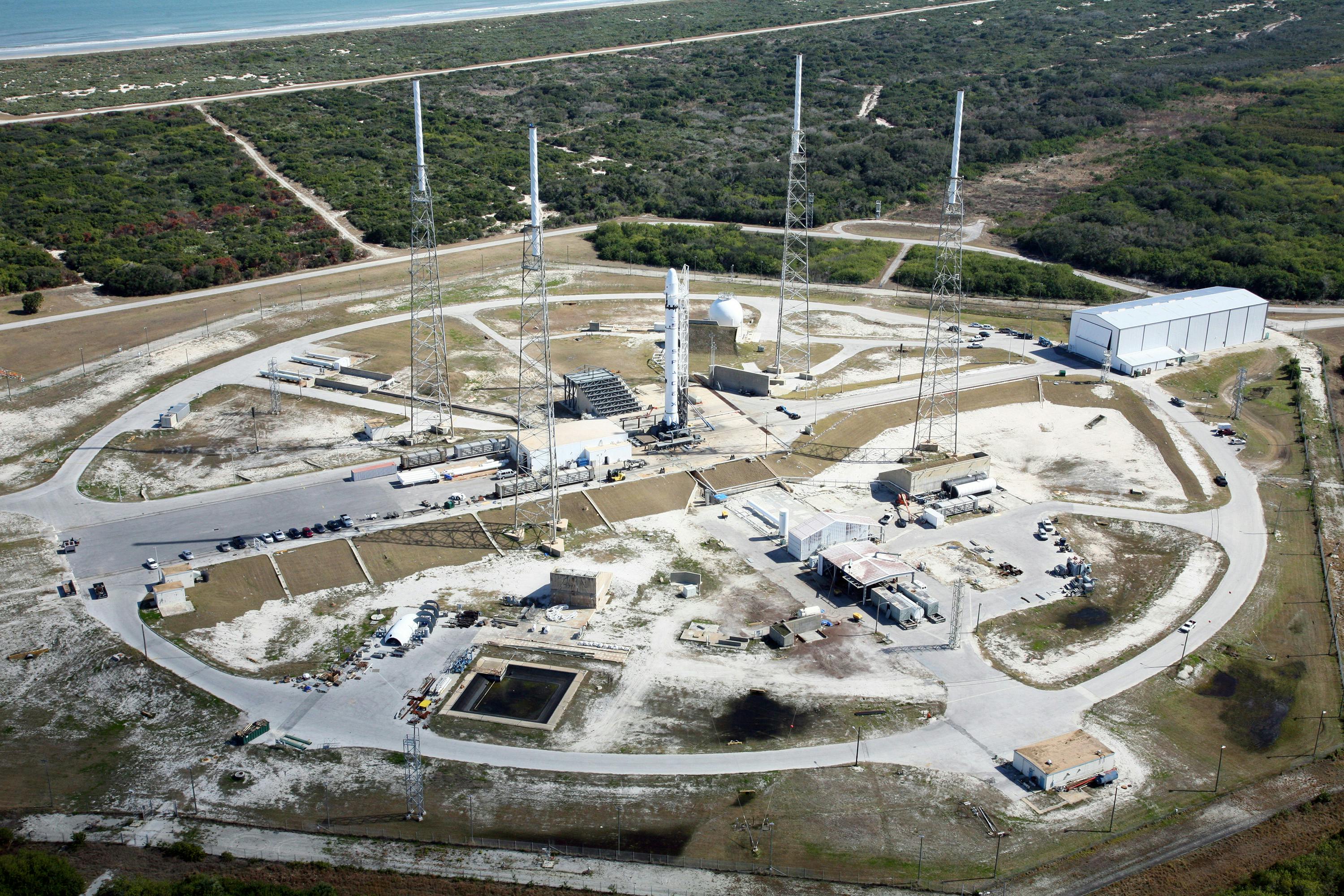
SpaceX successfully launched 29 new Starlink satellites today, further expanding its satellite internet constellation amidst growing competition in the space broadband market.
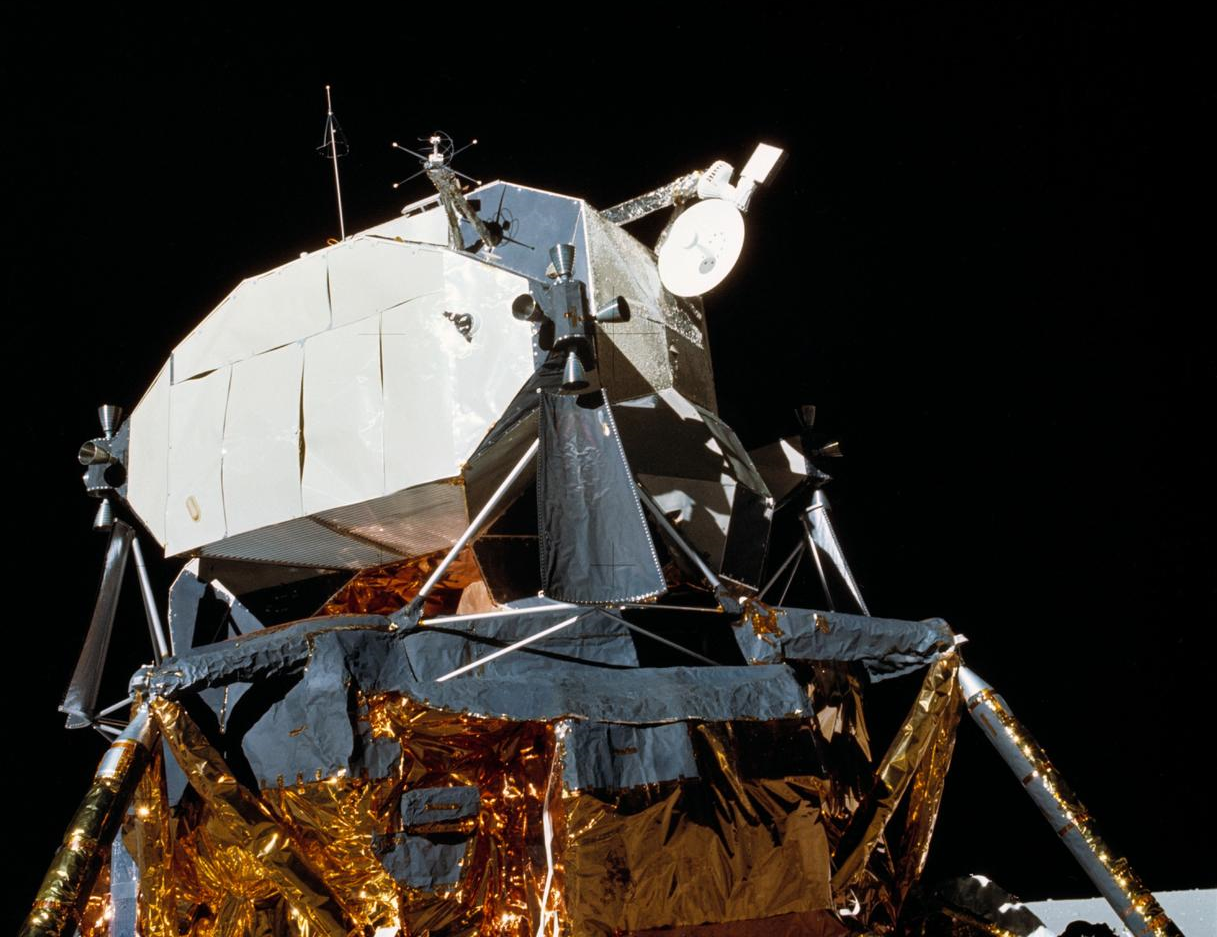
Six hours behind schedule, with a backup engine system shuddering in lunar orbit and mission controllers in Houston running out of options, Apollo 16 came within one meeting of being sent home without landing. The problem was a wobble in a gimbal. The solution was math done under pressure.

Today's highlights include Rocket Lab joining the US Space Force's national security launch program, SpaceX's upcoming Starlink deployment, China's successful EVA, and intriguing science aboard SpaceX's Fram2 mission.