


FAA Grounds Starship V3 After Flight 12, X Report 28 May 2026
FAA grounds SpaceX Starship V3 after the Flight 12 mishap, freezing the launch schedule. Plus a $2.29B Space Force contract and 10,397 working Starlinks.



Launch Date
September 16, 1982
Launch Site
PLMSC
Launch Pad
LC32/2
Launch Vehicle
Tsiklon-3
NORAD ID
52229
International Designator
1982-092BWM
Decay Date
5/8/2022
Name
COSMOS 1408 DEB
Alternative Name
deb Kosmos-1408
Type
Status
Owner
ROSK
Country
USSR
Constellation
N/A
Related Satellites
Major Events
N/A
Length
0
Diameter
0
Span
0
Dry Mass
0
Launch Mass
0
Shape
N/A
Radar Cross Section
Unknown
Visual Magnitude
Unknown
Color
Unknown
Material Composition
Unknown
Payload
Unknown
Purpose
Unknown
Mission
Unknown
Manufacturer
YUZHUA
Life Expectancy
Unknown
Bus
Unknown
Configuration
Unknown
Motor
Unknown
Equipment
Unknown
Power System
Unknown
ADCS
Unknown
Transmitter Frequency
Unknown
Learn more about satellites and other related topics.
FAA grounds SpaceX Starship V3 after the Flight 12 mishap, freezing the launch schedule. Plus a $2.29B Space Force contract and 10,397 working Starlinks.

NRO expands commercial imaging with HEO, SatVu, and Sierra Nevada. ChatGPT rolls out to 3 million military users via GenAI.mil. C-130J deliveries paused.

Thirty-nine years ago, the loss of Space Shuttle Challenger and its seven crew members forever transformed our approach to spaceflight safety and risk management
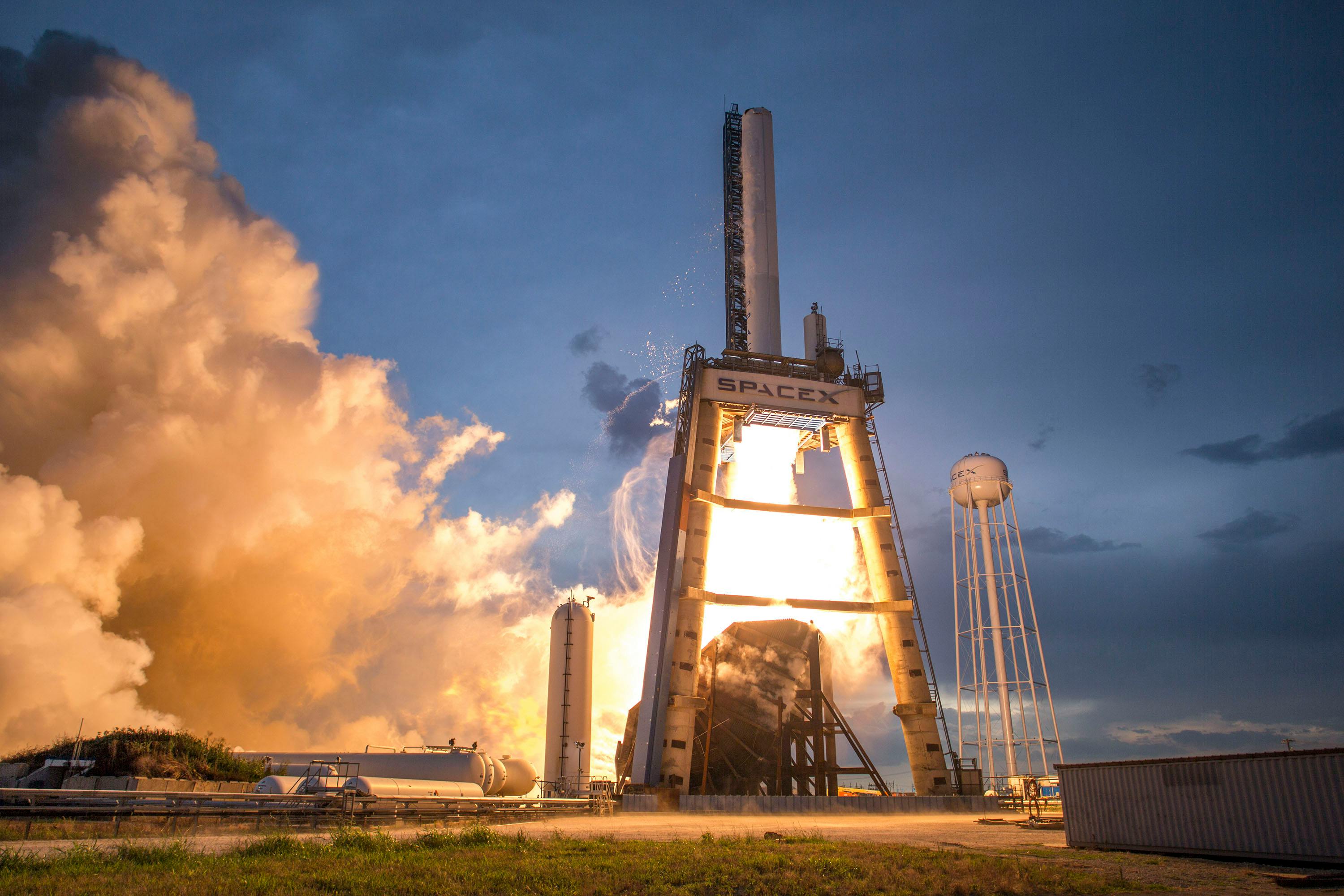
Today's brief covers various military applications of climate-monitoring satellites, new defense strategies against unmanned threats, and the potential impacts of geopolitical tensions on orbit.
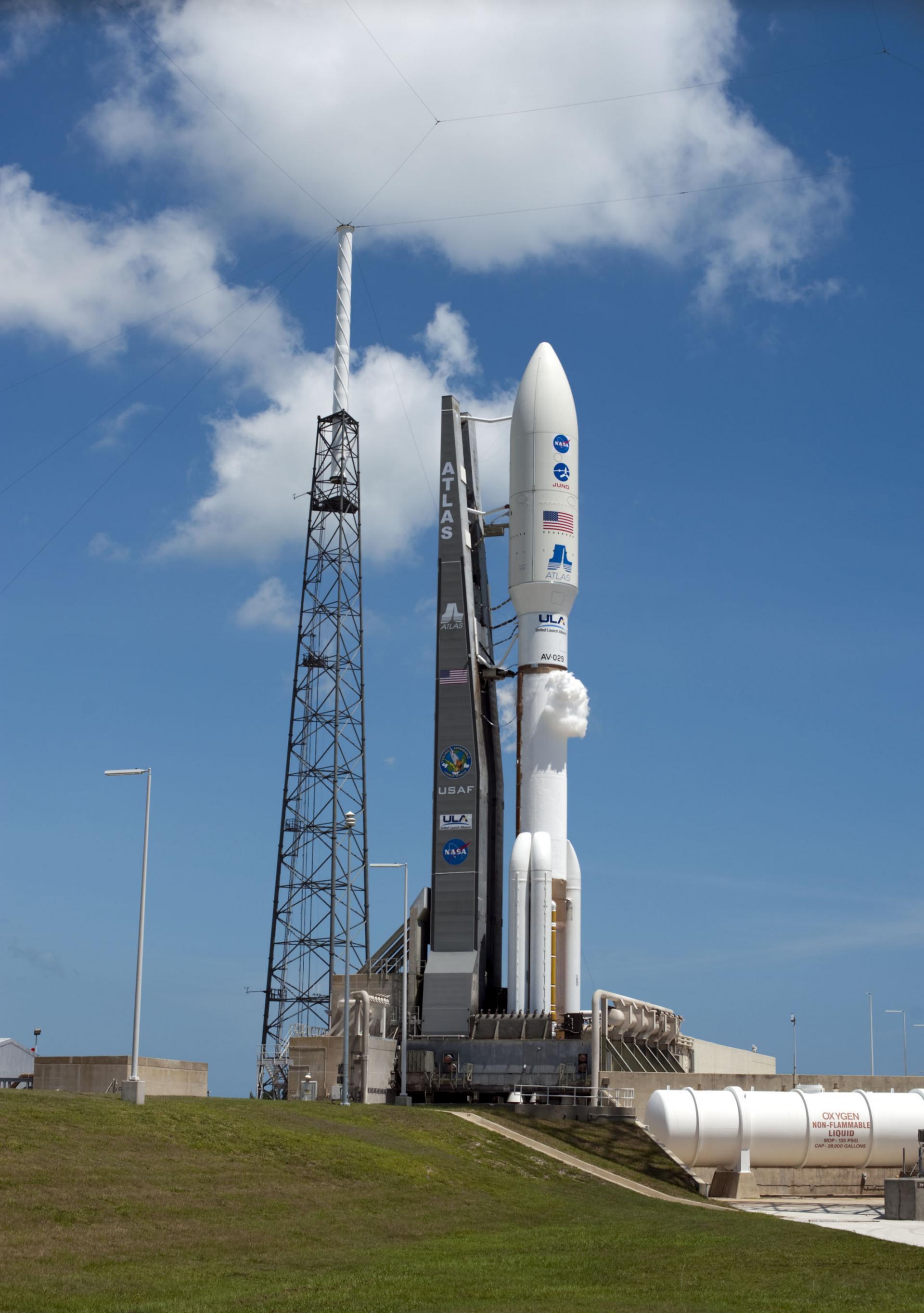
Shenzhou-23 docked with Tiangong May 24 with 3 astronauts, including Hong Kong's first crew member. One will stay ~1 year in orbit.

What happens when space objects come home: the fiery physics of returning from orbit and why predicting where debris lands is so difficult

SpaceX Starlink launch cadence 2026: missions 26 and 27 lift off 37 minutes apart on March 13, with 25 and 29 satellites per Falcon 9, 54 in one morning.
NASA's SLS and Orion spacecraft rolled back to Launch Complex 39B, targeting April 1 for first crewed lunar flyby with four astronauts aboard.