COSMOS 1408 DEB (52046)

COSPAR: 1982-092BTY | Alt Name: deb Kosmos-1408
DECAYED

Image
COSMOS 1408 DEB Satellite Image
Additional Sources
Launch Details

Launch Date

September 16, 1982

Launch Site

PLMSC

Launch Pad

LC32/2

Launch Vehicle

Tsiklon-3

Orbital Elements

NORAD ID

52046

International Designator

1982-092BTY

Decay Date

4/15/2022

Explore in the Catalog
Basic Satellite Info

Name

COSMOS 1408 DEB

Alternative Name

deb Kosmos-1408

Type

Debris

Status

Space Junk

Owner

ROSK

Country

USSR

Constellation

N/A

Related Satellites

Major Events

N/A

Summary
Space debris, also known as space junk, encompasses all non-functional objects orbiting Earth such as defunct satellites, spent rocket stages, and fragments from collisions or disintegrations. Over time, this debris can accumulate and create an increasingly hazardous environment in orbit. Even tiny fragments, traveling at extremely high velocities, can inflict significant damage on operational satellites and spacecraft. If left unmanaged, the density of debris raises the risk of catastrophic collisions and further fragmentation, compounding the problem and threatening the safety and sustainability of space activities.
Physical Characteristics

Length

0

Diameter

0

Span

0

Dry Mass

0

Launch Mass

0

Shape

N/A

Radar Cross Section

Unknown

Visual Magnitude

Unknown

Color

Unknown

Material Composition

Unknown

Technical Details

Payload

Unknown

Purpose

Unknown

Mission

Unknown

Manufacturer

YUZHUA

Life Expectancy

Unknown

Bus

Unknown

Configuration

Unknown

Motor

Unknown

Equipment

Unknown

Power System

Unknown

ADCS

Unknown

Transmitter Frequency

Unknown

Satellite Articles

View All Posts »

Learn more about satellites and other related topics.

A Celebration of Earth Day | Photos of Home

A Celebration of Earth Day | Photos of Home

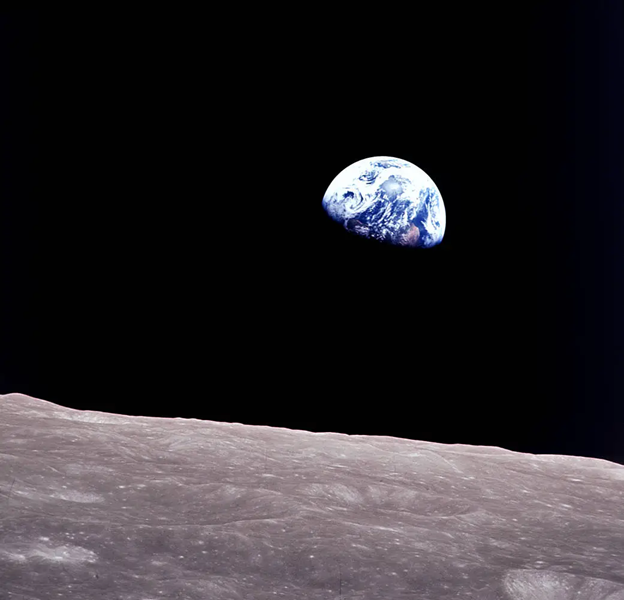
For 56 years, April 22 has been the day the world stops to look at itself. Before that was possible, someone had to invent the view. This is the story of how we first saw Earth from the outside, from a crashed V-2 camera in the New Mexico desert to the Blue Marble that still hangs on classroom walls.

The Korean Optical Wide-field patroL-Network (OWL-Net)

The Korean Optical Wide-field patroL-Network (OWL-Net)

South Korea's sophisticated network of robotic telescopes provides critical space situational awareness while strengthening the nation's position in space security amid regional tensions

X Report 9 Dec 2024

X Report 9 Dec 2024

SpaceX's latest Starlink satellite launch boosts their constellation and Starship development progresses steadily.

Starship Flight 12 Targets Mid-May Launch, X Report 2 May 2026

Starship Flight 12 Targets Mid-May Launch, X Report 2 May 2026

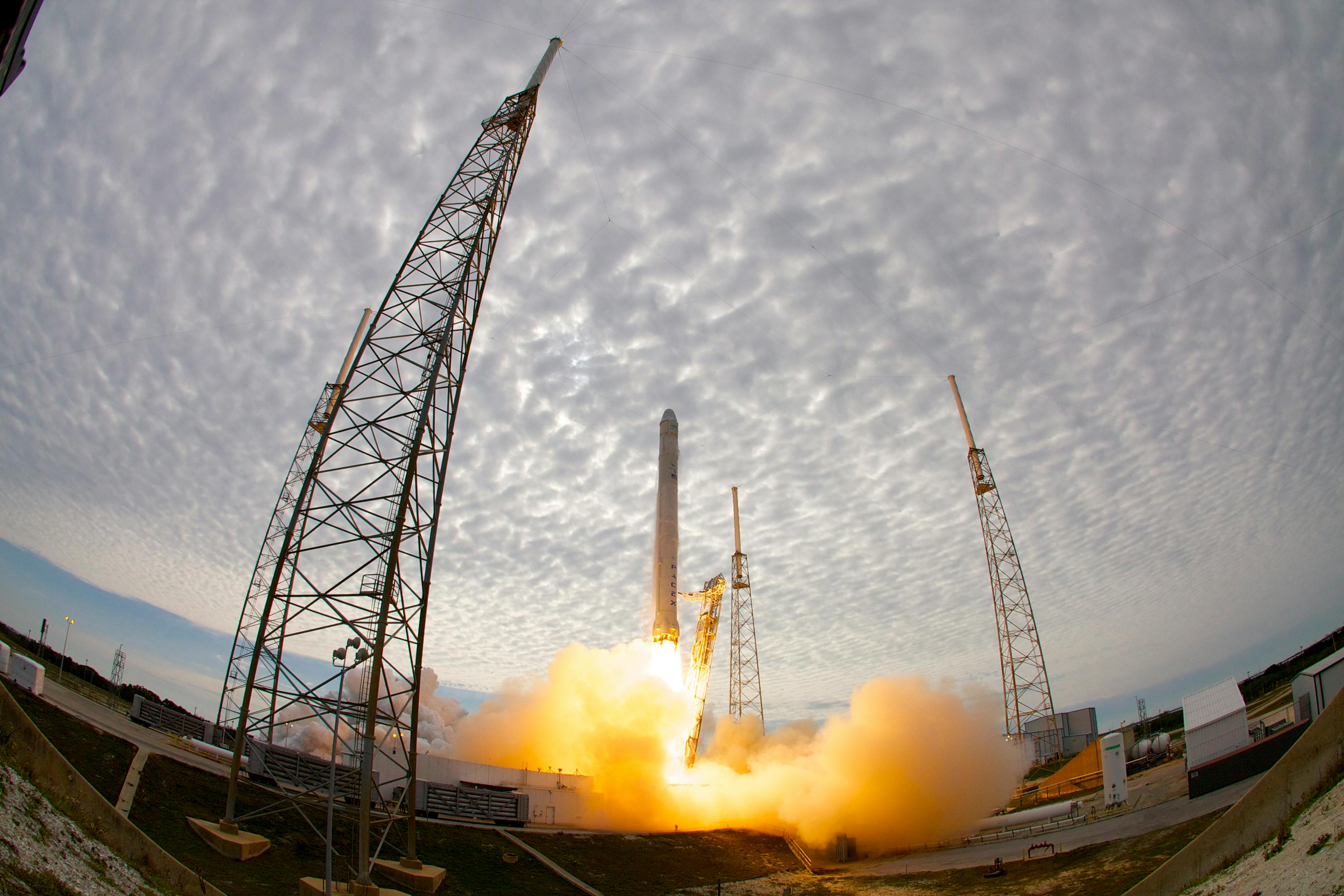
Starship Flight 12 status for May 2026: SpaceX targets mid-May with a revised trajectory, while Starlink 10-38 lofts 29 satellites from Cape Canaveral.

The Day Two Satellites Said Hello at 26,000 Miles Per Hour

The Day Two Satellites Said Hello at 26,000 Miles Per Hour

Seventeen years ago today, an operational American communications satellite and a dead Russian military relay crossed paths over Siberia. What happened next created more than 2,000 pieces of trackable debris - and fundamentally changed how the world thinks about space traffic.

The Day We Banned the Word "Film"

The Day We Banned the Word "Film"

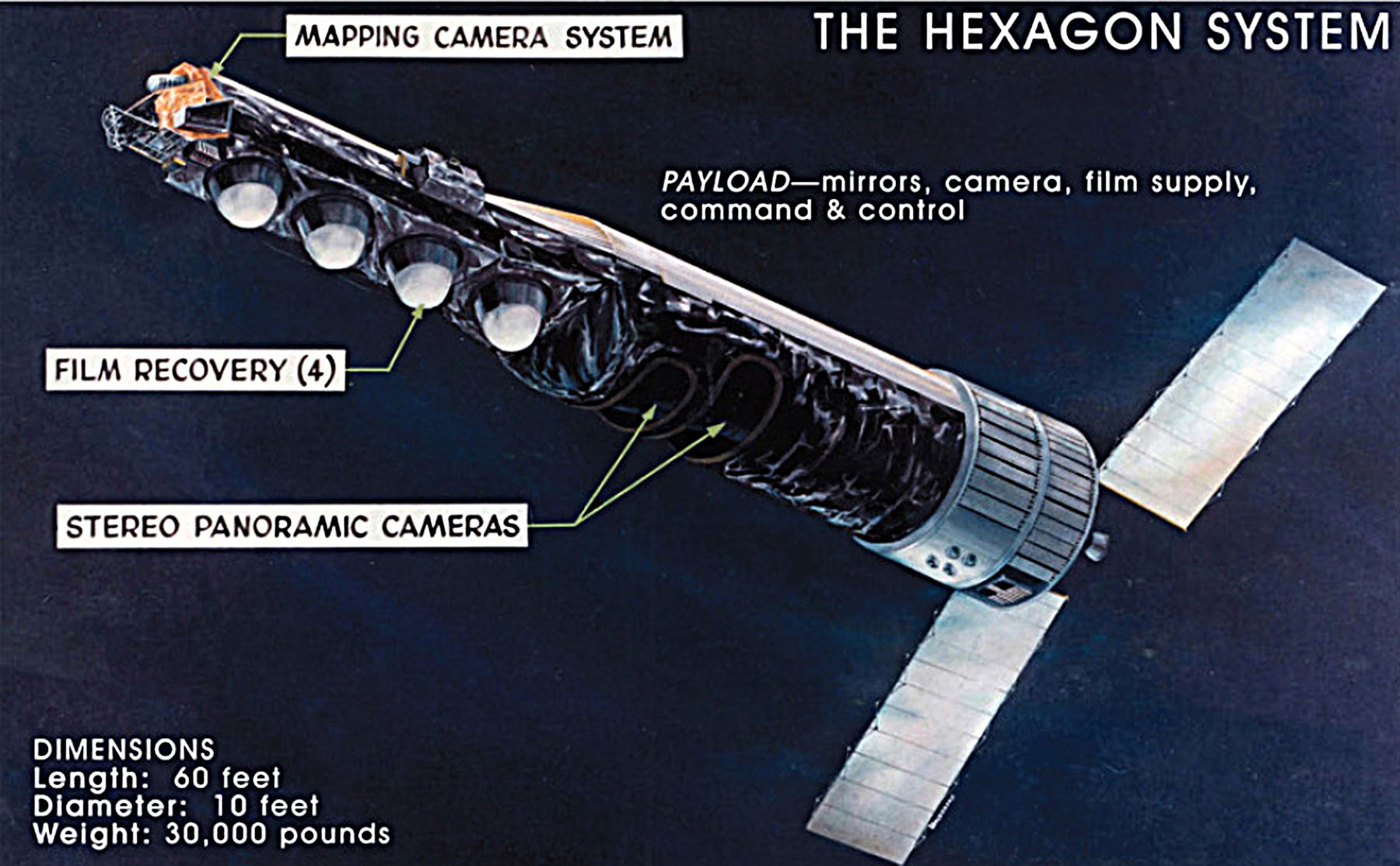
On January 20, 1972, the second KH-9 HEXAGON lifted off from Vandenberg - carrying the most sophisticated reconnaissance system ever built by engineers who weren't allowed to say 'film,' 'camera,' or even talk to each other about what they were doing.

Crew-11 Completes First-Ever ISS Medical Evacuation, SpaceX Sets Pad Record | KeepTrack X Report

Crew-11 Completes First-Ever ISS Medical Evacuation, SpaceX Sets Pad Record | KeepTrack X Report

Crew-11 astronauts splashdown off California in first-ever ISS medical evacuation. SpaceX sets pad turnaround record at Cape Canaveral with Starlink 6-98 deploying 29 satellites.

STS-30 | When Atlantis Sent a Radar to Venus

STS-30 | When Atlantis Sent a Radar to Venus

On May 4, 1989, Space Shuttle Atlantis lifted off from LC-39B carrying Magellan, NASA's first interplanetary mission since 1978. The eleven-year drought ended in a payload bay, and the radar that emerged would map ninety-eight percent of Venus through clouds that no camera could ever see through.