SPACEBEENZ-12 (52028)

COSPAR: 2022-026W | Alt Name: SpaceBEE NZ-12
DECAYED

Image
SPACEBEENZ-12 Satellite Image
Additional Sources
Launch Details

Launch Date

March 15, 2022

Launch Site

KODAK

Launch Pad

LP3B

Launch Vehicle

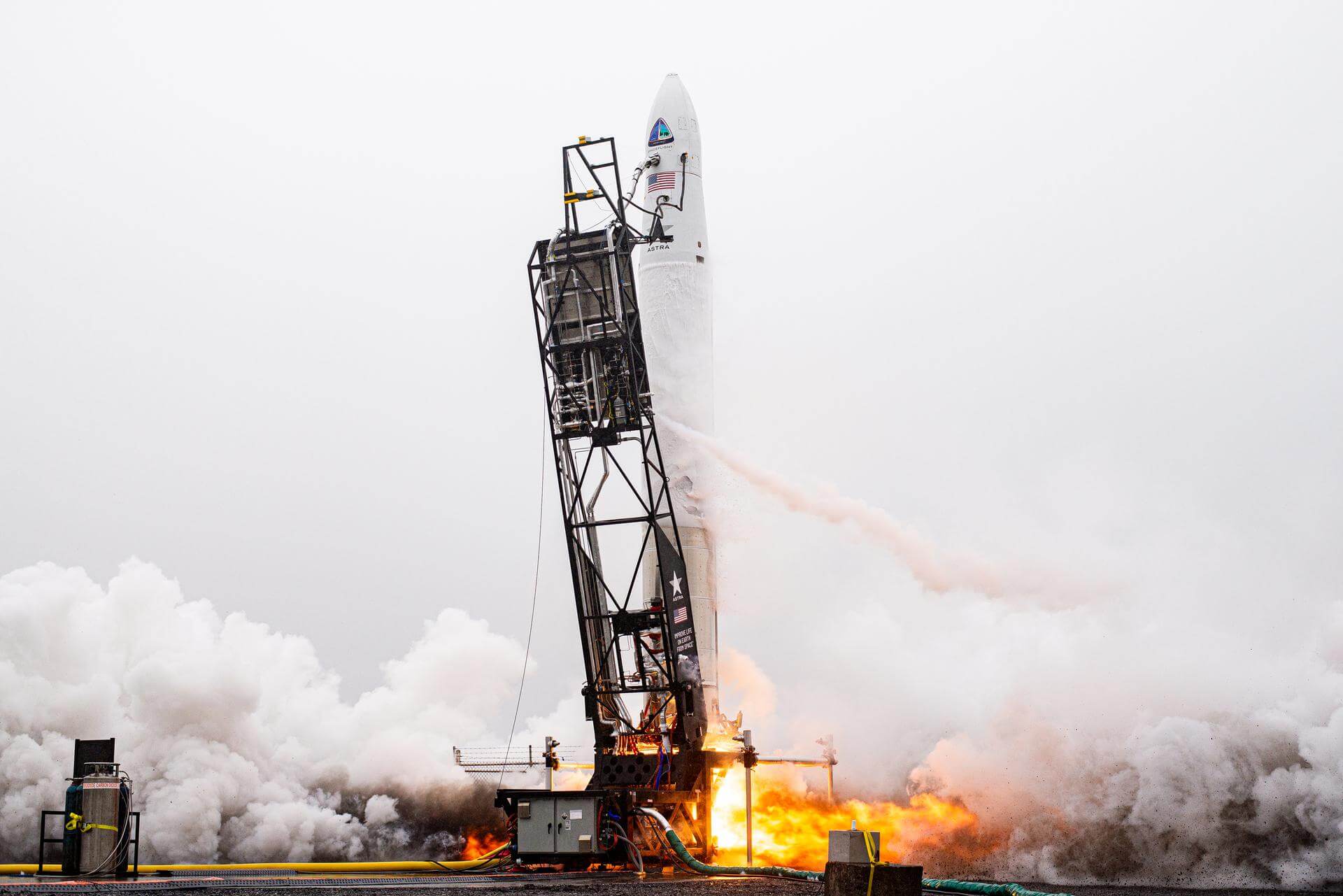
Astra Rocket 3.3

Orbital Elements

NORAD ID

52028

International Designator

2022-026W

Decay Date

12/13/2023

Basic Satellite Info

Name

SPACEBEENZ-12

Alternative Name

SpaceBEE NZ-12

Type

Payload

Status

Decayed

Owner

SWARNZ

Country

New Zealand

Constellation

N/A

Related Satellites

Major Events

N/A

Summary
SPACEBEENZ-12 (also known as SpaceBEE NZ-12) is a CubeSat (0.25U) communication satellite launched by SWARMX for the purpose of Machine-to-Machine/IoT communications. It was deployed from New Zealand on March 15, 2022, using an Astra Rocket 3.3 launch vehicle at LP3B launch pad from KODAK site. The spacecraft measures 0.025 meters in length with a diameter of 0.1 meter and has a span of 0.9 meters. It weighs 0.284 kilograms both dry and at launch. Power is provided by solar cells and batteries, and it features an antenna for communication purposes. The satellite's shape is described as "Box+2 ant," indicating its structure includes two antennas attached to the main body.
Physical Characteristics

Length

0.025

Diameter

0.1

Span

0.9

Dry Mass

0.284

Launch Mass

0.284

Shape

Box+2 ant

Radar Cross Section

Unknown

Visual Magnitude

Unknown

Color

Unknown

Material Composition

Unknown

Technical Details

Payload

SpaceBEE NZ-12

Purpose

Communication M2M/IoT

Mission

Communication M2M/IoT

Manufacturer

SWARMX

Life Expectancy

Unknown

Bus

Cubesat 0.25U

Configuration

CubeSat (0.25U)

Motor

None

Equipment

Unknown

Power System

Solar cells, batteries

ADCS

Unknown

Transmitter Frequency

Unknown

Satellite Articles

View All Posts »

Learn more about satellites and other related topics.

Space Force Unveils New Alaska Radar, SDA Awards $3.5B for 72 Tracking Satellites | KeepTrack Space Brief

Space Force Unveils New Alaska Radar, SDA Awards $3.5B for 72 Tracking Satellites | KeepTrack Space Brief

Space Force deploys new radar in Alaska for orbital tracking. SDA awards $3.5B for 72 missile defense satellites. Anysignal raises $24M for autonomous RF sensing technology.

Falcon 9 Booster B1067 Flies Record 35th Time | KeepTrack X Report

Falcon 9 Booster B1067 Flies Record 35th Time | KeepTrack X Report

Booster B1067 set a Falcon 9 reuse record on its 35th flight, lofting 29 Starlink satellites as SpaceX eyes three more launches this week.

SpaceX Plans Three Launches This Week Including ISRO Rideshare | KeepTrack X Report

SpaceX Plans Three Launches This Week Including ISRO Rideshare | KeepTrack X Report

SpaceX targets three launches this week including a rideshare mission with India's ISRO into Sun-Synchronous Orbit. Starlink network continues expanding with ongoing satellite deployments.

X Report 15 Nov 2024

X Report 15 Nov 2024

SpaceX preps for its sixth Starship test flight, moving the Super Heavy rocket to the pad. China's unveils a Starship-like reusable rocket concept, while Starlink expands with 24 new satellites launched.

SpaceX Wins $178.5M Space Force Contract, X Report 3 Apr 2026

SpaceX Wins $178.5M Space Force Contract, X Report 3 Apr 2026

SpaceX secured a $178.5M Space Force contract to launch missile-tracking satellites from 2027, backing the Missile Track Custody threat-tracking layer.

Space Brief 17 Jun 2025

Space Brief 17 Jun 2025

Today's space brief covers key developments in satellite monitoring, U.K. defense contracts, and critical licensing reforms supporting national security.

Space Brief 8 Oct 2025

Space Brief 8 Oct 2025

Today's brief covers key developments in satellite launches, missile defense strategies, advanced IoT satellite connectivity, and the projected growth of the satellite market driven by defense needs.

Space Brief 9 Mar 2025

Space Brief 9 Mar 2025

Today's highlights include delayed satellite launches, SpaceX's Florida Starship expansion, a historic mission by Europe's Ariane 6, and NASA's twin missions to explore the ends of the Earth and the universe.