


X Report 31 Dec 2025
Vandenberg Space Force Base opens a new launch site that may accommodate SpaceX's Starship. Meanwhile, Starlink continues to expand its service capabilities.


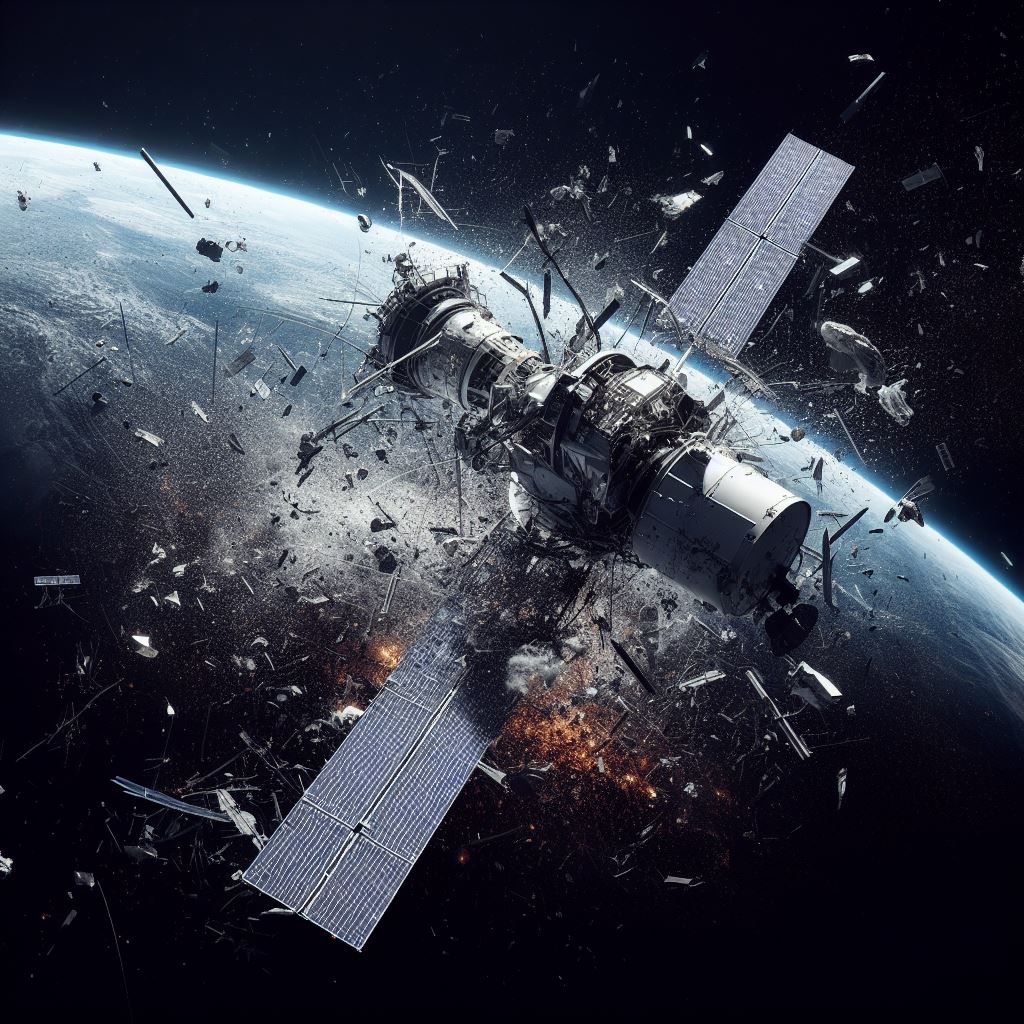
Launch Date
September 16, 1982
Launch Site
PLMSC
Launch Pad
LC32/2
Launch Vehicle
Tsiklon-3
NORAD ID
51933
International Designator
1982-092BTK
Decay Date
2/28/2022
Name
COSMOS 1408 DEB
Alternative Name
deb Kosmos-1408
Type
Status
Owner
ROSK
Country
USSR
Constellation
N/A
Related Satellites
Major Events
N/A
Length
0
Diameter
0
Span
0
Dry Mass
0
Launch Mass
0
Shape
N/A
Radar Cross Section
Unknown
Visual Magnitude
Unknown
Color
Unknown
Material Composition
Unknown
Payload
Unknown
Purpose
Unknown
Mission
Unknown
Manufacturer
YUZHUA
Life Expectancy
Unknown
Bus
Unknown
Configuration
Unknown
Motor
Unknown
Equipment
Unknown
Power System
Unknown
ADCS
Unknown
Transmitter Frequency
Unknown
Learn more about satellites and other related topics.
Vandenberg Space Force Base opens a new launch site that may accommodate SpaceX's Starship. Meanwhile, Starlink continues to expand its service capabilities.
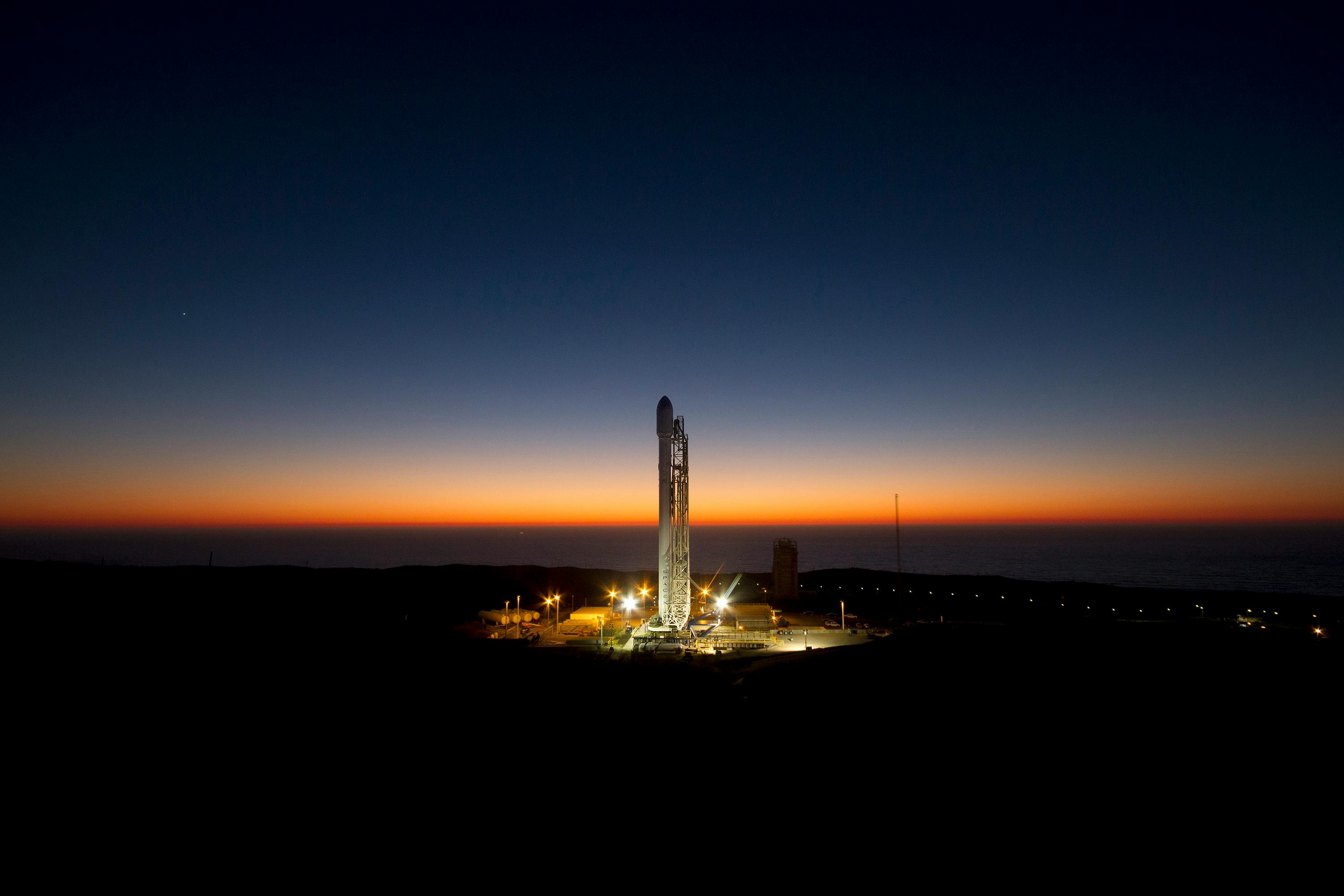
SpaceX successfully launches 21 Starlink satellites, marking their return post-Starship explosion. Starship's recent test flight leaves debris washing ashore, while Blue Origin's New Glenn debut sparks discussion.

SpaceX's Falcon 9 achieves a milestone with its 24th launch for Starlink, while competitive moves continue in the satellite internet market.

Space & Cyber Command disrupted Iran ops as US munition stockpiles drop. Space Force shifts to commercial ground stations & faces acquisition workforce gaps.
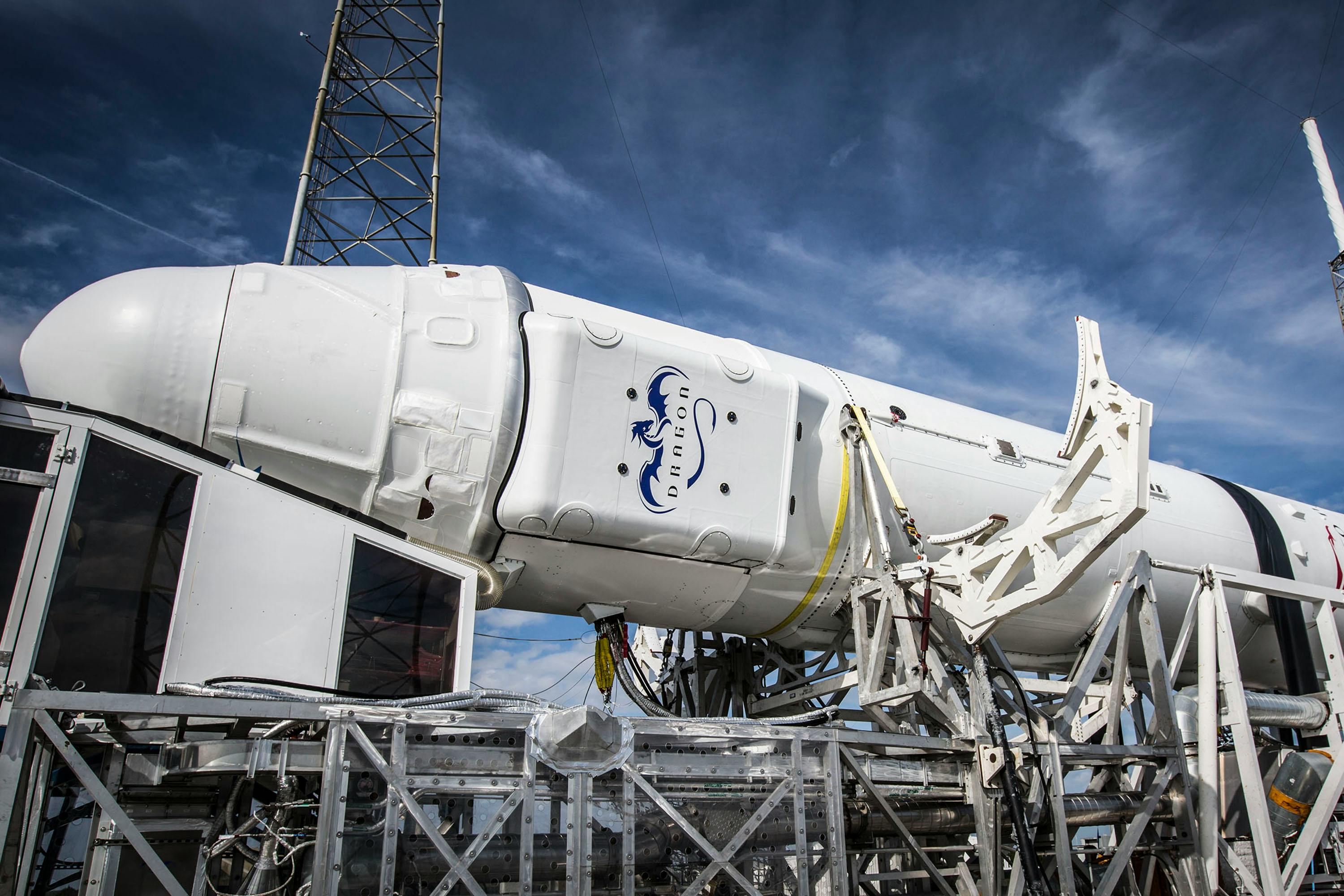
FAA documents expose SpaceX's Starfall reentry vehicle program, targeting in-space manufacturing support as the Starlink constellation holds 10,397 working satellites.

SpaceX secures major contracts for U.S. national security launches, including multiple Falcon Heavy missions. Significant updates on Starlink deployments and the ongoing evolution of the company highlight a productive day in the space sector.
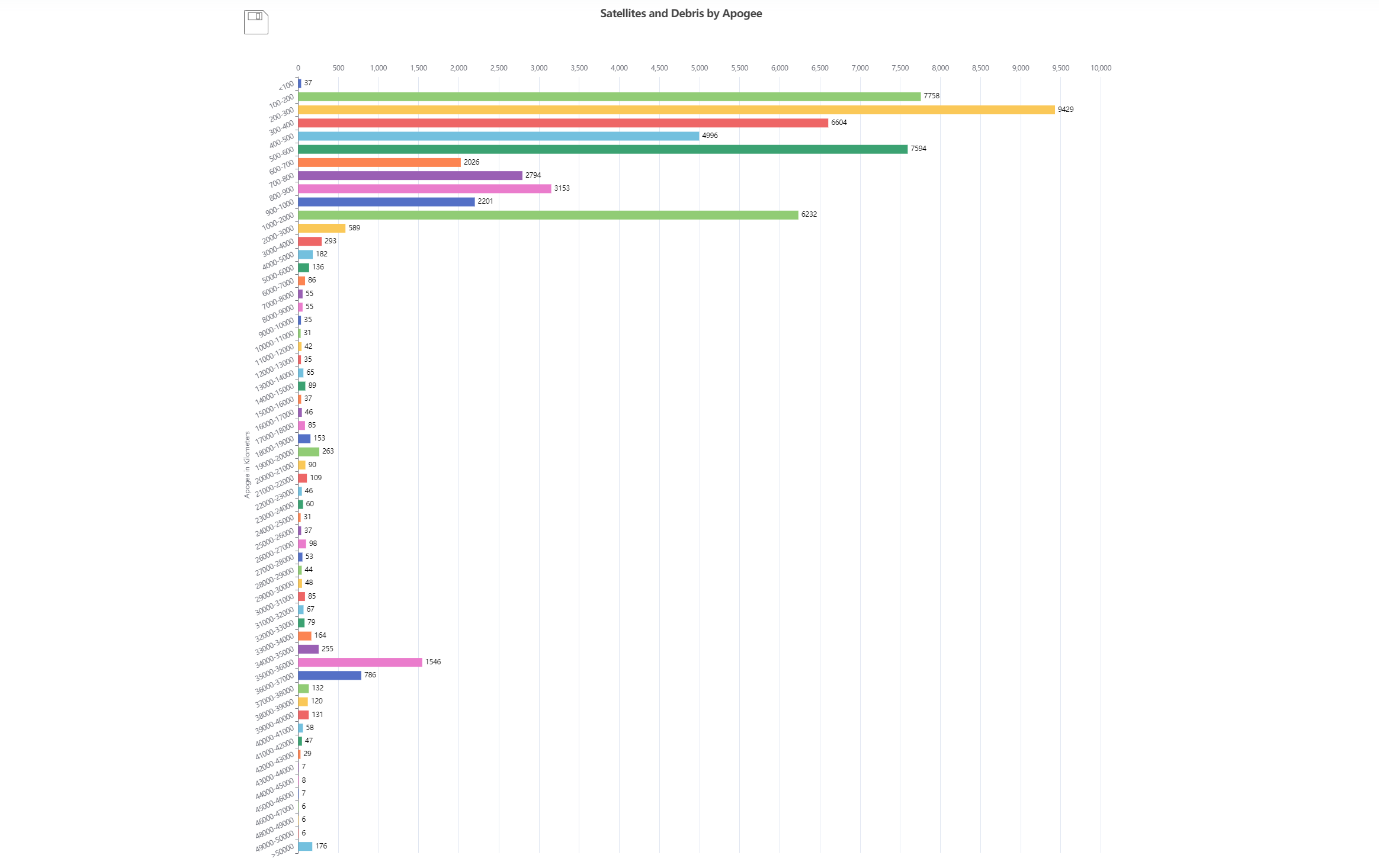
A user suggestion led to the addition of new visualizations for satellites, debris, and unidentified objects across different orbits in KeepTrack.

On May 4, 1989, Space Shuttle Atlantis lifted off from LC-39B carrying Magellan, NASA's first interplanetary mission since 1978. The eleven-year drought ended in a payload bay, and the radar that emerged would map ninety-eight percent of Venus through clouds that no camera could ever see through.