


Space Brief 4 Sep 2025
Today's briefing covers a surprise launch by Israel, a milestone missile contract for Lockheed Martin, and updates on Indian missile defense strategies.


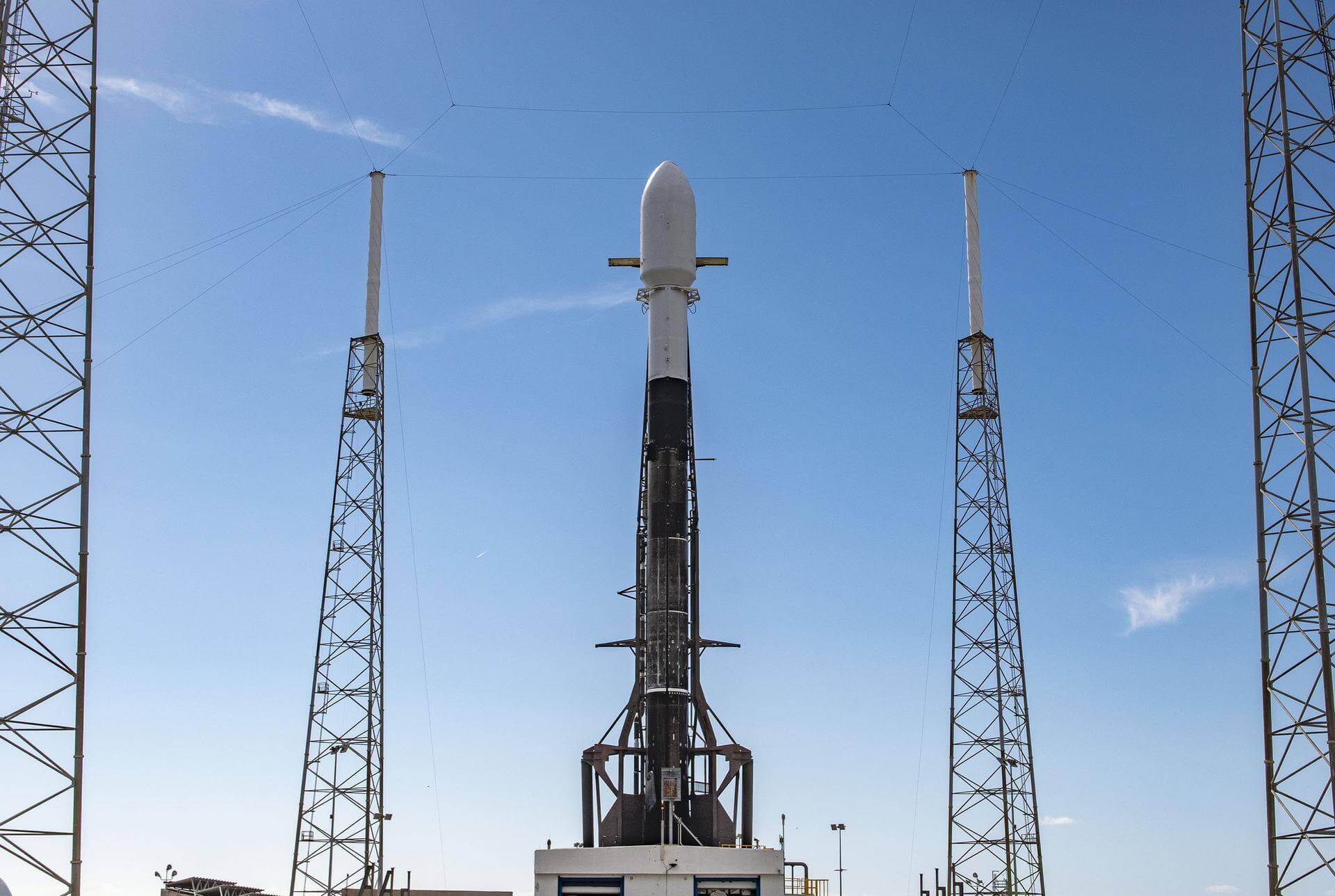
Launch Date
January 13, 2022
Launch Site
Launch Pad
LC40
Launch Vehicle
NORAD ID
51062
International Designator
2022-002CG
Decay Date
8/3/2024
Name
TEVEL-7
Alternative Name
Tevel-7
Type
Status
Owner
HSCIL
Country
Israel
Constellation
N/A
Related Satellites
Major Events
N/A
Length
0.1
Diameter
0.1
Span
0.1
Dry Mass
1
Launch Mass
1
Shape
Box
Radar Cross Section
Unknown
Visual Magnitude
Unknown
Color
Unknown
Material Composition
Unknown
Payload
Tevel-7
Purpose
Science, magnetosphere
Mission
Science, magnetosphere
Manufacturer
HSCIL
Life Expectancy
Unknown
Bus
Cubesat 1U
Configuration
CubeSat (1U)
Motor
None
Equipment
?
Power System
Solar cells, batteries
ADCS
Unknown
Transmitter Frequency
Unknown
Learn more about satellites and other related topics.
Today's briefing covers a surprise launch by Israel, a milestone missile contract for Lockheed Martin, and updates on Indian missile defense strategies.

Today's highlights include ExoMars' successful parachute test, developments in military satellite systems, and leadership changes at NASA Goddard.
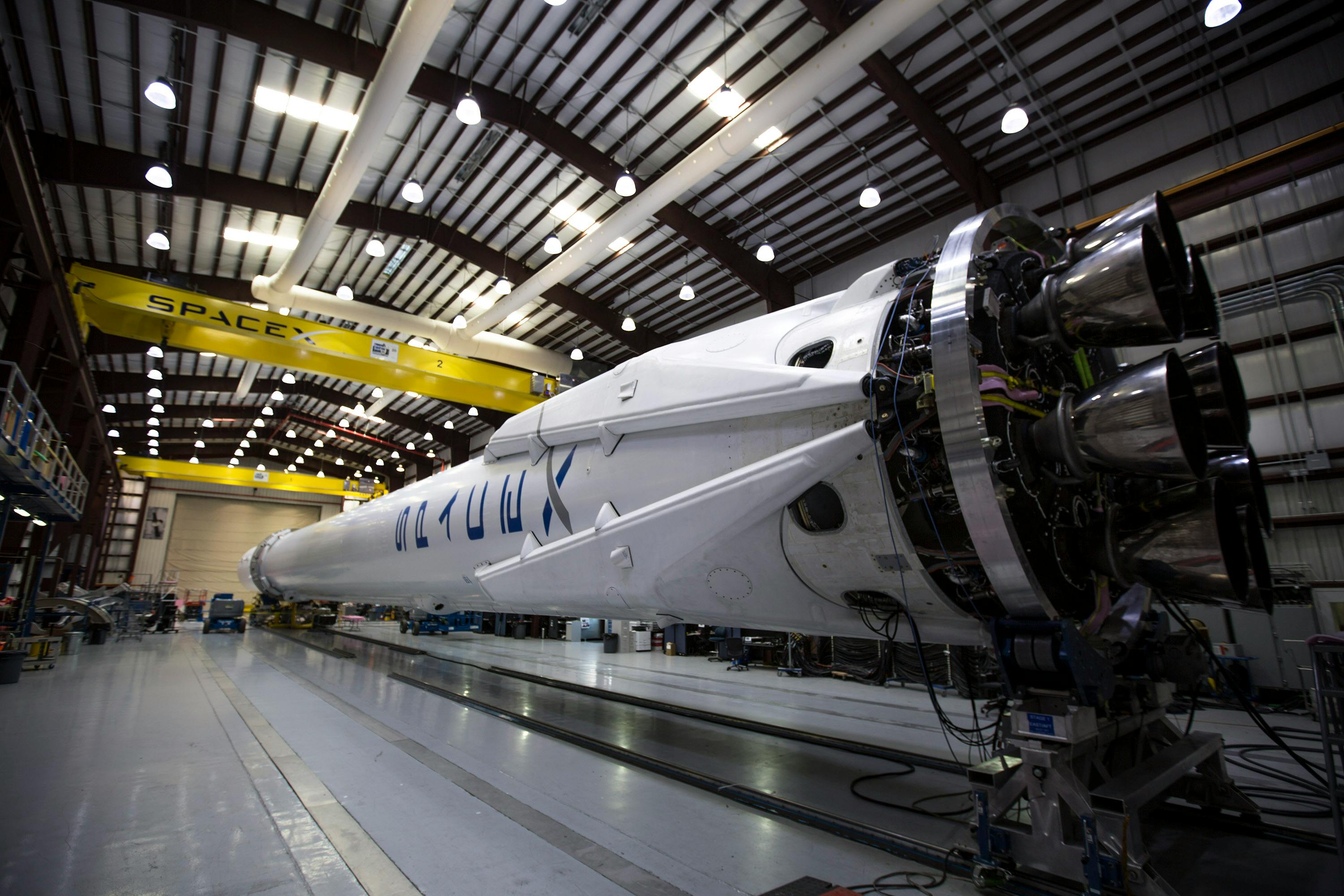
SpaceX continues to innovate as it nears peak Falcon 9 launch rates while refining technologies pivotal for future Mars missions.

Today's highlights include Rocket Lab's progress on the Space Force's VICTUS HAZE mission, BlackSky's new government contract, and AEI's policy recommendations for Space Force restructuring.

Today's Space Brief covers pivotal updates in military space capabilities, defense acquisitions, the UK's nuclear enhancements, and Boeing's financial challenges.

Space Force projects 25 additional high-energy missions in 2027–2029 window, straining capacity at Vulcan and Falcon Heavy. Capacity constraints will drive military-NASA prioritization debates.
Today’s Space Brief covers significant developments such as SpaceX’s latest Starlink launch, the US Space Force testing modular satellite technology, and key long-range missile tests by the Pentagon.
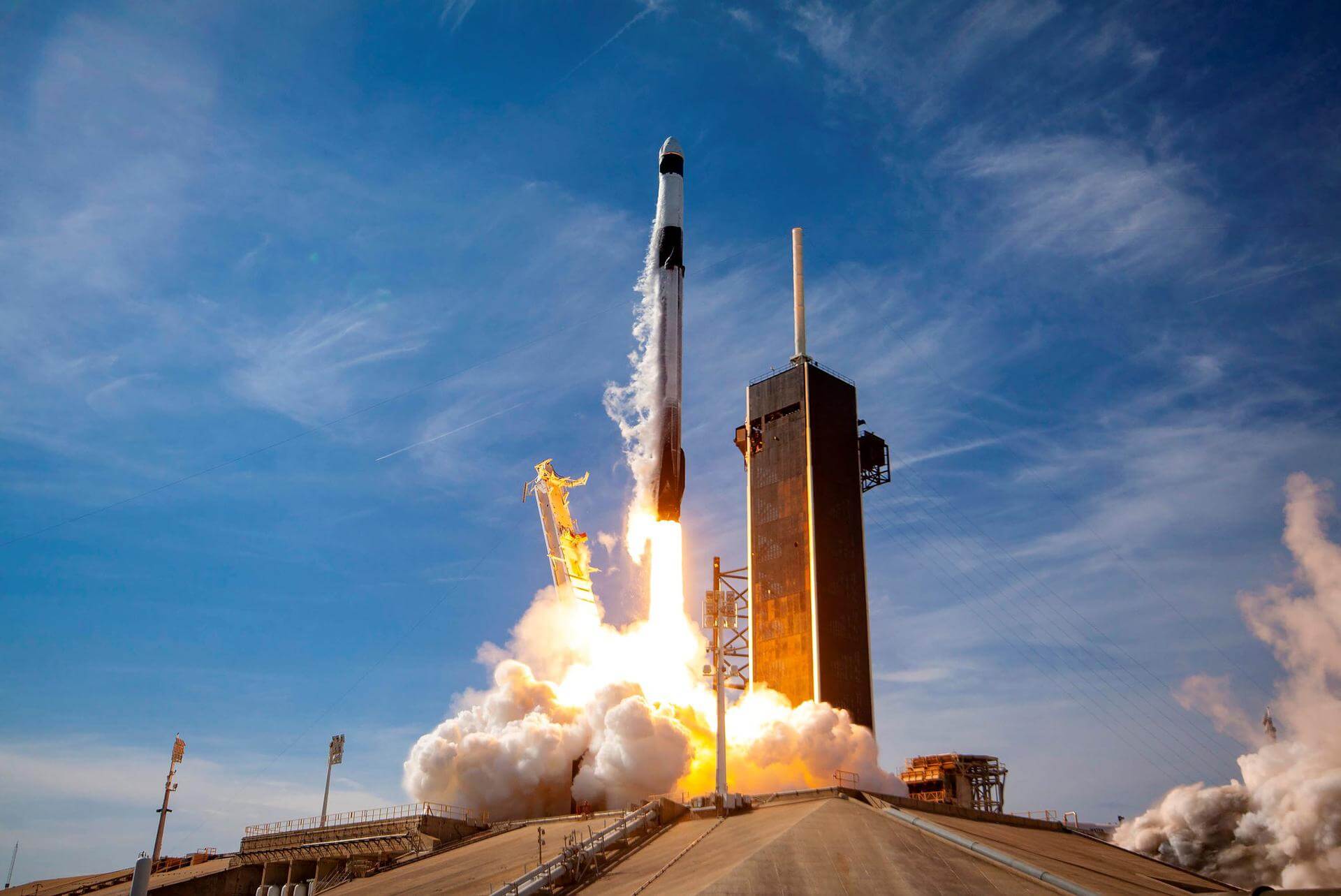
CBO estimates Golden Dome national missile shield at $1.2 trillion over 20 years. Space-based intercept layer could add thousands of satellites to tracked orbital regimes.