

X Report 24 Sep 2025
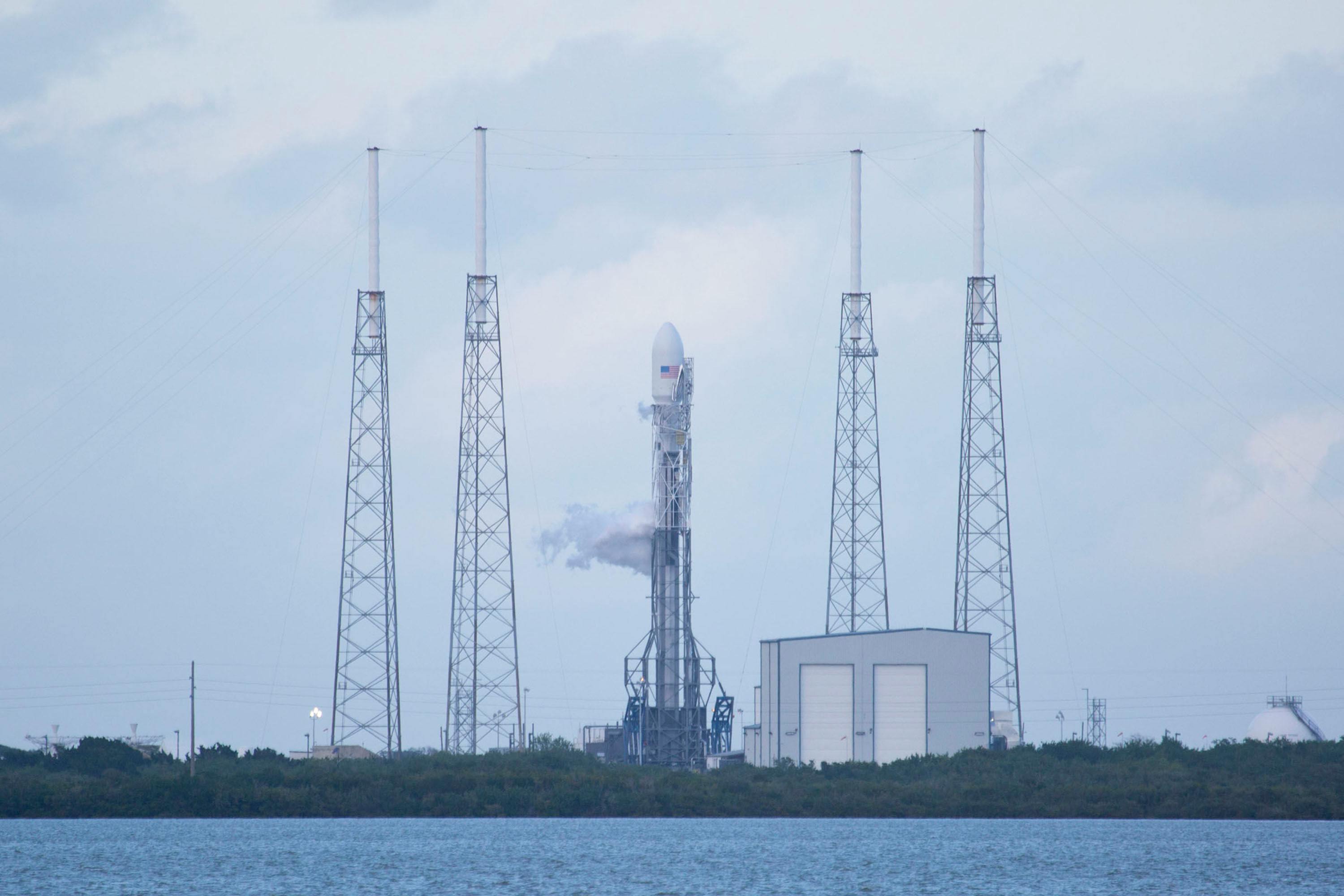
SpaceX prepares for the launch of significant NASA and NOAA missions, while Starship's 11th test flight edges closer.


Launch Date
January 13, 2022
Launch Site
Launch Pad
LC40
Launch Vehicle
NORAD ID
51059
International Designator
2022-002CD
Decay Date
9/15/2024
Name
KEPLER-17 (KARINA)
Alternative Name
Karina
Type
Status
Owner
KEPLER
Country
Canada
Constellation
N/A
Related Satellites
Major Events
N/A
Length
0.3
Diameter
0.2
Span
0.7
Dry Mass
15
Launch Mass
15
Shape
Box + 2 pan
Radar Cross Section
Unknown
Visual Magnitude
Unknown
Color
Unknown
Material Composition
Unknown
Payload
Kepler-17
Purpose
Communication M2M/IoT
Mission
Communication M2M/IoT
Manufacturer
KEPLER/UTIAS
Life Expectancy
Unknown
Bus
Cubesat 6U
Configuration
CubeSat (6UXL)
Motor
Unknown
Equipment
SDR, narrowband communications payload
Power System
Solar cells, batteries
ADCS
Unknown
Transmitter Frequency
Unknown
Learn more about satellites and other related topics.
SpaceX prepares for the launch of significant NASA and NOAA missions, while Starship's 11th test flight edges closer.

The Kessler Syndrome threatens humanity's future in space as cascading satellite collisions create exponential debris growth. With 36,000+ tracked objects and recent incidents accelerating risks, we face a critical juncture: implement solutions now or potentially lose access to low Earth orbit forever.

Today's Space Brief covers a Soyuz launch mishap that damaged Baikonur pad, Varda Space's AFRL test flights, ION vehicles aboard SpaceX Transporter-15, and more.
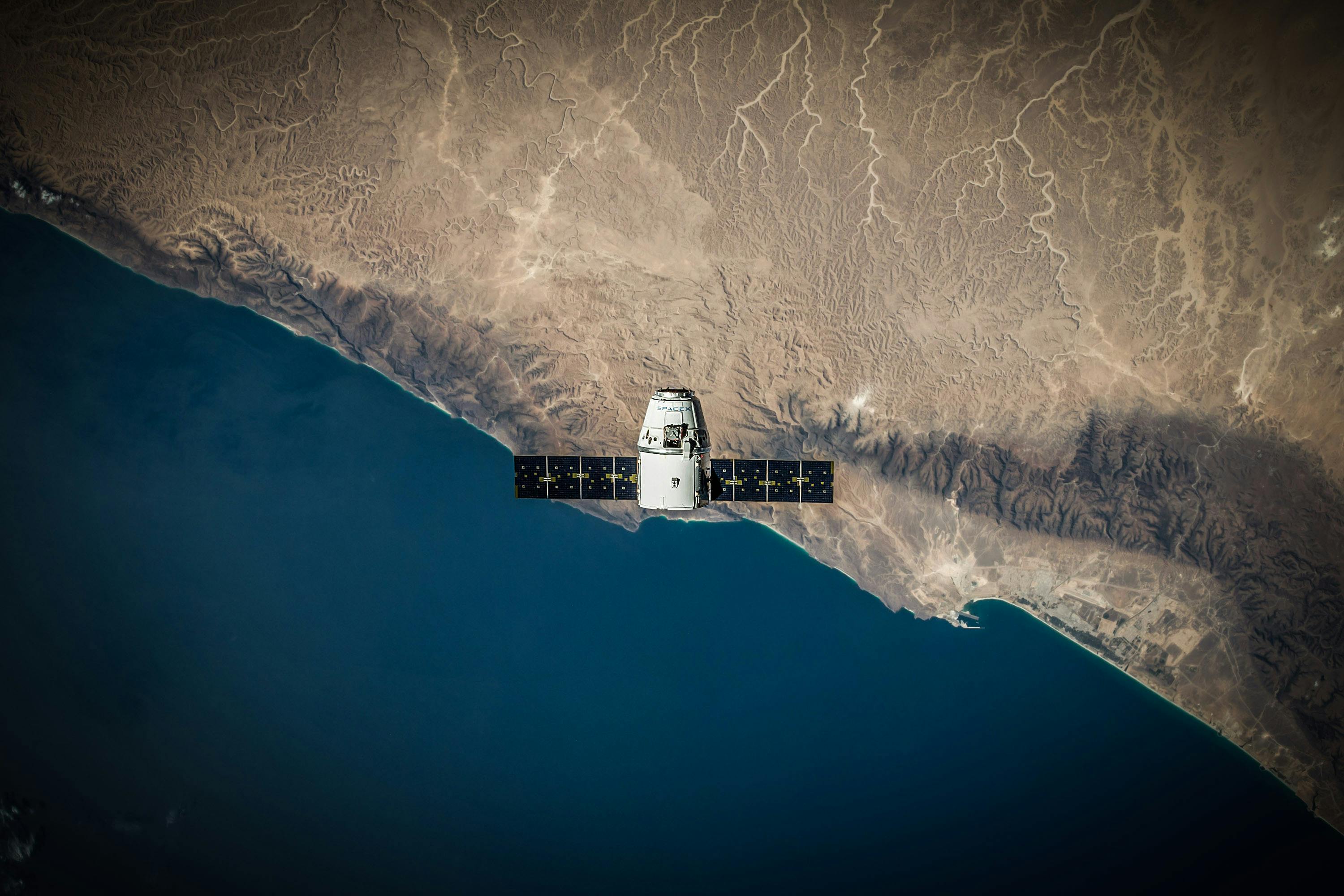
Highlights include China's rising threats in space, a new Starlink launch, NASA's optimistic future, and a cosmic conjunction featuring the Moon and Saturn.
CBO estimates Golden Dome national missile shield at $1.2 trillion over 20 years. Space-based intercept layer could add thousands of satellites to tracked orbital regimes.

Today's briefing covers a significant hypersonic missile launch by the U.S. Army, the declassification of spy satellite photos aiding demining efforts, and the deployment of cutting-edge research payloads to the ISS.
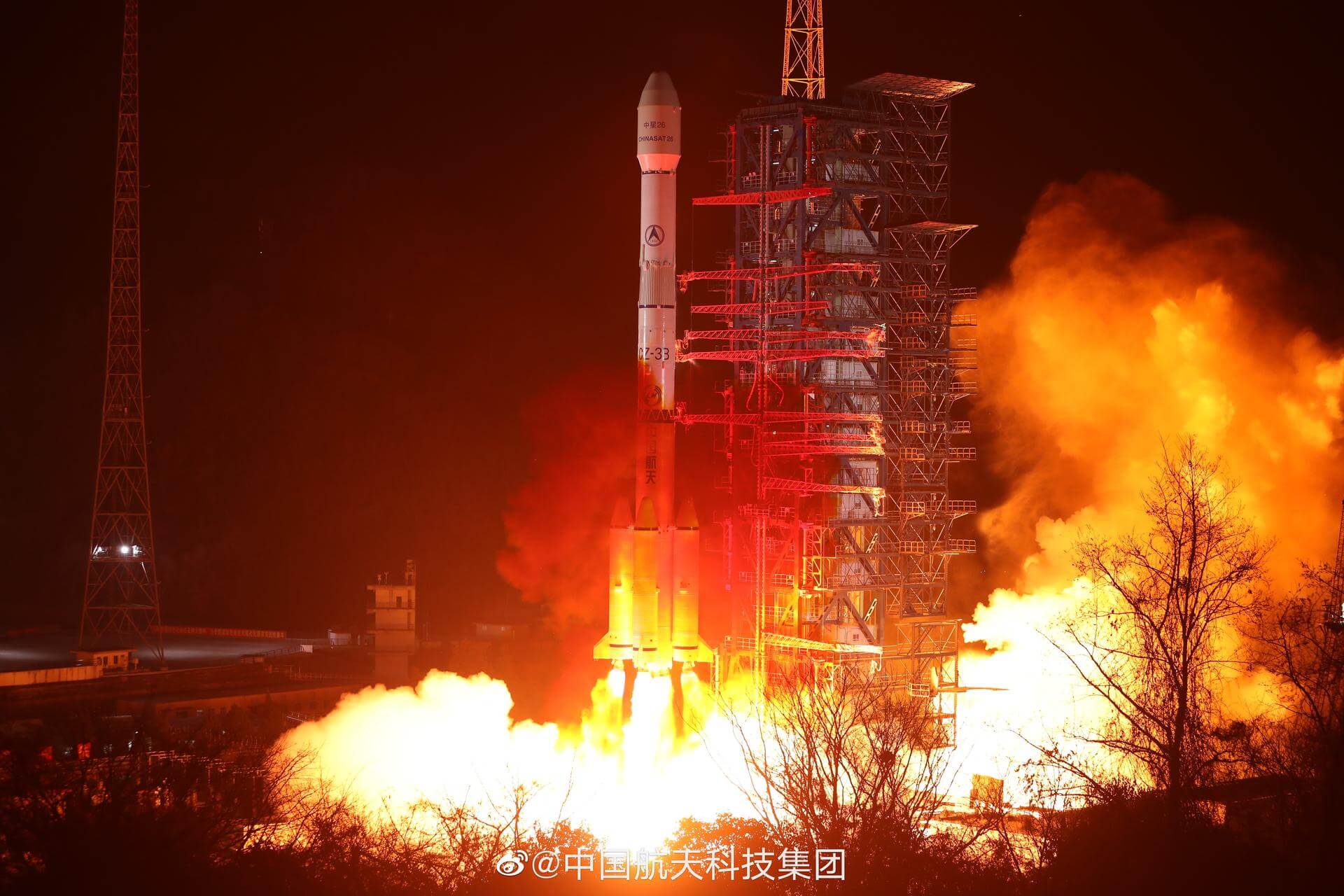
House appropriators approved $55.5 billion for Space Force but omitted $350 billion reconciliation funds, threatening Golden Dome and large-scale space programs' acquisition timelines.
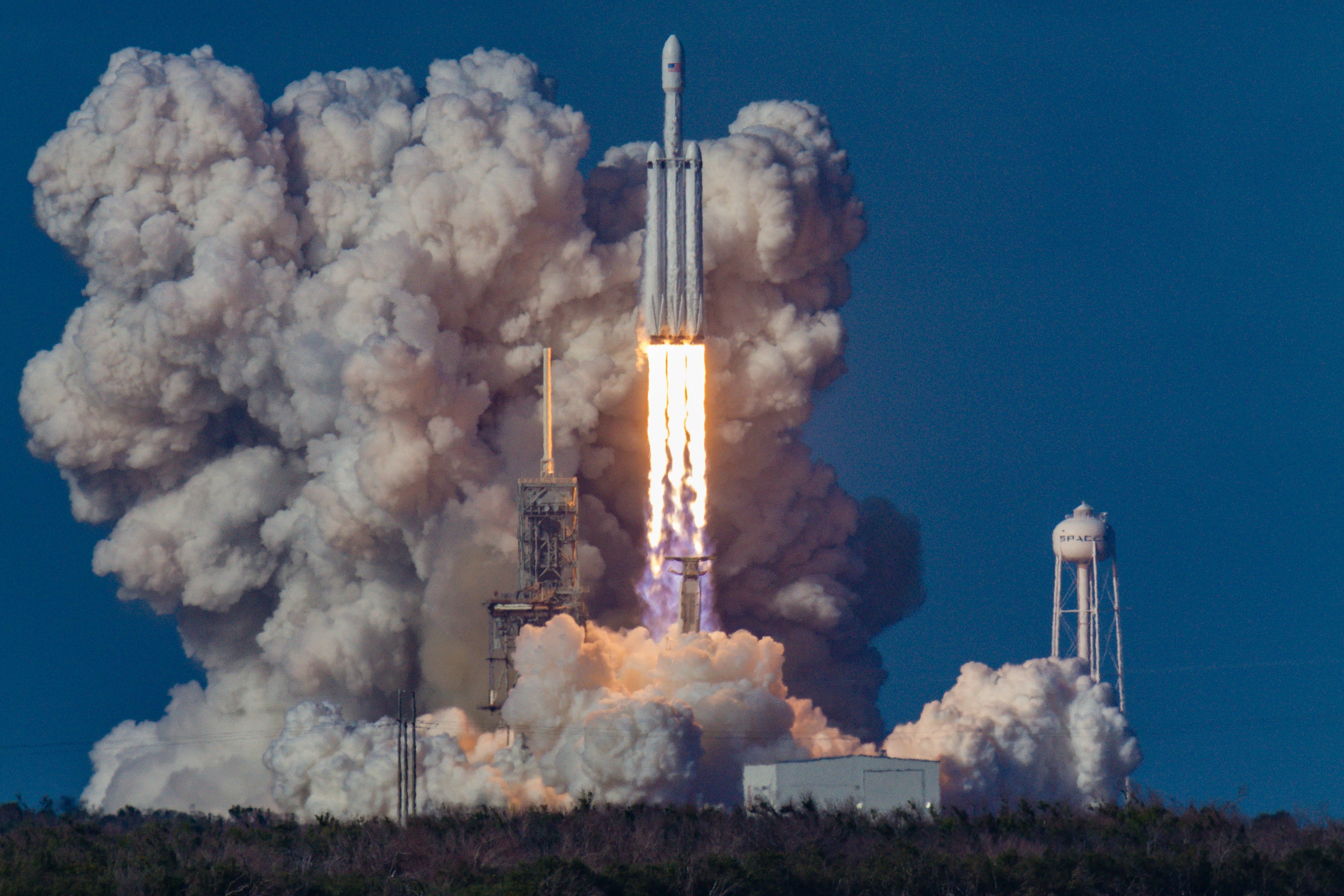
Falcon Heavy completed its 12th flight ever on April 29, ending an 18-month stand-down by lofting the 6-ton ViaSat-3 F3 comsat to GTO.