KEPLER-18 (BLIP-A) (51002)

COSPAR: 2022-002U | Alt Name: Blip-A
DECAYED

Image
KEPLER-18 (BLIP-A) Satellite Image
Additional Sources
Launch Details

Launch Date

January 13, 2022

Launch Pad

LC40

Launch Vehicle

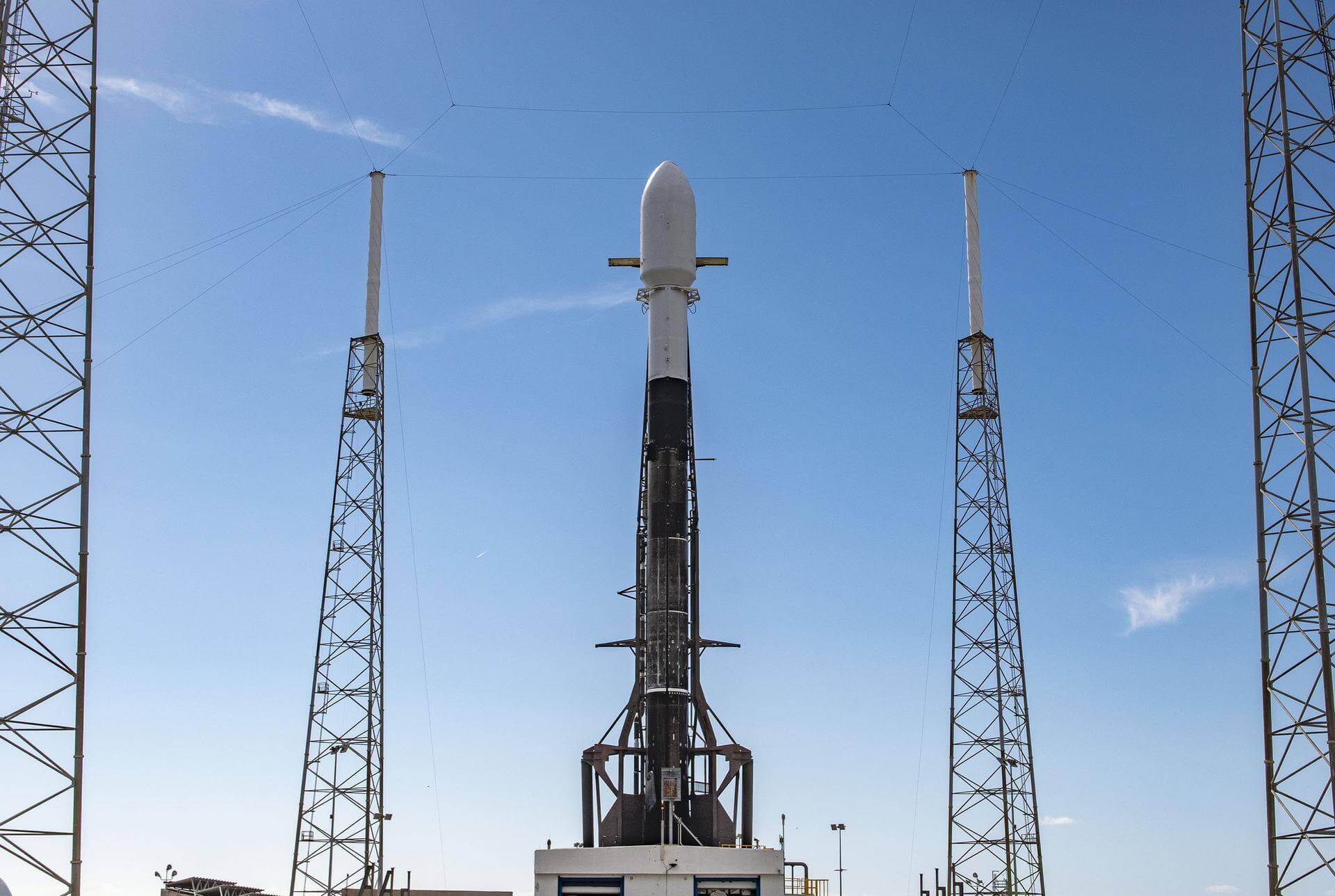
Falcon 9

Orbital Elements

NORAD ID

51002

International Designator

2022-002U

Decay Date

8/26/2024

Basic Satellite Info

Name

KEPLER-18 (BLIP-A)

Alternative Name

Blip-A

Type

Payload

Status

Decayed

Owner

KEPLER

Country

Canada

Constellation

N/A

Related Satellites

Major Events

N/A

Summary
KEPLER-18 (BLIP-A), also known as Blip-A, is a CubeSat 6U satellite manufactured by KEPLER/UTIAS and launched on January 13, 2022, from the Cape Canaveral Space Force Station Launch Complex 40 using a Falcon 9 launch vehicle. The satellite's dimensions are 0.3 meters in length, 0.2 meters in diameter, and has a span of 0.7 meters. It weighs 15 kilograms both at launch and dry mass. Equipped with SDR and narrowband communications payload for Communication M2M/IoT purposes, the satellite is powered by solar cells and batteries. The mission's primary purpose is to facilitate communication between machines (M2M) and Internet of Things (IoT) devices.
Physical Characteristics

Length

0.3

Diameter

0.2

Span

0.7

Dry Mass

15

Launch Mass

15

Shape

Box + 2 pan

Radar Cross Section

Unknown

Visual Magnitude

Unknown

Color

Unknown

Material Composition

Unknown

Technical Details

Payload

Kepler-18

Purpose

Communication M2M/IoT

Mission

Communication M2M/IoT

Manufacturer

KEPLER/UTIAS

Life Expectancy

Unknown

Bus

Cubesat 6U

Configuration

CubeSat (6UXL)

Motor

Unknown

Equipment

SDR, narrowband communications payload

Power System

Solar cells, batteries

ADCS

Unknown

Transmitter Frequency

Unknown

Satellite Articles

View All Posts »

Learn more about satellites and other related topics.

X Report 1 Jun 2025

X Report 1 Jun 2025

SpaceX successfully launched 27 Starlink satellites, marking another milestone for its broadband internet service. Meanwhile, the latest GPS III satellite was also launched for the U.S. military, showcasing SpaceX's multifaceted capabilities.

SpaceX's Audacious Starship

SpaceX's Audacious Starship

As the largest and most powerful rocket ever built, it's designed for full reusability and rapid launch turnaround. SpaceX claims it could carry over 100 tons to low Earth orbit at a fraction of current costs.

Sandhoo Takes Dual SDA Director, Missile Warning Role | KeepTrack Space Brief

Sandhoo Takes Dual SDA Director, Missile Warning Role | KeepTrack Space Brief

Brig. Gen. Gursharan Sandhoo double-hatted as SDA director and Space Force missile warning PAE head as Pentagon consolidates LEO satellite programs under new acquisition structure.

Space Brief 29 Nov 2024

Space Brief 29 Nov 2024

Today's brief covers China's Beidou satellite plans, SpaceX's Starship advancements, potential Space Command HQ relocation, and more.

The Feasibility of Transitioning from Starlink to Eutelsat in Ukraine

The Feasibility of Transitioning from Starlink to Eutelsat in Ukraine

As Ukraine explores alternatives to SpaceX's Starlink, the potential adoption of Eutelsat OneWeb's satellite network raises critical questions about connectivity, resilience, and strategic autonomy.

Space Brief 6 Jun 2025

Space Brief 6 Jun 2025

Today's space news features significant discussions on the funding of Space Force, advancements in hypersonic technology, and the potential impacts of spectrum auction plans on border defense systems.

STS-30 | When Atlantis Sent a Radar to Venus

STS-30 | When Atlantis Sent a Radar to Venus

On May 4, 1989, Space Shuttle Atlantis lifted off from LC-39B carrying Magellan, NASA's first interplanetary mission since 1978. The eleven-year drought ended in a payload bay, and the radar that emerged would map ninety-eight percent of Venus through clouds that no camera could ever see through.

Three Chinese Rocket Bodies Exploded, Generating Decades of LEO Debris | KeepTrack Space Brief

Three Chinese Rocket Bodies Exploded, Generating Decades of LEO Debris | KeepTrack Space Brief

Three Chinese rocket bodies have exploded over four years, creating debris clouds that will linger for decades to centuries, according to LeoLabs analysis. Fragmentation events threaten commercial and military operators.