


MDA Space Buys Blue Canyon for $620M, Space Brief 20 Jun 2026
MDA Space acquires Blue Canyon Technologies for $620 million, and NASA's 2028 Aeolus Mars orbiter goes to a California startup instead of SpaceX.



Launch Date
September 16, 1982
Launch Site
PLMSC
Launch Pad
LC32/2
Launch Vehicle
Tsiklon-3
NORAD ID
50532
International Designator
1982-092AHF
Decay Date
1/5/2022
Name
COSMOS 1408 DEB
Alternative Name
deb Kosmos-1408
Type
Status
Owner
ROSK
Country
USSR
Constellation
N/A
Related Satellites
Major Events
N/A
Length
0
Diameter
0
Span
0
Dry Mass
0
Launch Mass
0
Shape
N/A
Radar Cross Section
Unknown
Visual Magnitude
Unknown
Color
Unknown
Material Composition
Unknown
Payload
Unknown
Purpose
Unknown
Mission
Unknown
Manufacturer
YUZHUA
Life Expectancy
Unknown
Bus
Unknown
Configuration
Unknown
Motor
Unknown
Equipment
Unknown
Power System
Unknown
ADCS
Unknown
Transmitter Frequency
Unknown
Learn more about satellites and other related topics.
MDA Space acquires Blue Canyon Technologies for $620 million, and NASA's 2028 Aeolus Mars orbiter goes to a California startup instead of SpaceX.
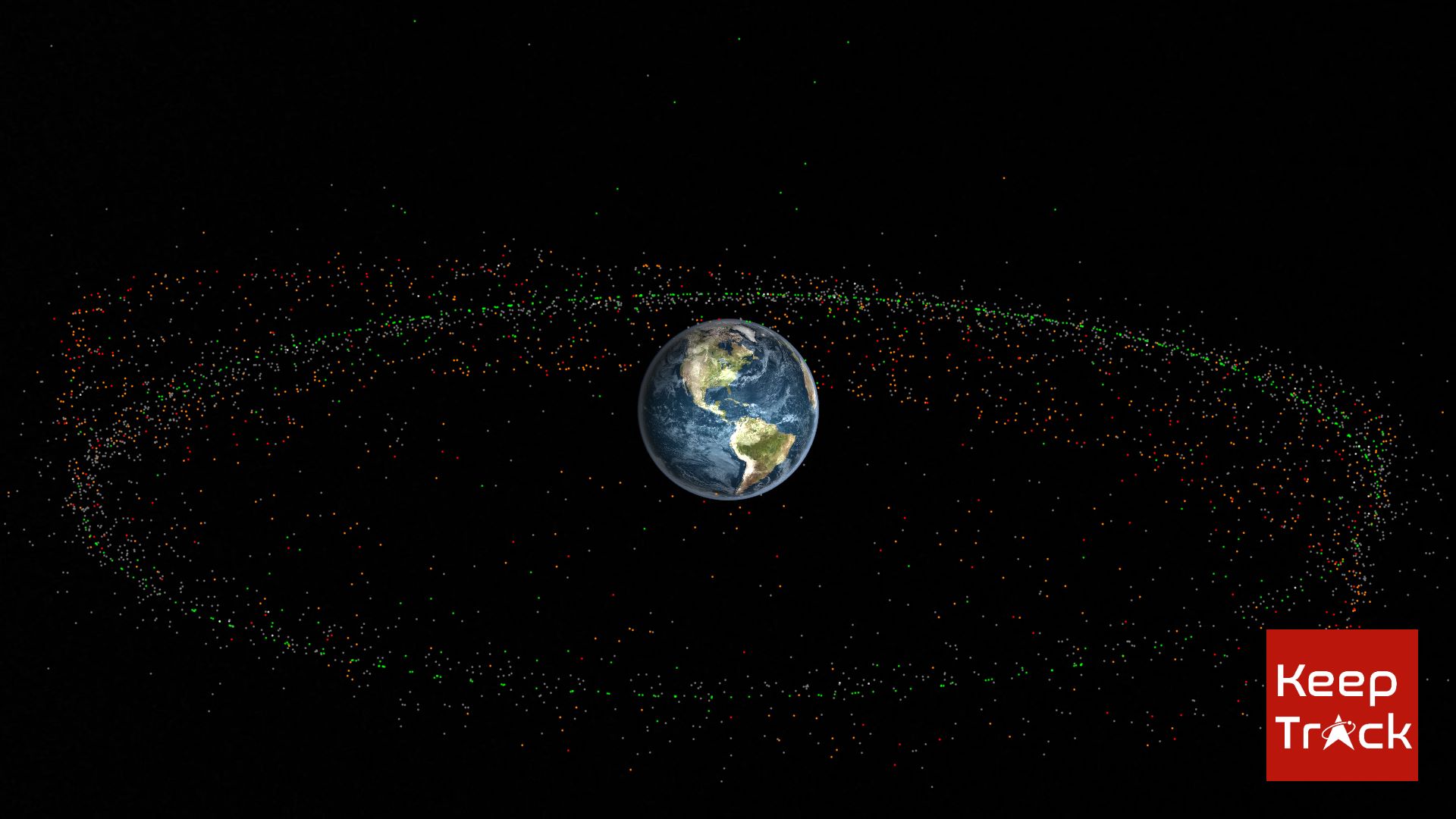
Understanding the unique orbital sweet spot that keeps satellites perfectly positioned above Earth

On February 2, 1909, Robert Goddard made a revolutionary breakthrough in his notebook: liquid oxygen and liquid hydrogen could achieve 50% efficiency in converting heat energy to kinetic energy for rocket propulsion

SpaceX delivered 3 Block 2 BlueBird satellites for AST SpaceMobile from Pad 40, advancing direct-to-cell broadband with 10,650 Starlink craft now active.

Today's space brief covers NASA's shift to private companies for astronaut rescue, EU's potential collaboration with SES for satellite services, and notable military contract allocations. Plus, a satellite spotlight on LEMUR-2-KADI.
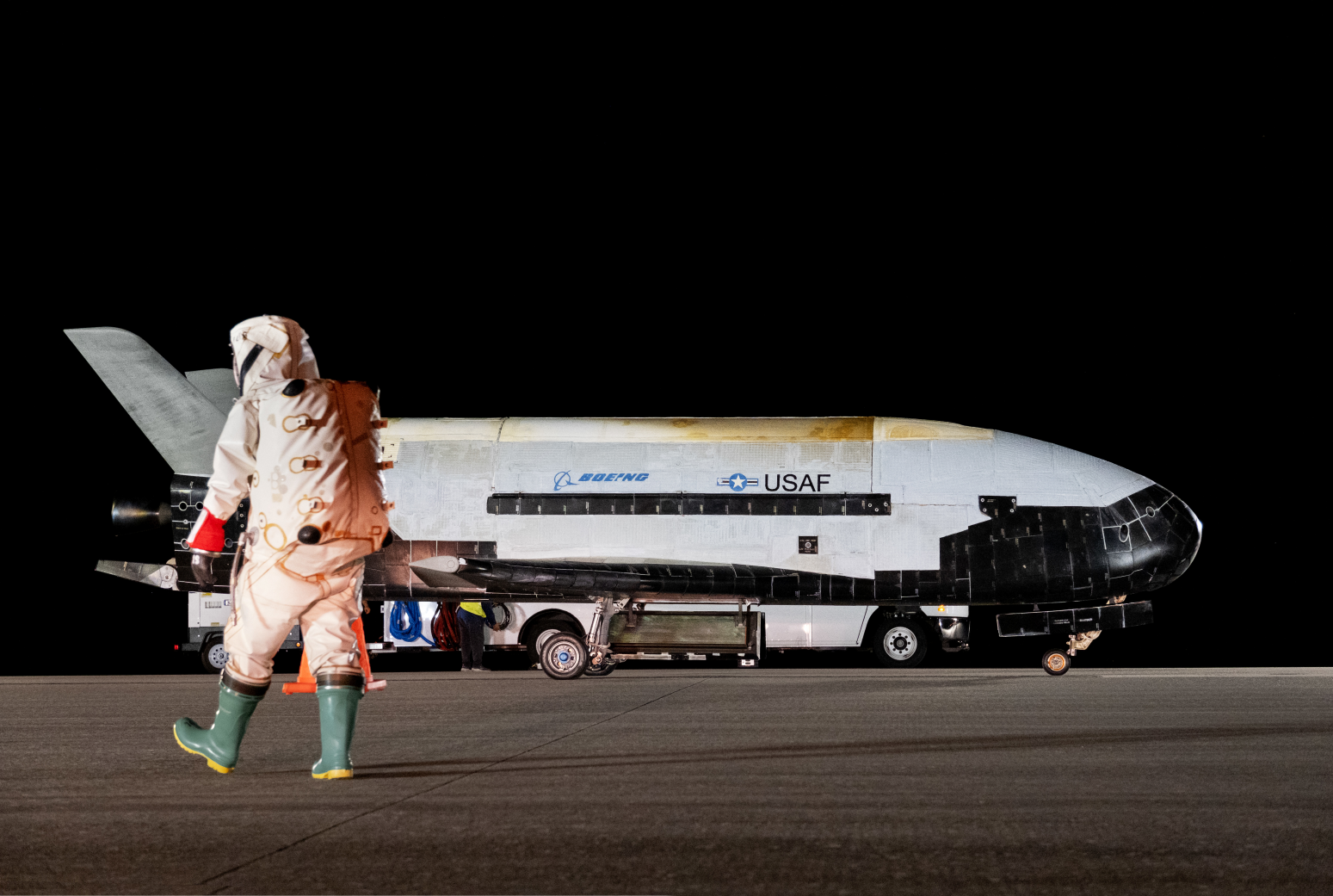
On April 22, 2010, an Atlas V lifted off from Cape Canaveral carrying a reusable robotic spaceplane so secret that the Air Force would not even confirm its mission duration. It came back 224 days later, lighter, quieter, and more operational than anyone outside Washington had expected. Fifteen years later, the X-37B is still flying, and the military still will not say what it does.

SpaceX Starlink launch cadence 2026: missions 26 and 27 lift off 37 minutes apart on March 13, with 25 and 29 satellites per Falcon 9, 54 in one morning.
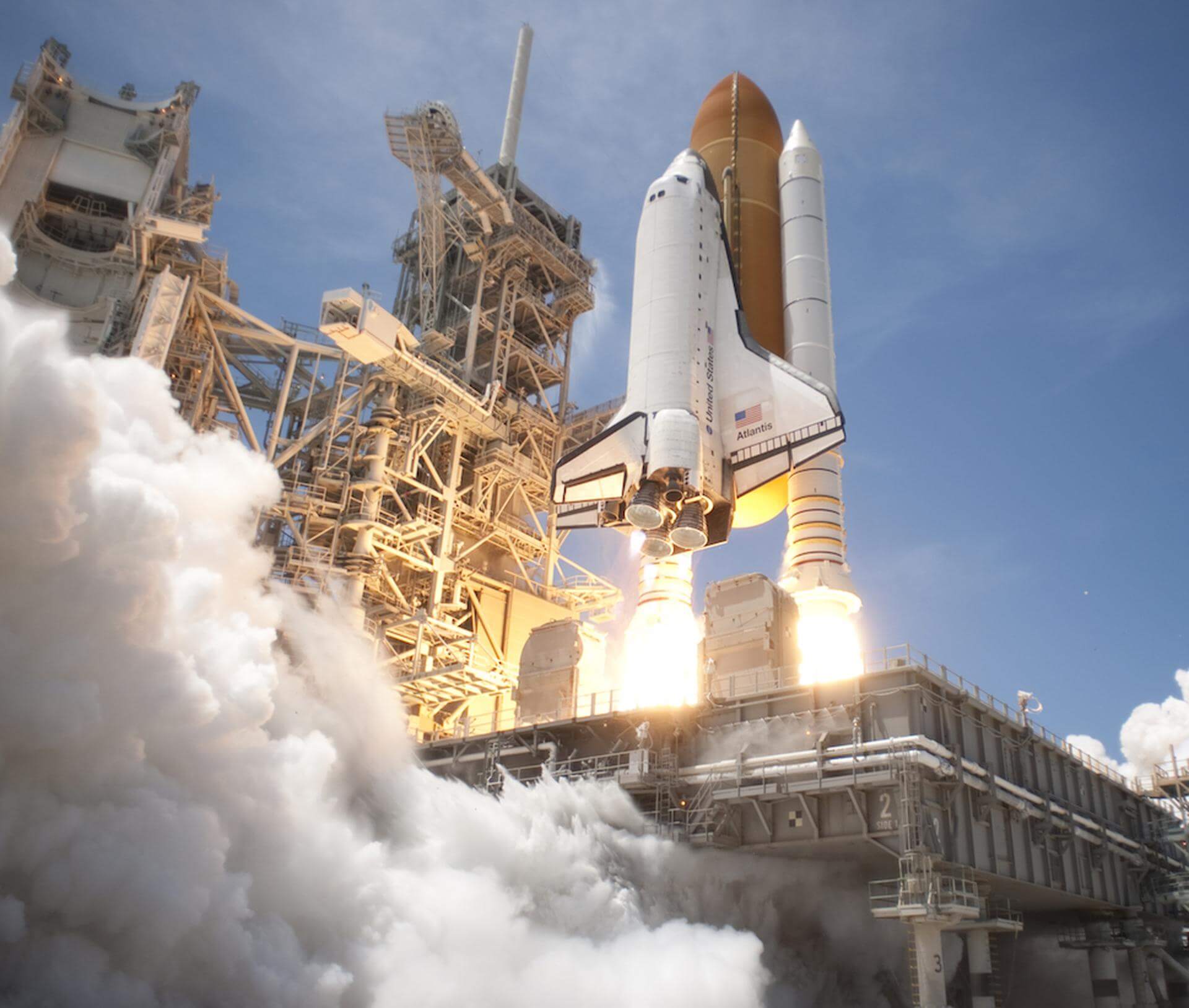
Today's Space Brief delves into key military developments in space, including the Space Force's pioneering officer training and innovative small satellite communication strategies.