FALCON 9 DEB (45717)

COSPAR: 2020-035BN | Alt Name: Starlink deployment rail
DECAYED

Image
FALCON 9 DEB Satellite Image
Additional Sources
Launch Details

Launch Date

June 4, 2020

Launch Pad

LC40

Launch Vehicle

Falcon 9

Orbital Elements

NORAD ID

45717

International Designator

2020-035BN

Decay Date

7/12/2020

Basic Satellite Info

Name

FALCON 9 DEB

Alternative Name

Starlink deployment rail

Type

Debris

Status

Space Junk

Owner

SPXS

Country

United States

Constellation

N/A

Related Satellites

Major Events

N/A

Summary
Space debris, also known as space junk, encompasses all non-functional objects orbiting Earth such as defunct satellites, spent rocket stages, and fragments from collisions or disintegrations. Over time, this debris can accumulate and create an increasingly hazardous environment in orbit. Even tiny fragments, traveling at extremely high velocities, can inflict significant damage on operational satellites and spacecraft. If left unmanaged, the density of debris raises the risk of catastrophic collisions and further fragmentation, compounding the problem and threatening the safety and sustainability of space activities.
Physical Characteristics

Length

7

Diameter

0.02

Span

7

Dry Mass

100

Launch Mass

100

Shape

Cyl

Radar Cross Section

Unknown

Visual Magnitude

Unknown

Color

Unknown

Material Composition

Unknown

Technical Details

Payload

Unknown

Purpose

Unknown

Mission

Unknown

Manufacturer

SPXS

Life Expectancy

Unknown

Bus

Unknown

Configuration

Unknown

Motor

Unknown

Equipment

Unknown

Power System

Unknown

ADCS

Unknown

Transmitter Frequency

Unknown

Satellite Articles

View All Posts »

Learn more about satellites and other related topics.

Tianlong-3 Fails on Debut; SpaceX Wins $178.5M Space Force Contract | KeepTrack Space Brief

Tianlong-3 Fails on Debut; SpaceX Wins $178.5M Space Force Contract | KeepTrack Space Brief

China's Tianlong-3 rocket failed during ascent on debut launch Friday. SpaceX secured $178.5M Space Force contract for missile tracking satellite launches beginning 2027.

Artemis 2 Crew First Lunar-Bound Humans Since 1972 | KeepTrack Space Brief

Artemis 2 Crew First Lunar-Bound Humans Since 1972 | KeepTrack Space Brief

Artemis 2 Orion carries first humans toward the Moon in 53 years. Spacecraft in good health after trans-lunar injection; lunar flyby observation plan due April 6.

10,168 Starlink Satellites in Orbit, X Report 6 Apr 2026

10,168 Starlink Satellites in Orbit, X Report 6 Apr 2026

Current number of Starlink satellites in orbit April 2026: 10,168 working of 10,177 tracked, 11,724 launched. Fleet health tops 99.9%.

Space Brief 18 Nov 2024

Space Brief 18 Nov 2024

Today's brief highlights a Starlink satellite launch, an OpTech optical sensor contract for the Space Force, and a unique STEM experiment involving space-flown seeds.

X Report 6 Sep 2025

X Report 6 Sep 2025

SpaceX successfully launched 28 Starlink satellites, marking a significant milestone with its 500th Falcon rocket landing. Meanwhile, the Starship program reflects on its journey through ten flights, and competition with Amazon's Project Kuiper heats up as JetBlue opts for their in-flight Wi-Fi service.

Space Brief 6 Oct 2025

Space Brief 6 Oct 2025

Today's highlights include Firefly's acquisition of SciTec, DARPA's vision for a moon economy, and ESA's new deep space antenna in Australia. Stay updated on the latest in space intelligence and defense technology transformations, plus noteworthy rogue planet phenomena.

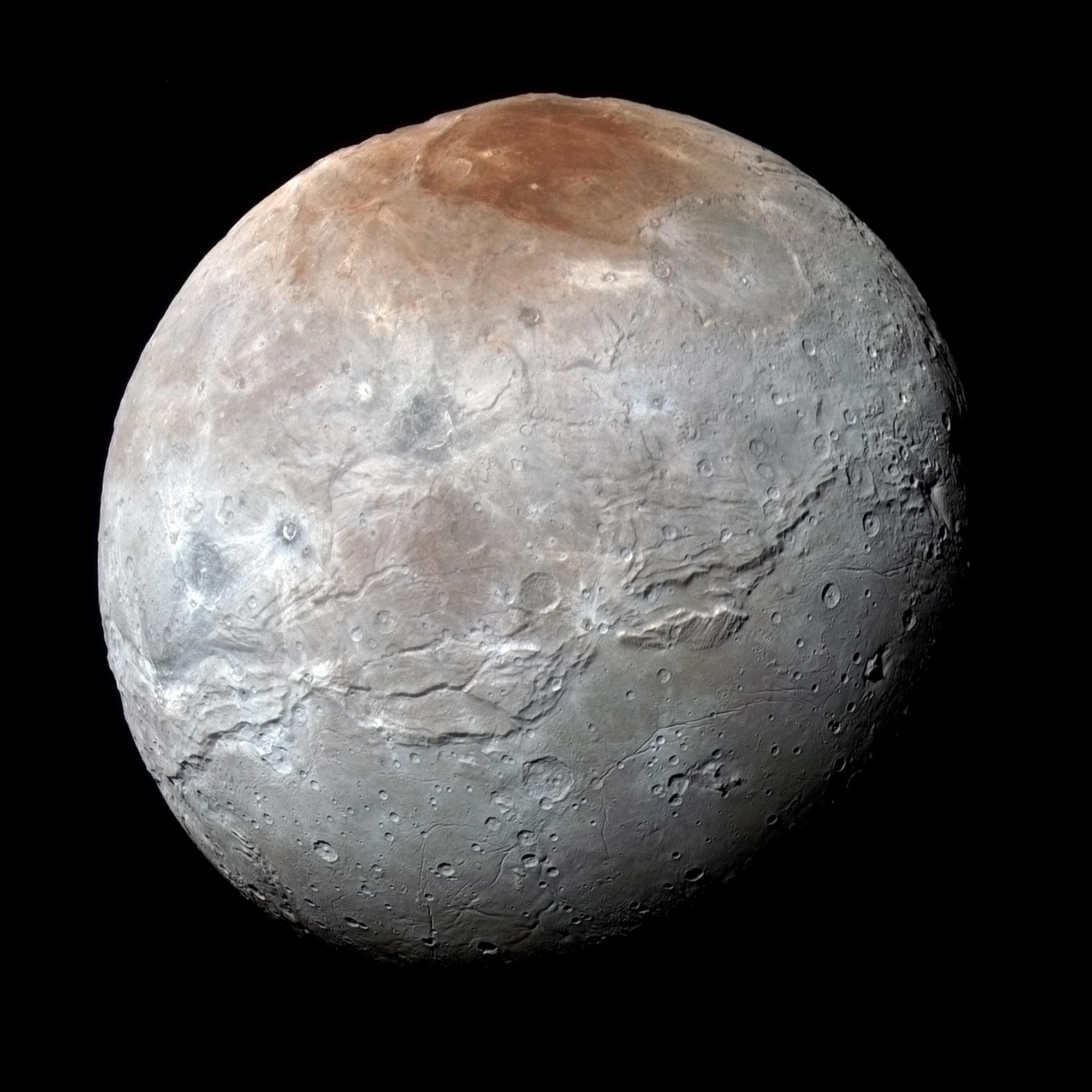
The Afternoon a Blurry Smudge Turned Pluto Into a Double Planet

The Afternoon a Blurry Smudge Turned Pluto Into a Double Planet

On 22 June 1978, an astronomer at the U.S. Naval Observatory looked at photographic plates that had been stamped 'image defective' and noticed a small bump on the side of Pluto. The bump was a moon, and finding it finally let astronomers weigh a planet that had fooled them for half a century.

The Day NASA Chose Its First Space Pioneers

The Day NASA Chose Its First Space Pioneers

Sixty-four years ago, NASA made a decision that would shape the future of human spaceflight by selecting three astronauts to compete for America's first journey into space