🚀 Latest Developments
SpaceX achieved a remarkable milestone with the launch of 28 Starlink satellites and the 500th successful landing of a Falcon rocket on September 5, 2025. Additionally, the Starship program considers its progress after ten flights, revealing both successes and setbacks. Meanwhile, JetBlue’s decision to utilize Amazon’s Project Kuiper satellites for in-flight Wi-Fi signals a growing competitive landscape for satellite internet services.
📰 Detailed Coverage
SpaceX launches Starlink satellites, lands Falcon rocket for 500th time (video)
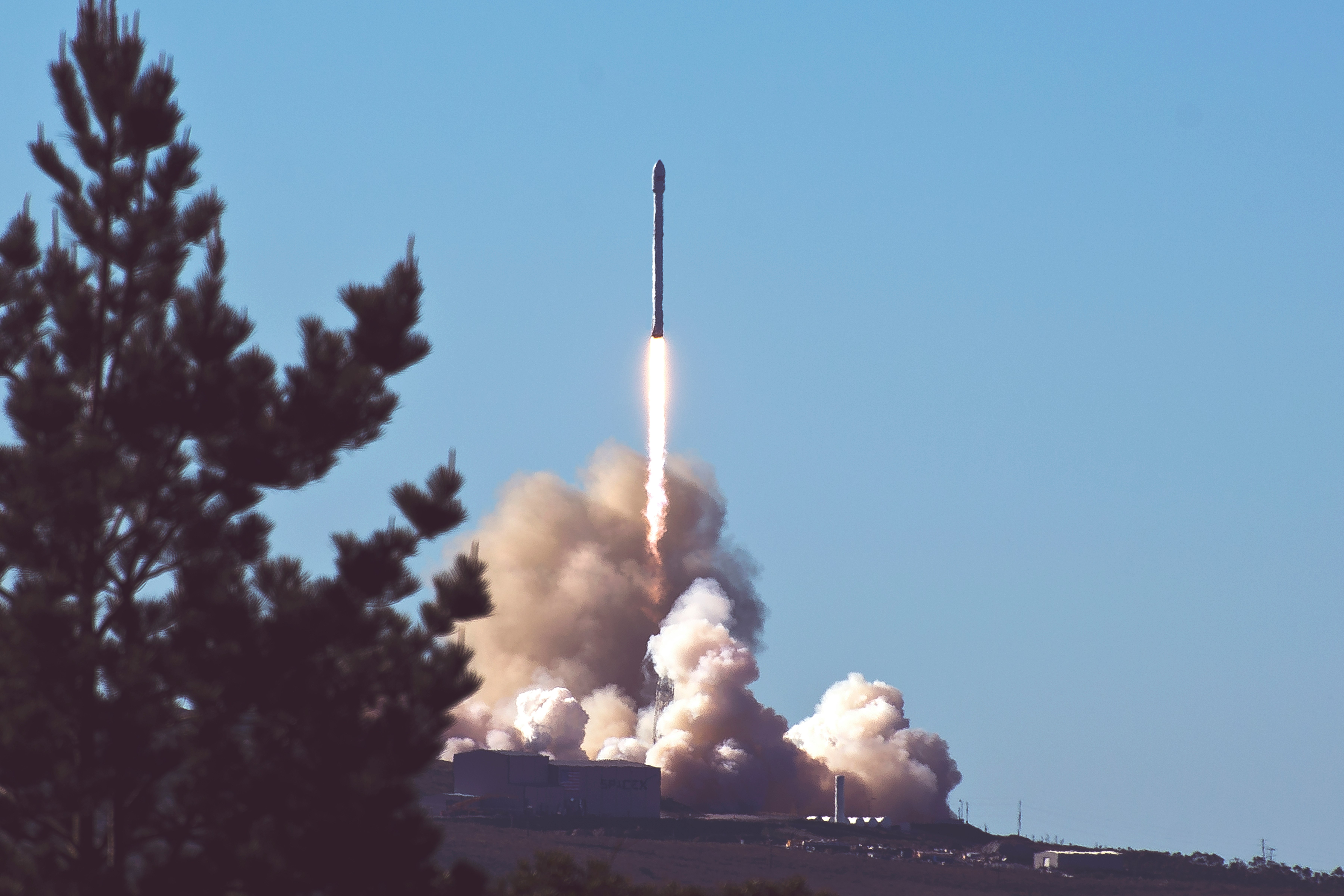
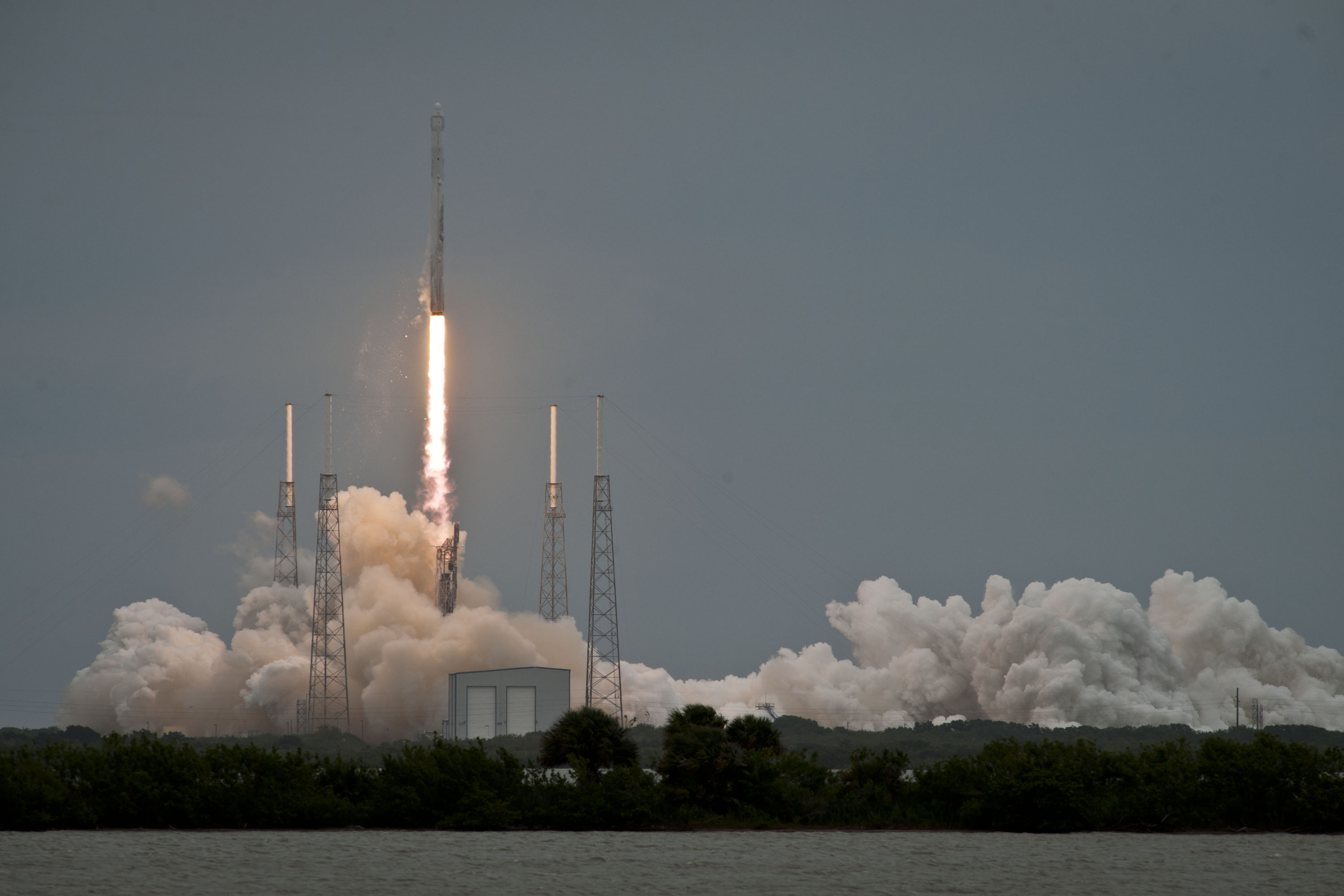
On September 5, SpaceX successfully launched 28 Starlink satellites from Florida, achieving the notable feat of the 500th successful Falcon rocket landing at sea. This event underscores SpaceX’s growing operational cadence and reliability in satellite deployments, further enhancing its Starlink internet service.
The successful launch reinforces SpaceX’s leadership in the space economy, especially within the satellite internet market. With increasing competition, particularly from Project Kuiper, the pressure is on SpaceX to maintain its edge in performance and service offerings.
Read the full story: Space.com
Ten flights in, the Starship Program has had successes and failures
The Starship program has recently reached a significant milestone, reflecting on the journey through ten flight tests that showcased both successes and failures. While the program has had its share of challenges, it also laid the groundwork for future developments and enhancements in reusable spacecraft technology.
These tests, critical for NASA’s Artemis missions and other space ventures, highlight the perseverance of SpaceX’s engineering teams. As the Starship program progresses, its developments are crucial not just for SpaceX’s ambitions but also for the overall future of space exploration.
Read the full story: NASA Spaceflight
Sorry, Starlink: JetBlue becomes 1st airline to pick Amazon’s Project Kuiper satellites for in-flight Wi-Fi
JetBlue has made headlines by announcing it will be the first airline to integrate Amazon’s Project Kuiper satellites for its in-flight Wi-Fi service starting in 2027. This move marks a significant advancement for Amazon’s satellite internet initiative and poses a challenge to SpaceX’s Starlink.
As the competition for providing connectivity in the skies intensifies, SpaceX will need to strategize effectively to retain airline partnerships. This development may lead to competitive pricing and innovation within the satellite internet sector.
Read the full story: Space.com
📊 Starlink Status
- Total Launched: 9660
- Total On Orbit: 8371
- Total Working: 8354
Track Starlink satellites in real-time on our web app: Track Starlink