


Space Force Eyes Asteroid Mining, Clashes With Congress on R-GPS | KeepTrack Space Brief
Space Force sees strategic value in asteroid mining. Congress pushes back on R-GPS phase-out over jamming risks. BlackSky expands Gen 3 defense contracts.


Launch Date
November 15, 1988
Launch Site
Launch Pad
LC110L
Launch Vehicle
Energiya/Buran
NORAD ID
19637
International Designator
1988-100A
Decay Date
11/15/1988
Name
BURAN
Alternative Name
Buran OK-1K
Type
Status
Owner
MOLN/MOM
Country
USSR
Constellation
N/A
Related Satellites
Major Events
N/A
Length
36.4
Diameter
5.5
Span
36.4
Dry Mass
79400
Launch Mass
79400
Shape
Box + 2 Wing + Fin
Radar Cross Section
Unknown
Visual Magnitude
Unknown
Color
Unknown
Material Composition
Unknown
Payload
Buran OK-1K No. 711 (1K1)
Purpose
Crewed Spacecraft
Mission
Crewed Spacecraft
Manufacturer
MOLN
Life Expectancy
Unknown
Bus
Buran
Configuration
Winged orbiter
Motor
2 x RD-58 (17D12)
Equipment
Unknown
Power System
Batteries (#1-F1), fuel cells (later missions)
ADCS
Unknown
Transmitter Frequency
Unknown
Learn more about satellites and other related topics.
Space Force sees strategic value in asteroid mining. Congress pushes back on R-GPS phase-out over jamming risks. BlackSky expands Gen 3 defense contracts.
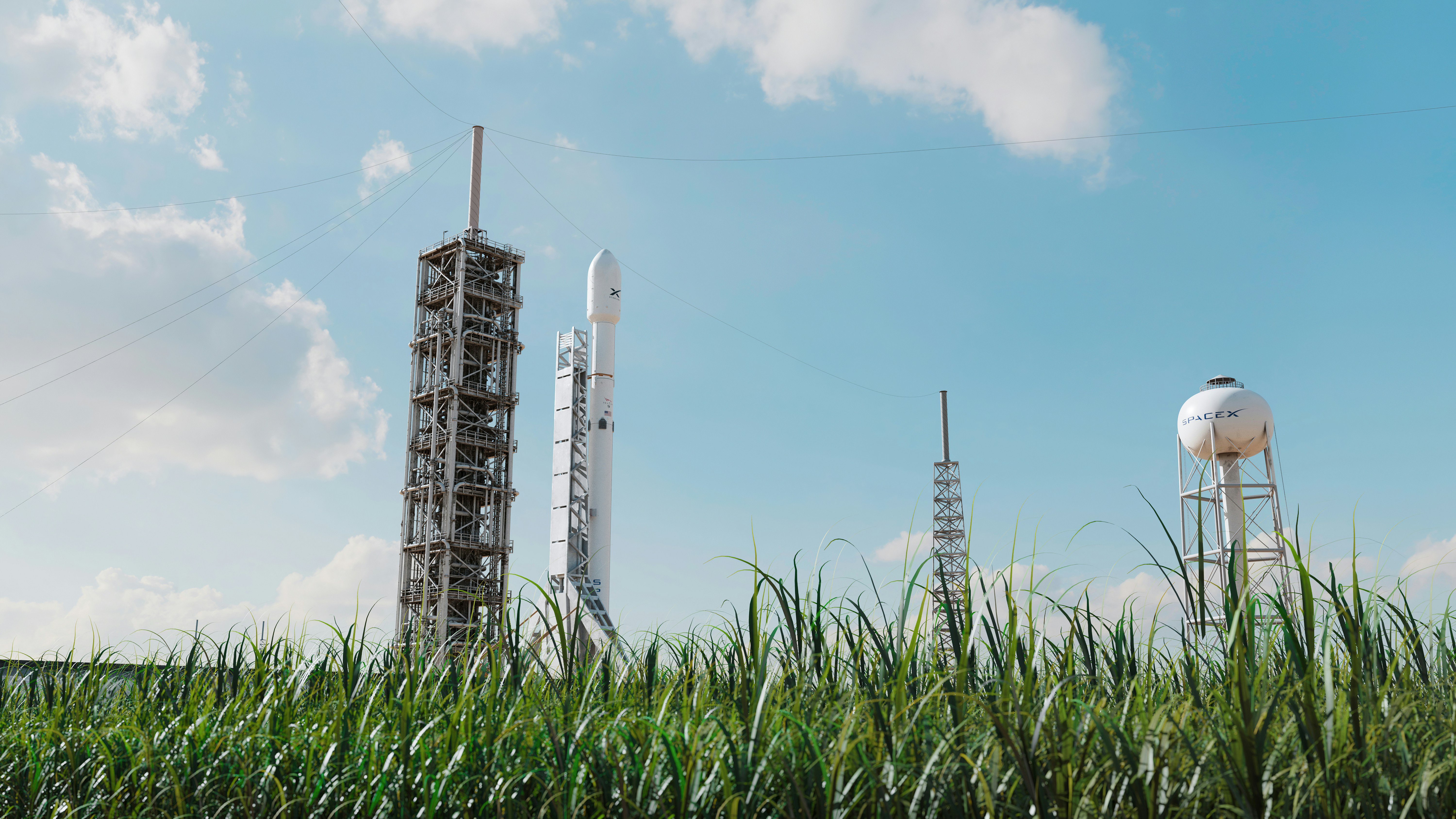
SpaceX wraps up 2024 with successful Starlink and Astranis launches, while reflecting on a monumental year for the Starship program.

LeoLabs debuts Delta, a space monitoring tool designed for military operators to detect adversarial orbital activity beyond standard conjunction warnings.
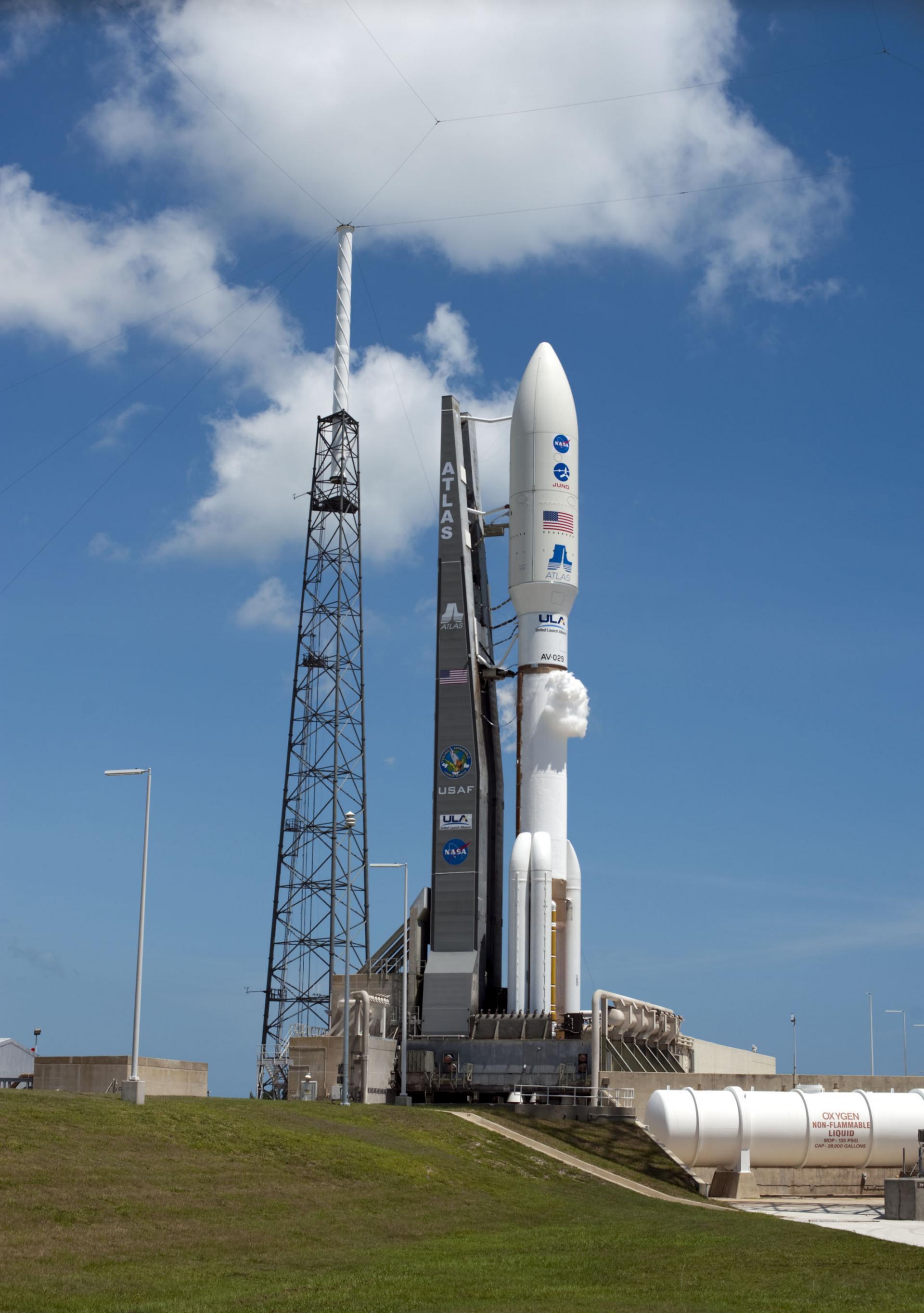
Today's brief covers SpaceX's potential government contract, the future of US Space Command headquarters, an auction record for Neil Armstrong's watch, and the volcanic history of Mars.
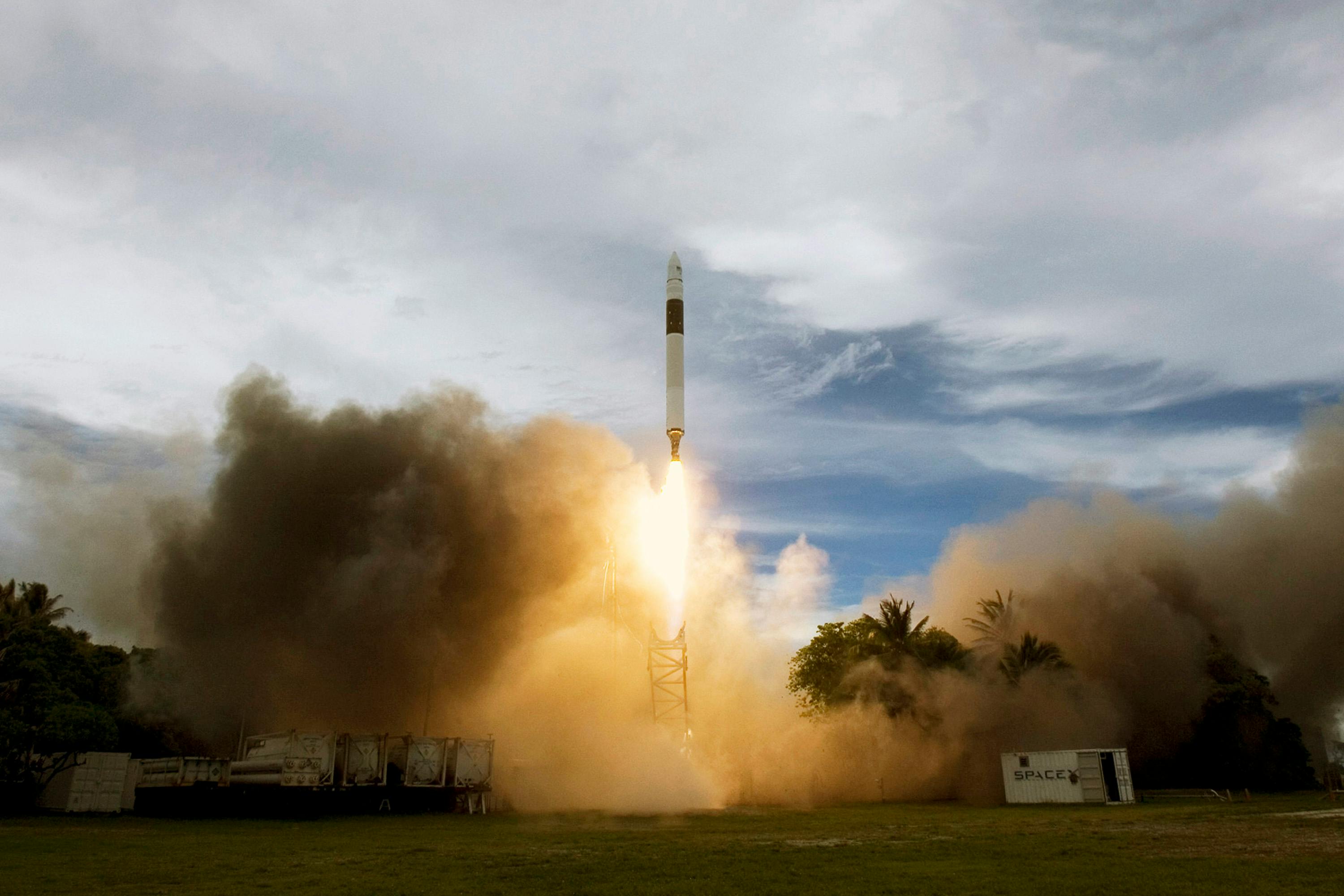
SpaceX successfully launched 28 Starlink satellites, marking a significant milestone with its 500th Falcon rocket landing. Meanwhile, the Starship program reflects on its journey through ten flights, and competition with Amazon's Project Kuiper heats up as JetBlue opts for their in-flight Wi-Fi service.
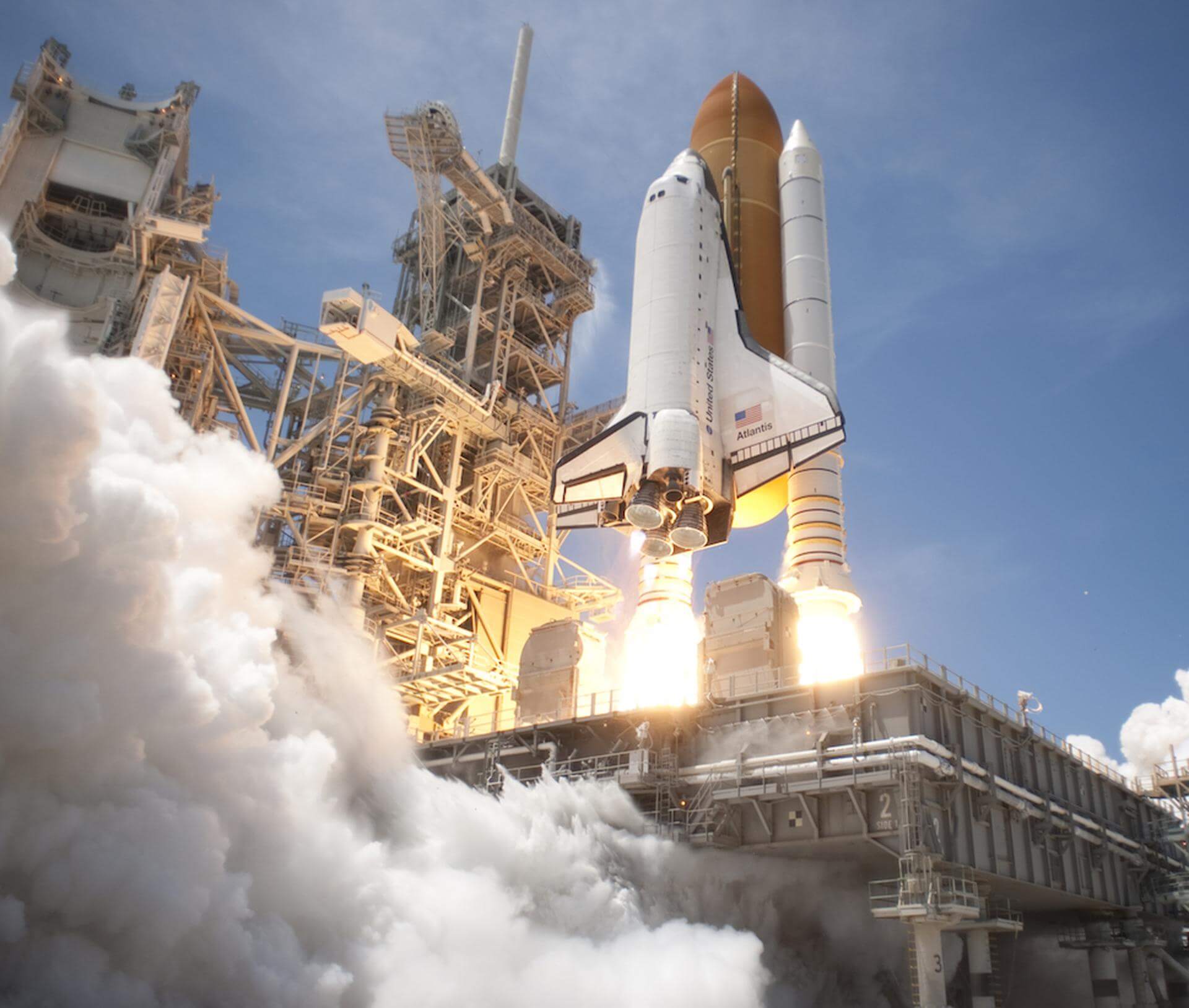
Today's Space Brief delves into key military developments in space, including the Space Force's pioneering officer training and innovative small satellite communication strategies.
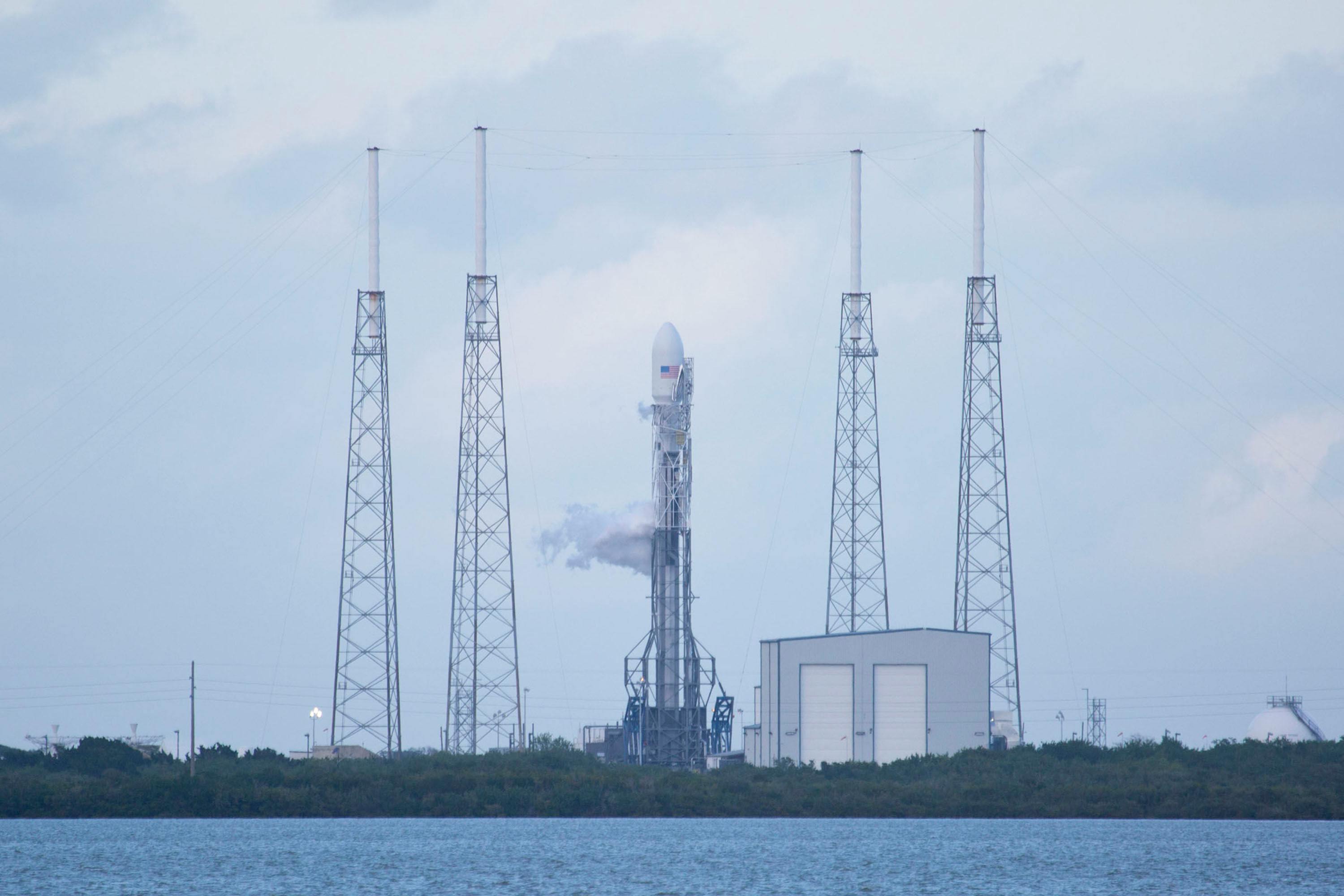
Starship V3 completed Flight 12 on May 22 despite one vacuum Raptor shutting down early, with SpaceX's IPO filing revealing bold Starlink Mobile ambitions.
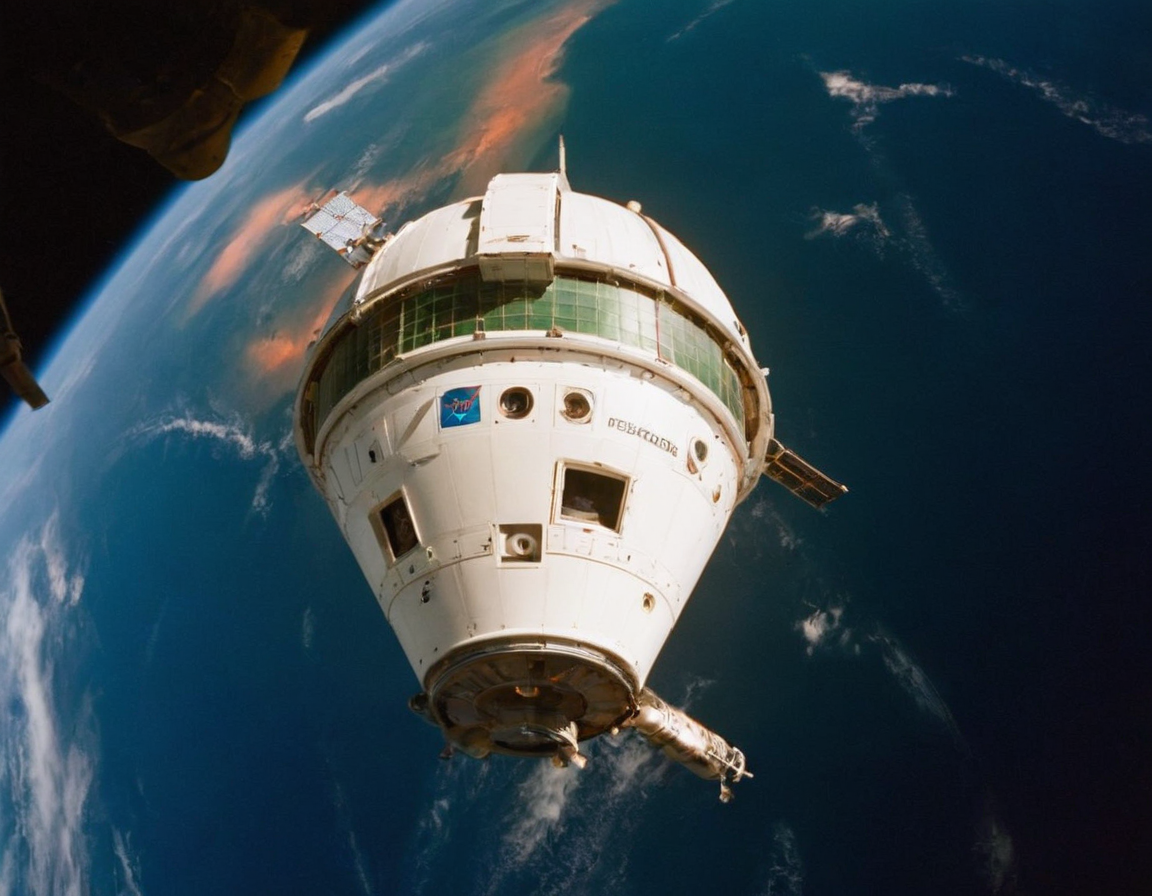
Boeing's Starliner spacecraft encounters thruster problems and helium leaks during its first crewed mission, potentially delaying the return of NASA astronauts from the International Space Station.