

X Report 20 Jun 2025
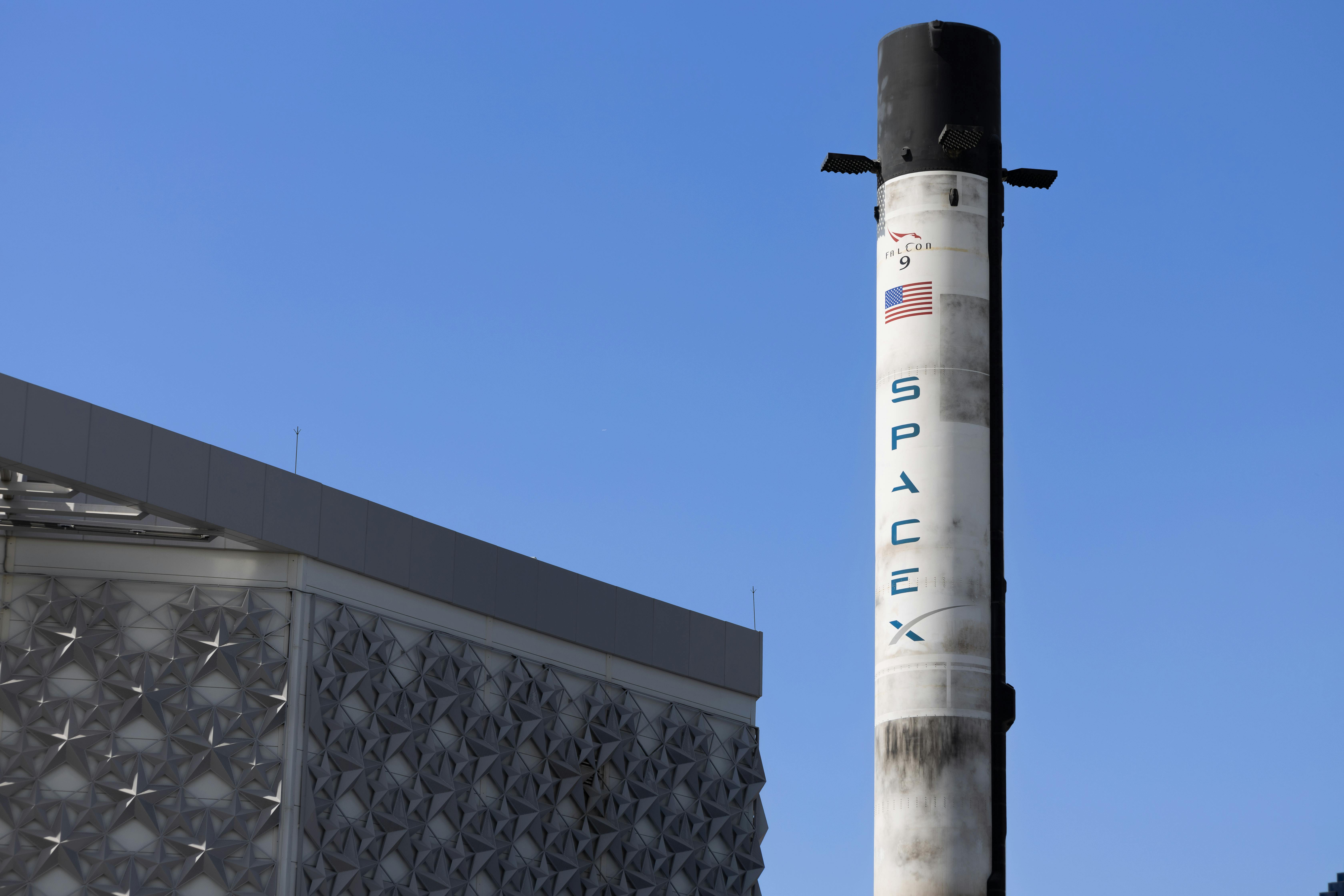
SpaceX experiences significant setbacks with Starship after Ship 36 explodes during static fire preparations, while Eutelsat secures funding to bolster competition against Starlink.


Launch Date
March 24, 1977
Launch Site
PLMSC
Launch Pad
LC132/2
Launch Vehicle
Kosmos 11K65M
NORAD ID
09884
International Designator
1977-022B
Decay Date
12/25/1980
Name
SL-8 R/B
Alternative Name
Kosmos-3M 49-159 Stage 2
Type
Status
Owner
RVSN
Country
USSR
Constellation
N/A
Related Satellites
Major Events
N/A
Length
4.2
Diameter
2.4
Span
4.2
Dry Mass
1434
Launch Mass
1434
Shape
Cyl
Radar Cross Section
15.79
Visual Magnitude
Unknown
Color
Unknown
Material Composition
Unknown
Payload
S3M
Purpose
Unknown
Mission
Unknown
Manufacturer
OAZ
Life Expectancy
Unknown
Bus
S3
Configuration
Unknown
Motor
Unknown
Equipment
Unknown
Power System
Unknown
ADCS
Unknown
Transmitter Frequency
Unknown
Learn more about satellites and other related topics.
SpaceX experiences significant setbacks with Starship after Ship 36 explodes during static fire preparations, while Eutelsat secures funding to bolster competition against Starlink.
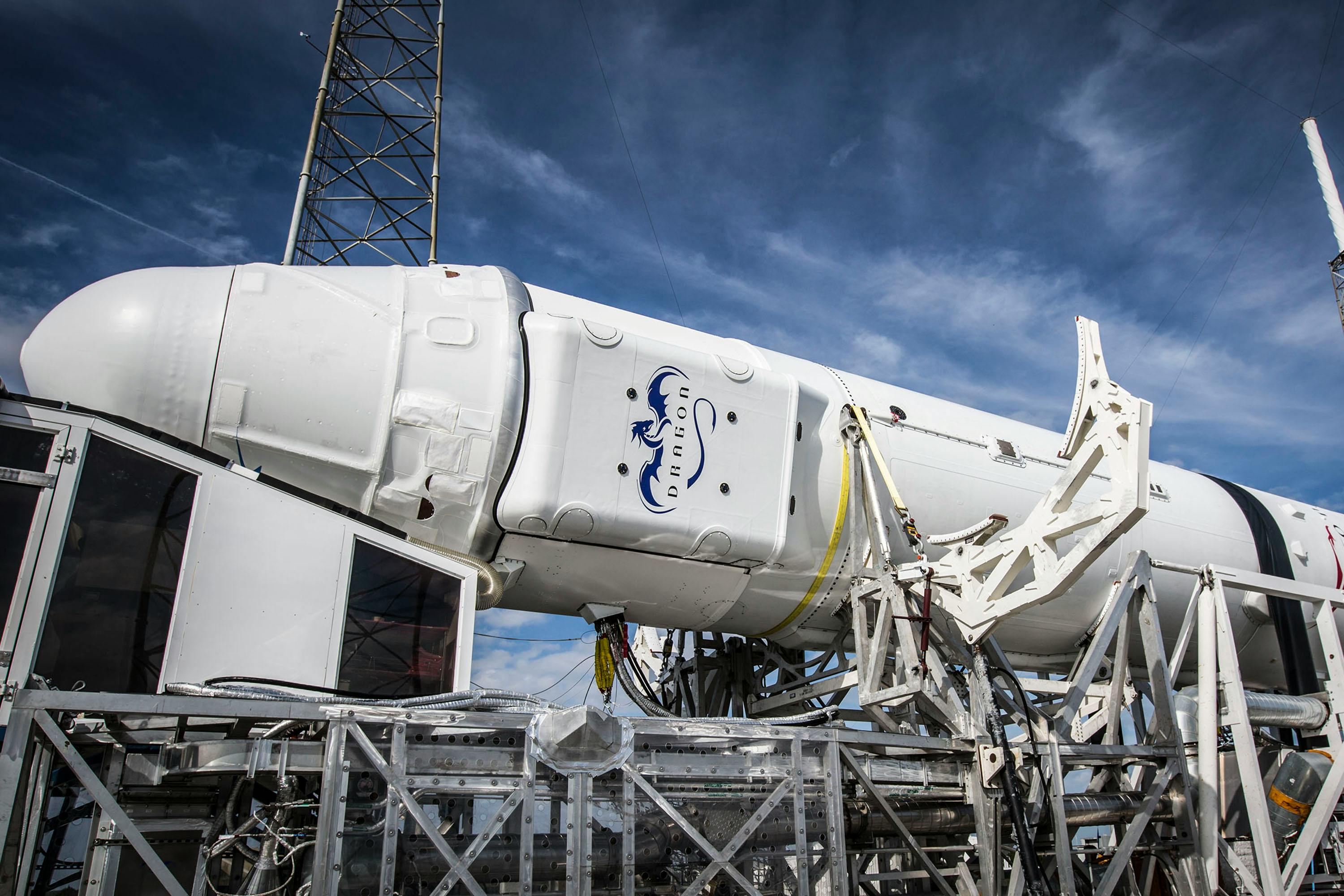
New experiments in space agriculture begin with Fram2 mission, a historic polar orbit flight, and a Starlink launch postponement.
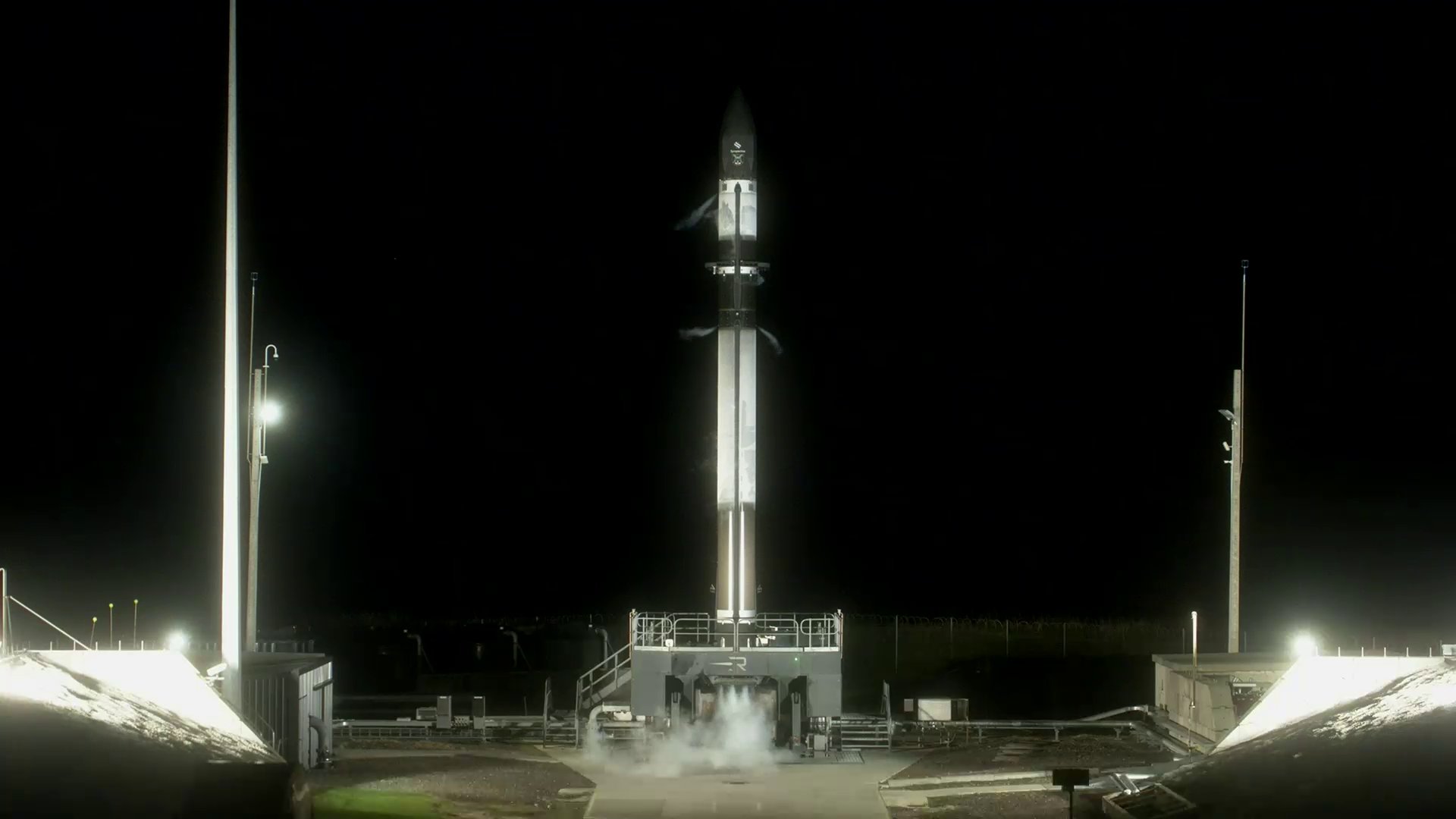
Space Force confirms plan to double active-duty Guardians by 2030, targeting faster response to satellite anomalies and adversary maneuvers in space domain awareness operations.
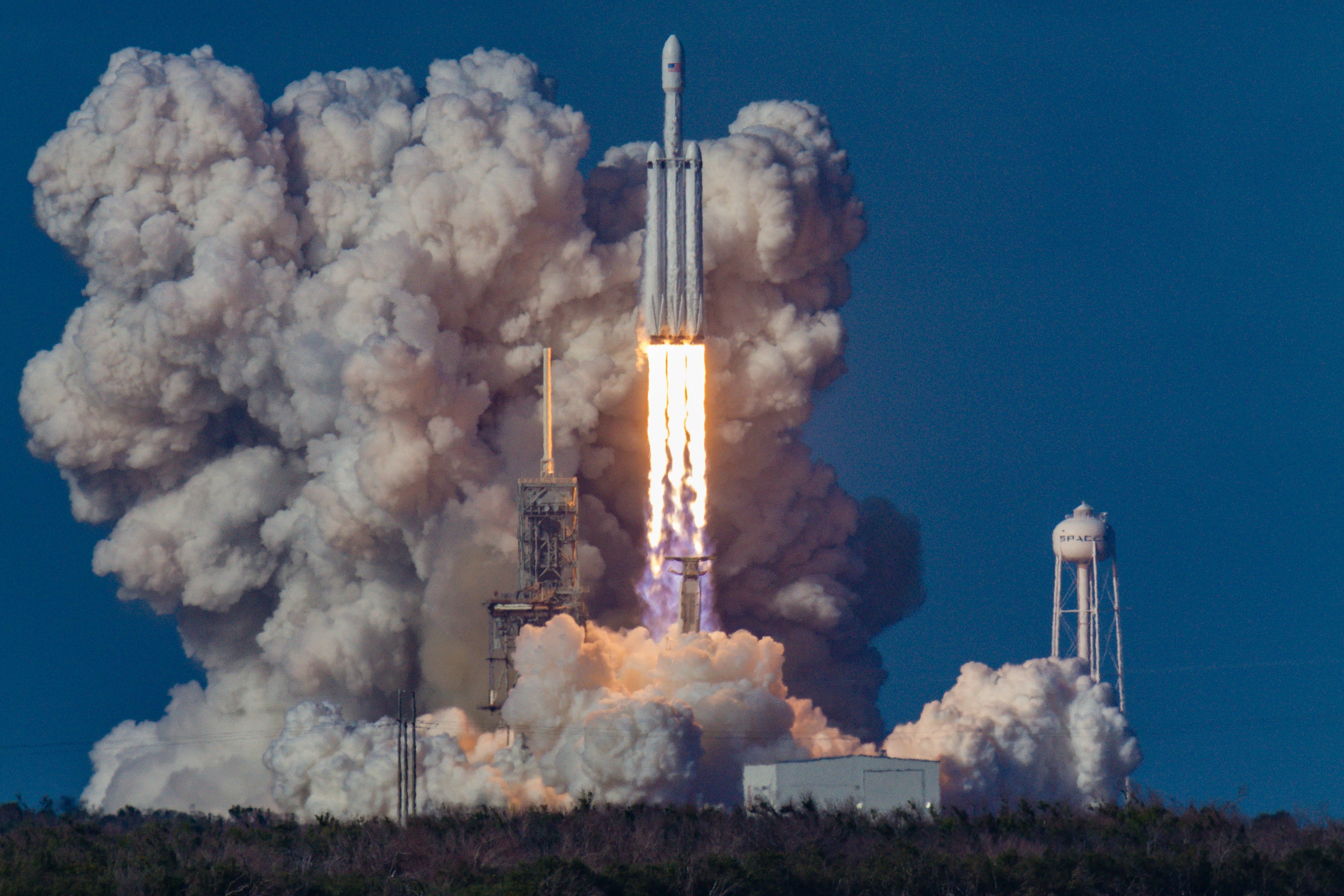
SpaceX successfully launched 28 Starlink satellites from Florida, continuing its momentum in expanding global internet coverage.

LeoLabs debuts Delta, a space monitoring tool designed for military operators to detect adversarial orbital activity beyond standard conjunction warnings.
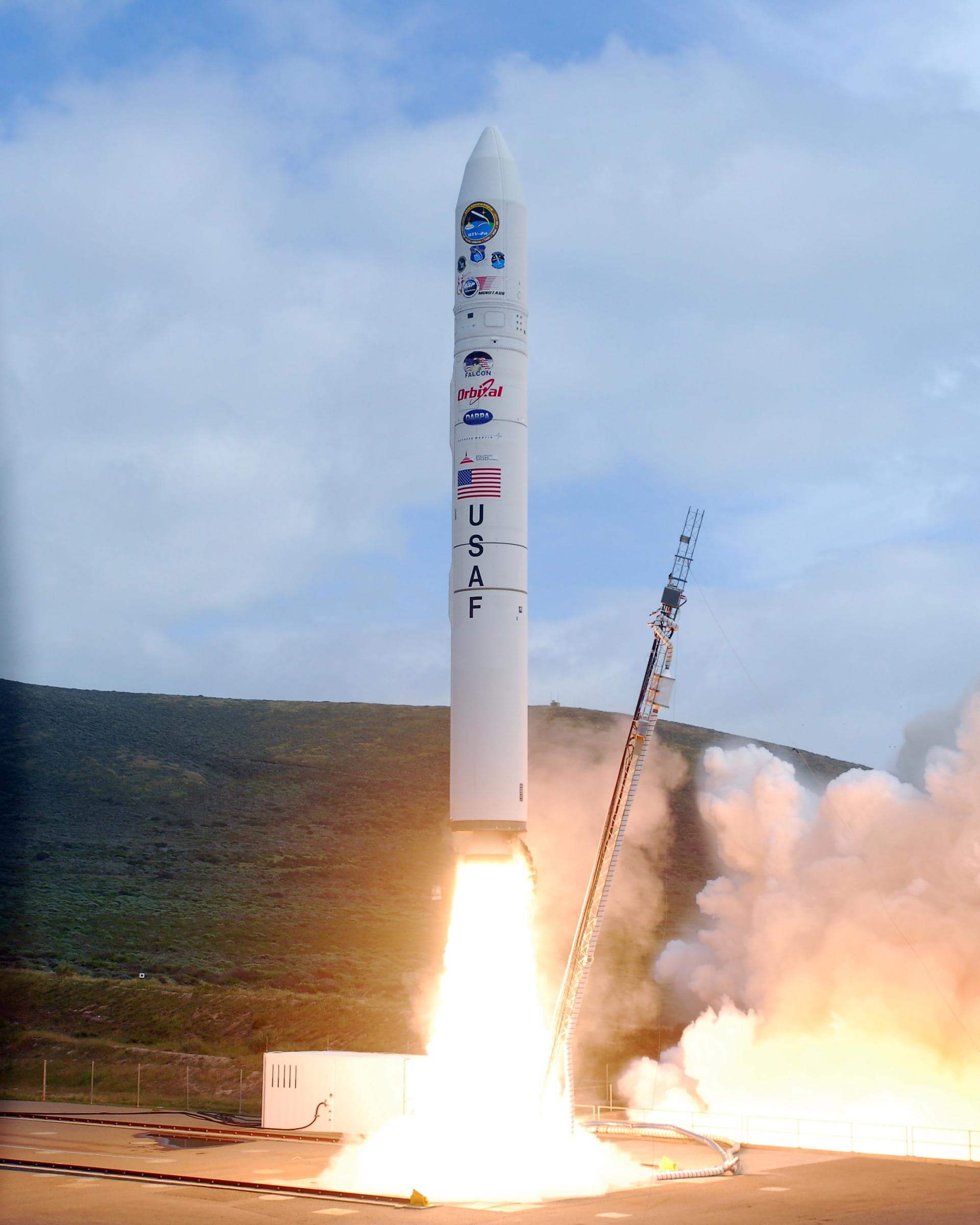
Today's brief covers strategic alignments in U.S. military space operations, a landmark missile defense program, and advances in secure satellite communications.
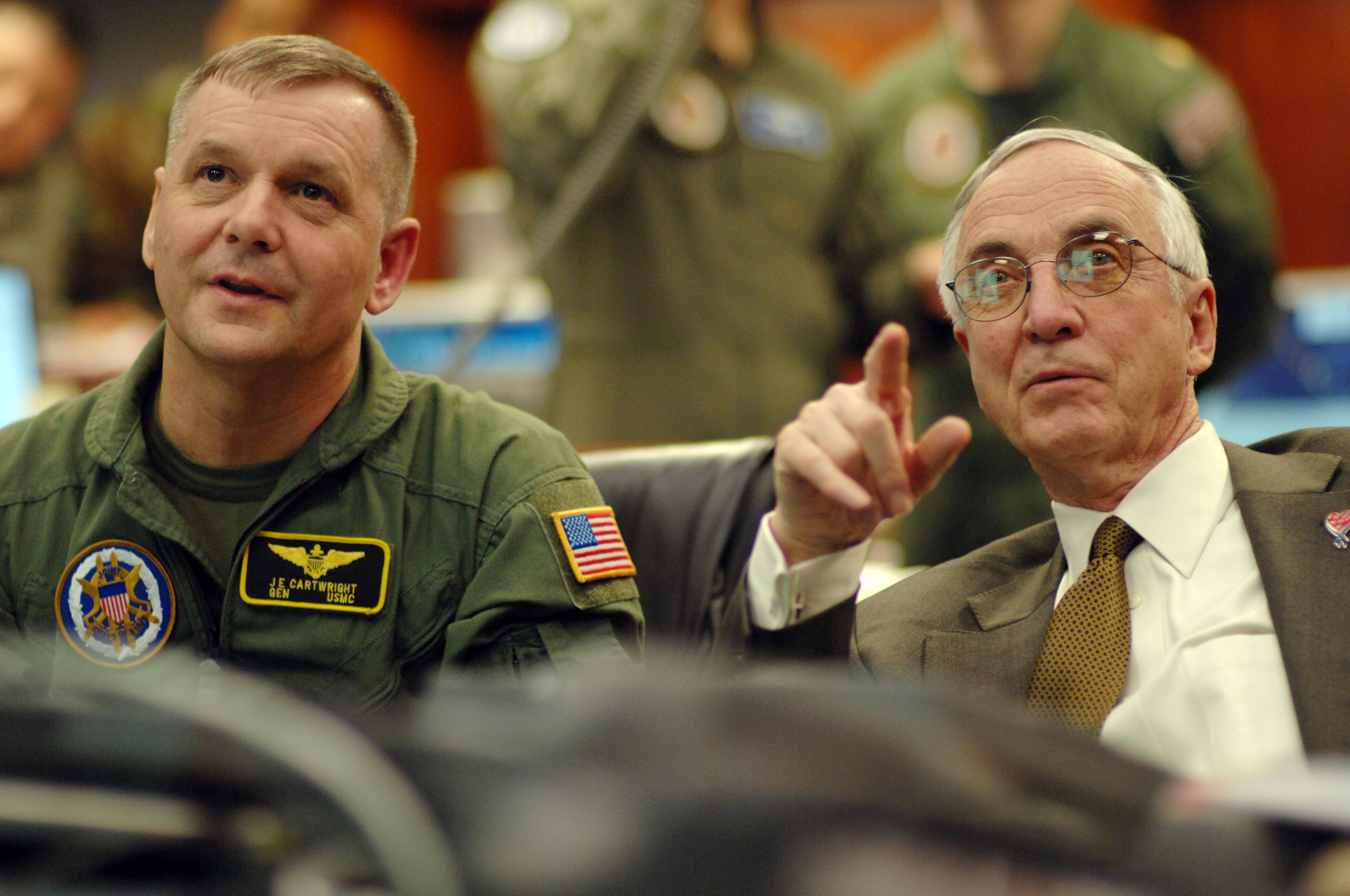
Seventeen years ago, a Navy cruiser in the Pacific fired a missile at a tumbling reconnaissance satellite that had failed within hours of reaching orbit - officially to prevent toxic fuel from reaching the ground, unofficially to prove something far more significant to China and the world

Today's Space Brief highlights the U.S. Air Force's $48 million investment in testing reentry capsules, a Pentagon-backed GPS alternative, and the Space Force's quest for funding autonomy.