


X Report 7 Dec 2024
SpaceX celebrates 300 successful booster landings, further solidifying its dominance in reusable rocket technology.


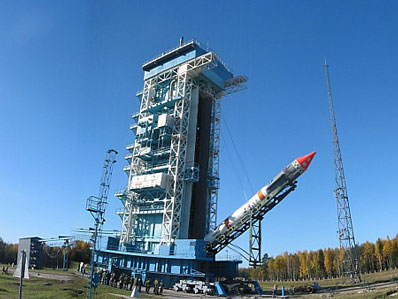
Launch Date
December 15, 1976
Launch Site
PLMSC
Launch Pad
LC132/1
Launch Vehicle
Kosmos 11K65M
NORAD ID
09610
International Designator
1976-122A
Epoch
Mon, 20 Jul 2026 05:34:18 GMT
Apogee
Calculating...
Perigee
Calculating...
Inclination
82.95°
Right Ascension
240.17°
Eccentricity
Calculating...
Argument of Perigee
121.15°
Period
104.62 min
Mean Motion
13.76 rev/day
Latitude
Calculating...
Longitude
Calculating...
Altitude
Calculating...
Velocity
Calculating...
Name
COSMOS 883
Alternative Name
Kosmos-883
Type
Status
Owner
OKB10
Country
USSR
Constellation
N/A
Related Satellites
Major Events
N/A
1 09610U 76122A 26201.23216157 .00000032 00000+0 16462-4 0 9999
2 09610 82.9502 240.1737 0035704 121.1509 239.3158 13.76363129489515
Source: Celestrak
Apologies, there is no summary for this satellite yet. I am working to generate these for every object in the catalog, but it is going to take time.
Length
5
Diameter
2.1
Span
17
Dry Mass
800
Launch Mass
800
Shape
Cyl + Ant
Radar Cross Section
1.7189
Visual Magnitude
Unknown
Color
Unknown
Material Composition
Unknown
Payload
Tsikada No. 11L
Purpose
Navigation
Mission
Navigation
Manufacturer
OKB10
Life Expectancy
1.5 to 2 years
Bus
KAUR-1 11F643
Configuration
KAUR-1
Motor
Unknown
Equipment
Unknown
Power System
Solar cells, batteries
ADCS
Unknown
Transmitter Frequency
Unknown
Learn more about satellites and other related topics.
SpaceX celebrates 300 successful booster landings, further solidifying its dominance in reusable rocket technology.
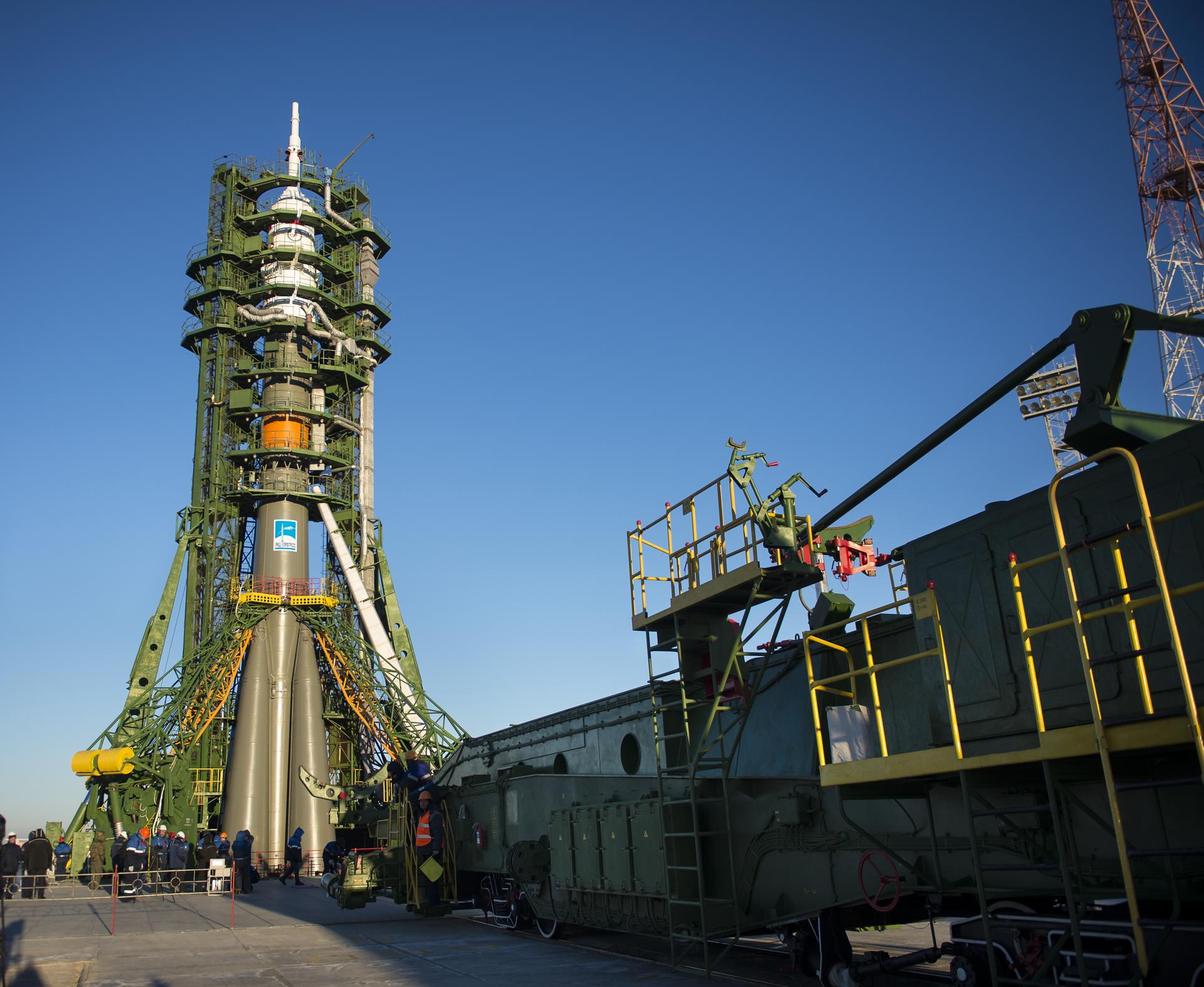
Iran calls Kowsar 1.5 a private-sector farming satellite. Its 3.45-meter camera, its sun-synchronous orbit, and the Russian rocket that carried it point somewhere else entirely.
SpaceX's disk-shaped Starfall reentry vehicle debuts as the constellation hits 10,671 working satellites across low Earth orbit.
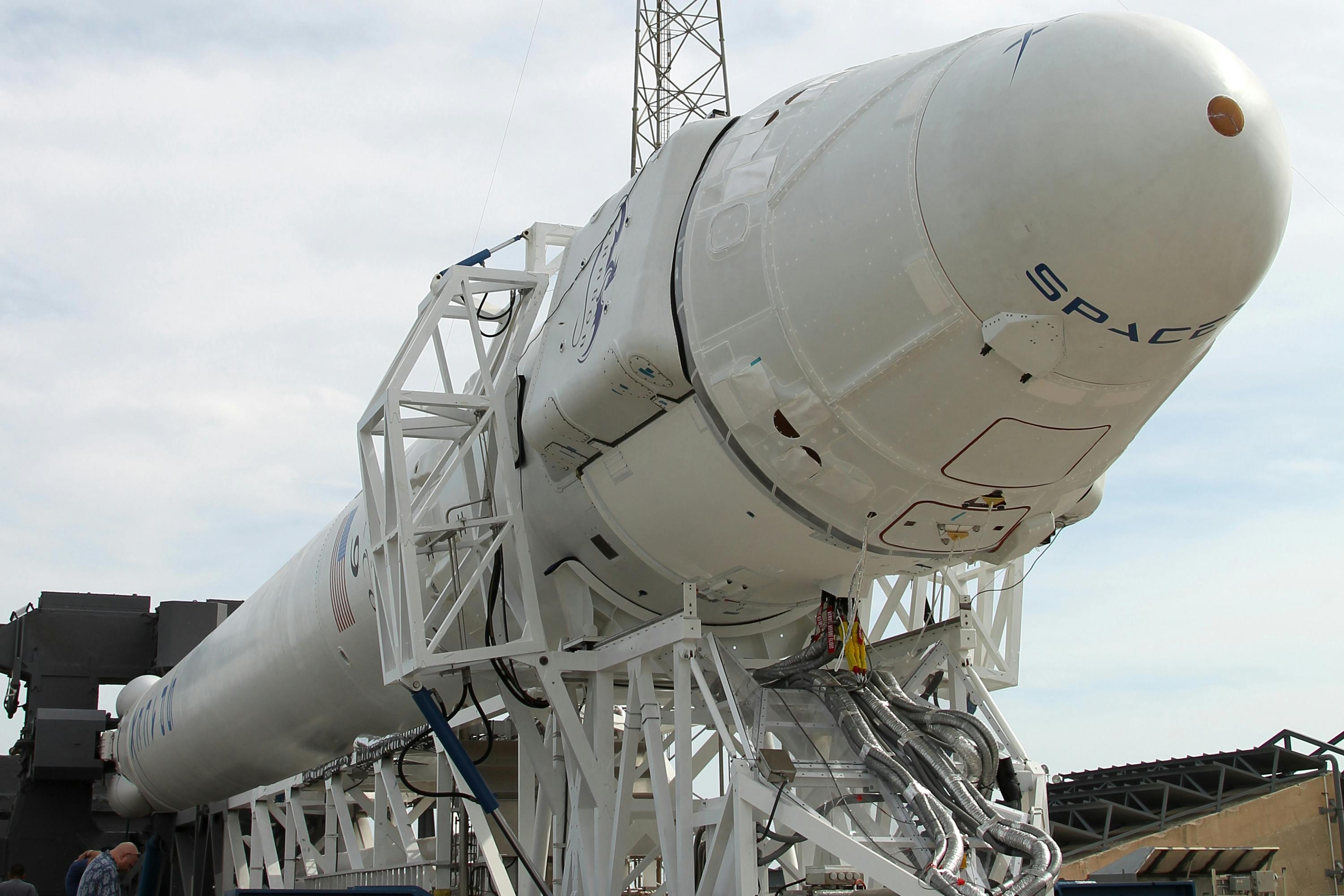
SpaceX launches more Starlink satellites as Starship prepares for full stack testing, amidst Musk's new governmental role.

Today's Space Brief highlights pivotal defense budget evaluations, Lithuania's growing defense connections, the first CubeSat for ESA's Ramses mission, and the one-year milestone of the Aries satellite in orbit.
Today's briefing covers Blue Origin's certification progress, a near-miss between a Chinese spacecraft and a Starlink satellite, SpaceX's latest Starlink launch and booster landing, potential IPO news from SpaceX, and advancements in Starlink integration with Tesla vehicles.

SpaceX wins a $4.16B US Space Force contract for an airborne threat tracking satellite network. Starlink holds 10,413 satellites in orbit, 10,397 working.

Today's briefing covers the U.S. Space Force's substantial investments in commercial satellite services, a strategic military shift, Chinese space station upgrades, and NASA's policy changes.