

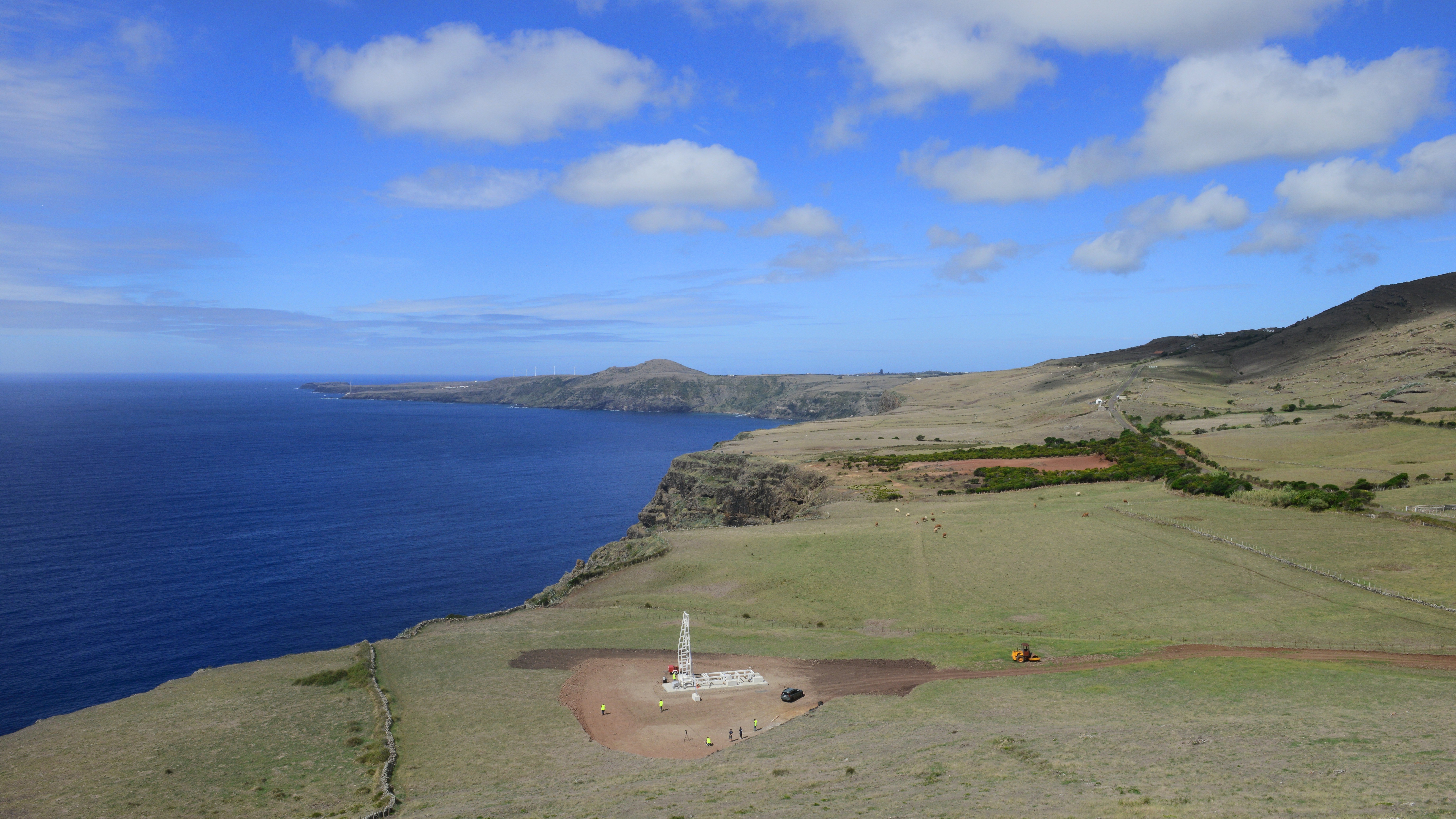
Santa Maria Spaceport (Azores)
Europe's Atlantic outpost enters the launch business. How Portugal's first licensed spaceport in the Azores is preparing for suborbital flights in 2026 and positioning to receive ESA's Space Rider in 2028.


Launch Date
July 22, 1976
Launch Site
PLMSC
Launch Pad
Unknown
Launch Vehicle
Unknown
NORAD ID
09357
International Designator
N/A
Decay Date
8/13/1976
Name
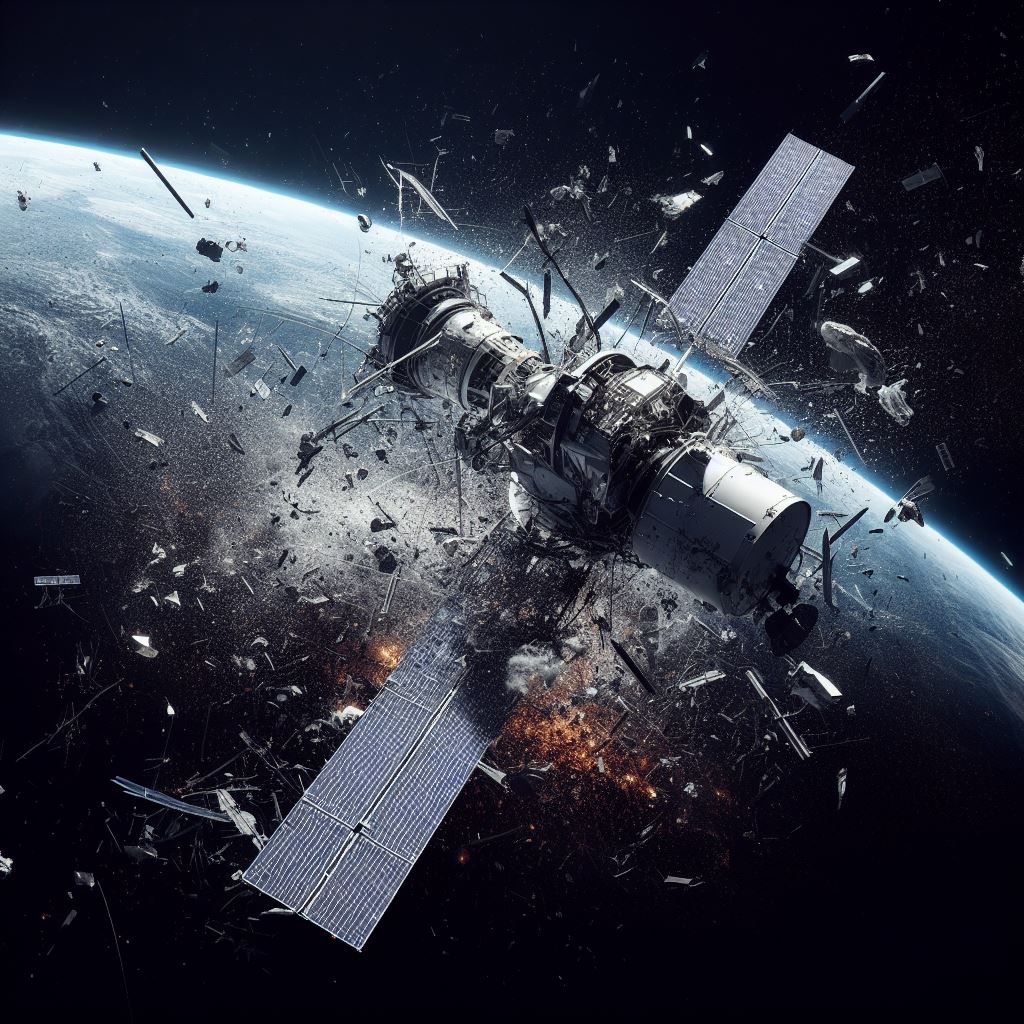
COSMOS 844 DEB
Alternative Name
deb Kosmos-844
Type
Status
Owner
TSSKB
Country
USSR
Constellation
N/A
Related Satellites
Major Events
N/A
Length
0
Diameter
0
Span
0
Dry Mass
0
Launch Mass
0
Shape
N/A
Radar Cross Section
Unknown
Visual Magnitude
Unknown
Color
Unknown
Material Composition
Unknown
Payload
Unknown
Purpose
Unknown
Mission
Unknown
Manufacturer
Unknown
Life Expectancy
Unknown
Bus
Unknown
Configuration
Unknown
Motor
Unknown
Equipment
Unknown
Power System
Unknown
ADCS
Unknown
Transmitter Frequency
Unknown
Learn more about satellites and other related topics.
Europe's Atlantic outpost enters the launch business. How Portugal's first licensed spaceport in the Azores is preparing for suborbital flights in 2026 and positioning to receive ESA's Space Rider in 2028.
Object 55056 rode a SpaceX rideshare into orbit carrying more than customer satellites. It carried the survival of Momentus, a company that had already lost its founder to a national security review, settled SEC fraud charges, and watched its first space tug die in orbit.
SpaceX gears up for major Starlink launch, while Starship developments continue to shape commercial spacefrontiers.
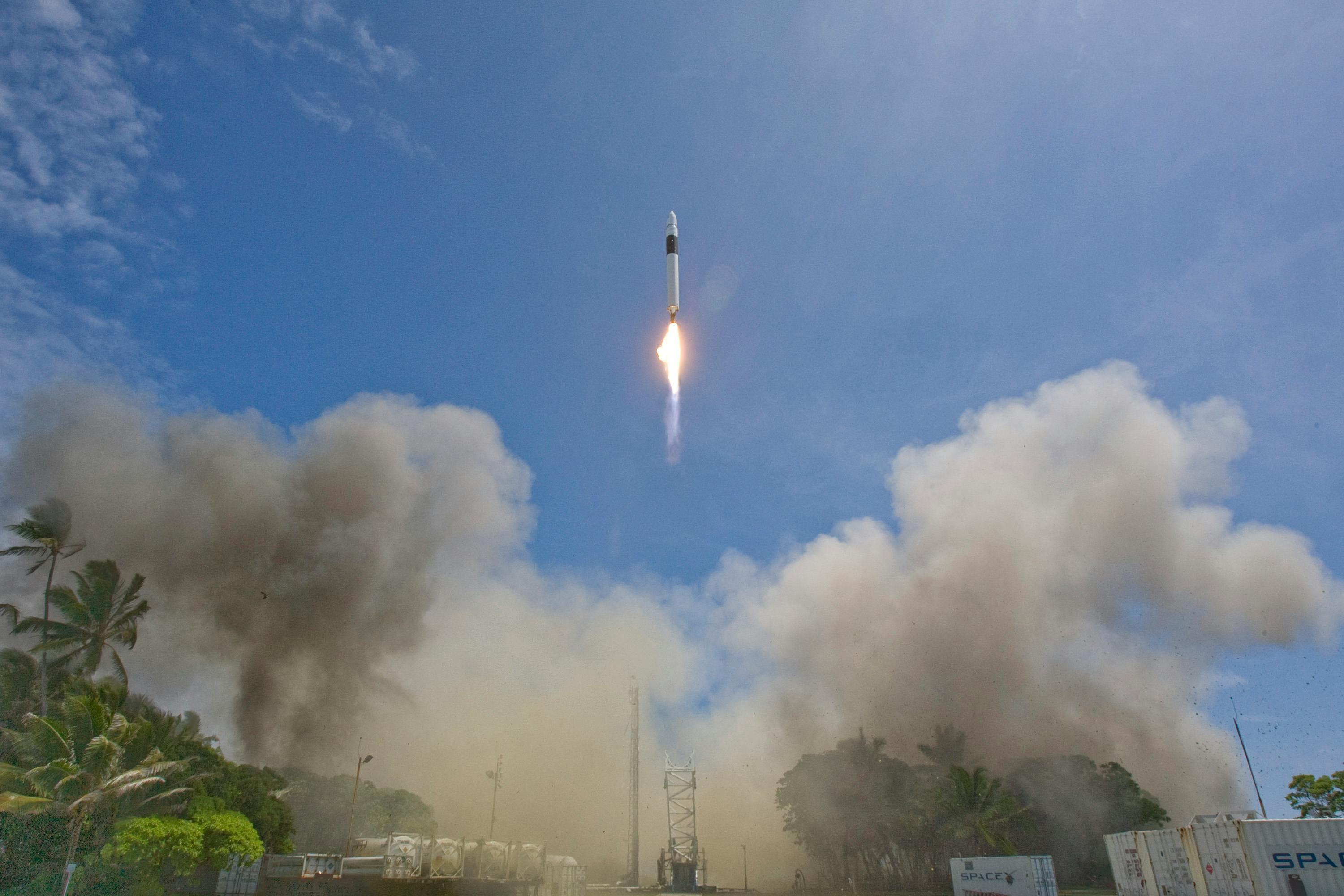
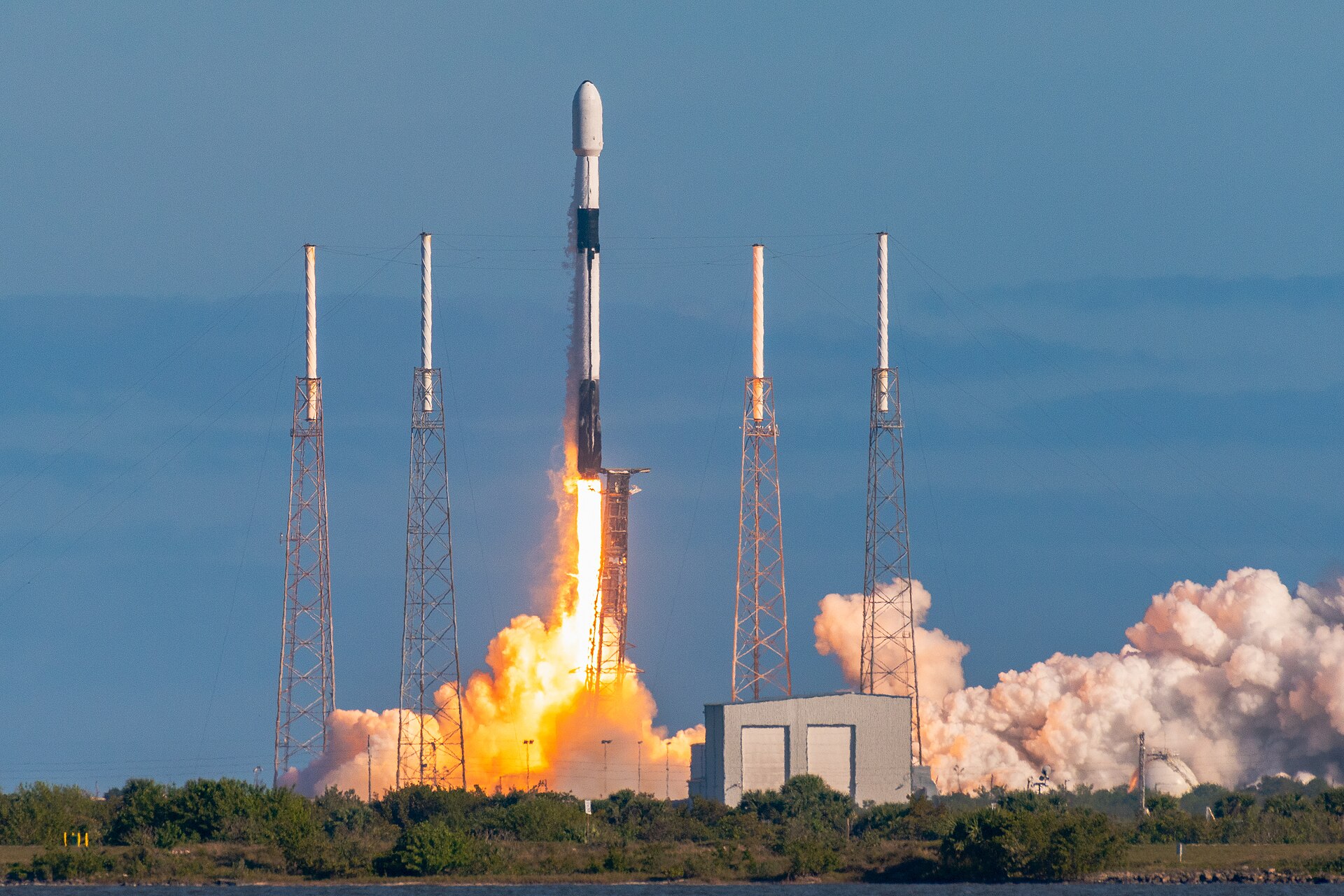
SpaceX successfully launched 29 Starlink satellites, marking the start of a busy month for their satellite deployment efforts. The mission is part of an ongoing expansion of their broadband internet constellation.
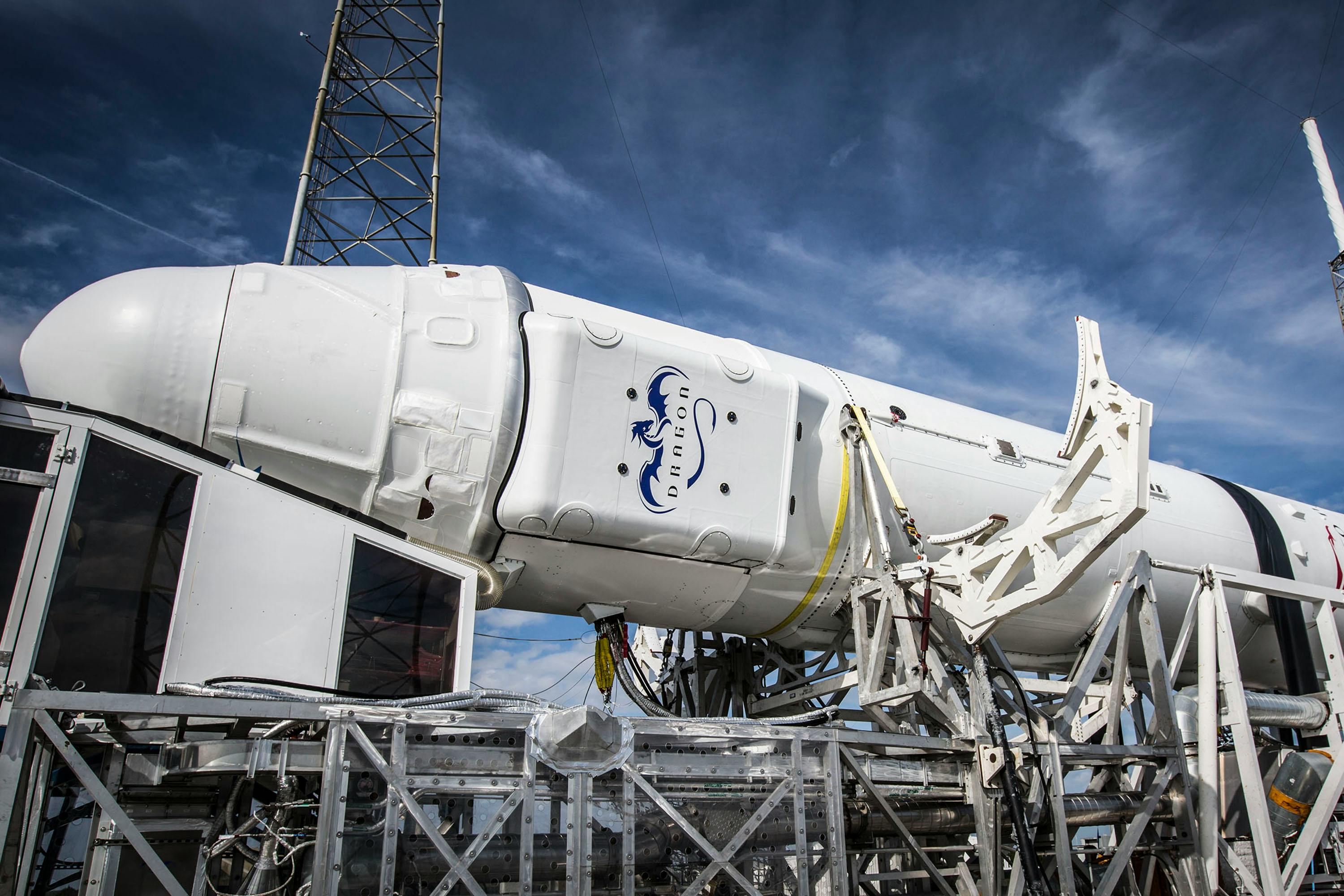
SpaceX successfully launched another batch of Starlink satellites and received approval for a new Starship launch site, while facing challenges with crew assignments on upcoming missions.

SpaceX claims a 2nd GPS III launch as ULA's Vulcan investigation stalls, while ESA charters a Crew Dragon ISS mission and Starlink hits 30 launches in 2026.
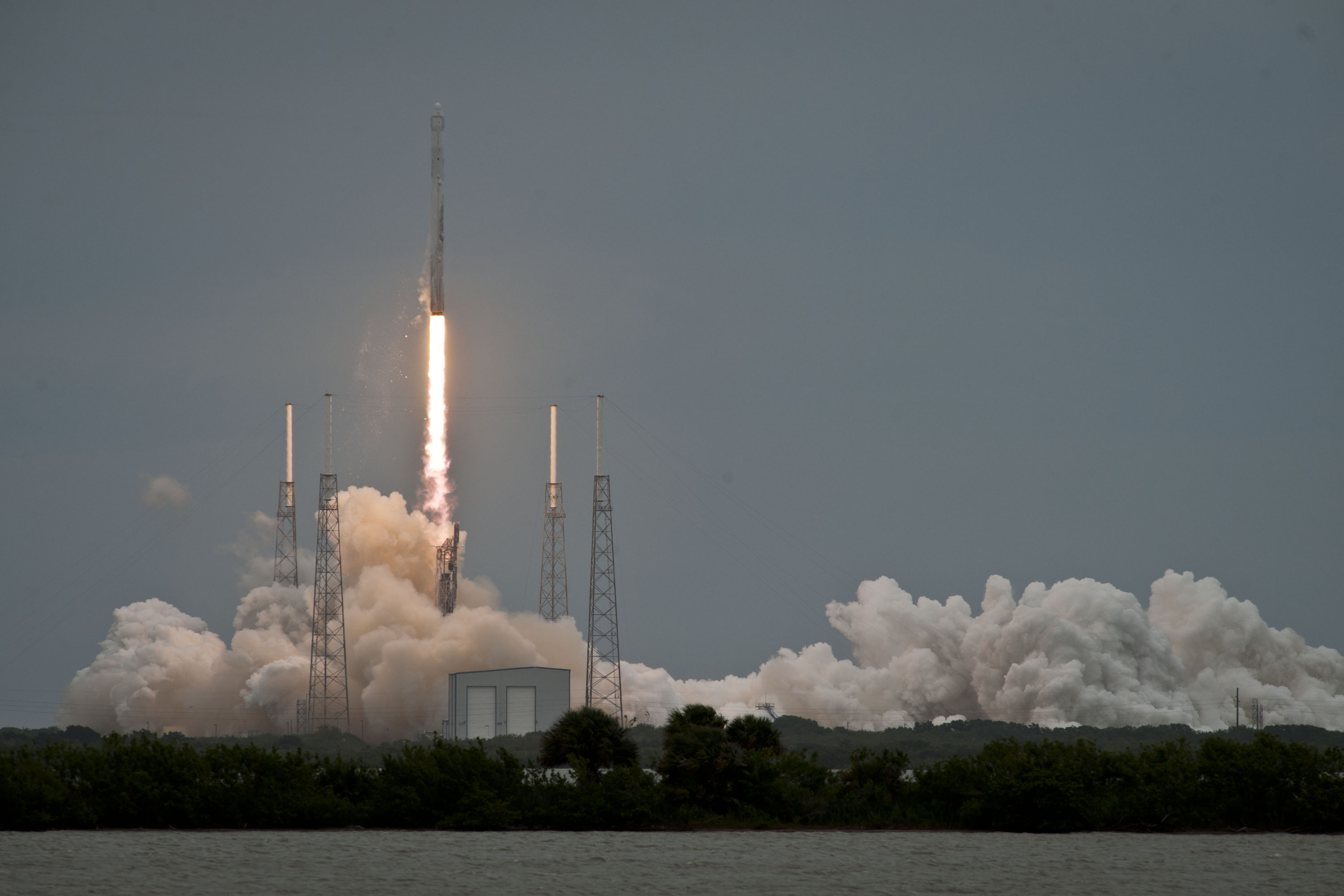
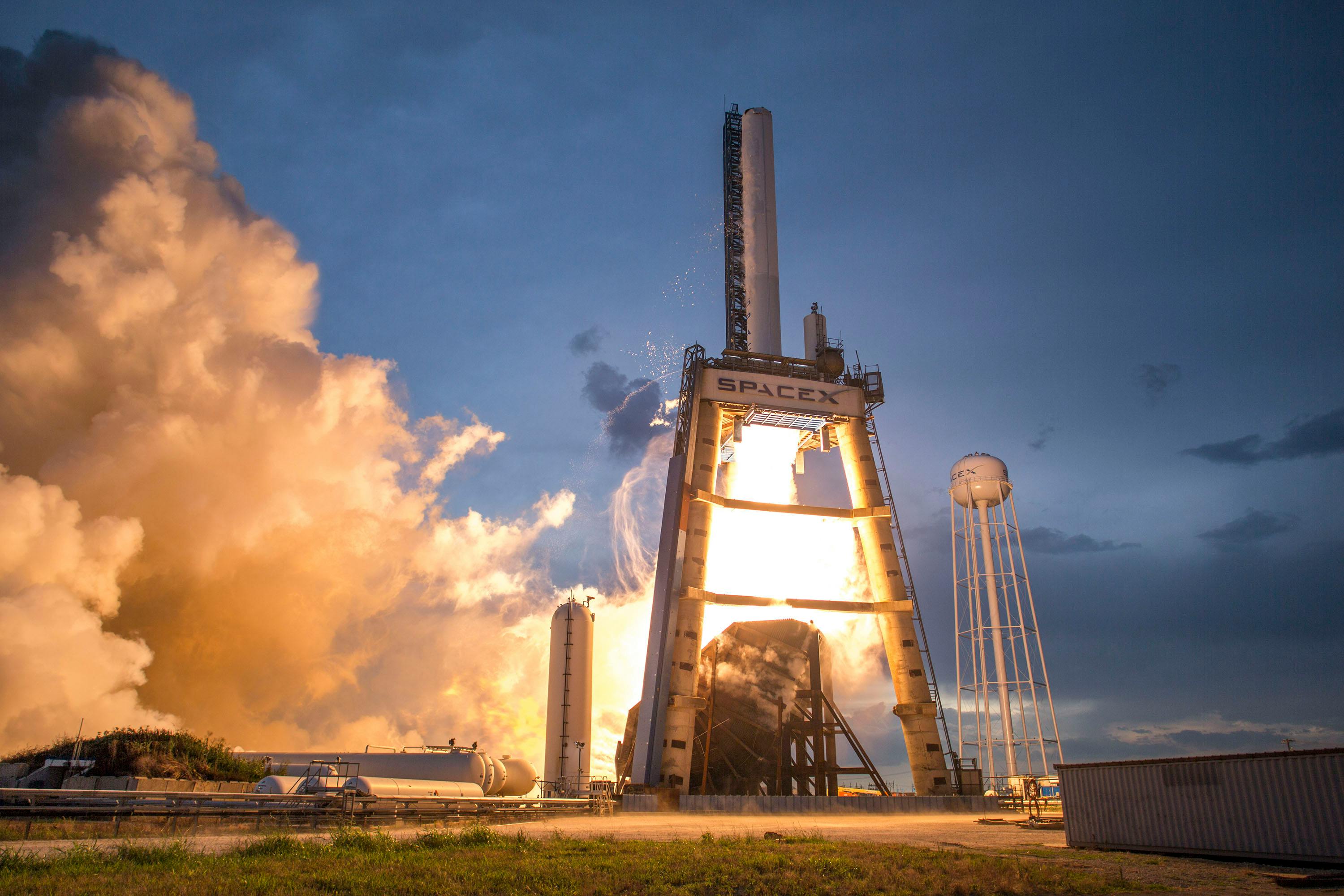
On April 18, 2014, a Falcon 9 first stage did something no orbital rocket had ever done before. It fired its engines on the way down, steered itself through the atmosphere using grid fins that did not yet exist, and touched the Atlantic Ocean softly enough to survive the impact. Nobody recovered it. The data was the whole point.
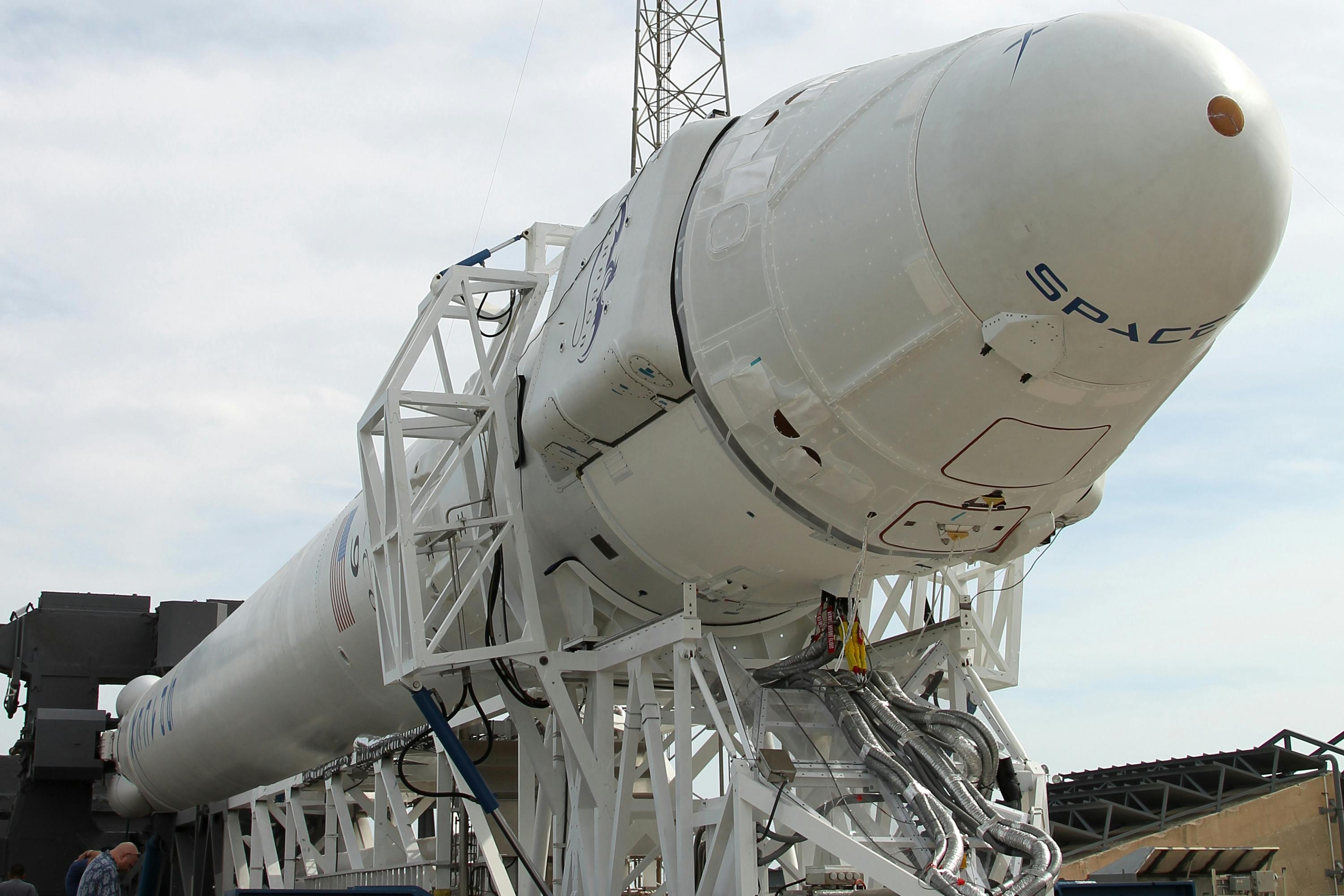
A week of highs and lows for SpaceX, including weather-related delays and a return to Falcon launches.