

Space Brief 27 Mar 2025
Today's highlights include the certification of ULA's Vulcan rocket for national security missions, developments in nuclear timekeeping for GPS systems, and updates on the Space Force's new warfighting framework.


Launch Date
May 26, 1976
Launch Site
PLMSC
Launch Pad
LC43/3
Launch Vehicle
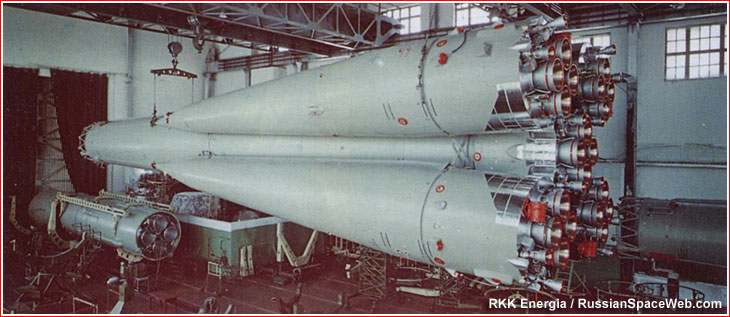
Voskhod 11A57
NORAD ID
08862
International Designator
1976-048A
Decay Date
6/8/1976
Name
COSMOS 821
Alternative Name
Kosmos-821
Type
Status
Owner
GUKOSR
Country
USSR
Constellation
N/A
Related Satellites
Major Events
N/A
Apologies, there is no summary for this satellite yet. I am working to generate these for every object in the catalog, but it is going to take time.
Length
6
Diameter
2.2
Span
6
Dry Mass
2310
Launch Mass
2310
Shape
Sphere + DCone
Radar Cross Section
Unknown
Visual Magnitude
Unknown
Color
Unknown
Material Composition
Unknown
Payload
Germes No. 59L
Purpose
Unknown
Mission
Unknown
Manufacturer
TSSKB
Life Expectancy
Unknown
Bus
Zenit-4MK
Configuration
Unknown
Motor
Unknown
Equipment
Unknown
Power System
Unknown
ADCS
Unknown
Transmitter Frequency
Unknown
Learn more about satellites and other related topics.
Today's highlights include the certification of ULA's Vulcan rocket for national security missions, developments in nuclear timekeeping for GPS systems, and updates on the Space Force's new warfighting framework.
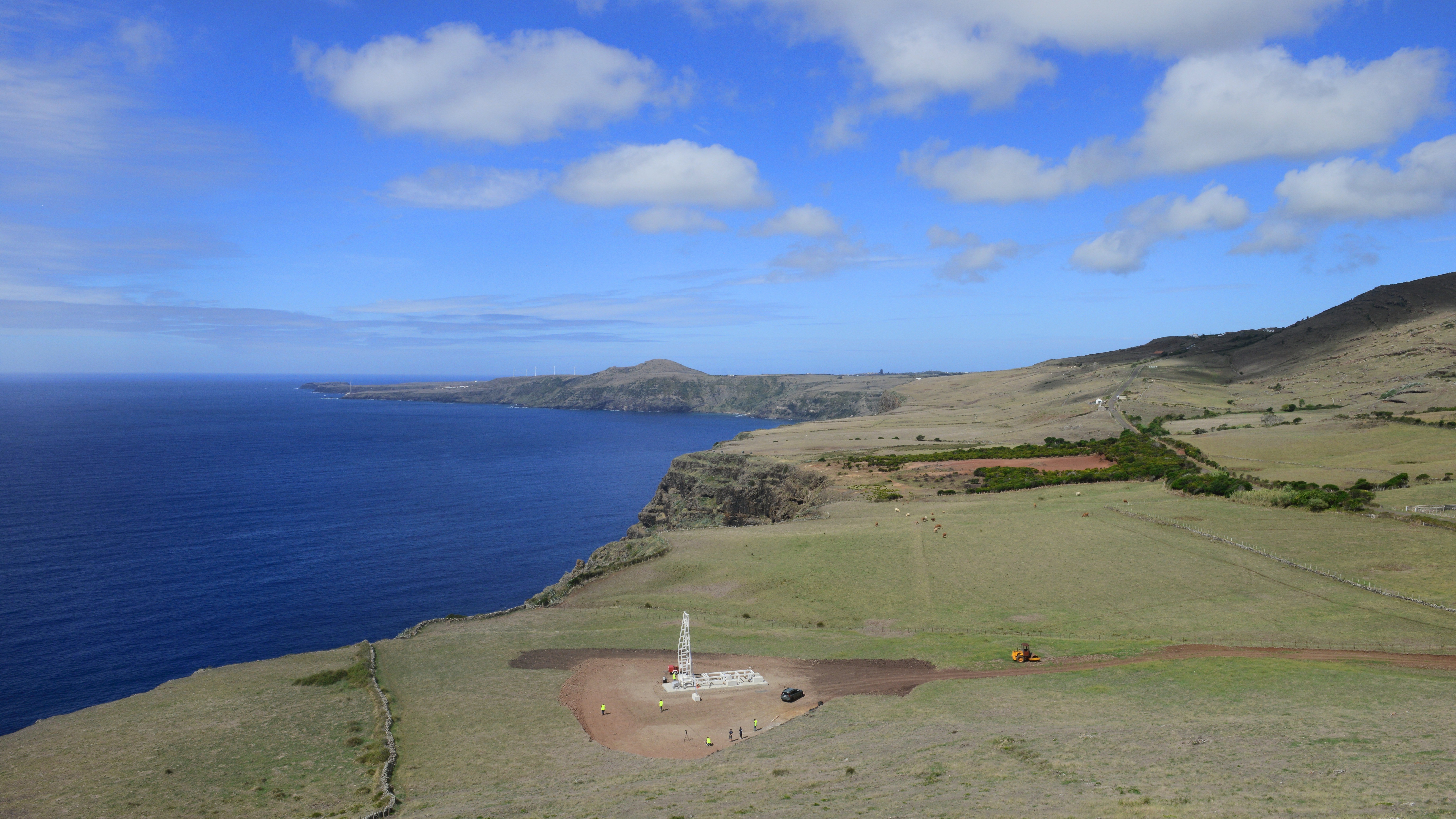
Europe's Atlantic outpost enters the launch business. How Portugal's first licensed spaceport in the Azores is preparing for suborbital flights in 2026 and positioning to receive ESA's Space Rider in 2028.
NASA's SLS and Orion spacecraft rolled back to Launch Complex 39B, targeting April 1 for first crewed lunar flyby with four astronauts aboard.
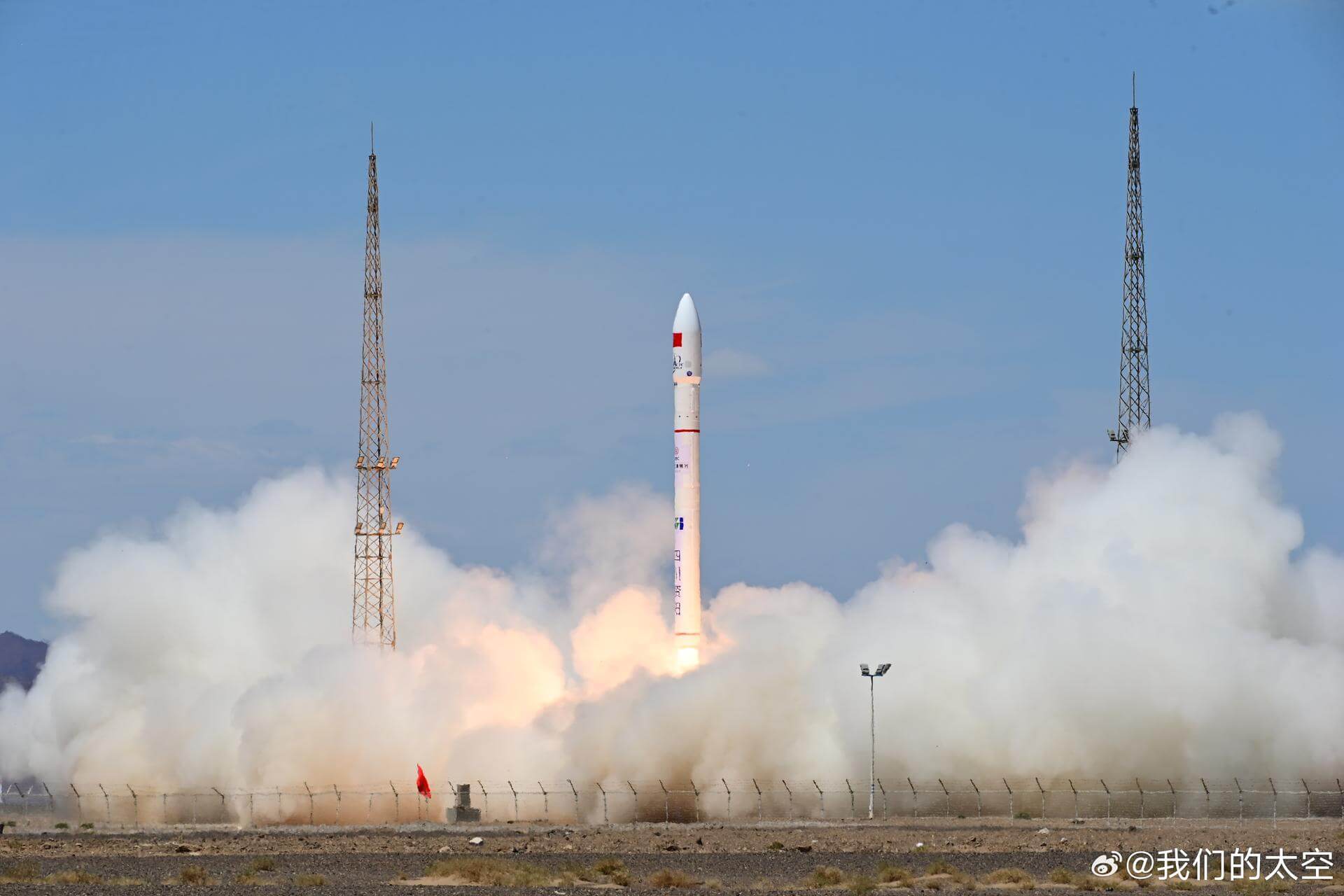
Today's brief covers a historic milestone for China's space program, the decoding of a simulated alien signal, innovative solutions to address satellite air pollution, and industry shifts driven by major investments and contracts.

SpaceX achieves significant milestones with the launch of 28 Starlink satellites and the final landing of the LZ-1 pad, marking key moments in their ongoing mission to expand satellite connectivity.

SpaceX continues to push forward with its ambitious plans as the FAA investigates Starship debris reports, while Starlink maintains robust satellite operations.
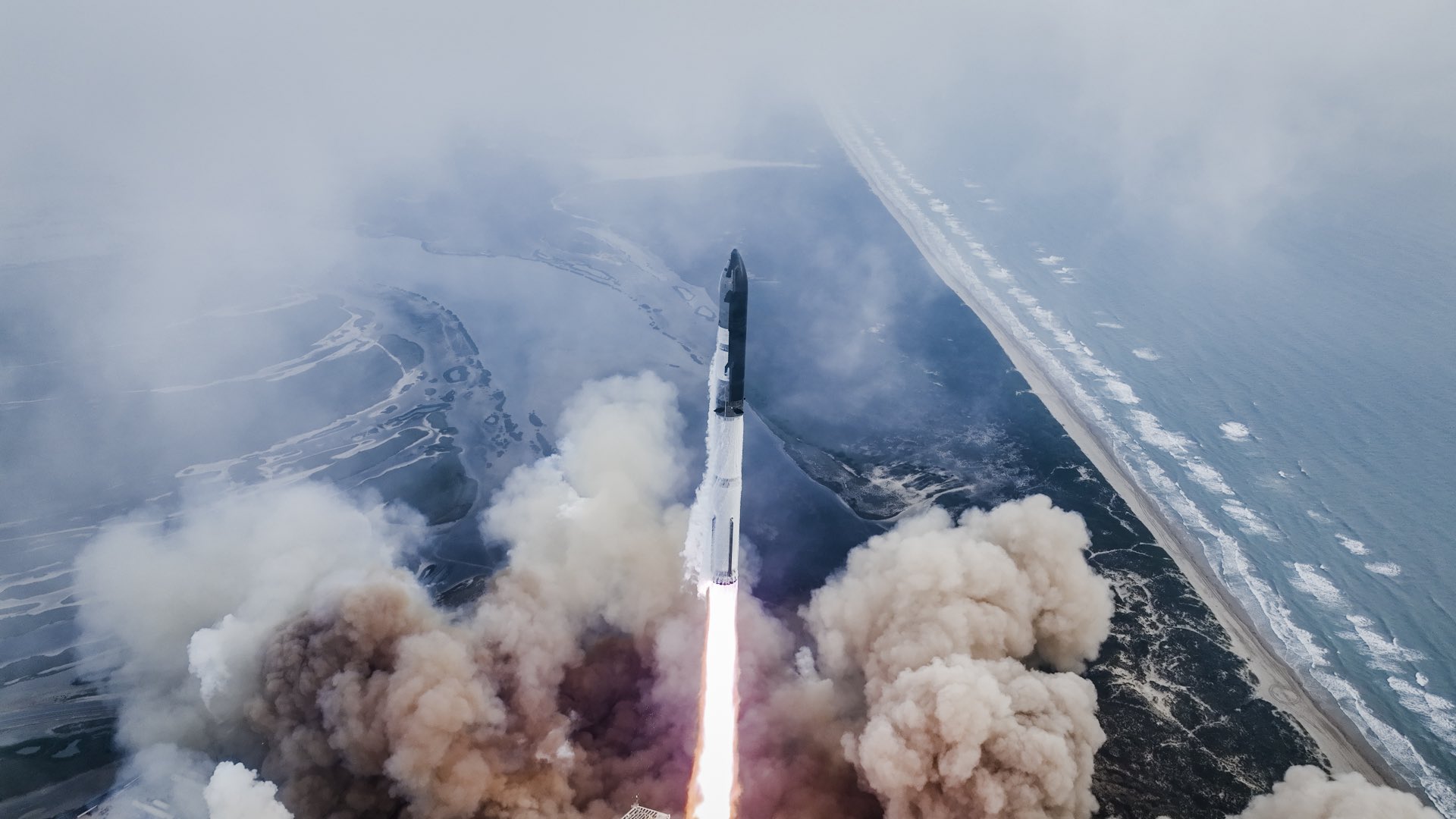
Today's edition covers China's latest launches in their classified satellite programs, ongoing discussions in the U.S. Senate on missile defense, and the ever-escalating space debris crisis threatening national security.
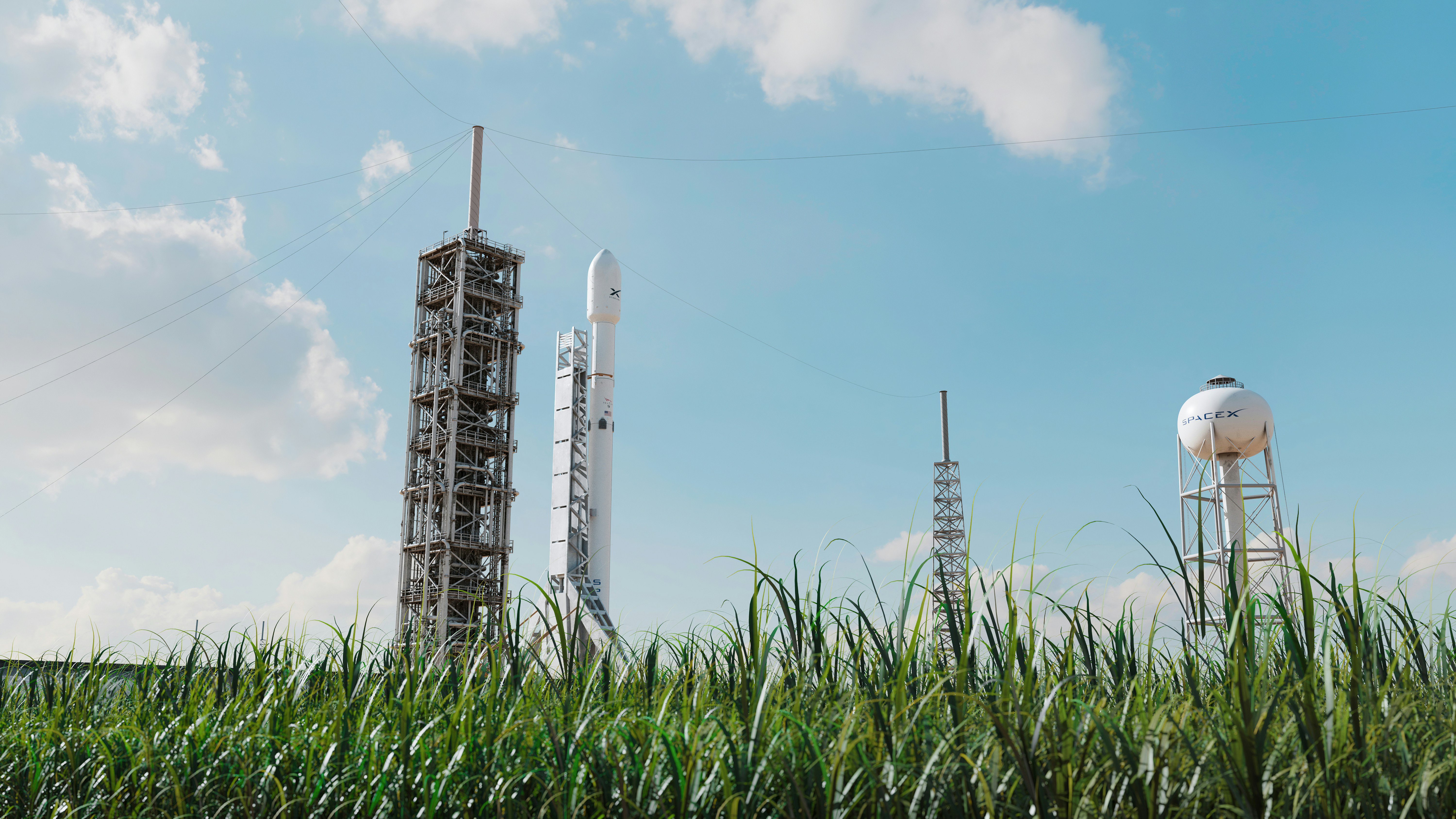
Falcon 9 booster reuse record: SpaceX's most-flown booster flew a 33rd flight Feb 21 with 28 Starlink V2 Minis. Two launches in a day; 9,779 on orbit.