

Space Brief 12 Jul 2025
Today's focus spans from major military training initiatives in orbit to key updates on drone policies and crucial satellite launches.



Launch Date
March 18, 1976
Launch Site
Launch Pad
LC31
Launch Vehicle
Soyuz-U
NORAD ID
08761
International Designator
1976-025D
Decay Date
3/19/1976
Name
SL-4 DEB
Alternative Name
Sensor cover
Type
Status
Owner
GUKOSR
Country
USSR
Constellation
N/A
Related Satellites
Major Events
N/A
Length
0
Diameter
0
Span
0
Dry Mass
0
Launch Mass
0
Shape
N/A
Radar Cross Section
Unknown
Visual Magnitude
Unknown
Color
Unknown
Material Composition
Unknown
Payload
Zenit-2M sensor cover
Purpose
Unknown
Mission
Unknown
Manufacturer
TSSKB
Life Expectancy
Unknown
Bus
Zenit deb
Configuration
Unknown
Motor
Unknown
Equipment
Unknown
Power System
Unknown
ADCS
Unknown
Transmitter Frequency
Unknown
Learn more about satellites and other related topics.
Today's focus spans from major military training initiatives in orbit to key updates on drone policies and crucial satellite launches.

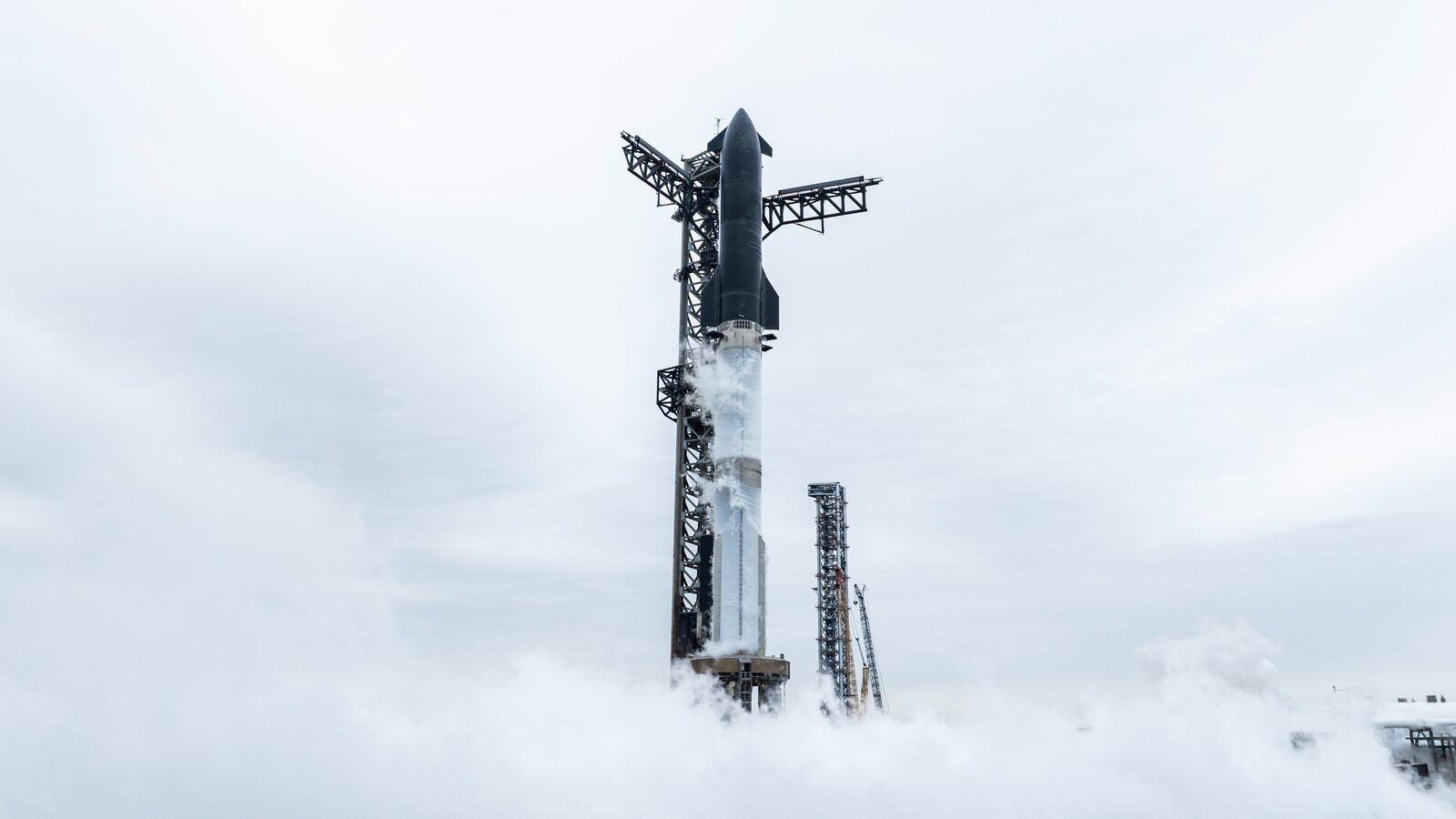
A fatality at SpaceX's Starbase shakes the program as Starship V3, standing 124 m tall with Raptor 3 engines, nears its maiden flight.

Today's brief covers potential roles for commercial satellites in missile defense, SpaceX's new launch site plans at Vandenberg, and partnerships for space nuclear propulsion. Discover updates on military space projects and international defense agreements.

Today's brief highlights a landmark cooperation between NASA and China to prevent satellite collision, strategic steps in American space leadership through nuclear energy, a U.S. military missile test, and more.
L3Harris and Sierra Space awarded $1.75 billion to build 36 missile-tracking satellites for SDA's Tracking Layer constellation. Hypersonic and ballistic missile detection from low Earth orbit.

SpaceX launches Crew-12 to ISS and lands Falcon 9 booster at new LZ-40 pad for the first time. xAI restructures $18B in debt ahead of possible IPO. 6,000 Starlink terminals smuggled into Iran.

Space Force selects 14 companies for $1.8 billion Andromeda program to replace GSSAP geosynchronous surveillance satellites with commercial alternatives through 2036.
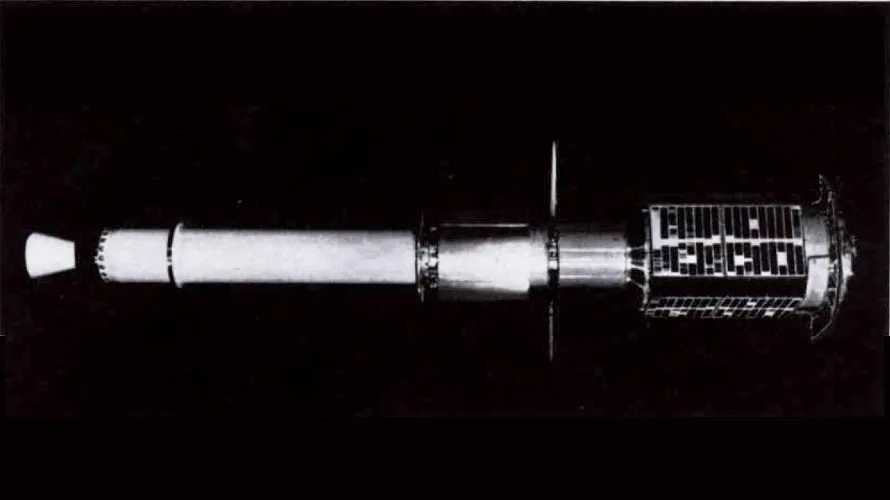
On April 27, 1961, a Scout rocket lifted a 37-kilogram NASA satellite into orbit from Wallops Island carrying the first serious instrument for detecting cosmic gamma rays. Explorer 11 operated for seven months before its tape recorder failed. In that time it registered 22 gamma-ray photons - a pitiful number by modern standards, but enough to launch an entire branch of astronomy.