

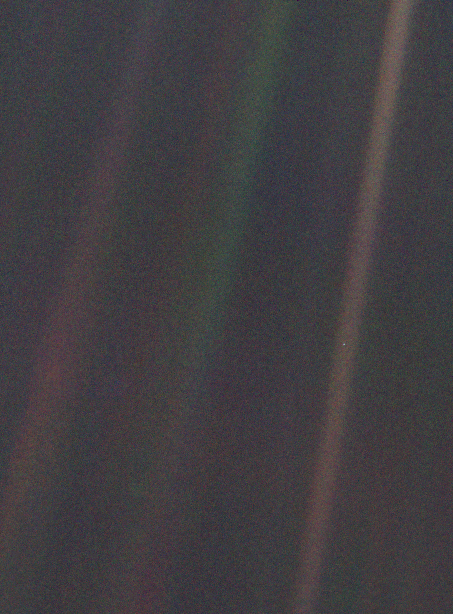
The Day Earth Became a Pale Blue Dot
Thirty-five years ago, Voyager 1 captured a revolutionary series of images from the edge of our solar system, forever changing how humanity sees its place in the cosmos


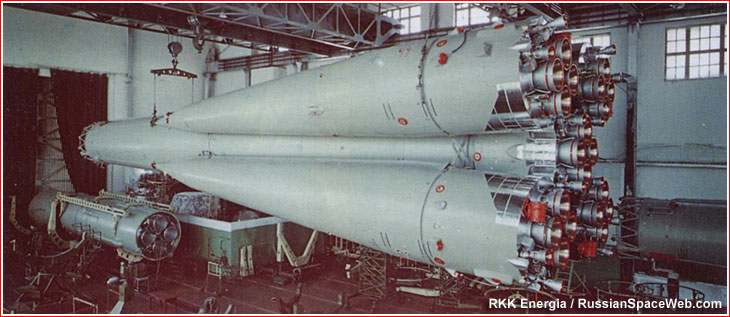
Launch Date
December 16, 1975
Launch Site
Launch Pad
LC31
Launch Vehicle
Voskhod 11A57
NORAD ID
08489
International Designator
1975-120A
Decay Date
12/29/1975
Name
COSMOS 786
Alternative Name
Kosmos-786
Type
Status
Owner
GUKOSR
Country
USSR
Constellation
N/A
Related Satellites
Major Events
N/A
Apologies, there is no summary for this satellite yet. I am working to generate these for every object in the catalog, but it is going to take time.
Length
6
Diameter
2.2
Span
6
Dry Mass
2310
Launch Mass
2310
Shape
Sphere + DCone
Radar Cross Section
Unknown
Visual Magnitude
Unknown
Color
Unknown
Material Composition
Unknown
Payload
Germes No. 52L
Purpose
Unknown
Mission
Unknown
Manufacturer
TSSKB
Life Expectancy
Unknown
Bus
Zenit-4MK
Configuration
Unknown
Motor
Unknown
Equipment
Unknown
Power System
Unknown
ADCS
Unknown
Transmitter Frequency
Unknown
Learn more about satellites and other related topics.
Thirty-five years ago, Voyager 1 captured a revolutionary series of images from the edge of our solar system, forever changing how humanity sees its place in the cosmos

SpaceX faces weather challenges as it scrubs the launch of its 3,000th Starlink satellite. Meanwhile, Elon Musk discusses advancing to a Type II civilization in an engaging social media post.
SpaceX has adapted Pad 1 for Ship Static Fire tests while addressing the recent downtime at Massey’s, showcasing its commitment to maintaining launch schedules despite setbacks.
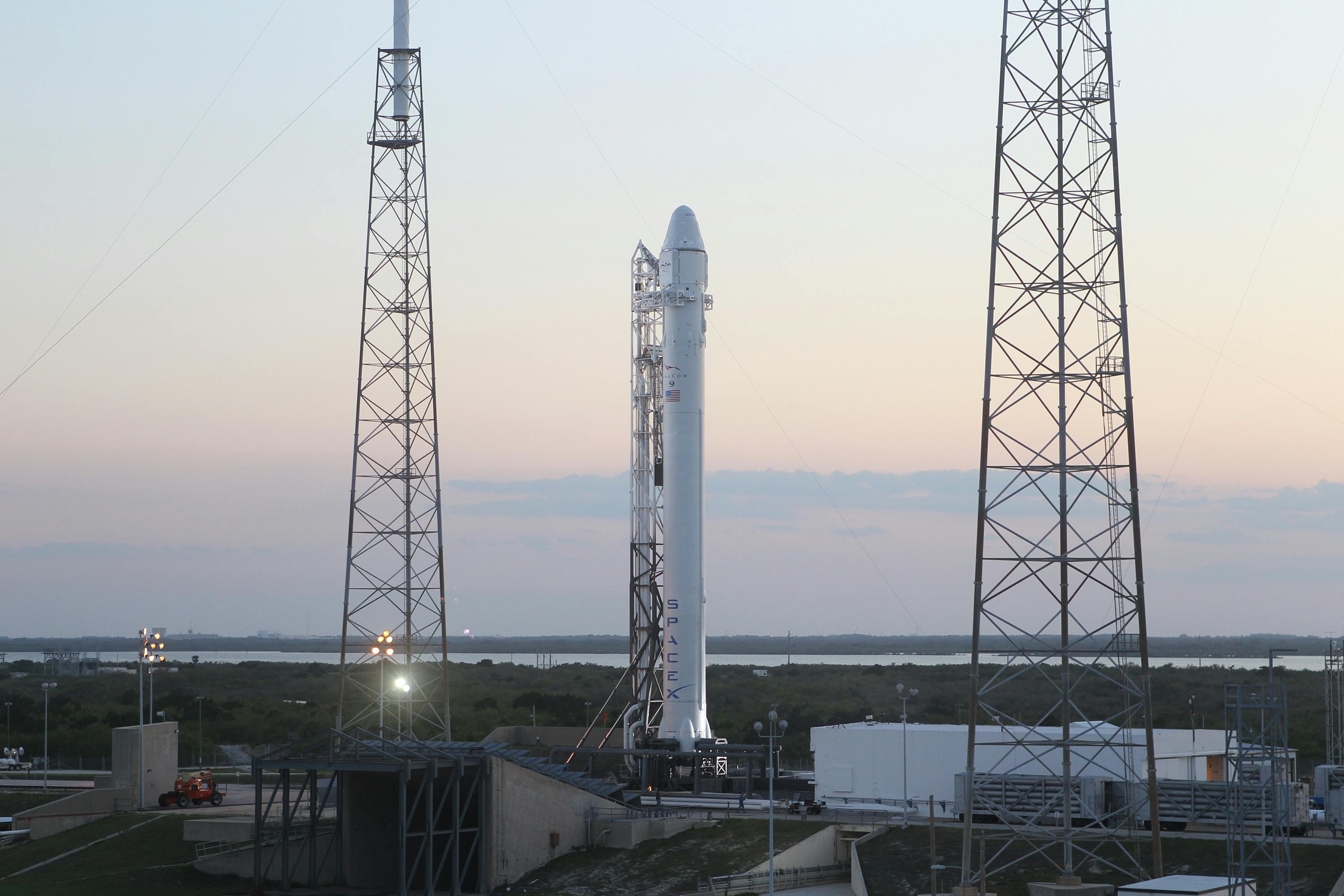
SpaceX continues to expand its Starlink network with multiple launches and gains momentum in international markets, while revisiting launch tariffs and new regulations.
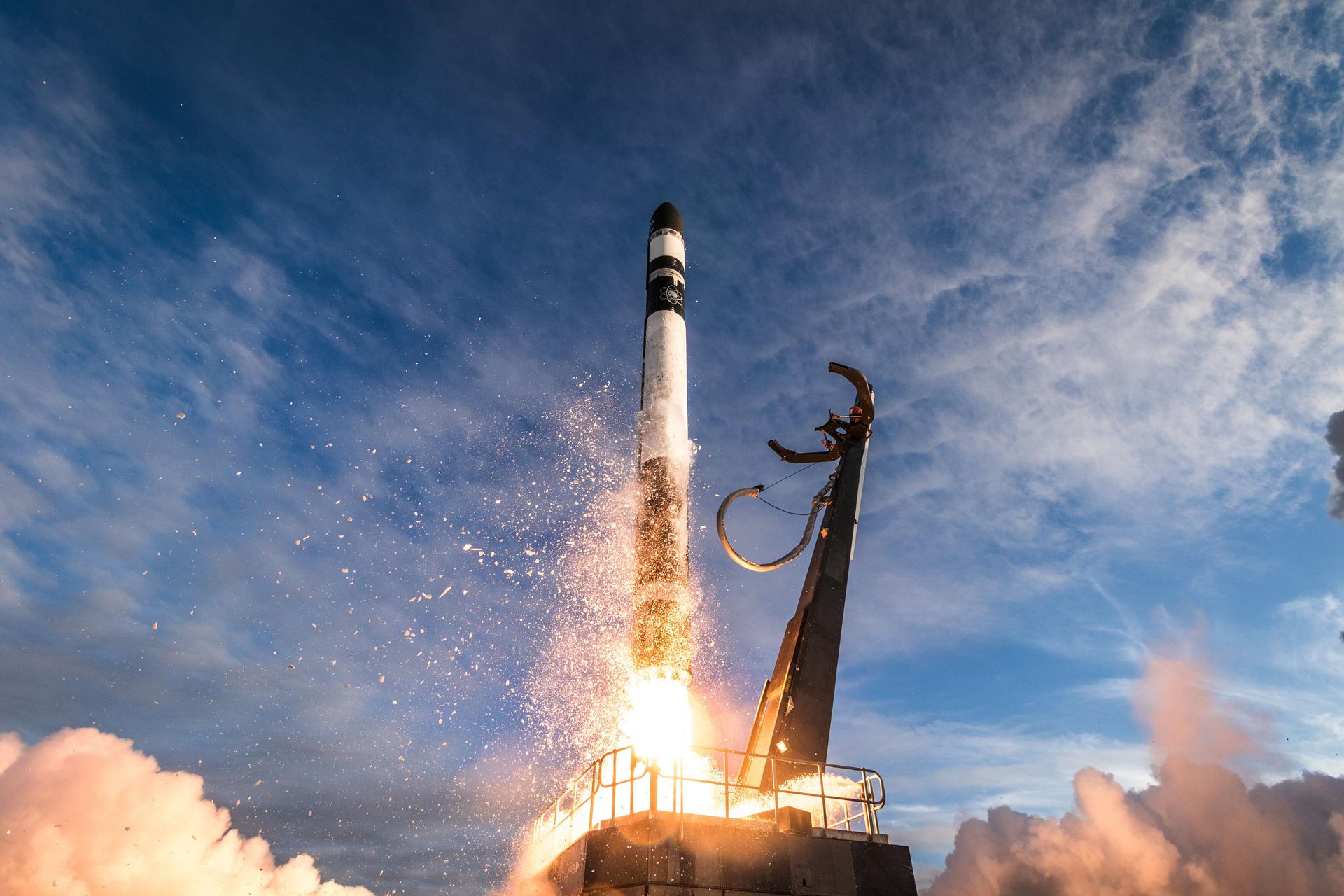
ULA Vulcan faces scrutiny after solid booster anomaly on USSF-87 mission. ThinKom wins portable satellite ground station contract. Space Force starts Project Hecate for GPS past 2040.
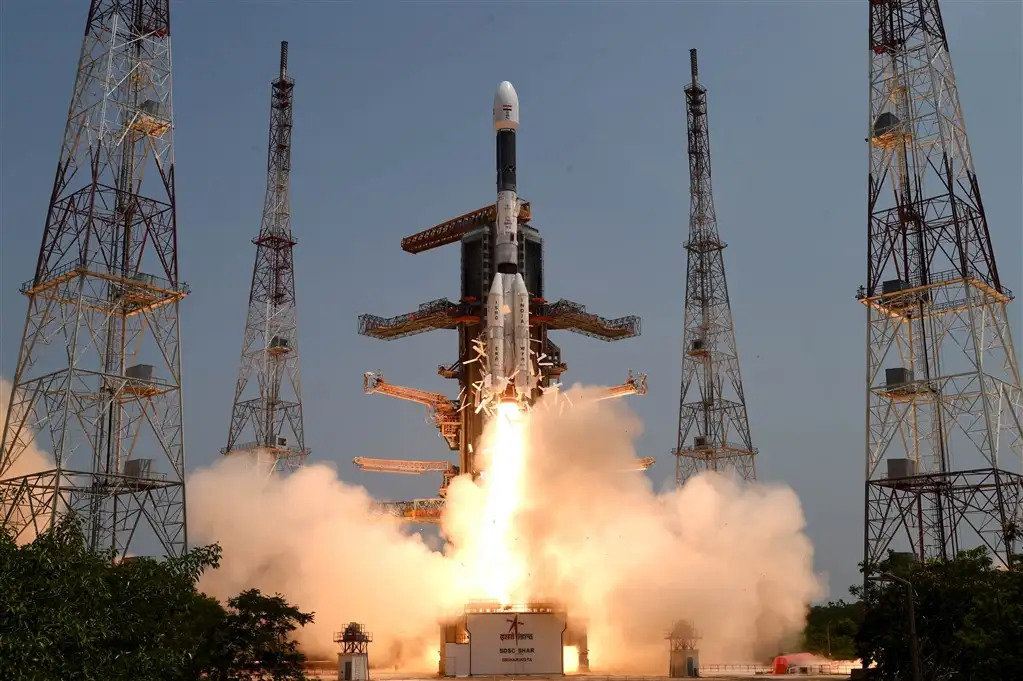
Focus on Varda's second mission launch, new U.S. Defense Department tool for satellite anomaly investigation, and a detailed Satellite Spotlight on CELESTIS 21/Varisat 1C.
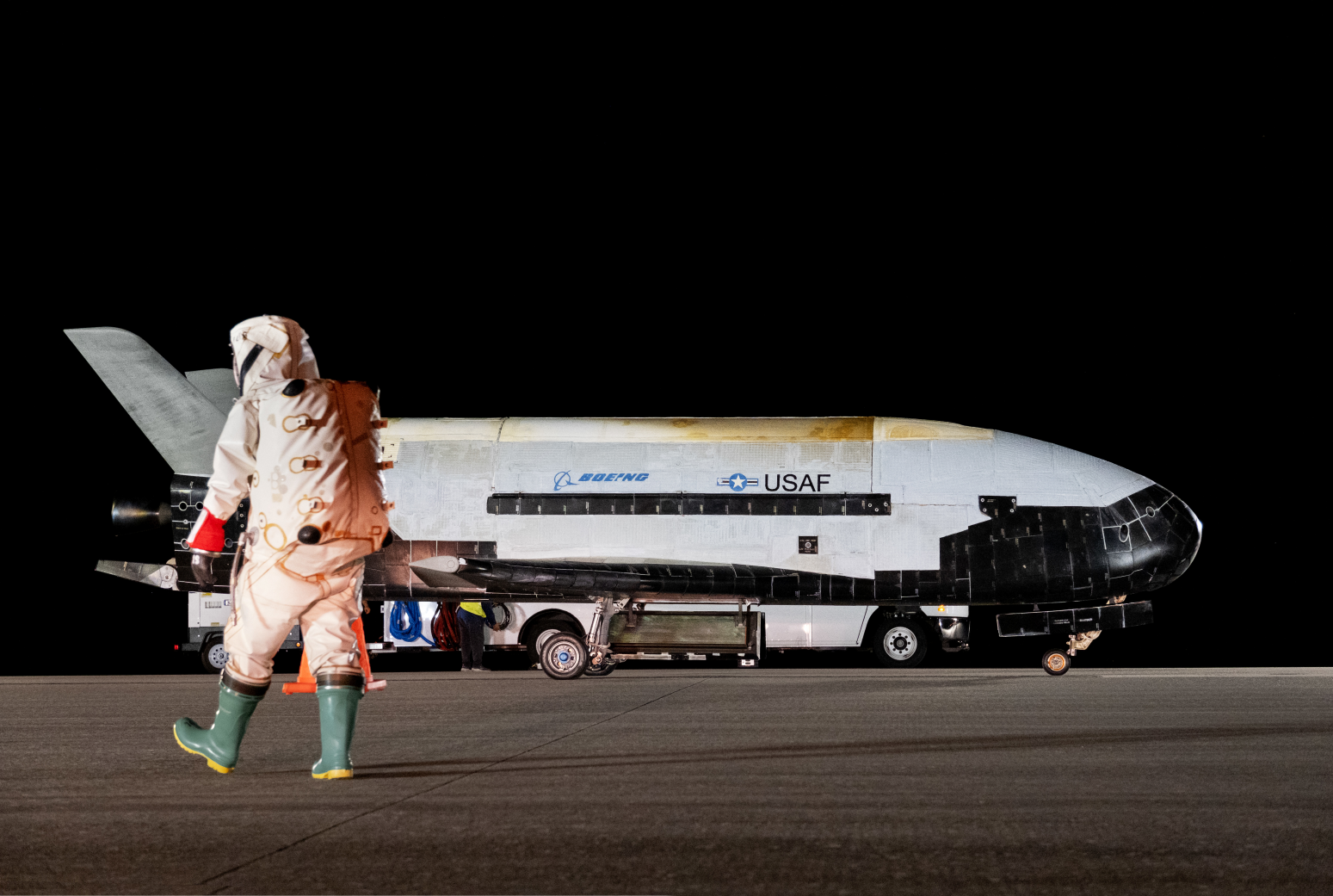
On April 22, 2010, an Atlas V lifted off from Cape Canaveral carrying a reusable robotic spaceplane so secret that the Air Force would not even confirm its mission duration. It came back 224 days later, lighter, quieter, and more operational than anyone outside Washington had expected. Fifteen years later, the X-37B is still flying, and the military still will not say what it does.

NASA confirms first-ever ISS medical evacuation for January 14 via Crew Dragon. SpaceX launches 29 Starlink satellites in third mission of 2026. Artemis 2 moon mission timeline unaffected.