


X Report 18 Sep 2025
SpaceX gears up for a busy week with new Starship testing and enhanced Starlink capabilities on the horizon.



Launch Date
October 17, 1975
Launch Site
PLMSC
Launch Pad
LC41/1
Launch Vehicle
Voskhod 11A57
NORAD ID
08369
International Designator
1975-101A
Decay Date
10/29/1975
Name
COSMOS 776
Alternative Name
Kosmos-776
Type
Status
Owner
GUKOSR
Country
USSR
Constellation
N/A
Related Satellites
Major Events
N/A
Apologies, there is no summary for this satellite yet. I am working to generate these for every object in the catalog, but it is going to take time.
Length
6.5
Diameter
2.4
Span
6.5
Dry Mass
2200
Launch Mass
2200
Shape
Sphere + DCone
Radar Cross Section
Unknown
Visual Magnitude
Unknown
Color
Unknown
Material Composition
Unknown
Payload
Gektor No. 66L
Purpose
Unknown
Mission
Unknown
Manufacturer
TSSKB
Life Expectancy
Unknown
Bus
Zenit-2M
Configuration
Unknown
Motor
Unknown
Equipment
Unknown
Power System
Unknown
ADCS
Unknown
Transmitter Frequency
Unknown
Learn more about satellites and other related topics.
SpaceX gears up for a busy week with new Starship testing and enhanced Starlink capabilities on the horizon.
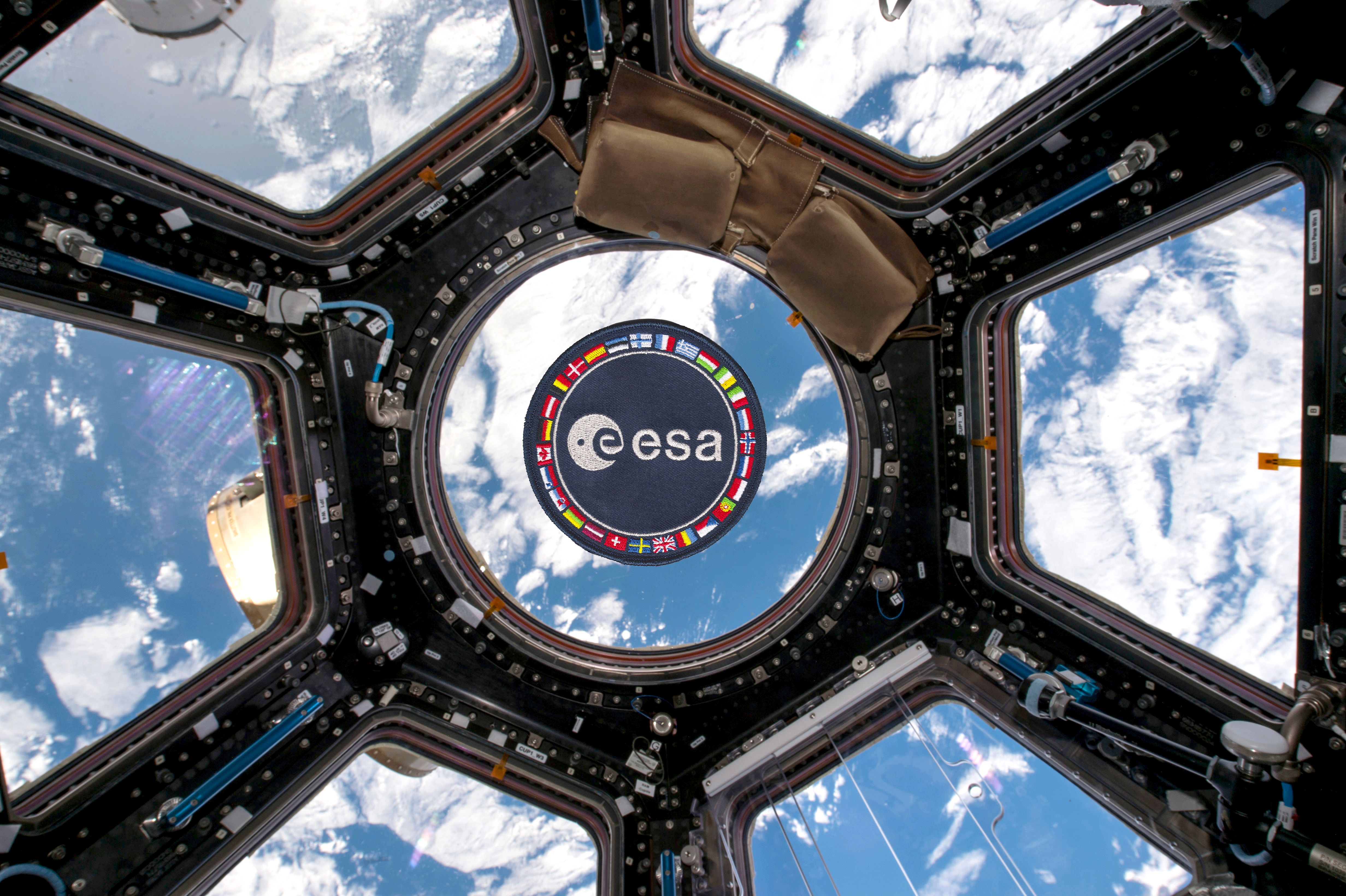
Today's highlights include advances in space tracking technology by the US Space Force, SpaceX's infrastructure expansion, and a spectacular birthday landing on Earth. Additionally, we spotlight a significant exoplanetary discovery and satellite updates.
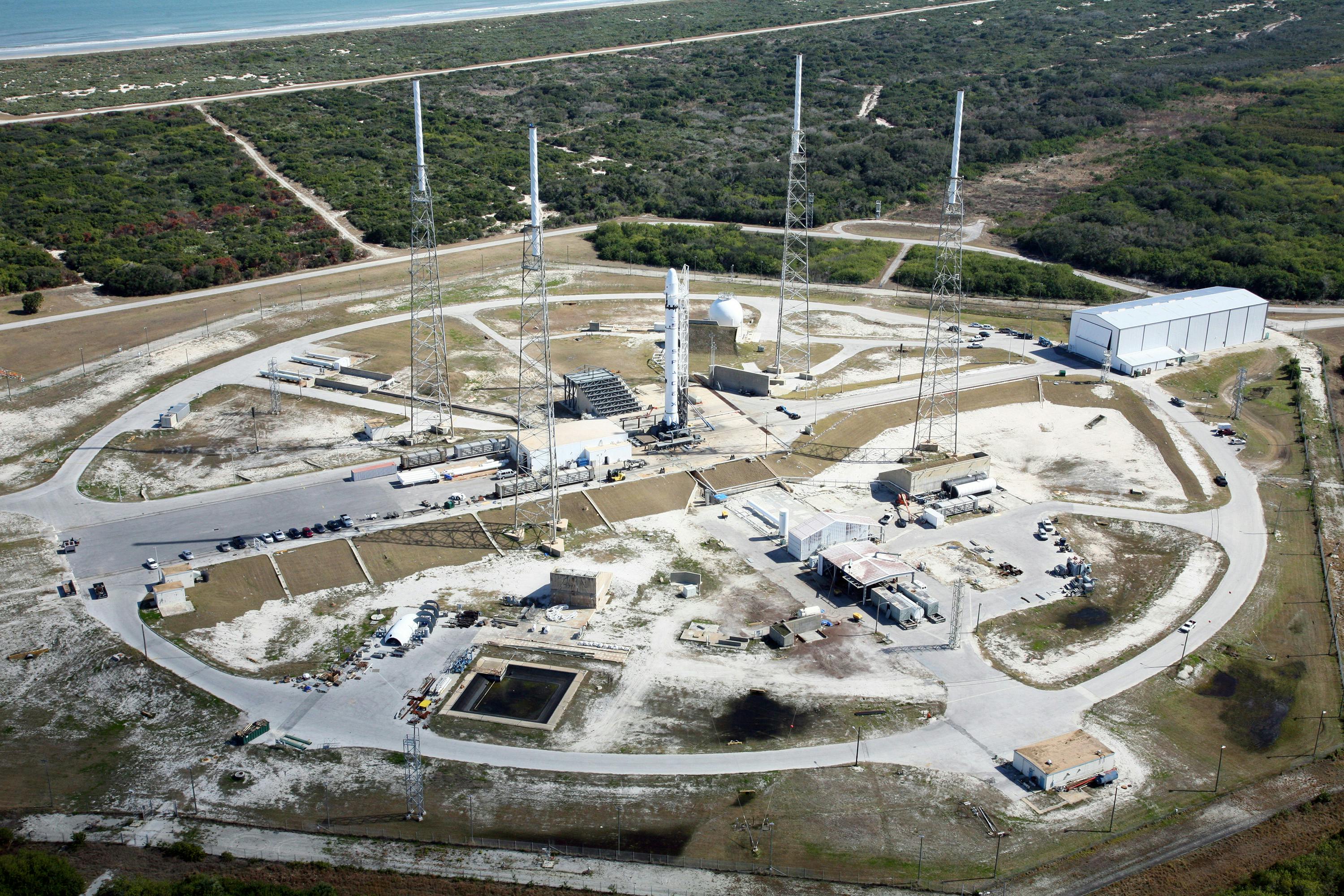
SpaceX's Transporter-17 rideshare carried 81 payloads including history's first nuclear-powered commercial satellite on July 7.
Iran launches drones and missiles at UAE and Saudi targets. Space Force opens secretive tracking data to commercial firms. Falcon 9 breakup linked to lithium pollution in upper atmosphere.

Explore today's major events in space, including military advancements in satellite tracking, new missile defenses, and significant defense funding decisions.
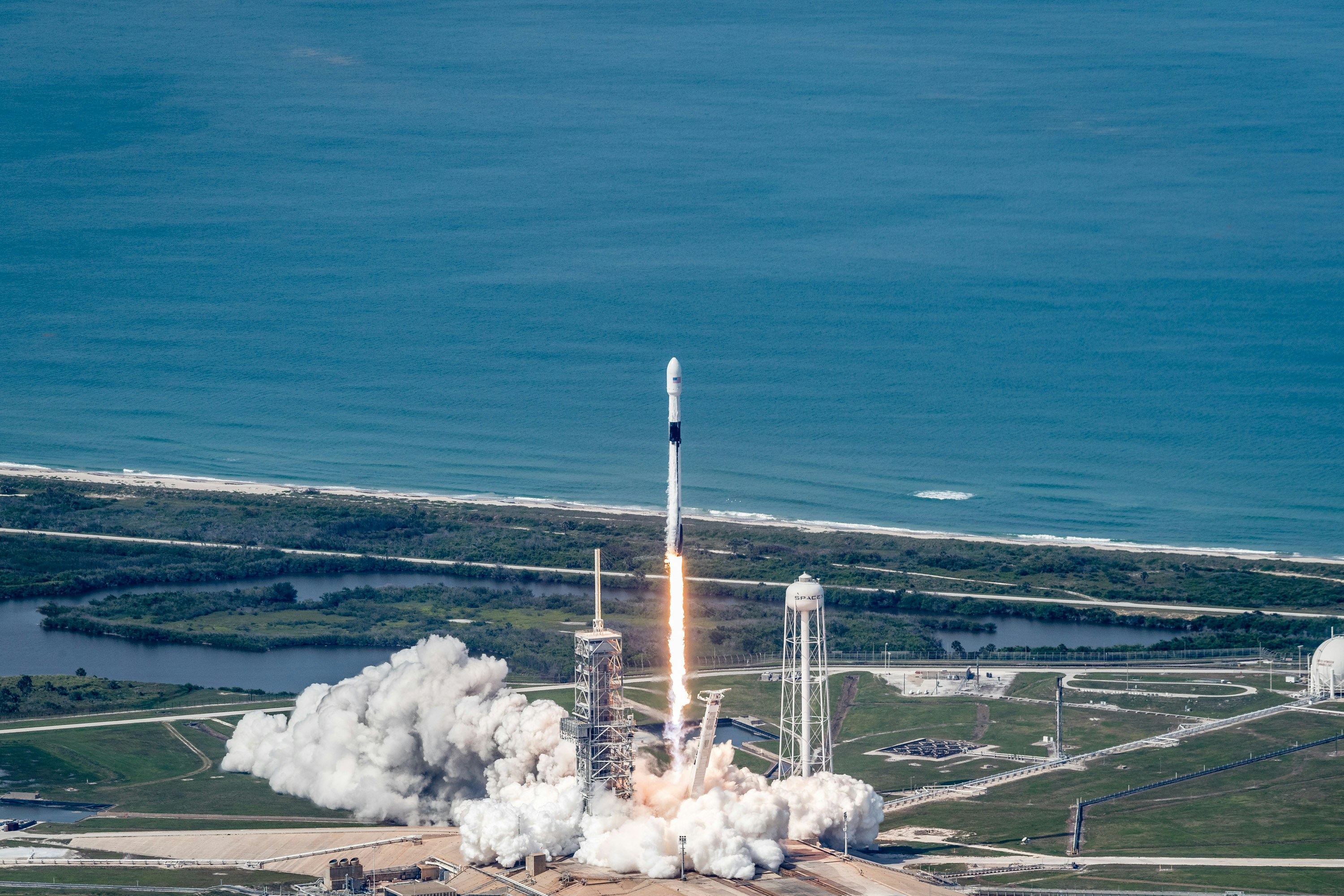
SpaceX conducted multiple successful launches this week, adding to its Starlink constellation and marking significant milestones in its ongoing missions.
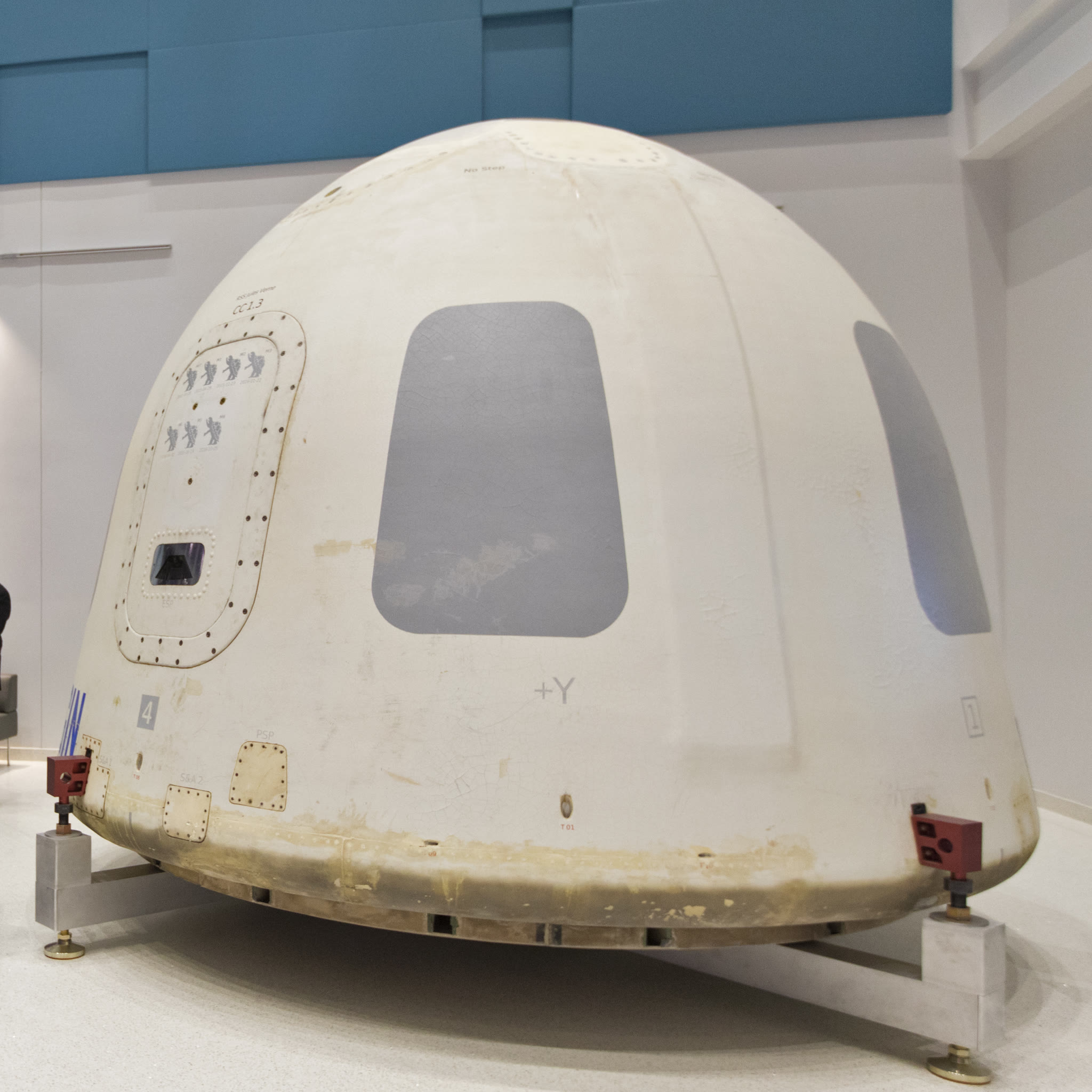
Twenty-two years after SpaceShipOne, the two companies that defined suborbital tourism are both sitting on the ground. Blue Origin parked New Shepard in January, Virgin Galactic has not flown a customer since 2024, and the math behind the whole business is finally getting an honest look.
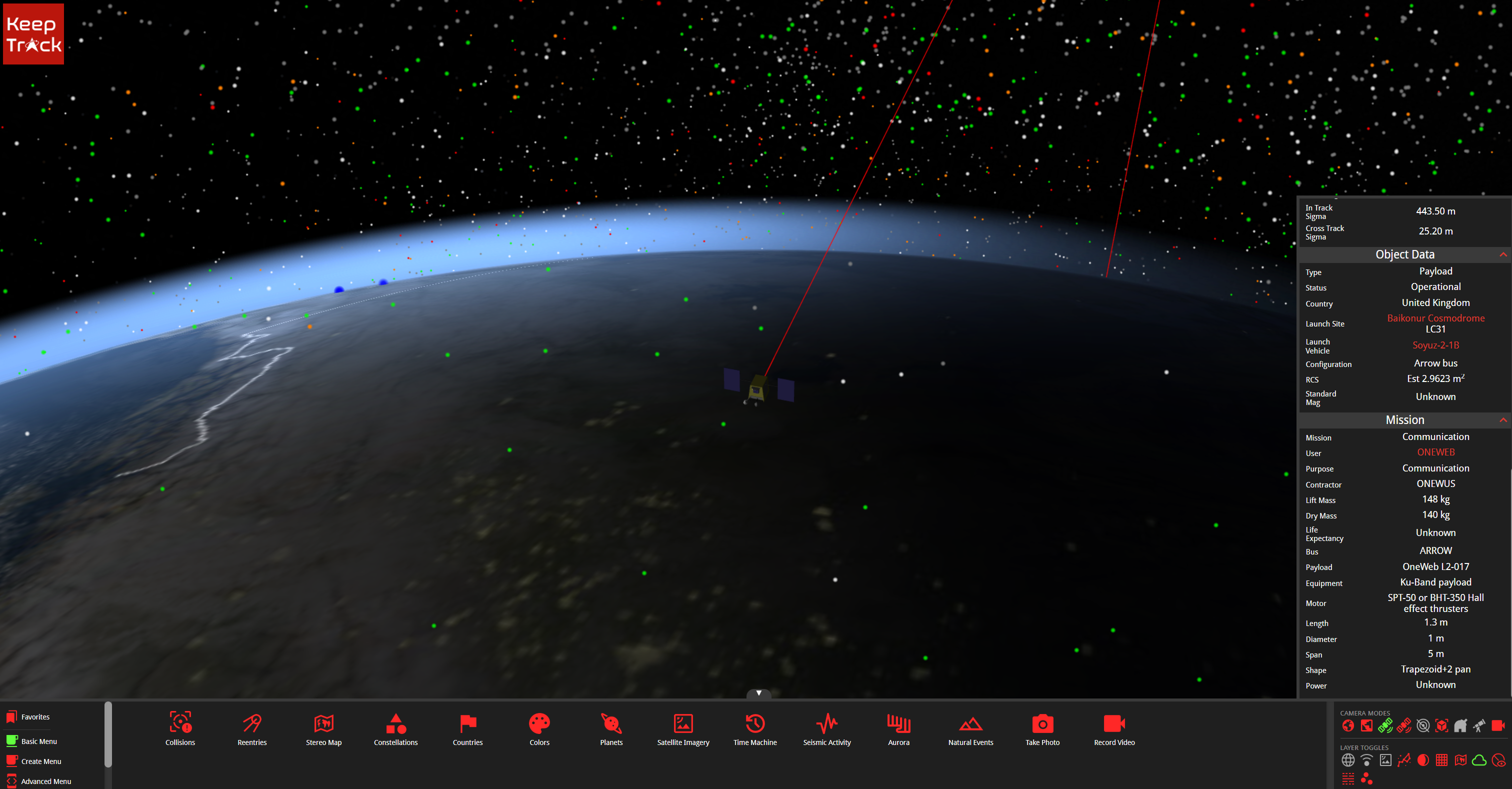
The evolution from simply tracking objects in orbit to understanding the full strategic picture of who is doing what in space, and why