


X Report 3 Feb 2025
SpaceX prepares for another Starlink launch from Florida, while recent Starship incident raises environmental concerns.



Launch Date
June 27, 1975
Launch Site
PLMSC
Launch Pad
LC41/1
Launch Vehicle
Voskhod 11A57
NORAD ID
08014
International Designator
1975-060G
Decay Date
7/9/1975
Name
COSMOS 747 DEB
Alternative Name
Nauka part
Type
Status
Owner
GUKOSR
Country
USSR
Constellation
N/A
Related Satellites
Major Events
N/A
Length
0
Diameter
0
Span
0
Dry Mass
0
Launch Mass
0
Shape
N/A
Radar Cross Section
Unknown
Visual Magnitude
Unknown
Color
Unknown
Material Composition
Unknown
Payload
Unknown
Purpose
Unknown
Mission
Unknown
Manufacturer
TSSKB
Life Expectancy
Unknown
Bus
Zenit deb
Configuration
Unknown
Motor
Unknown
Equipment
Unknown
Power System
Unknown
ADCS
Unknown
Transmitter Frequency
Unknown
Learn more about satellites and other related topics.
SpaceX prepares for another Starlink launch from Florida, while recent Starship incident raises environmental concerns.
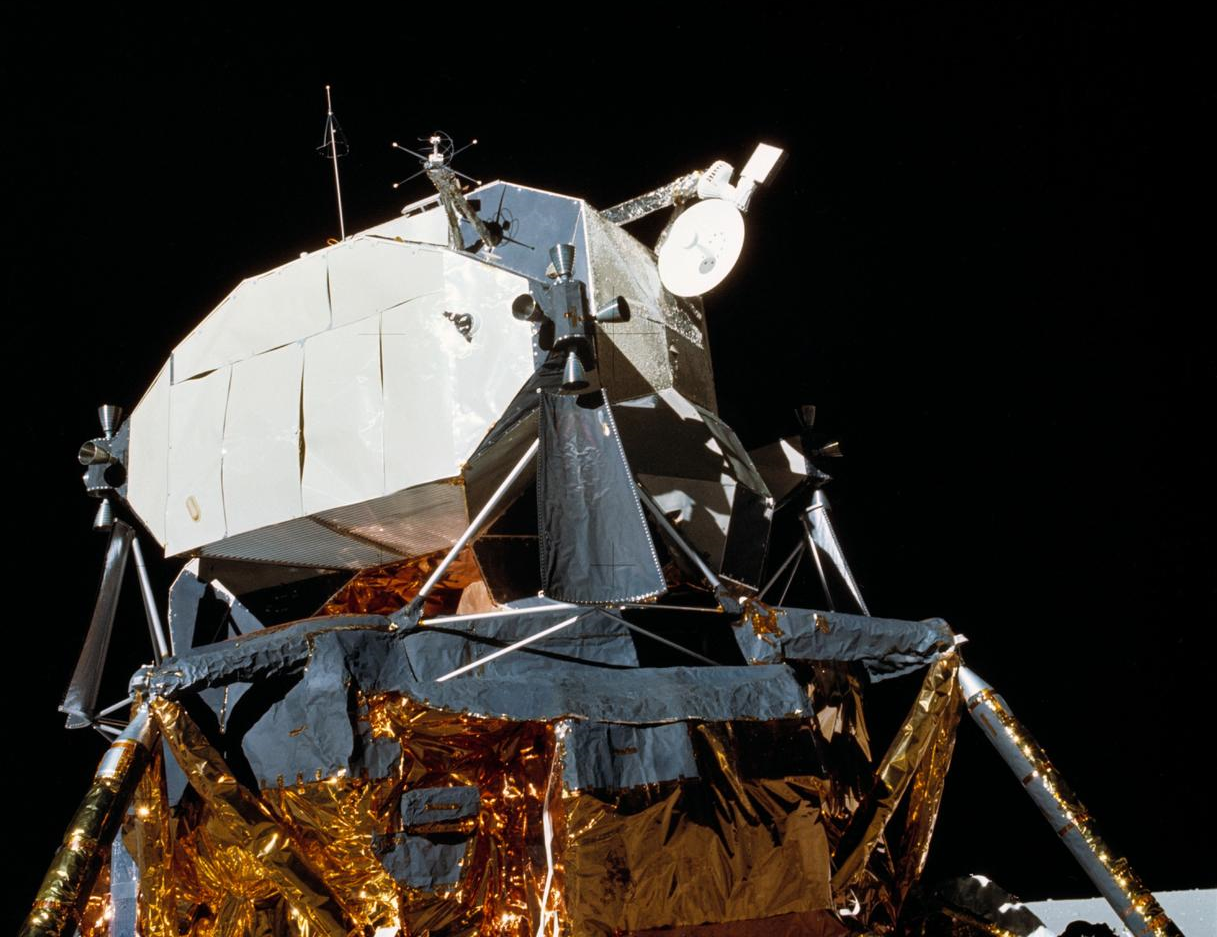
Six hours behind schedule, with a backup engine system shuddering in lunar orbit and mission controllers in Houston running out of options, Apollo 16 came within one meeting of being sent home without landing. The problem was a wobble in a gimbal. The solution was math done under pressure.
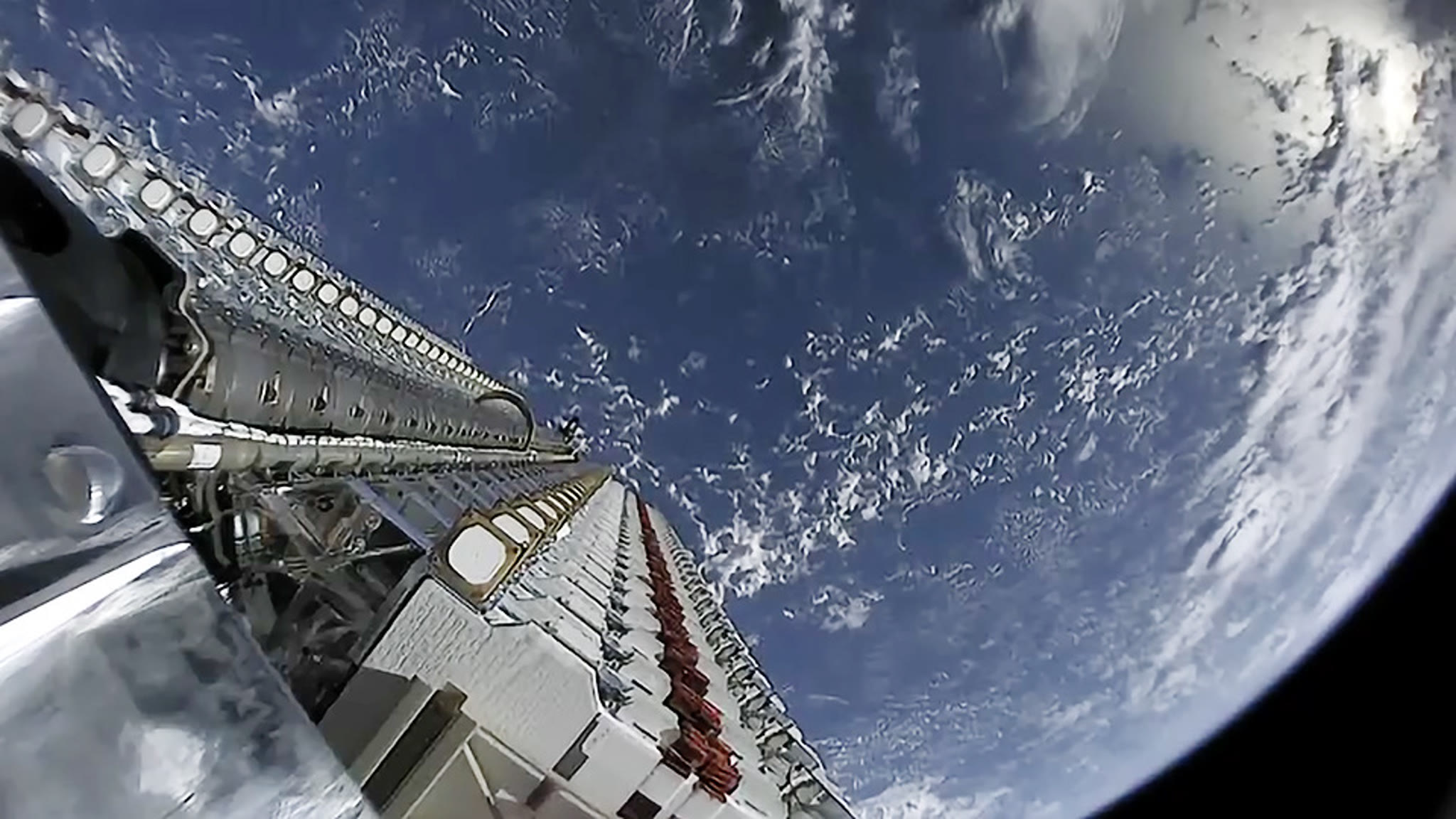
Starlink satellites fired their thrusters to dodge a collision roughly 300,000 times in 2025, about 822 times a day. Behind that number is a fragile, half-automated system of warnings, probabilities, and judgment calls that decides which close approaches are worth a maneuver and which are just noise.
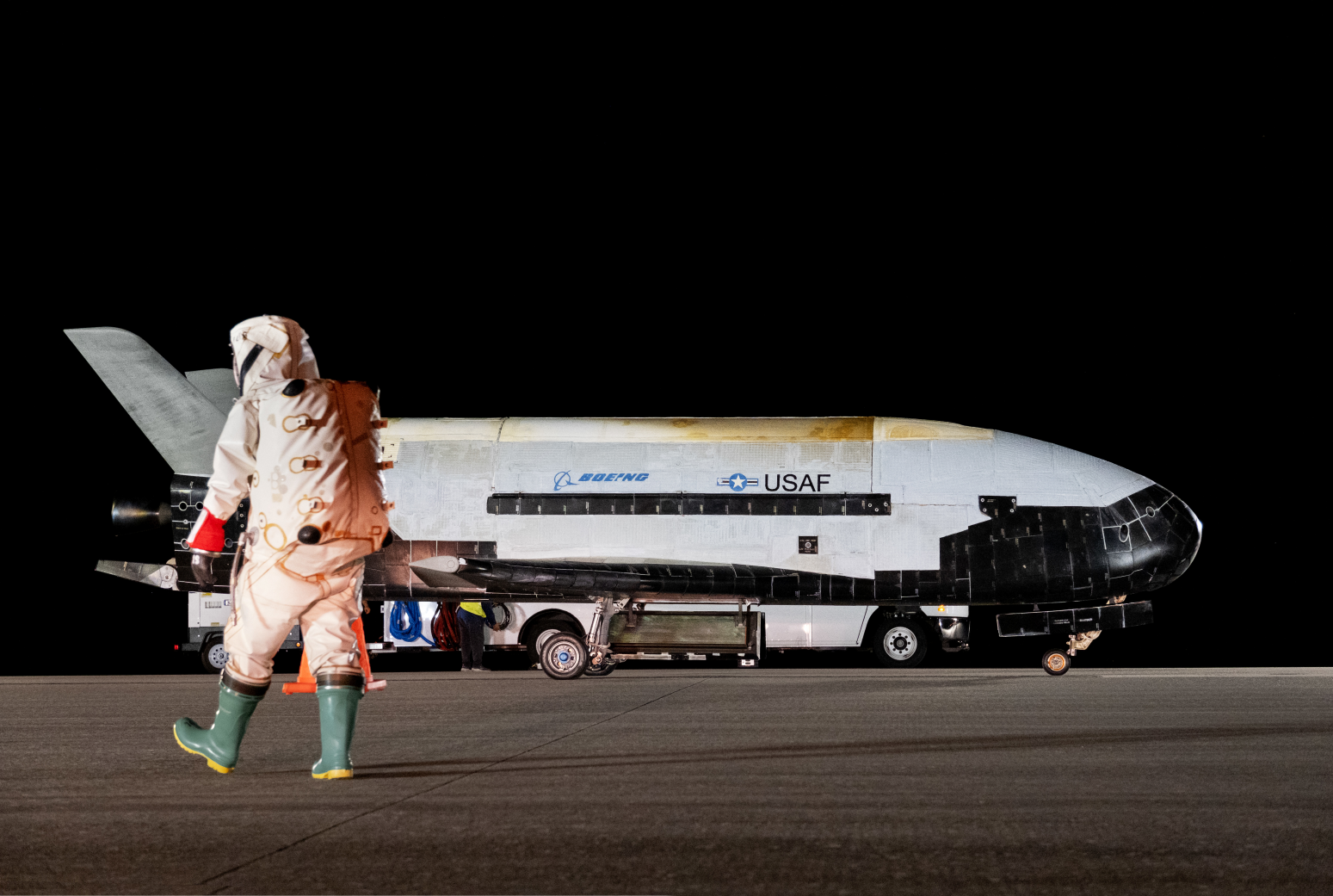
On April 22, 2010, an Atlas V lifted off from Cape Canaveral carrying a reusable robotic spaceplane so secret that the Air Force would not even confirm its mission duration. It came back 224 days later, lighter, quieter, and more operational than anyone outside Washington had expected. Fifteen years later, the X-37B is still flying, and the military still will not say what it does.
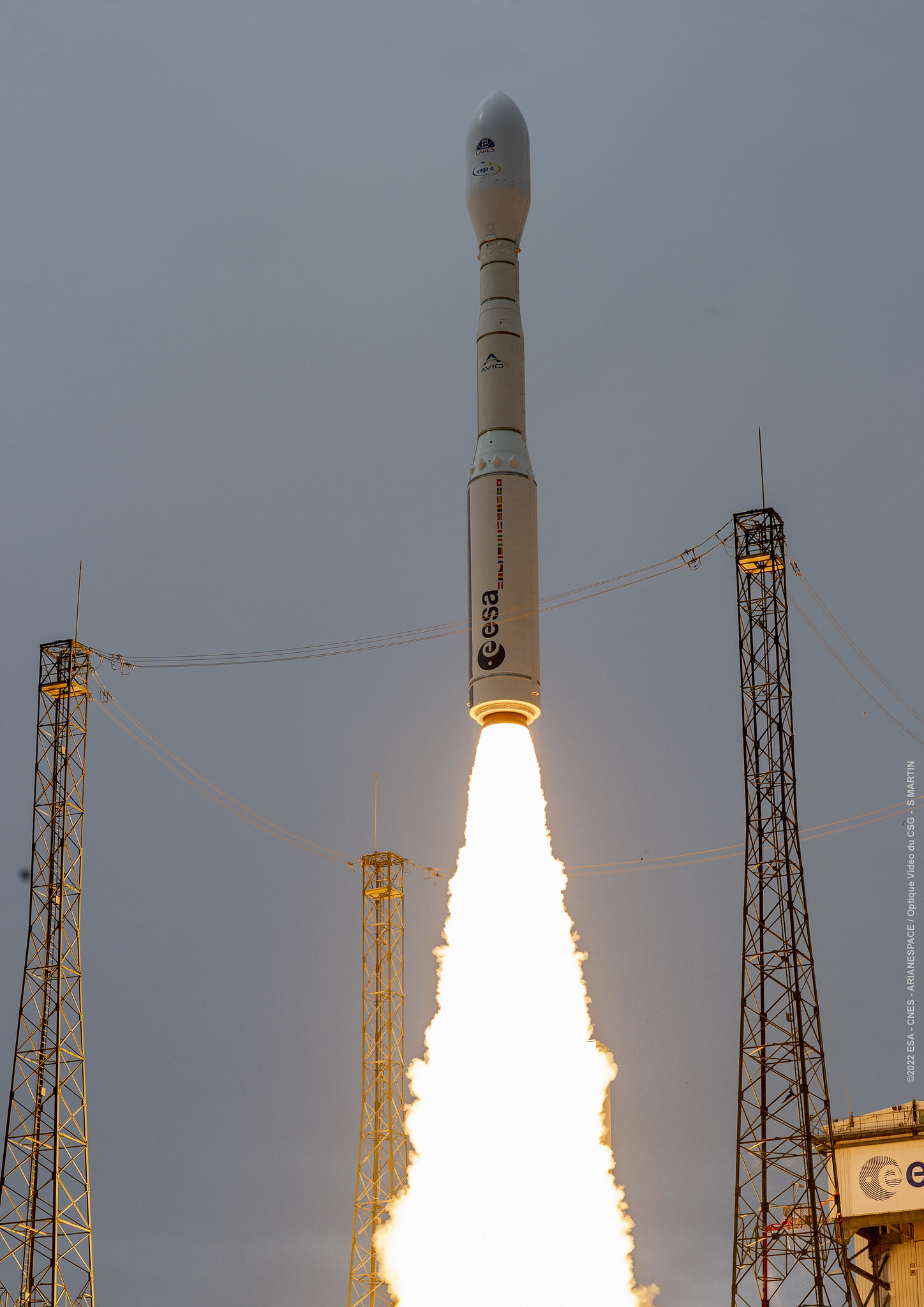
Today's space brief covers SpaceX's new contract with the U.S. Space Force, multiple Starlink launches, Rocket Lab's rapid launch success, and the final mission of Japan's H-IIA rocket.

SpaceX carried out a double-header Starlink launch from both coasts while milestones from Max Space and Lux Aeterna signal growth in the commercial space sector.
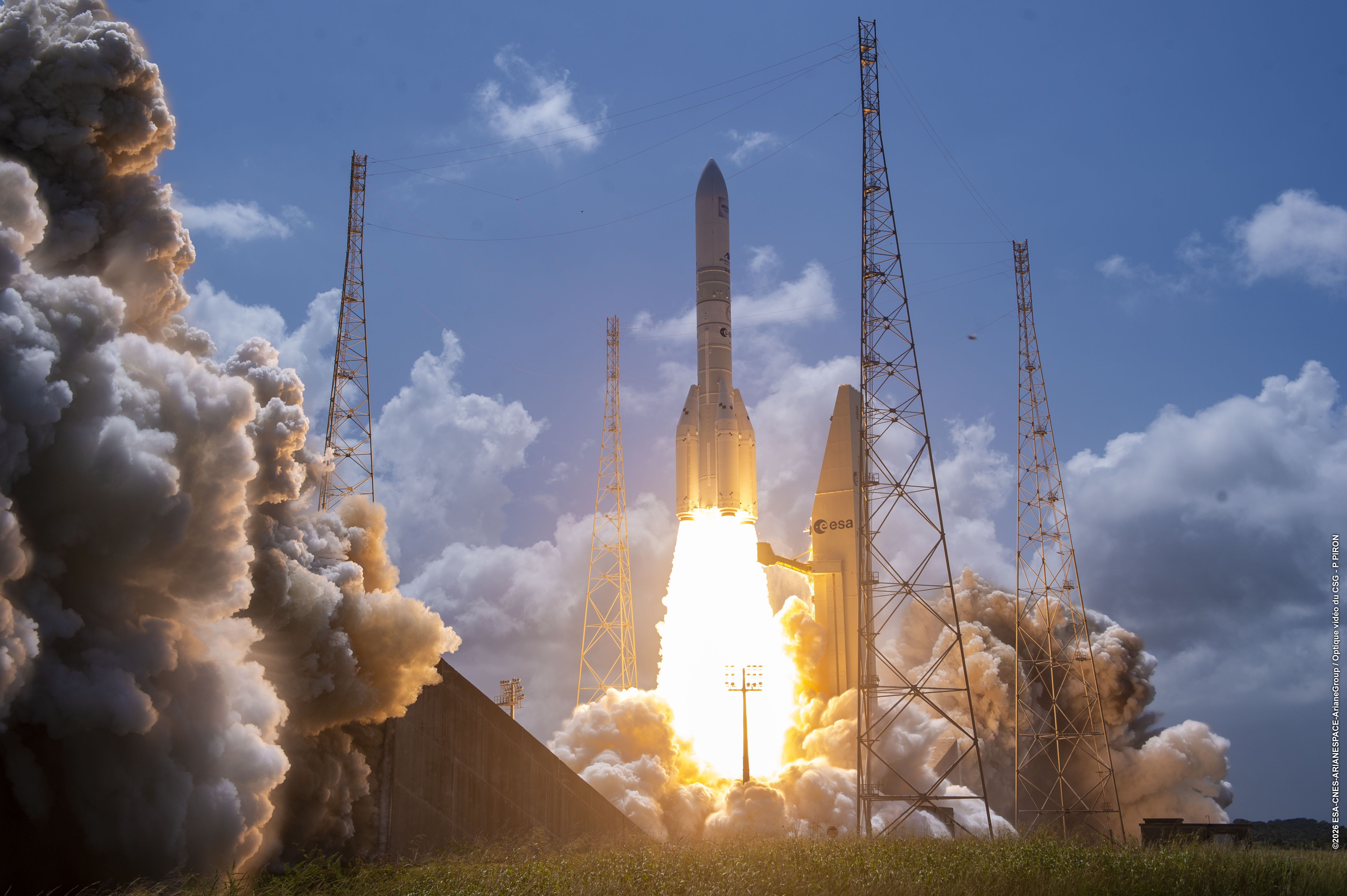
Space Force RCO awarded SBIR contracts for radar-detection payloads to counter adversary surveillance of U.S. satellites. Follow-on miniaturization effort already planned.
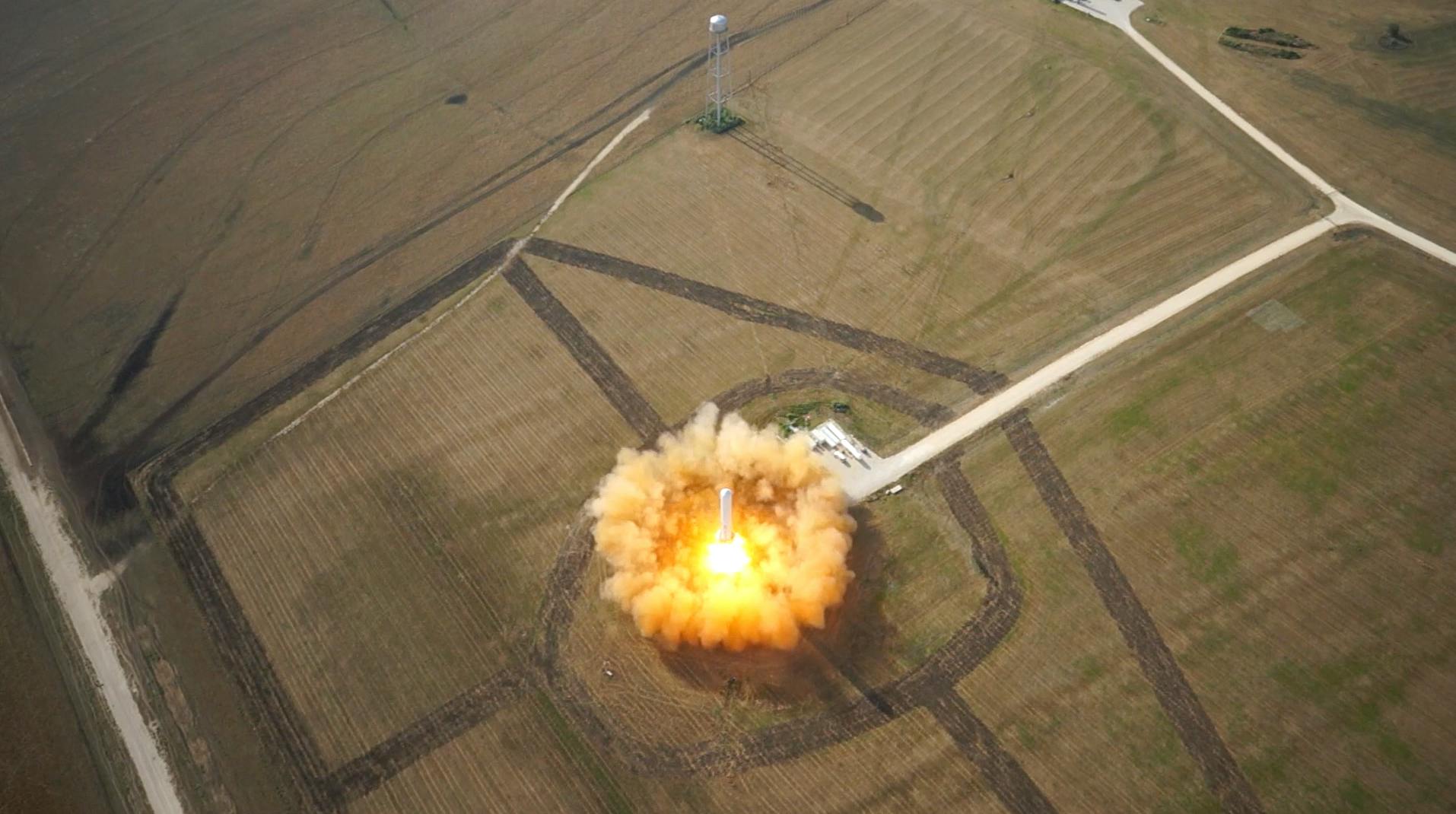
SpaceX surged 19% on Nasdaq debut as Falcon 9 B1093 deployed 24 Starlink satellites — the 1,500th launched in 2026 — while Dragon CRS-34 heads home.