


The Day America's Moon Rocket Began Its Journey
Fifty-nine years ago, a revolutionary new rocket thundered skyward from Cape Kennedy, testing the spacecraft that would eventually carry astronauts to the lunar surface


Launch Date
October 26, 1973
Launch Site
Launch Pad
LC17B
Launch Vehicle
Delta 1604
NORAD ID
06895
International Designator
1973-078C
Decay Date
11/29/1996
Name
DELTA 1 R/B(1)
Alternative Name
Delta 97
Type
Status
Owner
GSFC
Country
United States
Constellation
N/A
Related Satellites
Major Events
N/A
Length
4.8
Diameter
1.4
Span
4.8
Dry Mass
1150
Launch Mass
1150
Shape
Cyl + Nozzle
Radar Cross Section
9.2265
Visual Magnitude
Unknown
Color
Unknown
Material Composition
Unknown
Payload
Delta DSV-3E-5
Purpose
Unknown
Mission
Unknown
Manufacturer
AJ
Life Expectancy
Unknown
Bus
DSV-3E-5
Configuration
Unknown
Motor
AJ10-118F
Equipment
Unknown
Power System
Unknown
ADCS
Unknown
Transmitter Frequency
Unknown
Learn more about satellites and other related topics.
Fifty-nine years ago, a revolutionary new rocket thundered skyward from Cape Kennedy, testing the spacecraft that would eventually carry astronauts to the lunar surface
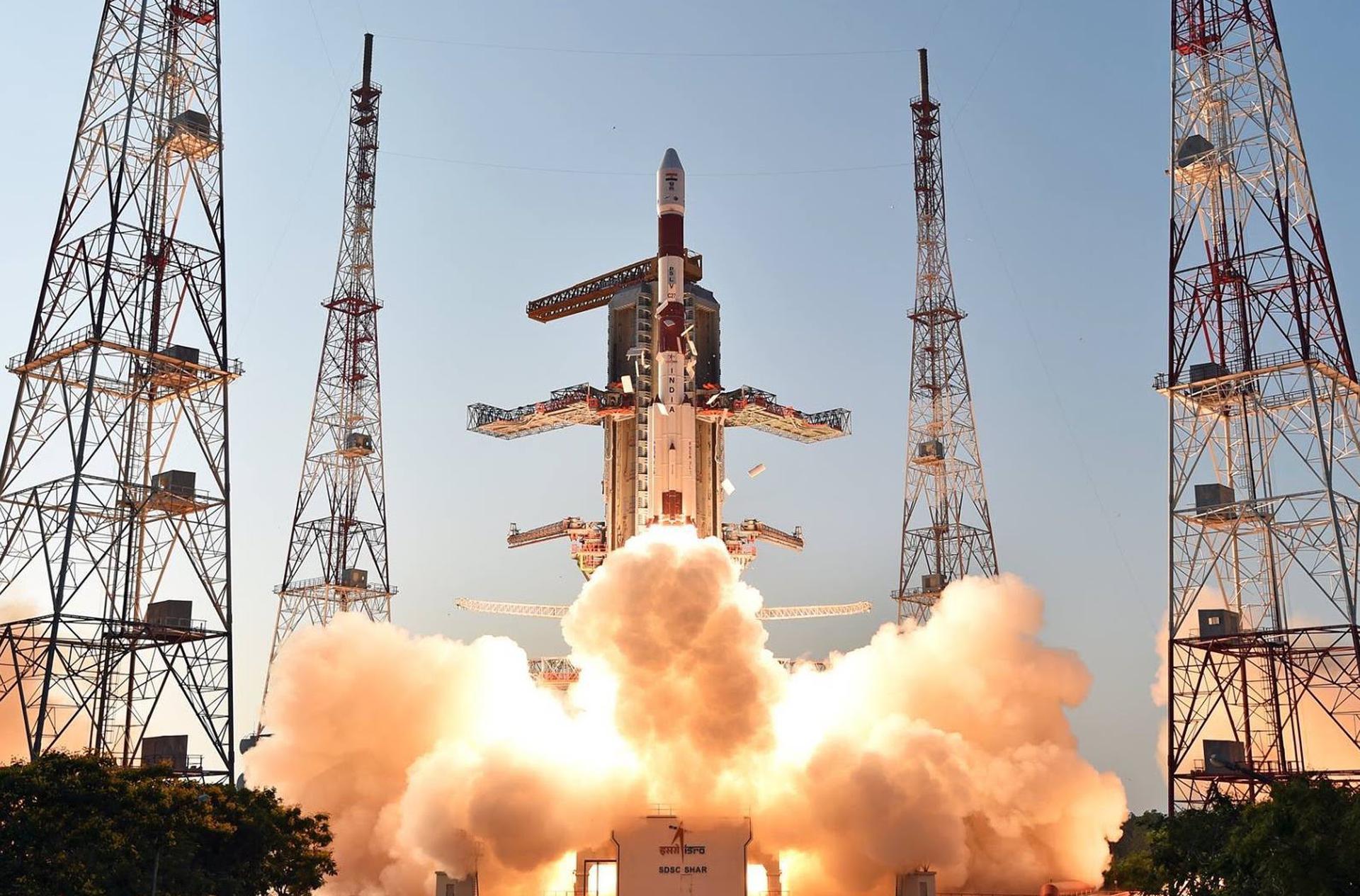
Highlighting ExLabs' Space Force contract, Starlink advances, and developments in orbital communication tech.
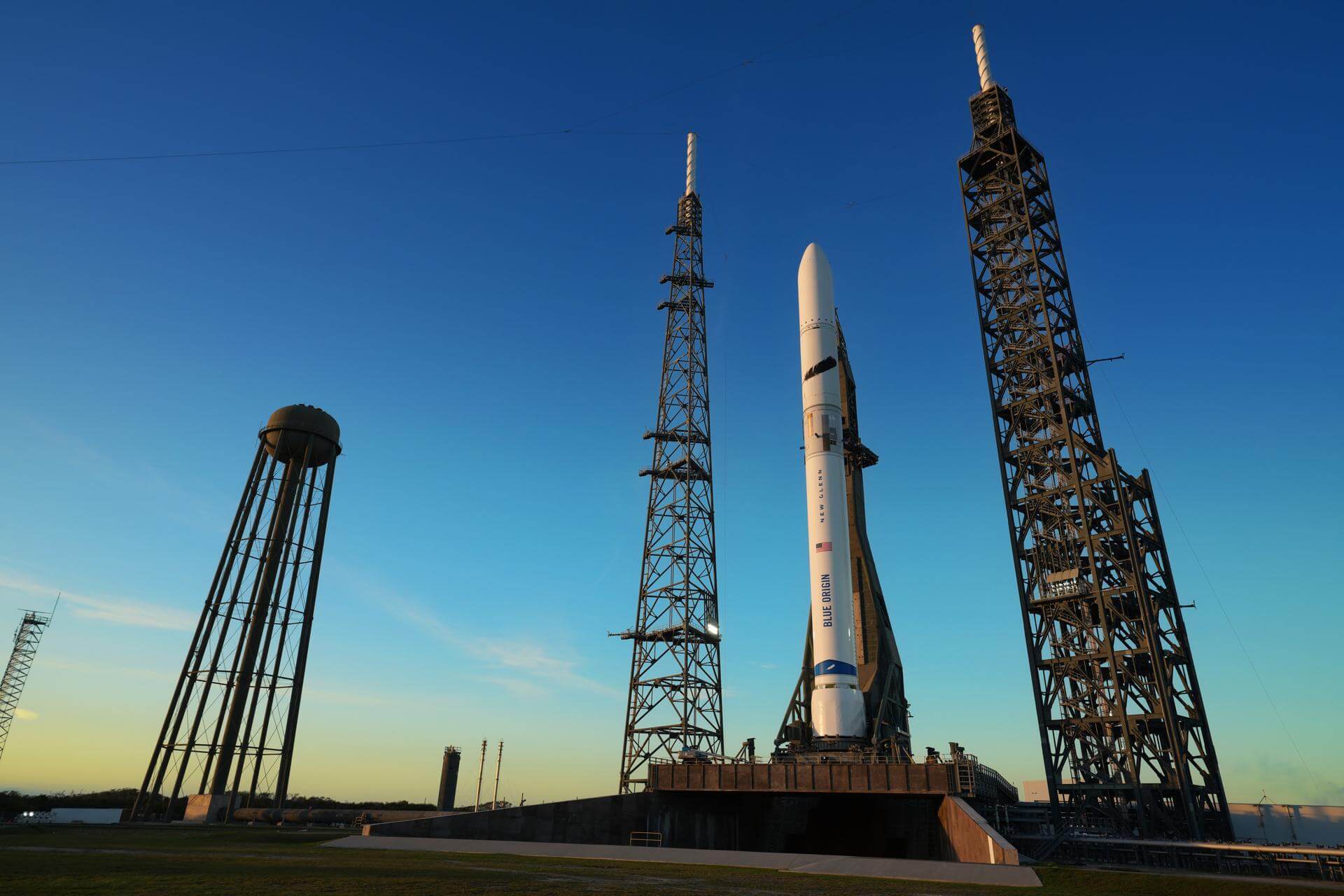
Today's briefing covers India's military communications satellite launch, SpaceX's Starlink mission milestone, Latvia's agreement to the Artemis Accords, and more significant updates in space technology and satellite launches.
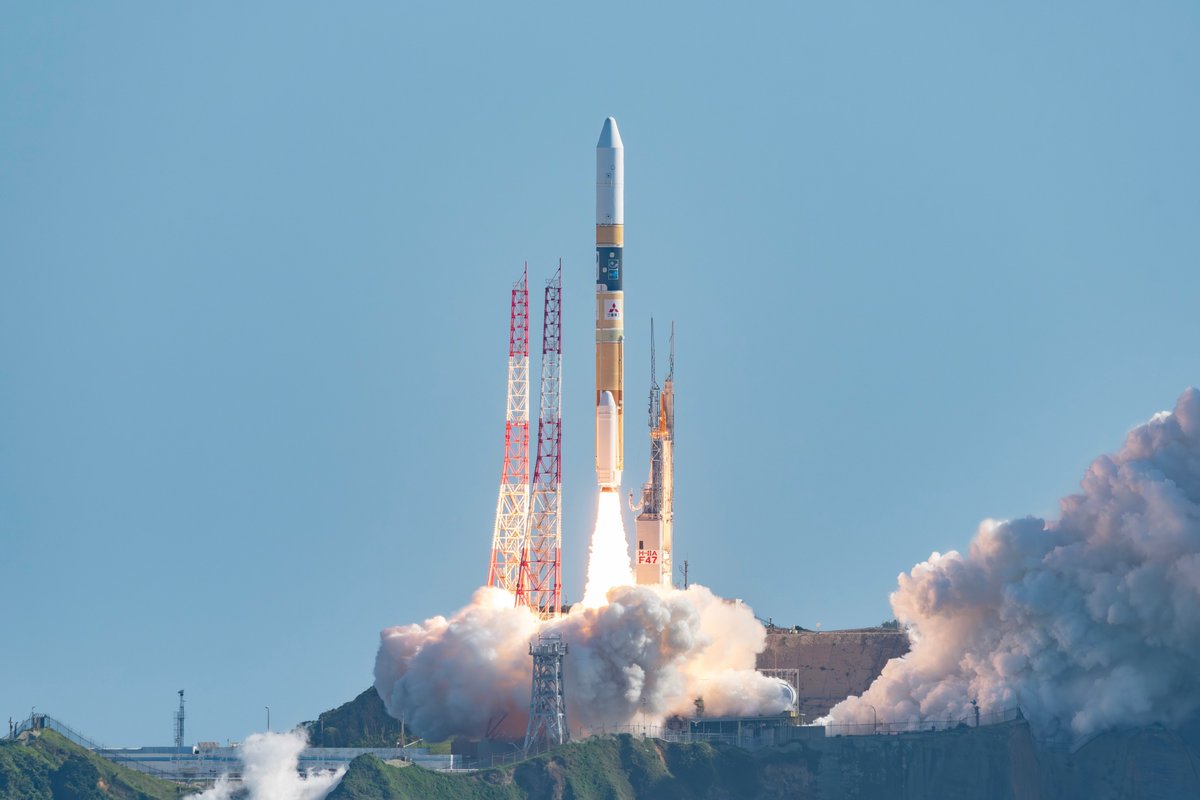
Significant advancements and launches in space: NASA's hypersonic sensor breakthrough, ChinaSat-9C's launch, and SpaceX's resilient Falcon 9 operations.

SpaceX announces massive contract awards, advances Starship reusability, and continues to dominate with Starlink deployments.

SpaceX successfully launched Northrop Grumman's new Cygnus XL cargo spacecraft to the ISS, marking a significant advancement in cargo delivery capabilities.
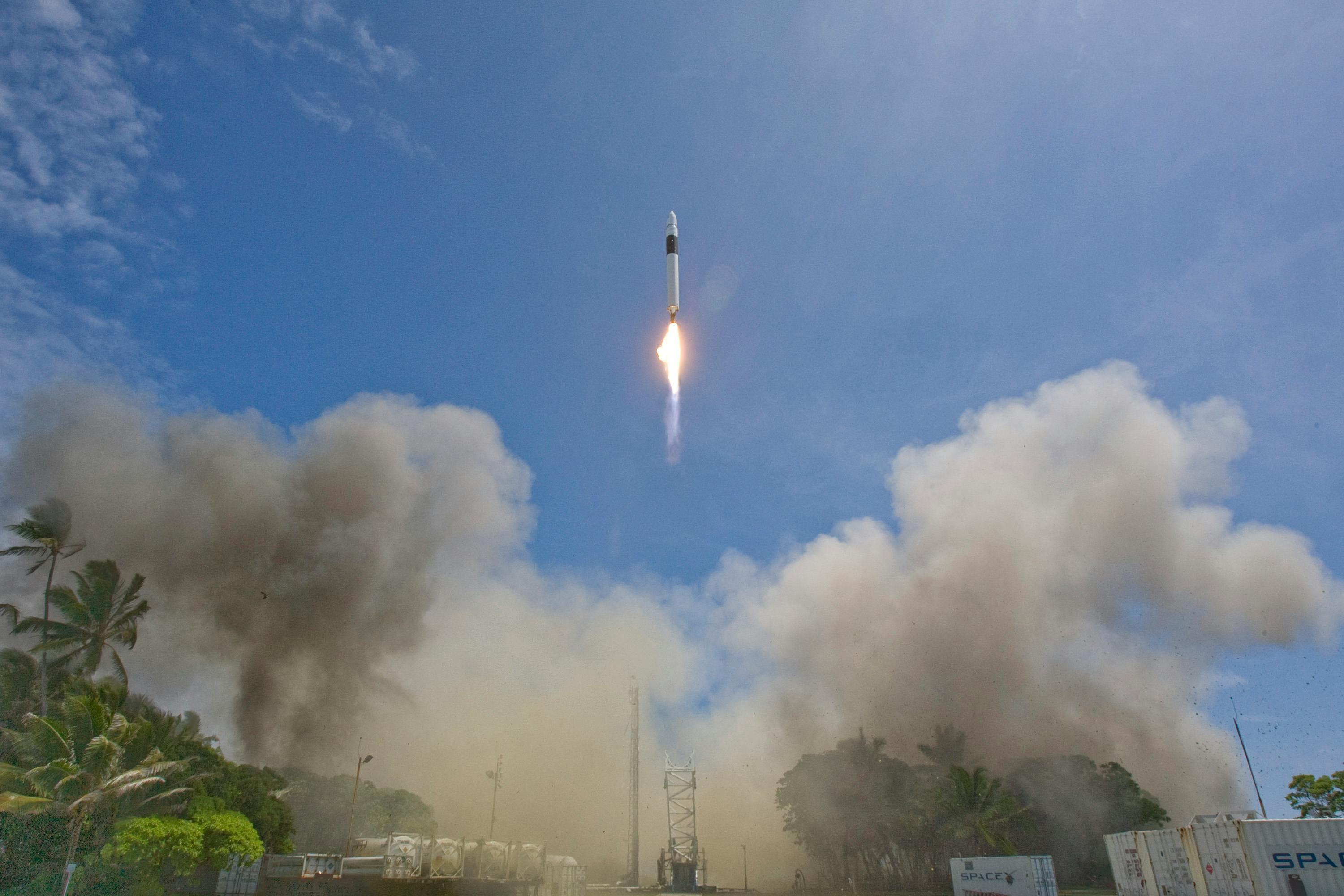
SpaceX is pushing to launch Starship from Cape Canaveral before end of 2026, with contractors ramping work at LC-39A.
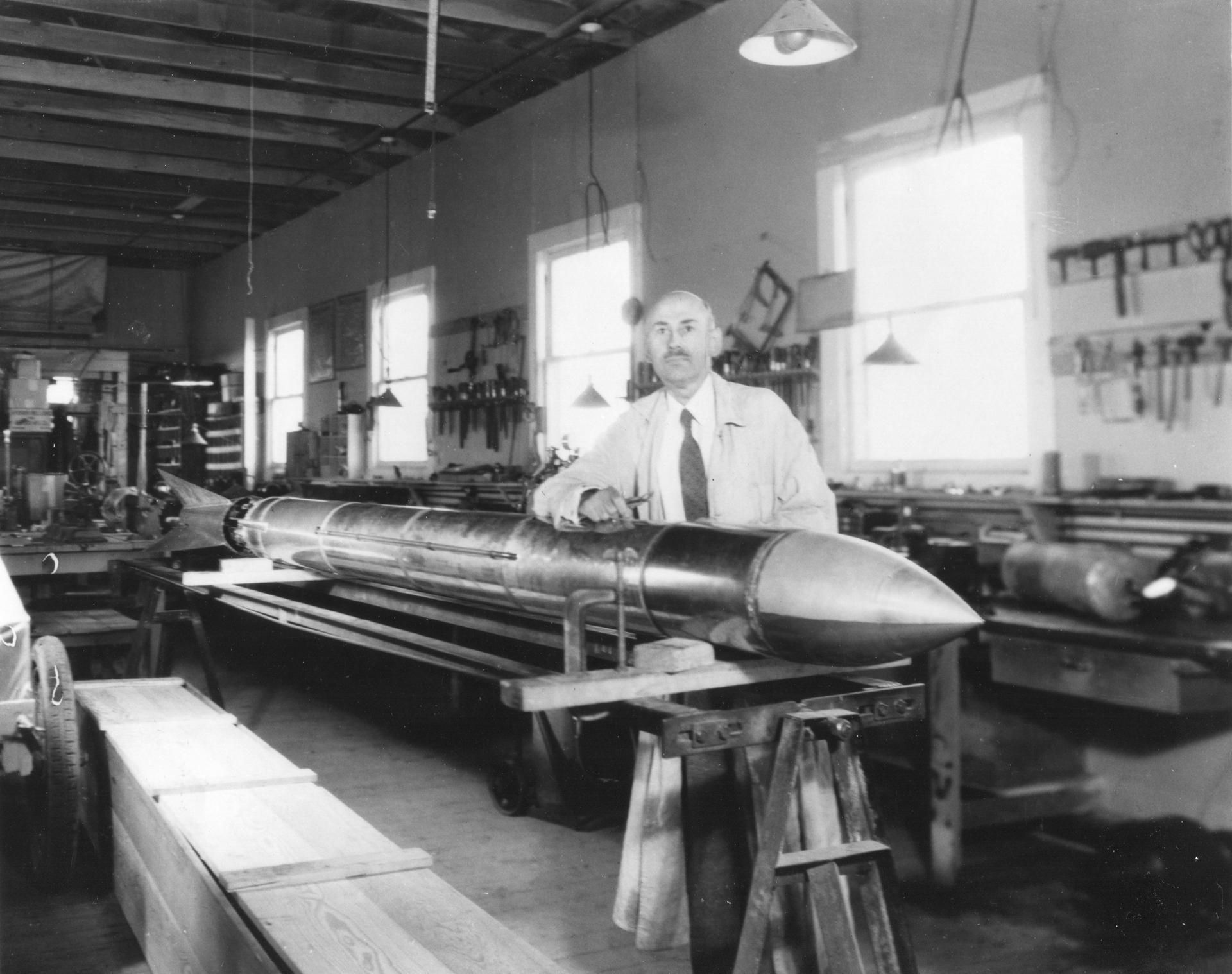
On February 2, 1909, Robert Goddard made a revolutionary breakthrough in his notebook: liquid oxygen and liquid hydrogen could achieve 50% efficiency in converting heat energy to kinetic energy for rocket propulsion