


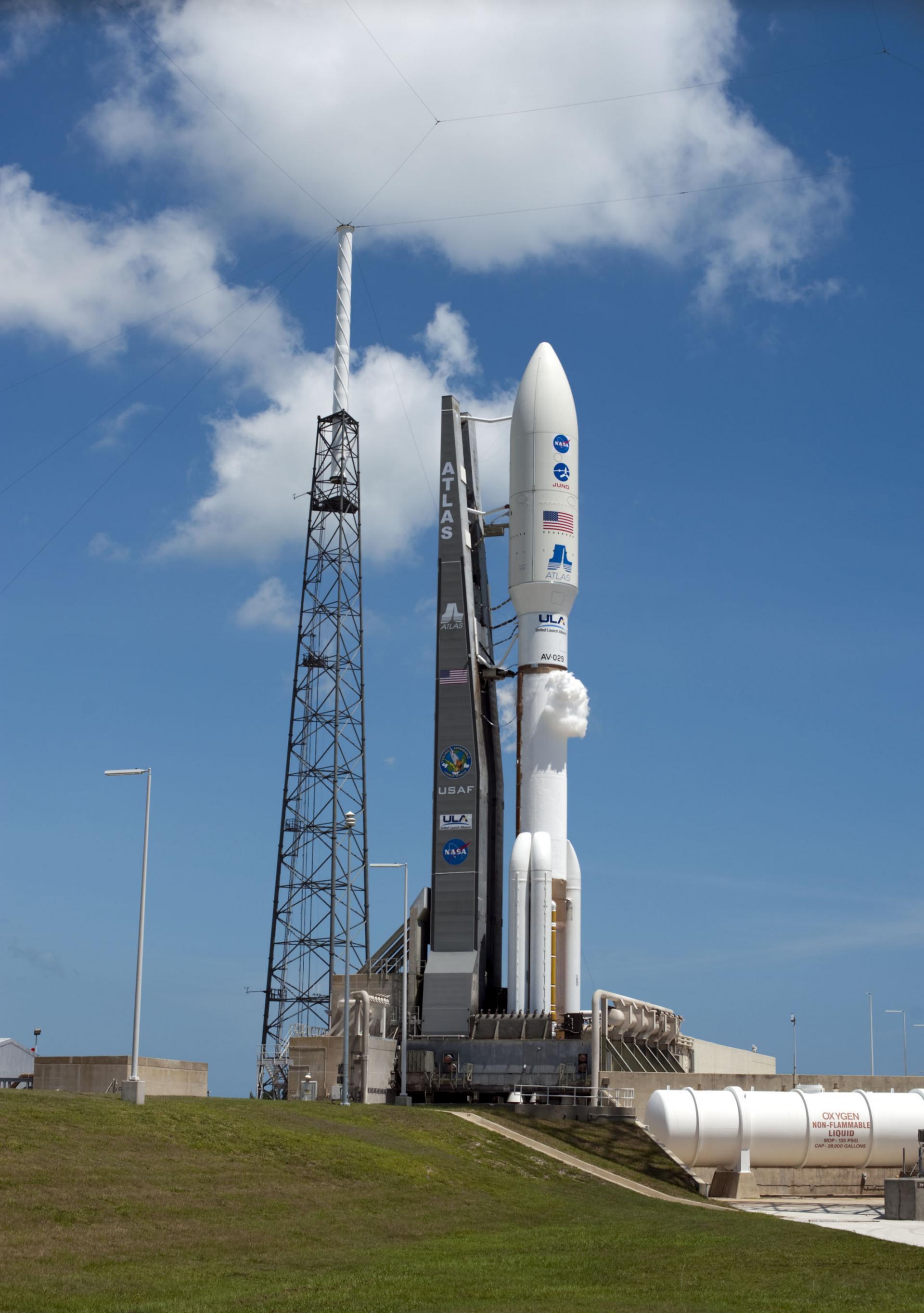
Space Brief 31 May 2025
Today's brief covers a significant GPS satellite launch by SpaceX, China's classified satellite mission, and Rocket Lab's strategic steps in the defense sector.


Launch Date
October 2, 1973
Launch Site
PLMSC
Launch Pad
LC132/2
Launch Vehicle
Kosmos 11K65M
NORAD ID
06852
International Designator
1973-069H
Epoch
Mon, 20 Jul 2026 19:24:53 GMT
Apogee
Calculating...
Perigee
Calculating...
Inclination
74.00°
Right Ascension
337.63°
Eccentricity
Calculating...
Argument of Perigee
55.36°
Period
114.70 min
Mean Motion
12.55 rev/day
Latitude
Calculating...
Longitude
Calculating...
Altitude
Calculating...
Velocity
Calculating...
Name
COSMOS 595
Alternative Name
Kosmos-595
Type
Status
Owner
GUKOSR
Country
USSR
Constellation
N/A
Related Satellites
Major Events
N/A
1 06852U 73069H 26201.80894765 -.00000004 00000+0 73567-4 0 9990
2 06852 74.0035 337.6275 0055430 55.3573 57.3747 12.55487901419751
Source: Celestrak
Apologies, there is no summary for this satellite yet. I am working to generate these for every object in the catalog, but it is going to take time.
Length
0.8
Diameter
0.8
Span
0.8
Dry Mass
60
Launch Mass
60
Shape
Poly
Radar Cross Section
0.6608
Visual Magnitude
Unknown
Color
Unknown
Material Composition
Unknown
Payload
Strela-1M Blok 07 No. 8
Purpose
Military Communication
Mission
Military Communication
Manufacturer
OKB10
Life Expectancy
6 months
Bus
Strela-1 11F625
Configuration
Unknown
Motor
Unknown
Equipment
Unknown
Power System
Solar cells, batteries
ADCS
Unknown
Transmitter Frequency
Unknown
Learn more about satellites and other related topics.
Today's brief covers a significant GPS satellite launch by SpaceX, China's classified satellite mission, and Rocket Lab's strategic steps in the defense sector.
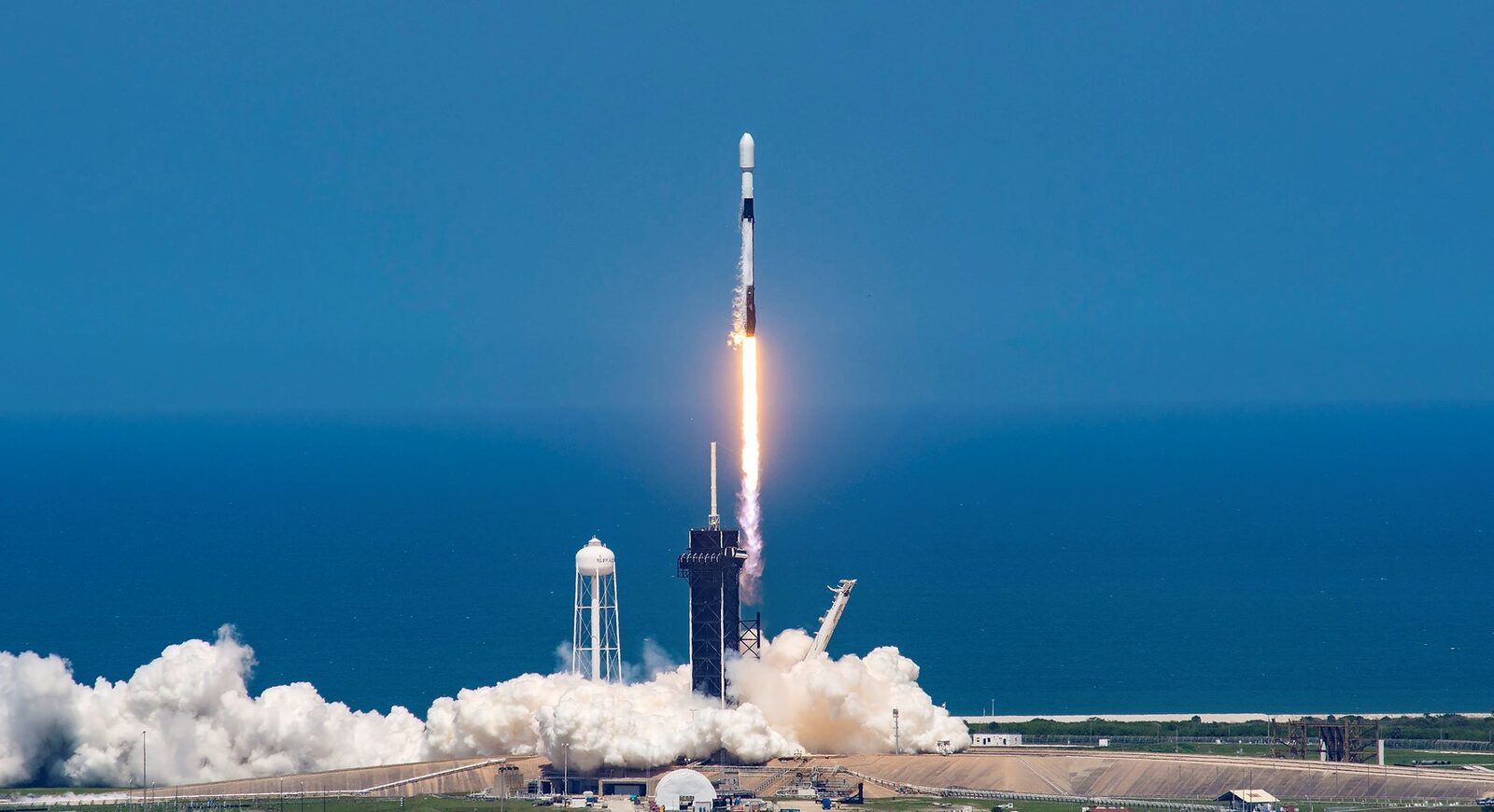
This week: China's Long March 10B debuted successfully, SpaceX merged with xAI, and Starlink topped 10,775 satellites in orbit.

In today's briefing: China accelerates its satellite megaconstellation. A comprehensive ESA-led optical data network is in the works, marking a key step in satellite communications. NASA's Artemis II crew visits Ohio in preparation for their lunar journey. SpaceX's record-breaking rocket launches continue. Plus, insights into nuclear rockets that could drastically shorten Mars missions.

Critical updates from SpaceX include a scrubbed satellite launch and a busy launch schedule for the week, featuring multiple Falcon 9 missions.
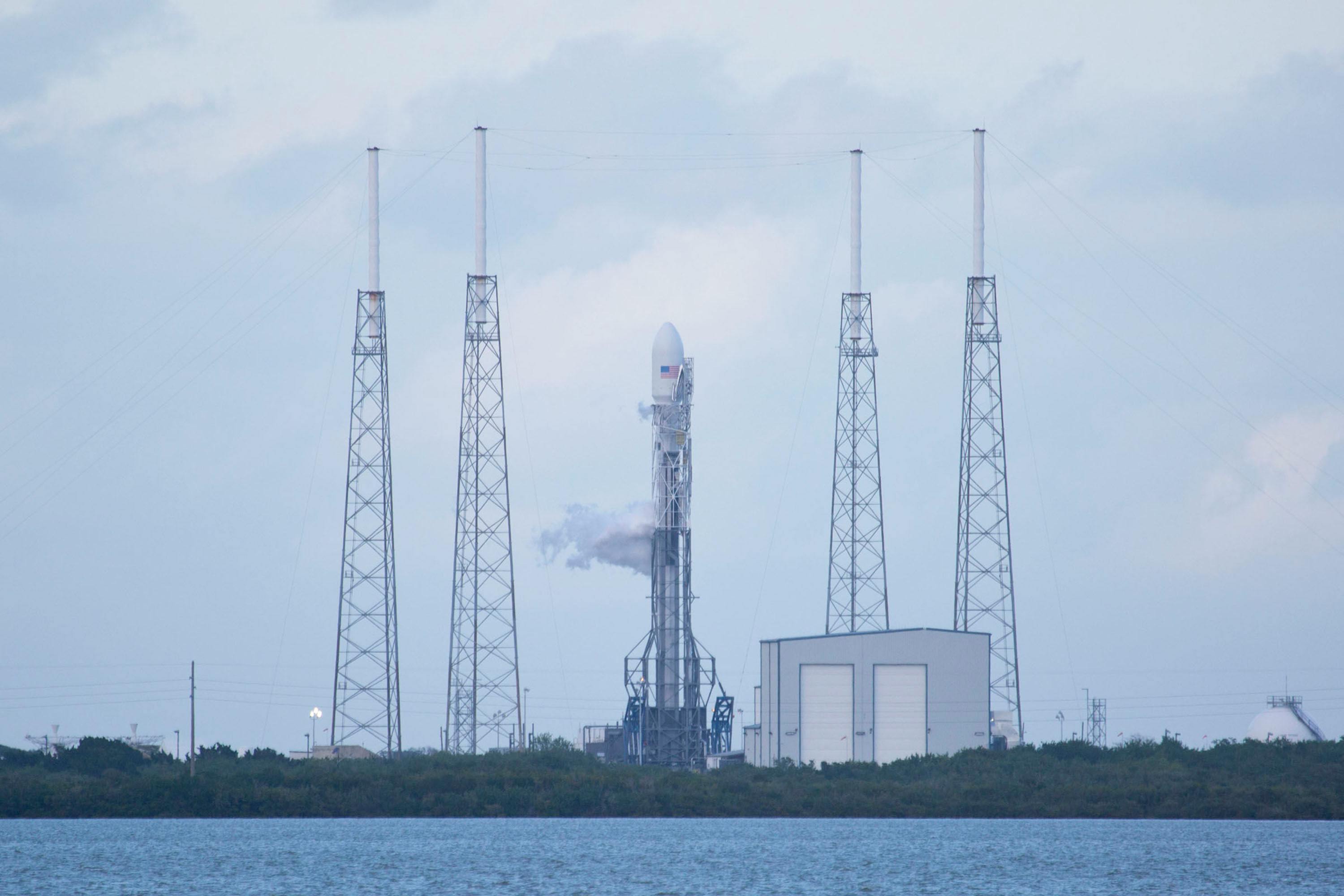
The FAA has approved Starship Flight 9, paving the way for an upcoming test launch, while SpaceX's Dragon spacecraft is set to undock from the ISS after weather delays.
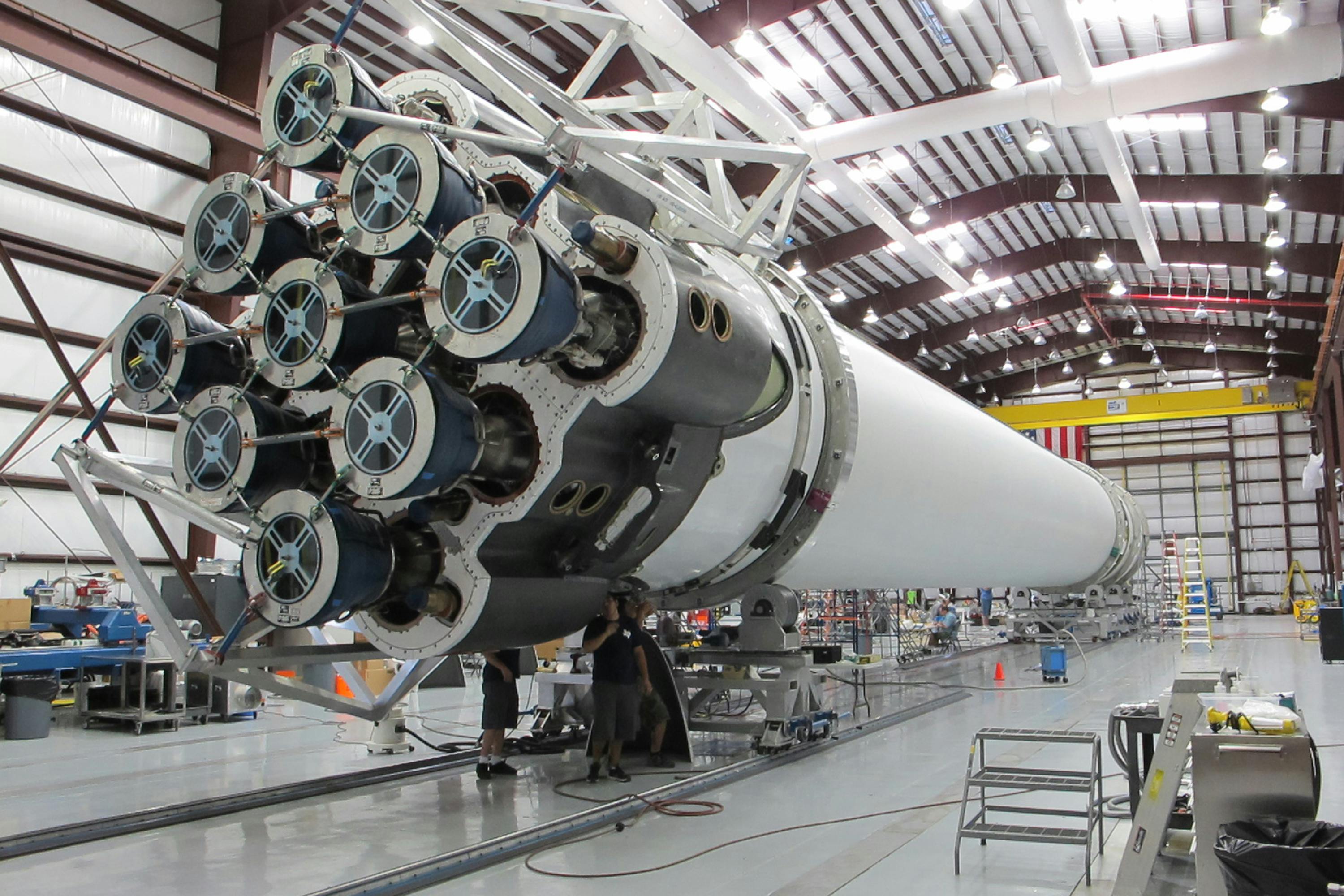
SpaceX continues to make strides with record-breaking Falcon launches while overcoming regulatory challenges for Starlink in India.

SpaceX breaks records with its 94th launch of the year while planning to ramp up Starship production to unprecedented levels.
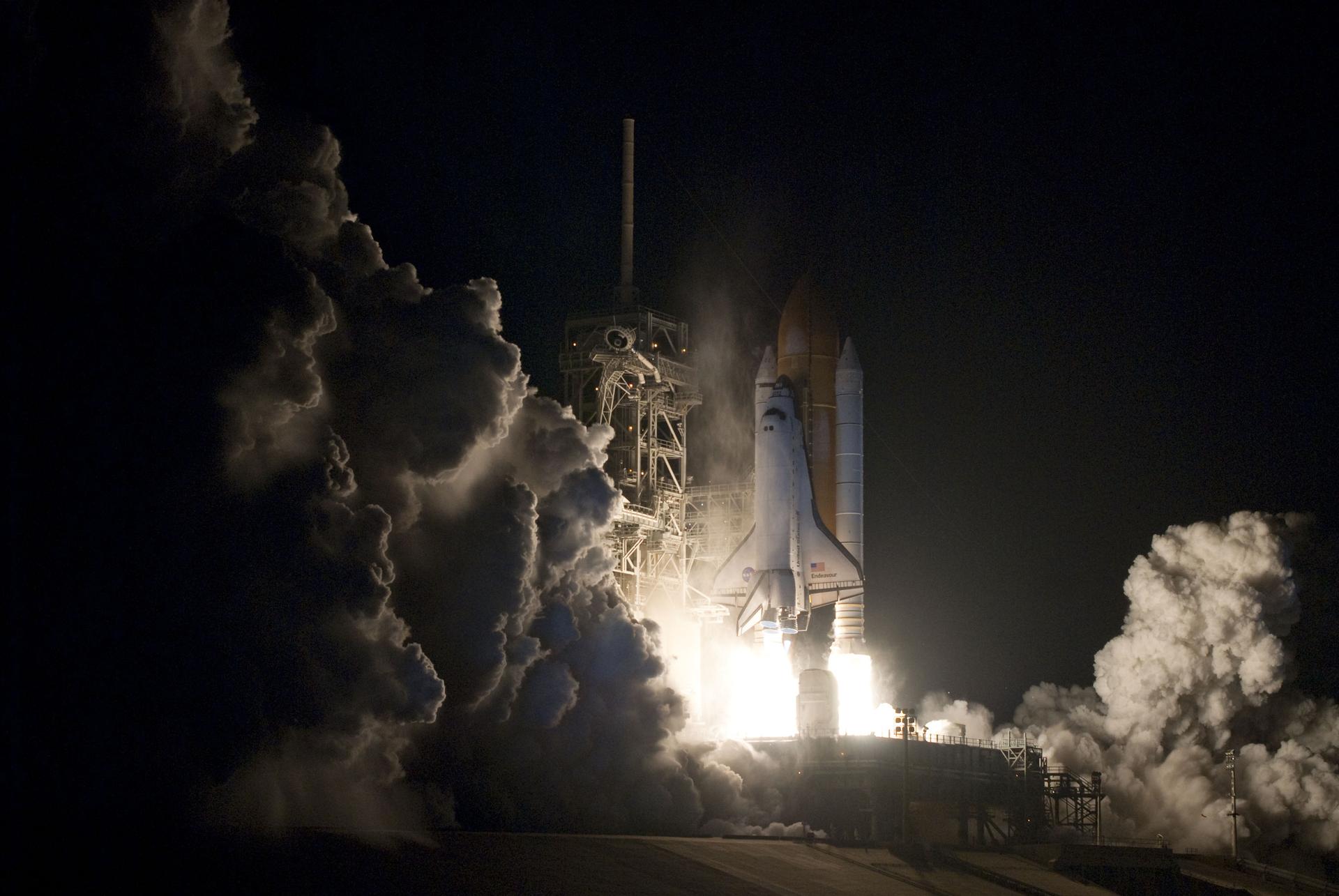
Fifteen years ago, Space Shuttle Endeavour launched on a mission that would give International Space Station astronauts their most spectacular view of Earth through the innovative Cupola observatory