


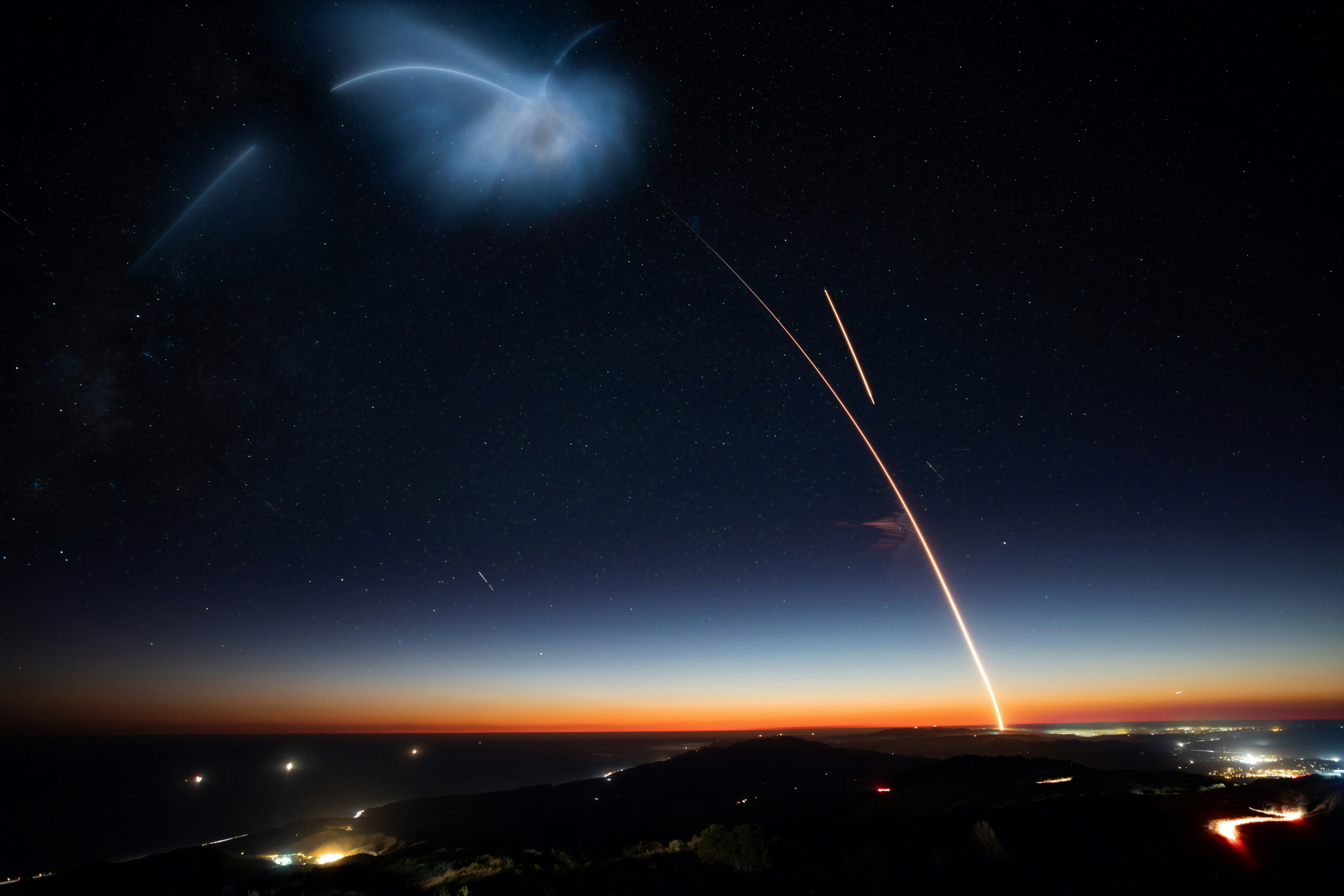
Starship All 6 Engines Fire for 60 Seconds Before Flight 13 | KeepTrack X Report
SpaceX ignited all 6 Starship engines for a full minute at Starbase, while a Falcon 9 added 24 more Starlinks from Vandenberg on July 1.


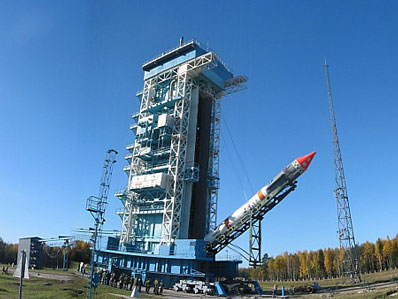
Launch Date
October 2, 1973
Launch Site
PLMSC
Launch Pad
LC132/2
Launch Vehicle
Kosmos 11K65M
NORAD ID
06848
International Designator
1973-069D
Epoch
Sun, 19 Jul 2026 19:56:20 GMT
Apogee
Calculating...
Perigee
Calculating...
Inclination
74.00°
Right Ascension
34.44°
Eccentricity
Calculating...
Argument of Perigee
69.78°
Period
114.13 min
Mean Motion
12.62 rev/day
Latitude
Calculating...
Longitude
Calculating...
Altitude
Calculating...
Velocity
Calculating...
Name
COSMOS 591
Alternative Name
Kosmos-591
Type
Status
Owner
GUKOSR
Country
USSR
Constellation
N/A
Related Satellites
Major Events
N/A
1 06848U 73069D 26200.83078970 -.00000021 00000+0 -28126-4 0 9990
2 06848 74.0006 34.4431 0089012 69.7801 303.0742 12.61753518431629
Source: Celestrak
Apologies, there is no summary for this satellite yet. I am working to generate these for every object in the catalog, but it is going to take time.
Length
0.8
Diameter
0.8
Span
0.8
Dry Mass
60
Launch Mass
60
Shape
Poly
Radar Cross Section
0.6883
Visual Magnitude
Unknown
Color
Unknown
Material Composition
Unknown
Payload
Strela-1M Blok 07 No. 4
Purpose
Military Communication
Mission
Military Communication
Manufacturer
OKB10
Life Expectancy
6 months
Bus
Strela-1 11F625
Configuration
Unknown
Motor
Unknown
Equipment
Unknown
Power System
Solar cells, batteries
ADCS
Unknown
Transmitter Frequency
Unknown
Learn more about satellites and other related topics.
SpaceX ignited all 6 Starship engines for a full minute at Starbase, while a Falcon 9 added 24 more Starlinks from Vandenberg on July 1.
Today's brief covers the investigation into Musk-Putin calls, SpaceX launch restrictions impacts, Pentagon's space investment strategies, ABL Space's pivot in focus, and Israel's defense export developments.

SpaceX stock surged 19% on its Nasdaq debut as Musk targets $1 trillion revenue by 2030. Starlink 17-54 marks the 1,500th satellite launched in 2026.
Highlights include US military astronaut rescue drills, China's commercial involvement in lunar missions, ESA's budget proposals, global opposition to space advertising, and NASA lunar landers.

Today's highlights include SpaceX's dual Starlink launches, NASA's progress on the Dragonfly mission to Titan, and delays in Starlink's Indian market entry.
Today's Space Brief covers a crucial weather data decision by the U.S. Defense Department, an innovative power supply for aerospace systems, advancements in satellite link technology, and Norway's maritime surveillance. AI/ML tools for airspace management and concerns about defense testing capabilities are also highlighted.

For nearly two decades, the U.S. Air Force and Space Force have been the world's unofficial civilian space traffic control system. The Department of Commerce's Traffic Coordination System for Space (TraCSS) is now taking over that job for commercial satellite operators - in stages, against persistent congressional pressure to kill the program, and with Department of Defense advocates pushing to make it happen before it is too late.

Northrop Grumman's GEM 63XL solid rocket booster passed static fire testing, but ULA's investigation into a February 2026 Vulcan in-flight anomaly remains open. No RTF date set.