


Starship V3 Targets May 19 on New Pad 2 | KeepTrack X Report
SpaceX targets May 19 for Starship V3's debut from Launch Pad 2, while the FCC approves a $2.4B EchoStar spectrum deal for Starlink.



Launch Date
April 3, 1973
Launch Site
Launch Pad
LC81/23
Launch Vehicle
Proton-K
NORAD ID
06408
International Designator
1973-017L
Decay Date
4/10/1973
Name
SL-13 DEB
Alternative Name
deb 8S812
Type
Status
Owner
RVSN
Country
USSR
Constellation
N/A
Related Satellites
Major Events
N/A
Length
0
Diameter
0
Span
0
Dry Mass
0
Launch Mass
0
Shape
N/A
Radar Cross Section
Unknown
Visual Magnitude
Unknown
Color
Unknown
Material Composition
Unknown
Payload
Unknown
Purpose
Unknown
Mission
Unknown
Manufacturer
Unknown
Life Expectancy
Unknown
Bus
Unknown
Configuration
Unknown
Motor
Unknown
Equipment
Unknown
Power System
Unknown
ADCS
Unknown
Transmitter Frequency
Unknown
Learn more about satellites and other related topics.
SpaceX targets May 19 for Starship V3's debut from Launch Pad 2, while the FCC approves a $2.4B EchoStar spectrum deal for Starlink.

SpaceX faces setbacks with Starship Flight 7 as FAA launches an investigation, while future transportation policies might impact SpaceX operations. Meanwhile, the Starlink constellation continues strong.
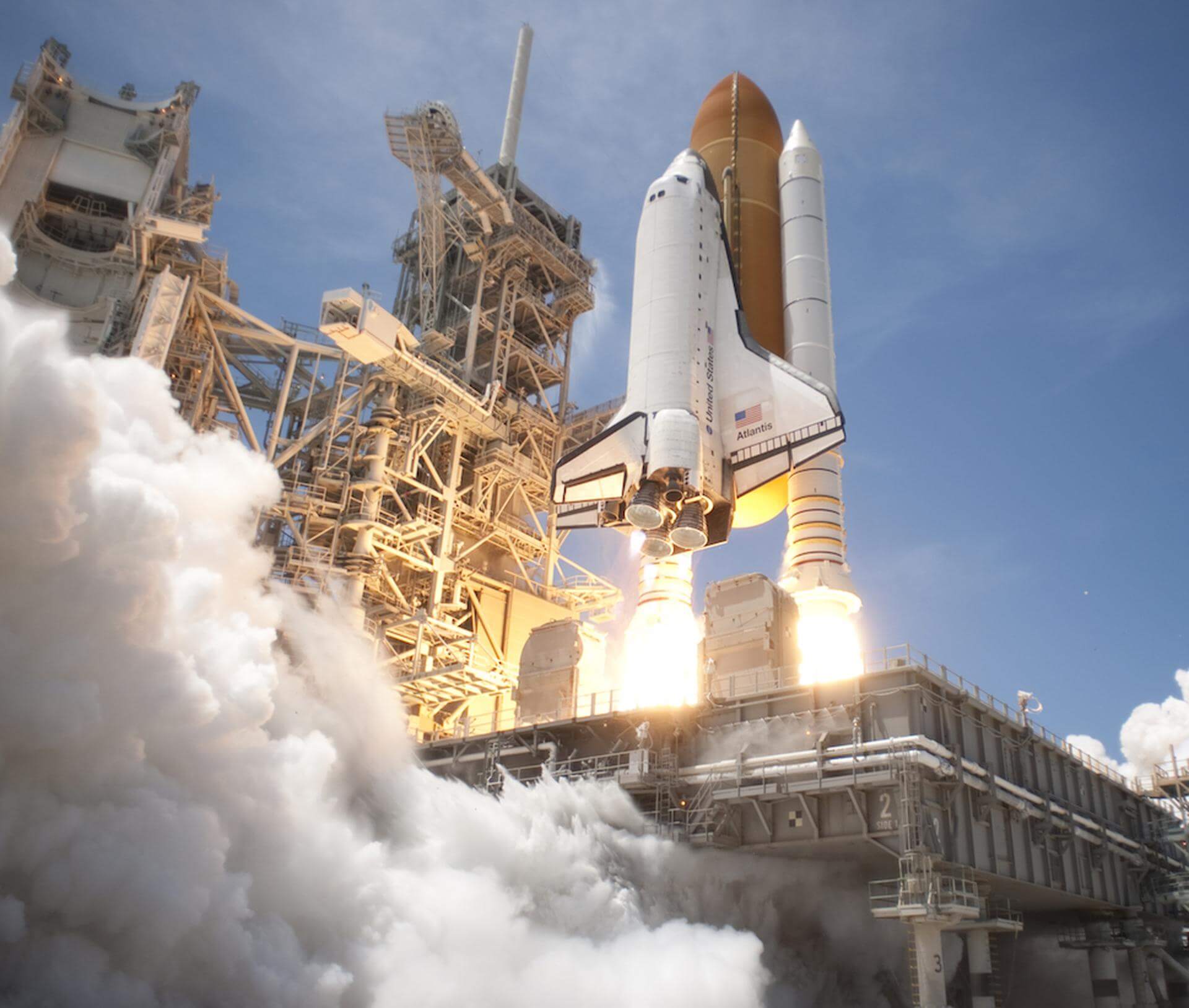
Today's Space Brief delves into key military developments in space, including the Space Force's pioneering officer training and innovative small satellite communication strategies.
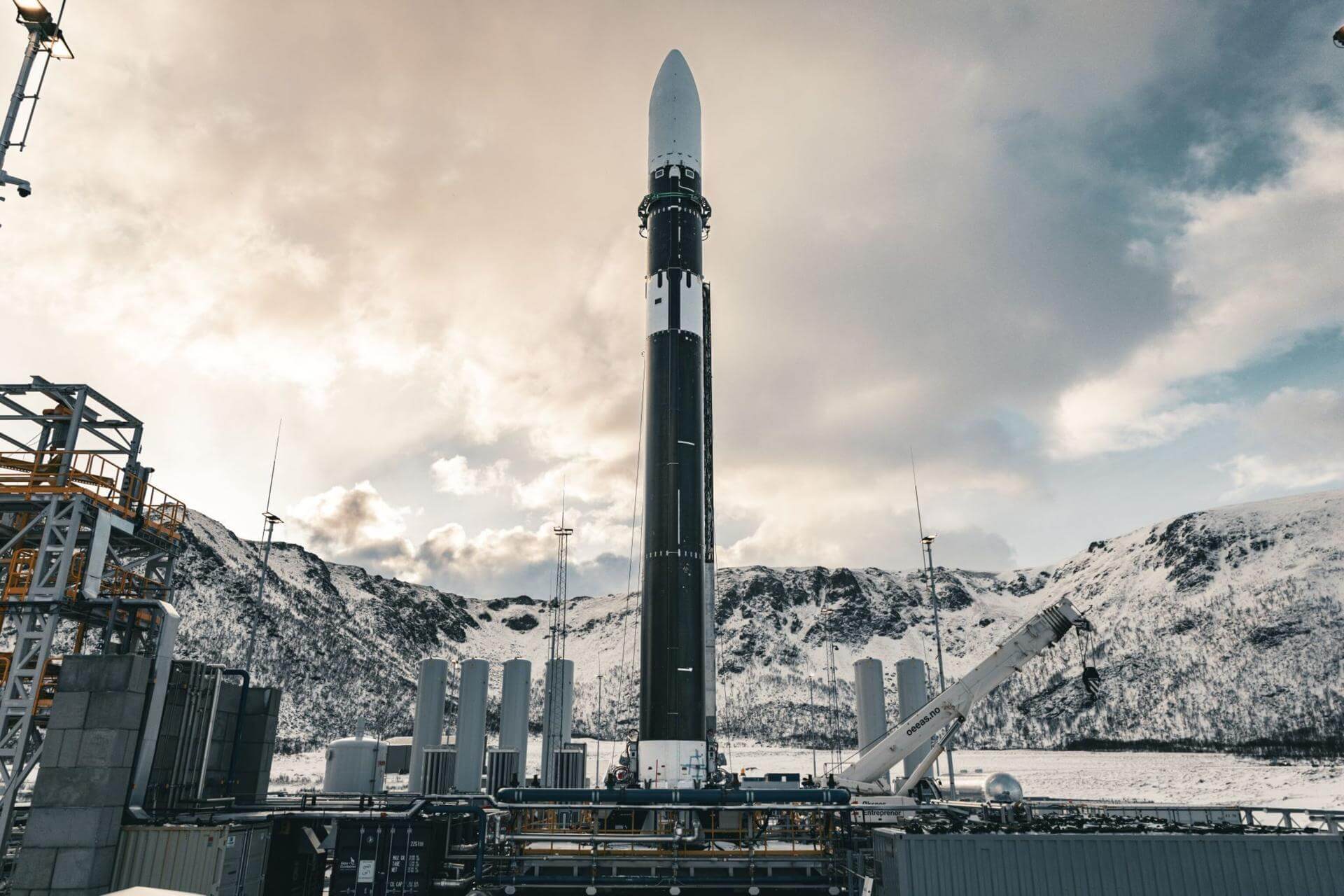
Exploring the future of space with concerns on space debris, rapid growth in orbital data centers, and new developments at launch sites.
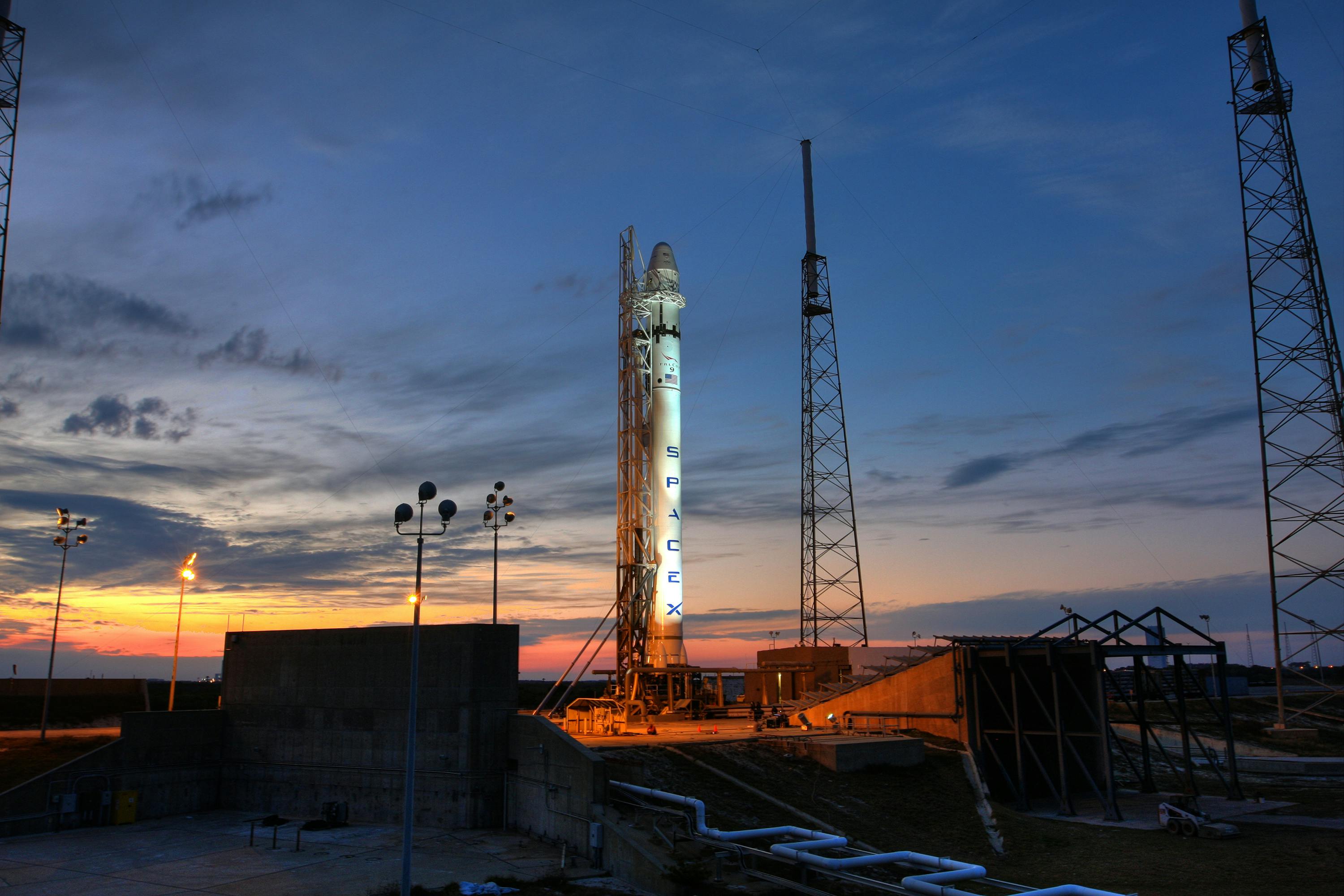
SpaceX shifts launch priorities to Vandenberg as Falcon 9 era winds down, while Anthropic signs orbital data center deal with the company.

Today's brief covers SpaceX's secretive military launch, advancements in nuclear fusion, and groundbreaking observations of dying stars and supernovae.
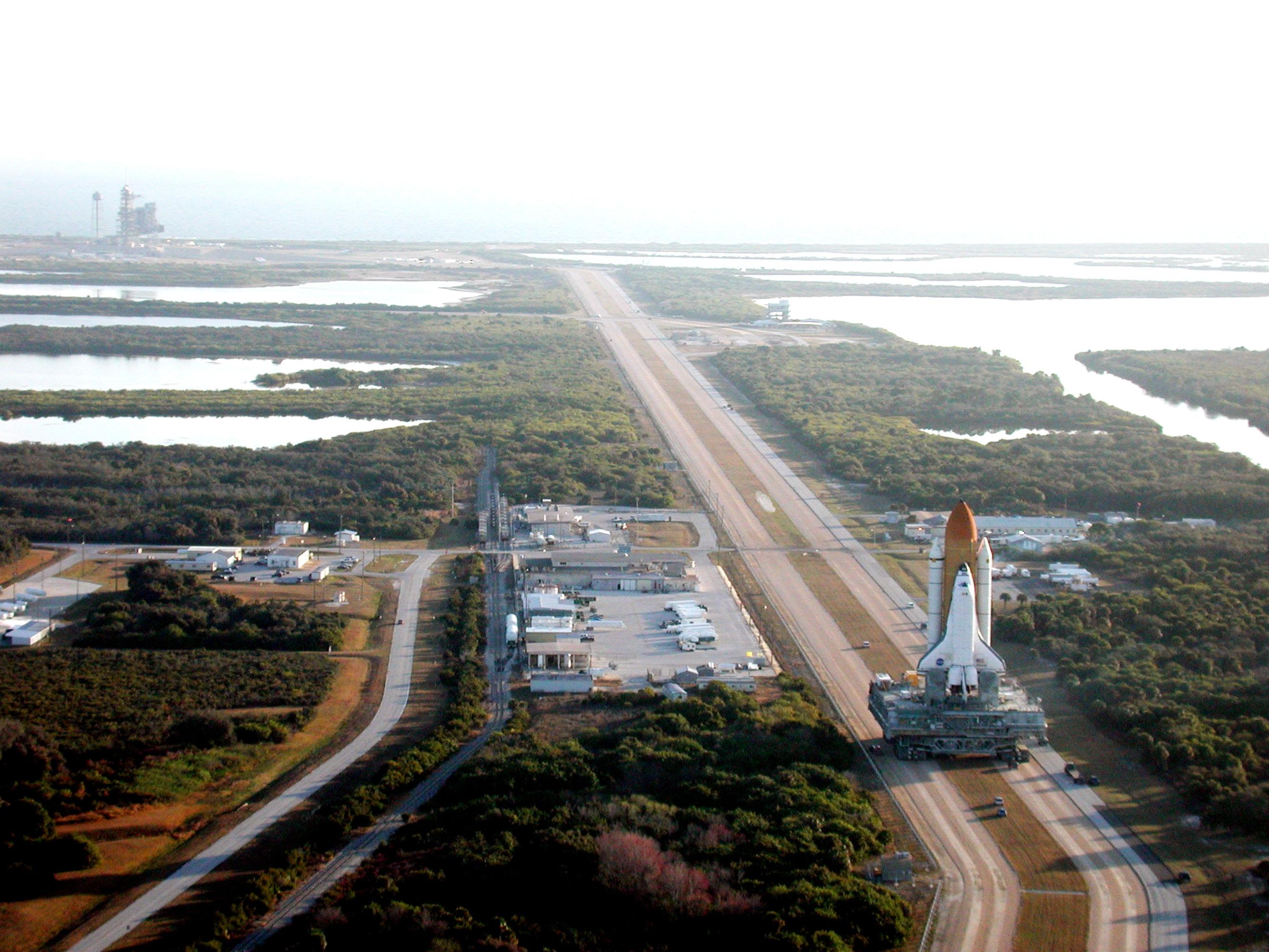
Twenty-four years ago, two spacewalking astronauts battled an ammonia leak while installing the U.S. Laboratory module Destiny, transforming the International Space Station from a construction site to a world-class research facility
Japan's Hayabusa2 executed a close-range asteroid flyby on July 5 after mission planners initially rejected the approach as too dangerous. Extended mission pushes hardware past design limits.